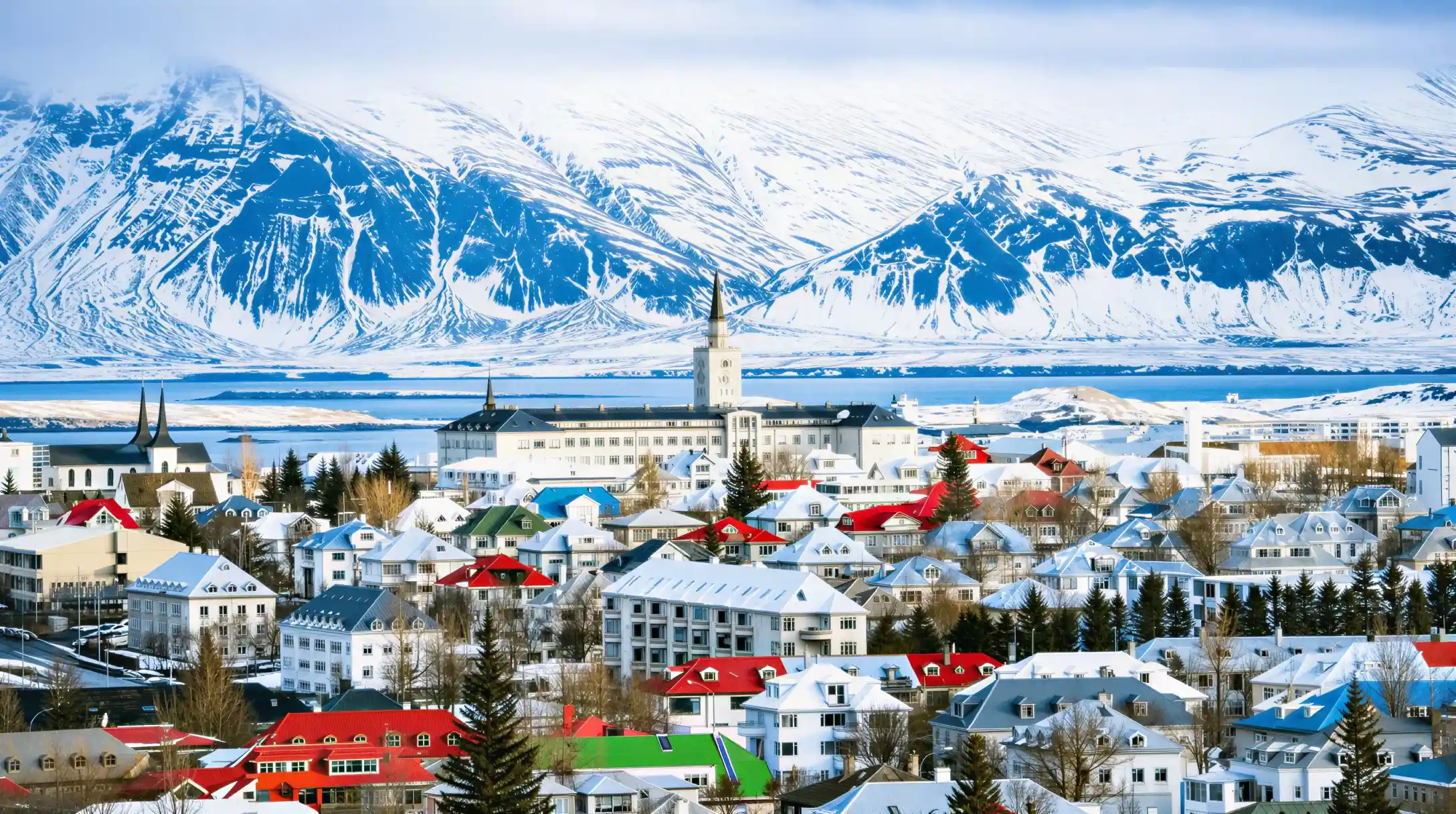
A trip built around summer daylight does not survive contact with December. Iceland winter tour packages run on a schedule that shrinks and expands with the sun, and the sun is the part most itineraries get wrong first. Reykjavik gets about 4.1 hours of daylight around the December solstice, against 21.2 hours in June, according to the Icelandic Meteorological Office. That gap decides start times, how many stops a day can hold and which roads are open at all. This page settles which tours work inside a short winter day and which need two days instead of one, and leaves aurora tours, Golden Circle detail and general day trips to their own pages.
Winter also closes doors that summer leaves open. Natural ice caves form roughly November to March, so the season that shortens the day is the same one that opens the caves. Highland F-roads that reach places like Landmannalaugar stay shut, decided each year by Vegagerðin, so anything built around them is a summer product wearing a winter label. What follows compares the tours that actually run this time of year, by daylight, distance and what a short day can realistically cover.
 Our pick
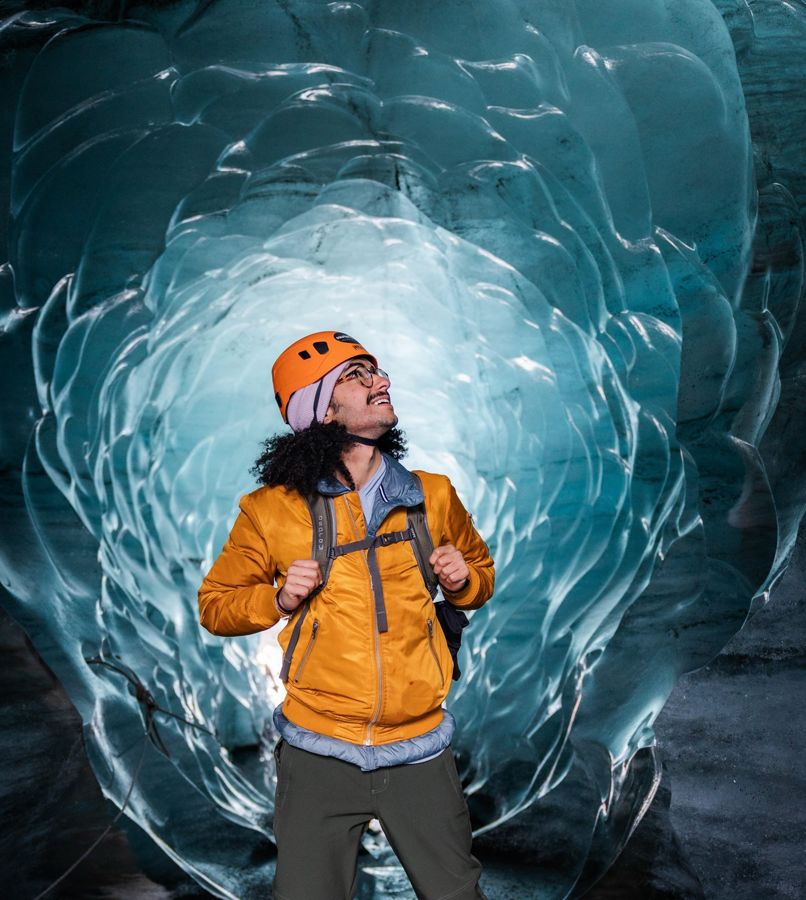
Reykjavik: Katla Ice Cave & South Coast Tour
South coast stops and a guided natural ice cave visit
A single winter day combining coastline and ice cave
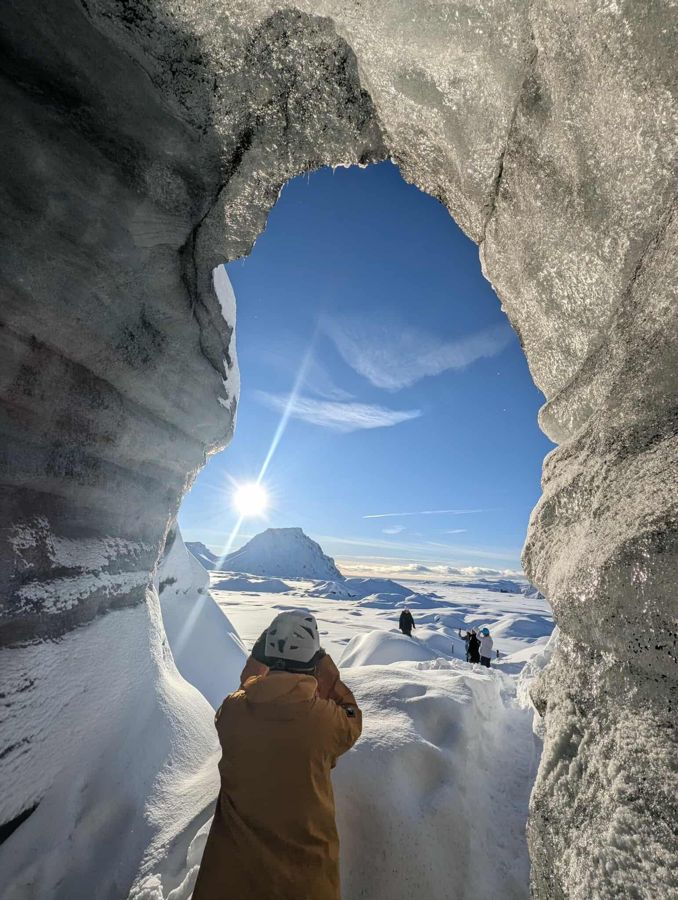
Reykjavik: South Coast and Katla Ice Cave Small Group Tour
Small group south coast route with Katla ice cave entry
Travelers who prefer a smaller group on a long winter day
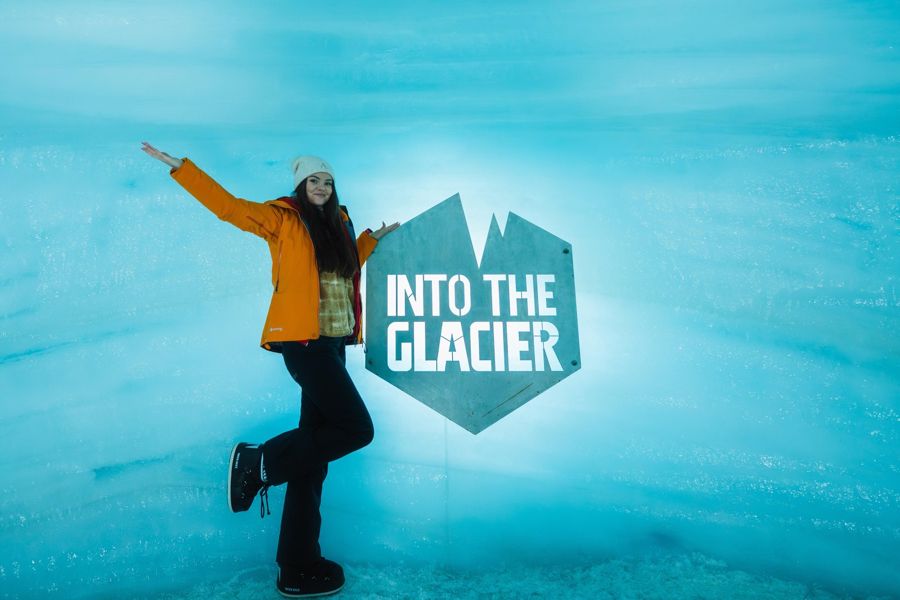
From Húsafell: Into the Glacier Ice Cave Adventure
Man-made glacier tunnel, open year round
A winter tour that does not depend on natural cave conditions
What changes when the sun sets at four
A reader planning day tours from Reykjavik in winter often books the same stops as a summer visitor and runs out of light halfway through. With roughly 4.1 hours of daylight around the solstice, a route that covers three waterfalls in June has to drop to one or two, and pickup times shift earlier to use the light that exists.
Road conditions add a second constraint that summer does not have. Winter driving depends on conditions Vegagerðin publishes and updates through the season, and a route open in the morning can close by afternoon after weather moves through. That is one reason operators run winter day tours Reykjavik winter departures with built-in flexibility on the exact stops, adjusting the order or dropping one if the light or the road does not allow it.
The upside is that winter concentrates the more distinctive parts of the itinerary into a shorter window. A short-daylight route to the south coast still reaches Katla's ice cave and the coastline in one day, because that route is close enough to fit inside four hours of usable light plus the drive. Longer routes, by contrast, need the daylight budget spread across two days rather than squeezed into one.
Layering is the other thing that a summer visitor underestimates. Temperatures on the south coast in winter sit close to Reykjavik's own averages, a high of 3.2°C (37.8°F) in January and a low of -1.7°C (28.9°F), and wind chill on an exposed coastline or near a glacier is colder than the number on a forecast. None of that stops a tour from running, but it changes what a reasonable person packs for eight hours outdoors in December.
| Month | Average high | Average low | Daylight |
|---|---|---|---|
| December | 3.3°C (37.9°F) | -1.6°C (29.1°F) | 4.1 h |
| January | 3.2°C (37.8°F) | -1.7°C (28.9°F) | - |
| February | 3.3°C (37.9°F) | -1.9°C (28.6°F) | - |
| June | 13.0°C (55.4°F) | 7.2°C (45.0°F) | 21.2 h |
- Average high
- 3.3°C (37.9°F)
- Average low
- -1.6°C (29.1°F)
- Daylight
- 4.1 h
- Average high
- 3.2°C (37.8°F)
- Average low
- -1.7°C (28.9°F)
- Daylight
- -
- Average high
- 3.3°C (37.9°F)
- Average low
- -1.9°C (28.6°F)
- Daylight
- -
- Average high
- 13.0°C (55.4°F)
- Average low
- 7.2°C (45.0°F)
- Daylight
- 21.2 h
Group size and pacing across a short day
Booking a private iceland winter tour changes the calculation more in December than in June, because a private schedule can start at first light and end at last light without waiting on a group. A shared coach with a dozen stops planned for a long summer day cannot simply compress into four hours of usable light without cutting something, while a private driver can drop a stop on the spot and keep the rest of the day intact.
Group tours still cover the same ground and cost less, and for a single south coast loop the difference in flexibility matters less because the route is already short enough to finish in daylight. The tradeoff shows up more on longer routes, where a fixed group departure has less room to adjust if weather slows the drive.
Several of the iceland winter tours from Reykjavik built around Katla's ice cave and the south coast run as small group departures rather than large coaches, which keeps the loading and unloading time down on a day where every hour of light counts. That is worth weighing against a private option mainly on the longer routes, where the extra cost buys back hours that a fixed schedule cannot.
Whichever format is booked, winter tours build in more schedule padding than their summer equivalents, because a delay from weather or a closed stretch of road has less daylight left to absorb it.
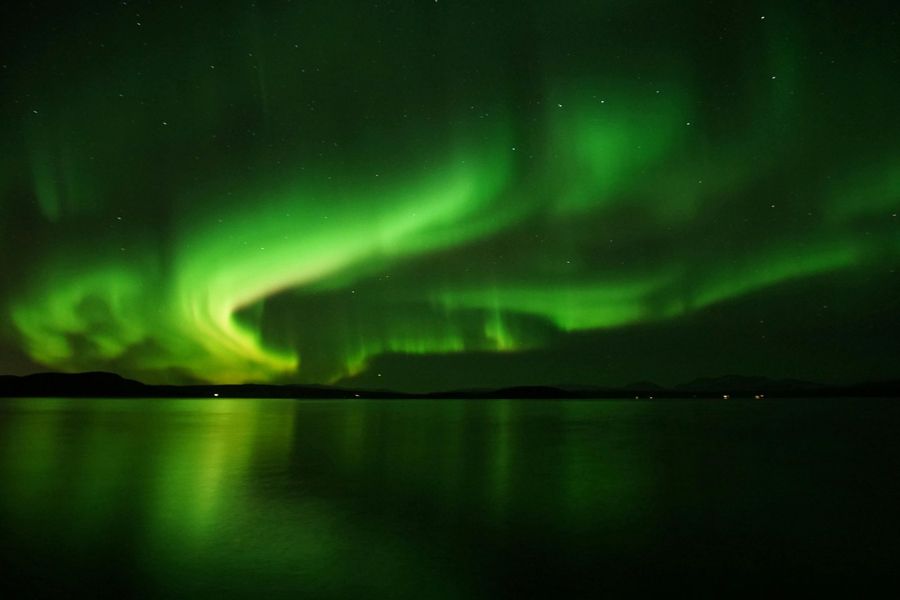
Evenings do the work the daylight cannot
With daylight ending by mid-afternoon in December, a winter tour iceland itinerary tends to schedule its second activity of the day after dark rather than trying to fit two daylight-dependent stops into four hours. An evening departure for the aurora is the most common version of this, since the same short daylight that limits sightseeing is what makes long, dark evenings possible in the first place.
Buses aiming for the aurora typically leave Reykjavik in the evening and drive away from the city's own light before stopping to watch, a pattern that only works because the nights are long enough in winter to allow it. The same dark evenings that limit a daytime tour to fewer stops are what make an evening tour possible at all between roughly late August and mid-April.
Pairing a daytime south coast or ice cave route with an evening aurora departure is a common way to use a short winter day fully, covering a daylight-dependent stop and a darkness-dependent one without either competing for the same hours.
Choosing a route that fits inside the light
Winter day trips from Reykjavik that reach Vík or the Katla ice cave involve a one-way drive of about 186.9 km (116.1 miles), roughly 2 hours 47 minutes each way before any stop, which already uses a large share of a 4.1-hour daylight budget once the return leg is counted. Routes at that distance work as a single day because the driving itself continues after dark, with the daylight reserved for the stops rather than the road.
A route to Jökulsárlón is a different case. At 377.7 km (234.7 miles) one way, around 5 hours 40 minutes of driving each way, the round trip is over eleven hours of driving alone, before a single stop, and that number does not shrink in winter. Sold as a single day, it is a very long day regardless of season; in winter, with only 4.1 hours of usable light, almost none of the drive happens in daylight at all.
The practical filter for a winter day trip is the one-way drive time against the hours of daylight available, not just the distance on a map. A south coast loop to Vík fits; a same-day round trip to Jökulsárlón is a longer commitment that the short winter day does not change in its favor.
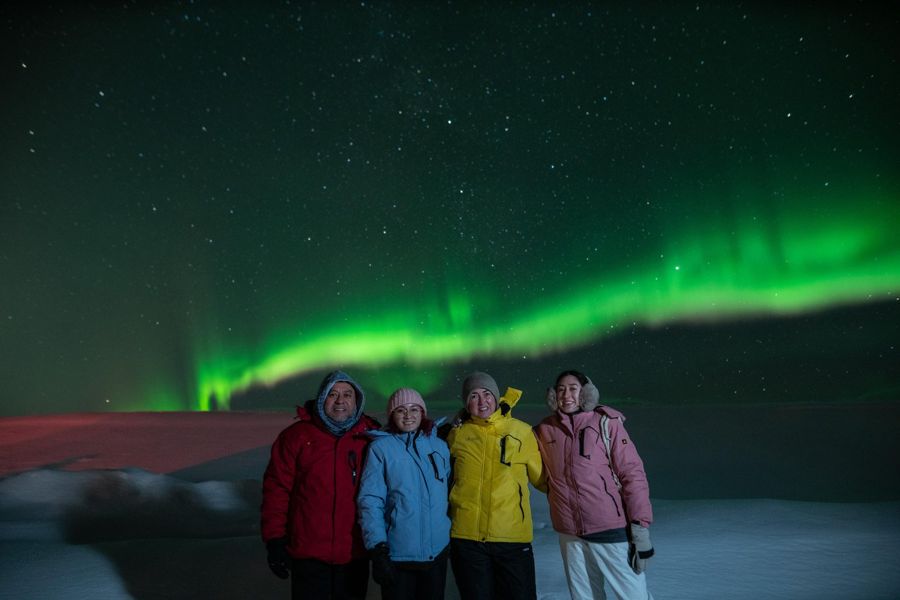
When one day is not enough
An iceland 2 day winter tour exists for exactly the routes that a 4.1-hour daylight budget cannot absorb in one trip. Jökulsárlón, at roughly eleven and a half hours of driving there and back before any stop, is the clearest case: splitting the drive across two days turns an overnight slog into a route where daylight hours are actually spent at the glacier lagoon and the coastline rather than on the road in the dark.
A two-day format also adds a buffer against the road closures and weather delays that are more common in winter than in summer, since a second day gives a route somewhere to absorb a delay that a single tight day cannot. That matters more the further east the route goes, since options for turning back or rerouting narrow the closer a tour gets to Vatnajökull.
Overnighting partway also means the return leg is driven in daylight rather than after a long day already spent driving, which is one reason routes to the glacier lagoon and the ice caves near Vatnajökull are commonly sold as two-day departures in winter specifically, rather than as a long single day the way some operators still list them.
Common questions
Do winter tours still run if it snows?
Operators adjust routes and stop order around road conditions published by Vegagerðin rather than cancelling outright, though a specific stop can be dropped if the road to it is closed.
Is a natural ice cave open on every winter tour?
Natural ice caves are a winter product, roughly November to March, and access depends on conditions at the specific glacier; the man-made Langjökull tunnel runs all year regardless.
How early should a winter day tour start?
Pickup times shift earlier than summer departures to make the most of the roughly 4.1 hours of daylight around the December solstice.
Does a two-day tour cost much more than a one-day tour to the same place?
Pricing varies by operator and season; the practical difference is that a two-day format spreads the same distance across two daylight windows instead of one.