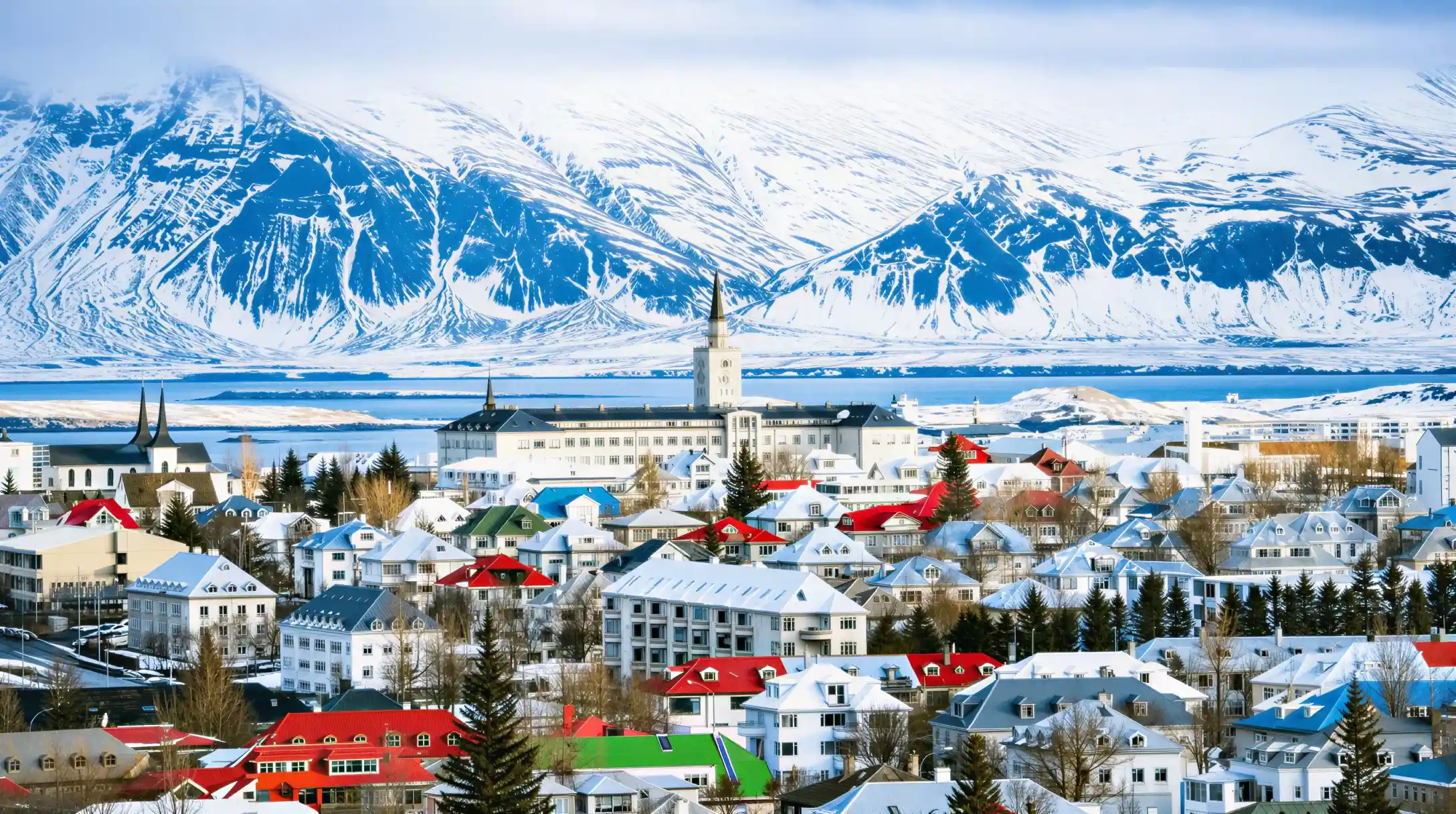
A week sounds like enough time until the map is open and the ring road, the highlands and the south coast are all still on it. Most travellers planning Reykjavik vacation packages are choosing between a short loop from the capital and a longer circuit that needs more driving days than the trip has. This page sorts the choices by length and by season, not by itinerary, so the next four days can be spent narrowing rather than starting over. The Golden Circle fits inside a day. The highlands do not open until June. A week in December sees a fraction of the daylight a week in June sees, and that changes what the days can hold.
None of that shows up in a photo of Gullfoss, which is why the wrong length gets booked more often than the wrong route. A three-night trip built around a ring-road pace runs out of time on day two. A seven-night trip built around a Golden Circle pace runs out of things to see by day four. The sections below split the country's usual packages into the timeframes people actually have, from a single extra day tacked onto a stopover to a full week, and note where the season decides the plan before the itinerary does.
 Our pick
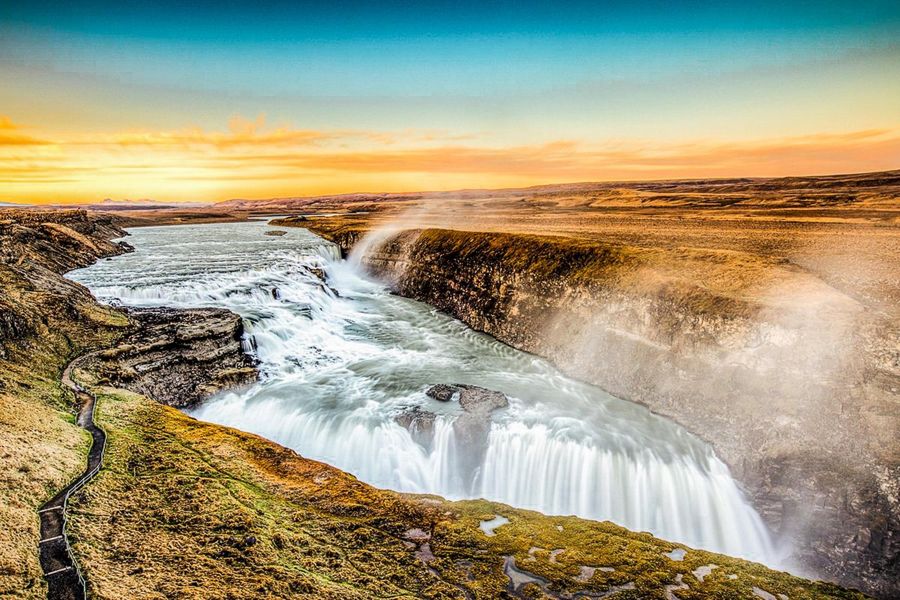
Reykjavik: Golden Circle Full-Day Tour with Kerid Crater
Þingvellir, Geysir, Gullfoss and the Kerið crater on one day route from Reykjavik · A single extra day added to a stopover or short trip
Þingvellir, Geysir, Gullfoss and the Kerið crater on one day route from Reykjavik · A single extra day added to a stopover or short trip
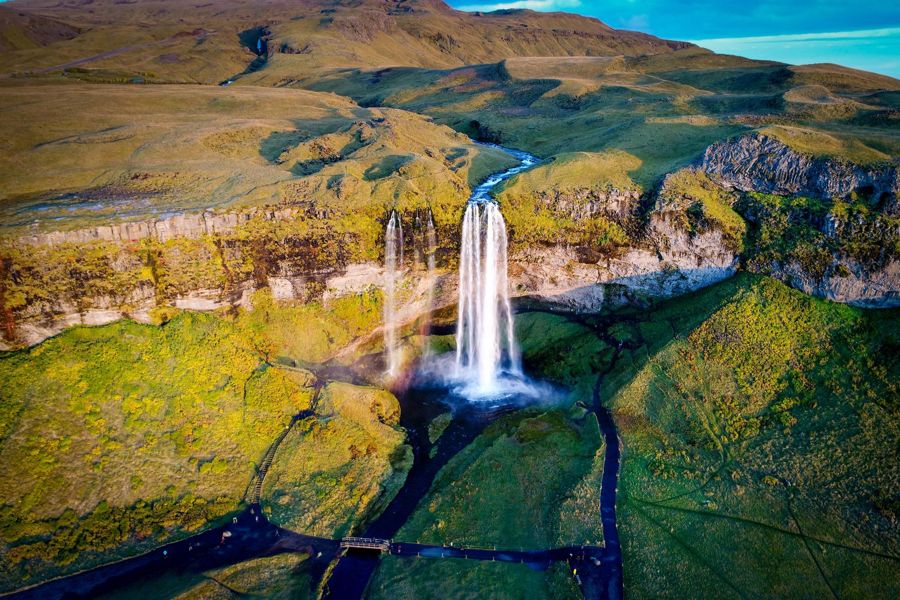
Reykjavik: South Coast Waterfalls, Black Sand & Glacier Tour
South coast waterfalls, black sand beach and a glacier stop on a full day route · A second day for travellers who have already done the Golden Circle
South coast waterfalls, black sand beach and a glacier stop on a full day route · A second day for travellers who have already done the Golden Circle
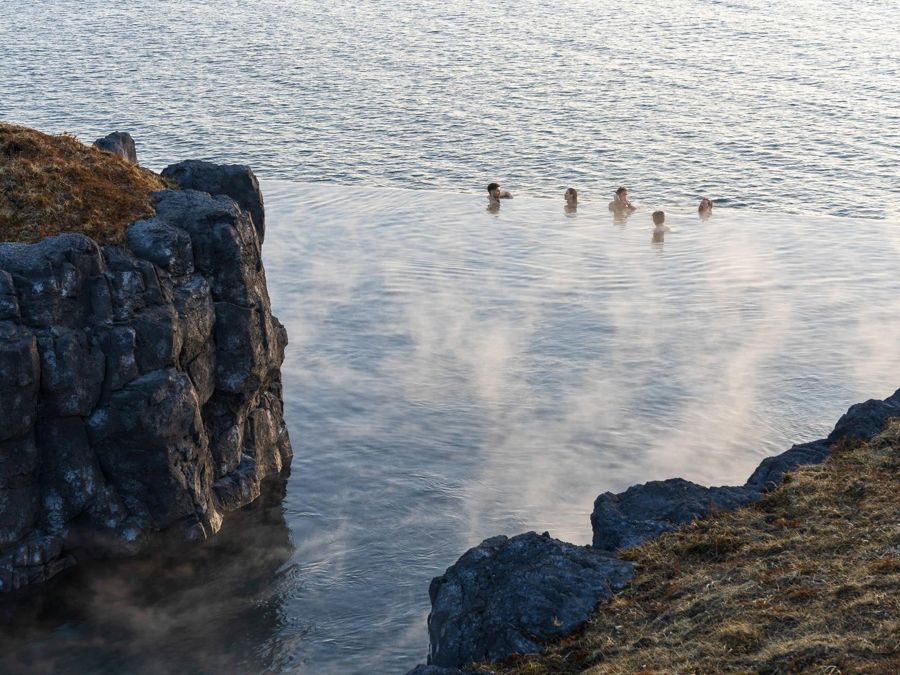
Reykjavik: Sky Lagoon Entrance Pass With 7-Step Spa Ritual
Entry to Sky Lagoon and the seven step spa ritual · An evening slot between longer touring days
Entry to Sky Lagoon and the seven step spa ritual · An evening slot between longer touring days
What a Short Trip Can Actually Cover
A common mistake is treating three or four days as a compressed version of a week, with the same stops squeezed tighter. That plan loses the drive time first, then the meal stops, then the buffer for weather, and the itinerary that looked fine on paper arrives late to everything.
A short trip works better built around one full day per region rather than a partial day in several. The Golden Circle is a single day: Þingvellir, Geysir and Gullfoss, with Kerið added if the pace allows it. The south coast is a second day, as far as the black sand beaches and a glacier stop before turning back. Reykjavik itself, including a pool or a lagoon evening, is a reasonable third day without a car. A fourth day is where the highlands or a second south coast push would go, but the Vegagerðin road service publishes the F-road opening dates each spring, and most of those roads are shut outside the short window from early to mid June through mid September. A short winter trip does not have that option regardless of the dates on the calendar, since the same roads are closed for the season.
Reykjavik's own daylight sets the outer limit on a short trip more than any single attraction does. In December the city gets about 4.1 hours of daylight, against 21.2 hours in June, so a four-day December trip and a four-day June trip cover a different number of actual working hours despite sharing a length.
Matching the Route to the Days You Have
Package listings rarely say which days are driving days and which are stop days, and a route that looks identical to another on the map can cost a full extra day depending on how many overnight towns it strings together. Reading the stop count, not just the headline attractions, is the more reliable way to tell two similar-looking routes apart.
A vacation package iceland travellers pick for a first visit usually anchors on the south coast and the Golden Circle, both reachable from Reykjavik without a highland crossing, which keeps the plan workable outside the short F-road season described above. A route that adds the north or the highlands is a different trip with a different minimum length, and squeezing it into the same number of nights just moves the shortfall from one region to another rather than removing it.
Fuel stops, meal stops and the standard rest breaks on a long driving day are the parts of a route that a map does not show and a package description does not always spell out. A day that covers 400 km on paper with three sightseeing stops is a full day of driving with very little slack left over, and a single closed road or a slow queue at a popular pull-off is enough to cut one of those stops.
| Length | Typical anchor | Highland roads usable |
|---|---|---|
| 3 to 4 days | Golden Circle and south coast | No, outside roughly June to September |
| 5 to 6 days | South coast plus a second region | Only if travel falls within the open season |
| 7 days | Partial ring road or south coast in depth | Only if travel falls within the open season |
- Typical anchor
- Golden Circle and south coast
- Highland roads usable
- No, outside roughly June to September
- Typical anchor
- South coast plus a second region
- Highland roads usable
- Only if travel falls within the open season
- Typical anchor
- Partial ring road or south coast in depth
- Highland roads usable
- Only if travel falls within the open season
Fitting a Handful of Days Into the Whole Country
Four days invites the temptation to try the ring road anyway, on the theory that a fast pace can cover what a slower one cannot. It cannot, not the full loop, not with sightseeing stops included, and a route that tries ends up spending most of its daylight behind the wheel.
A 4 day tour of iceland realistically covers the southwest quarter of the country: Reykjavik, the Golden Circle and the south coast as far as the glacier lagoon region, then a return. That is a full itinerary rather than a rushed one, because it respects the actual drive times between stops instead of assuming a straight line at a constant speed. Anything further, including the north or the full ring road, is where a four-day trip runs out of room, not because the sights are far apart on a map but because Icelandic roads outside the ring road's paved sections slow a vehicle down in ways a distance figure alone does not show.
Weather adds a second layer on top of distance. A closed mountain pass or a storm warning from the Icelandic Meteorological Office can remove a full day from a four-day plan with no notice, which is one more reason a route built around one region rather than several handles a short trip better.
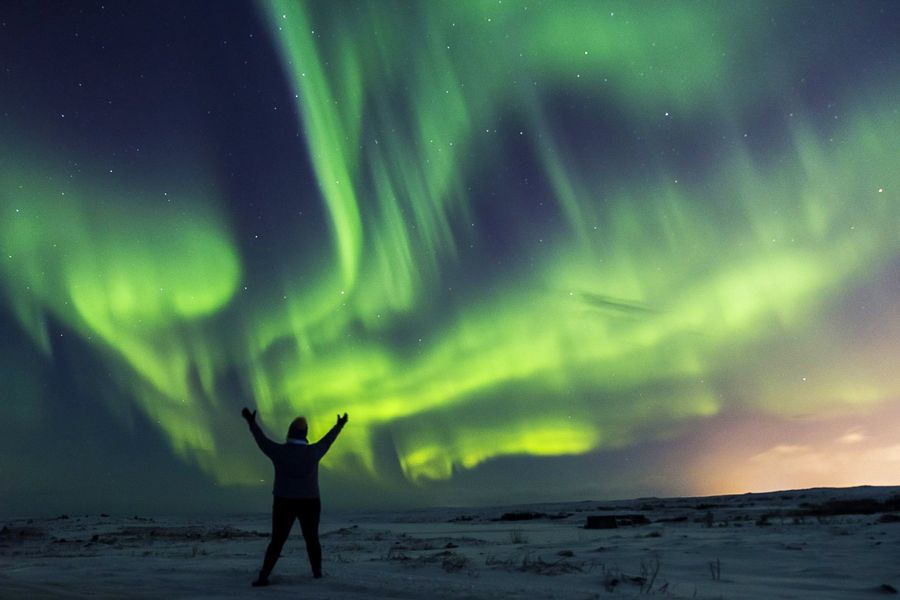
Where Reykjavik Fits Before or After the Road Trip
Travellers planning a package around the countryside sometimes give the capital a single afternoon at the start or the end, which is often less than the city needs and more than the itinerary can spare once the driving days are locked in.
A pool visit, a walk through the older streets and one museum or gallery fill a half day comfortably, and a lagoon evening fills the rest, whether that is a longer session with a spa ritual or a shorter swim at a public pool. The city's own pools charge a fraction of a spa's price, which is worth knowing before booking the more expensive option by default rather than by preference. Reykjavik's public transport network, run by Strætó, covers the main sights inside the city without a rental car, which matters for a trip where the car is reserved for the countryside days and sits unused on the city days.
Placing the city day at the end of the trip rather than the start gives a buffer against a delayed flight or a weather-shortened countryside day, since a missed city afternoon is easier to absorb than a missed south coast day with a tight return flight behind it.
Comparing What a Package Actually Bundles
A listing that bundles transport, accommodation and a guide reads as more convenient than booking each separately, and it often is, but the bundle also fixes the pace: fewer stops can be swapped and fewer days can be extended once the package is confirmed.
Among the options sold as iceland vacation tour packages, the ones built around fixed day tours from a single Reykjavik base keep the most flexibility, since a traveller can skip a day's tour without losing a hotel booked somewhere else along a route. A package built around a moving multi-night circuit, changing hotels each night, gives up that flexibility in exchange for covering more ground, and cancelling or skipping one day usually means adjusting every night that follows it.
Neither structure is the wrong choice in general. A traveller who wants to see one region well and return to the same room each night is better served by the fixed-base structure. A traveller aiming to cover the south coast, the north and the highlands within one trip needs the moving structure, and needs the highland season described above to actually be open for the dates travelled.
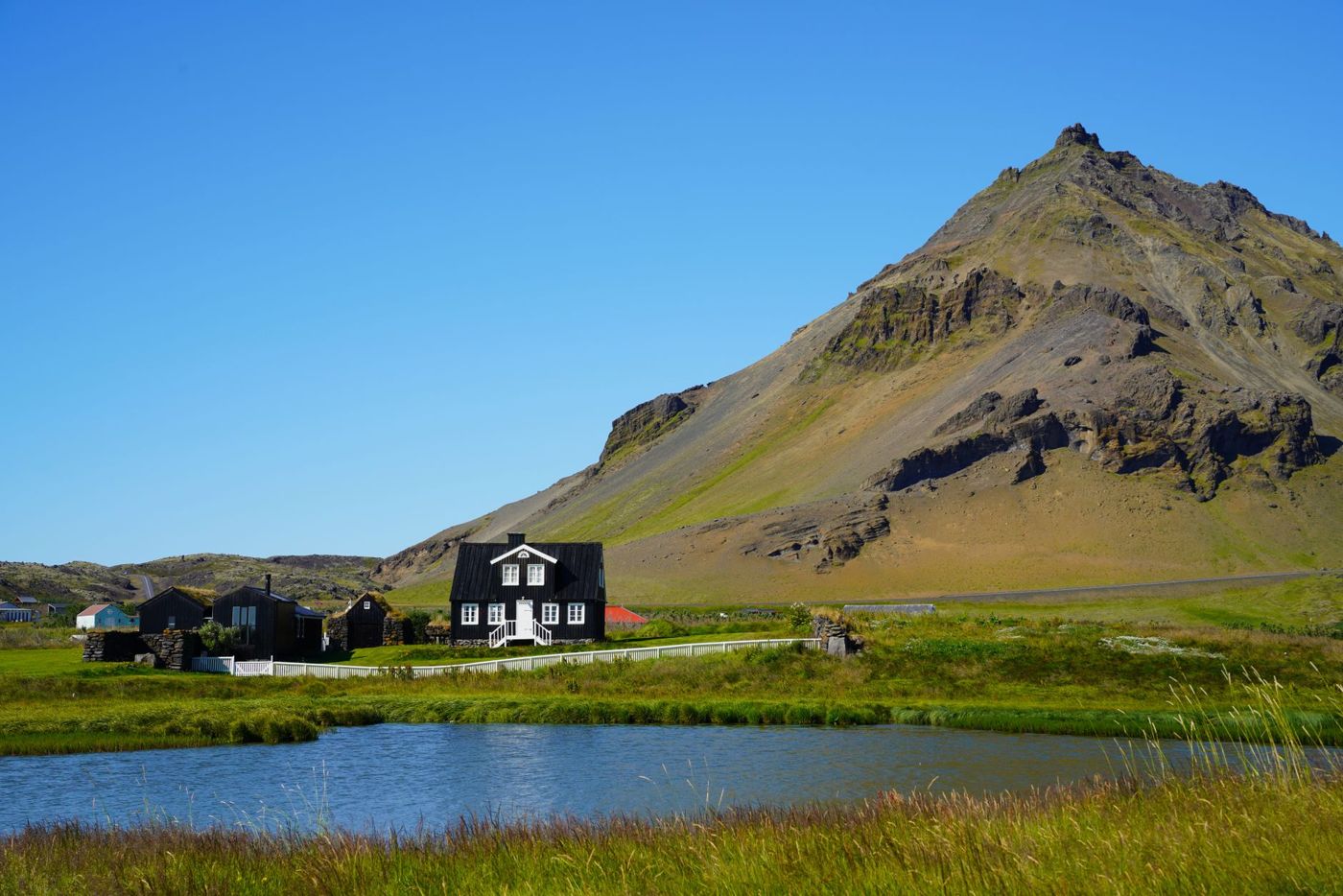
Booking From Further Afield
A long-haul departure point changes the arithmetic on trip length more than it changes the itinerary itself, since the flight time eats into the same number of vacation days a shorter regional flight would not.
Someone planning an iceland tour package from singapore is usually looking at close to a full day of flying each way once a connection through Europe or the Middle East is added, which makes a short three or four day package a much smaller fraction of the total trip than the same package is for a traveller flying in from a few hours away. A week on the ground, rather than four or five days, keeps the ratio of flying time to touring time closer to reasonable for that distance. Layover length matters here too: a long connection is sometimes worth breaking with a stopover city rather than treating it as dead time at an airport gate.
None of the flight planning changes what happens once the traveller lands. The daylight hours, the road openings and the park fees already described apply the same way regardless of where the trip started, so the route-planning sections above still set the actual itinerary once arrival day is reached.
Booking From the United States
Direct flights from several US East Coast cities to Keflavík run close to five hours, which puts a short trip within easier reach than the long-haul case above, but it does not remove the planning steps that come after landing.
Travellers comparing iceland tour packages from usa listings are often choosing between a fully guided multi-day circuit and a self-paced set of day tours booked around a fixed Reykjavik hotel, and the right call depends on comfort with driving on the right-hand side, unfamiliar roads and winter conditions rather than on the length of the trip itself. Entry requirements and any current advisories are published by the US Department of State and by the UK FCDO for British travellers on the same trip, and both are worth checking close to departure rather than at the time of booking, since either can update.
Airport arrival itself is straightforward: Isavia's Keflavík airport site covers the bus fares and transfer options into Reykjavik, which is the first logistics question on any of these trips regardless of package length.
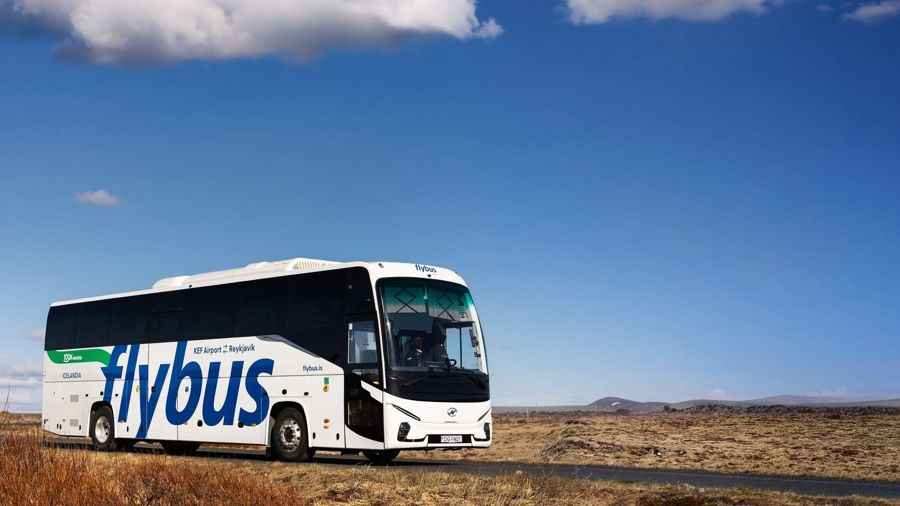
When a Full Week Is Worth It
A week is the point where the ring road itself becomes a realistic option rather than an aspiration, provided the travel dates fall inside the season when the highland shortcuts are open, since without them the loop runs entirely on paved ring road and takes longer.
An iceland 7 day tour built around the full loop typically allocates one to two days per region: the south coast, the southeast around the glacier lagoons, the east fjords, the north near Akureyri and the west on the way back, with Reykjavik itself bookended at the start and the end. That pace leaves little room for a bad-weather day, so a week planned this tightly benefits from checking the Icelandic Meteorological Office forecast in the days before departure rather than assuming the schedule will hold regardless.
A week that stays in the southwest instead of attempting the full loop covers the same regions as the shorter trips above, just in more depth, with time for a glacier walk or a longer hike added to the standard stops. That version carries less weather risk since it never depends on covering long open-road distances against a fixed daily target.
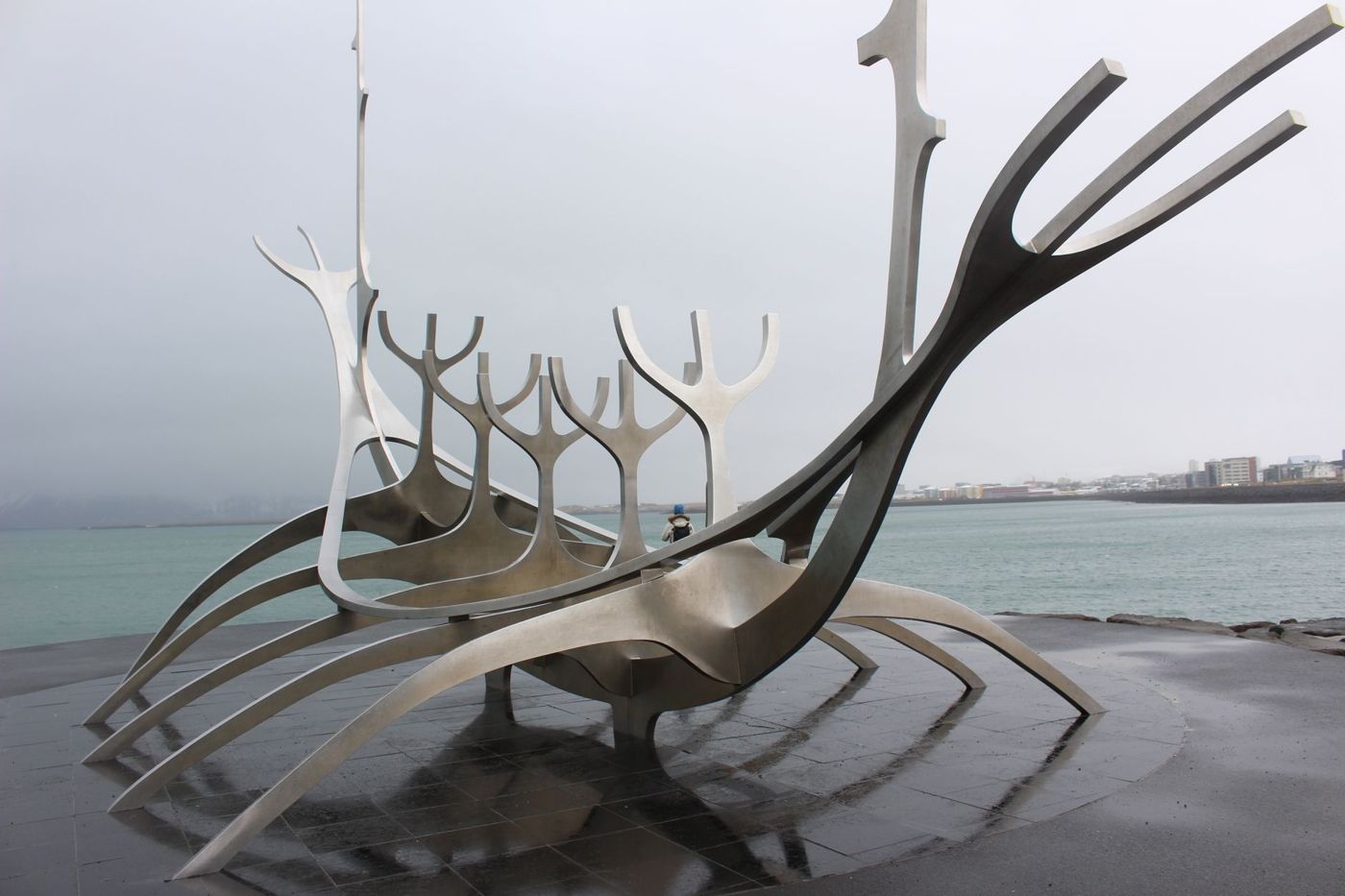
Settling on the City Component
Every package, however long, has a city component even when the brochure copy is all countryside and waterfalls, since arrival and departure days both happen inside Reykjavik whether or not a full day is set aside for it.
Reykjavik vacations built entirely around day trips from a single hotel treat the city as the base rather than a stop, and that structure suits a traveller who prefers unpacking once. The alternative, a moving circuit with a different town each night, spends less time in the capital itself but covers more of the country, and the choice between the two is really a choice about whether the trip is about Reykjavik with excursions or about the country with Reykjavik as the gateway.
A minimum-age or booking rule can decide part of this too: the Sky Lagoon admits nobody under 12, which matters for a family package built around a lagoon evening in the city, and Silfra snorkelling and diving both require certification the operator checks before the dive, which rules the activity out for anyone without it regardless of how the rest of the package is built.
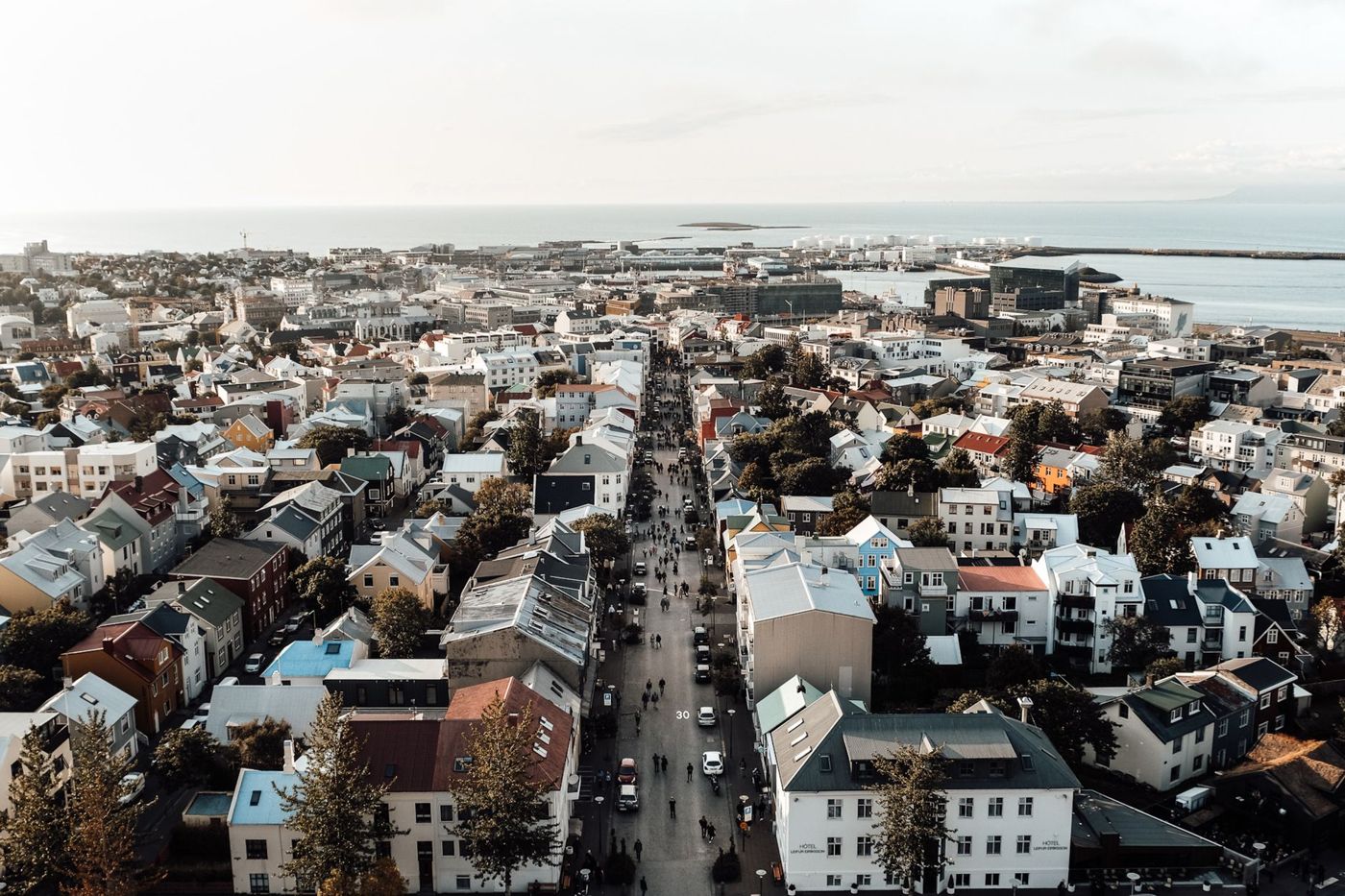
Building In a Weather Buffer
Every itinerary above assumes the roads and the weather cooperate, and Iceland's weather does not always cooperate on the schedule a package prints months in advance.
A short trip has the least room to absorb a lost day, since a four-day plan that loses one day to a storm has lost a quarter of its touring time with nowhere to move it. A week-long trip built around the ring road has more nominal days but less real slack, because each day's stops are already set to move the traveller toward the next overnight town, and a lost day there either shortens the loop or pushes a long drive into a single very long day. The safest structure against weather loss is the fixed Reykjavik base with day tours, since a cancelled or postponed day tour does not strand anyone away from their hotel.
Checking road status directly through Vegagerðin rather than relying on a package description is worth doing close to travel dates, since road closures are announced with short notice and a printed itinerary has no way to reflect them.
Reading a Package Listing Correctly
A package description that lists attractions by name without saying how many hours each stop gets is easy to misread as more generous than it is, since a name on a list looks the same whether it gets ten minutes or two hours.
The more reliable listings break the day down by drive time and stop time separately, which makes it possible to tell whether a day with five named stops is a relaxed day or a day spent mostly in the vehicle. Where that breakdown is missing, the total distance for the day and the number of overnight changes are the next best indicators: a day with a long drive and a hotel change at the end of it has less real stop time than the stop count alone suggests.
Entry fees for individually paid stops are worth checking against the actual site regardless of what a package includes, since park and parking fees at Þingvellir, Geysir and the south coast waterfalls have all changed in the recent past and a package built on an older fee schedule is not necessarily wrong about the itinerary, just outdated on the number.
Deciding Between Guided and Self-Paced
The last choice on any package is whether a guide sets the pace or the traveller does, and the two options suit different trips more than they suit different traveller types.
A guided multi-day package removes the driving and the route planning entirely, which matters most on a winter trip where road conditions change quickly and a local driver's judgment is worth more than a printed itinerary. A self-paced trip built around individual day tours from a fixed base keeps control over which days happen and which get skipped, at the cost of handling logistics like parking fees and road status directly rather than having them handled by a guide.
Neither option is free of the season and length constraints covered above: a self-paced week still cannot drive the highland F-roads outside their open season, and a guided week still runs on the same daylight hours as everyone else's trip that month.