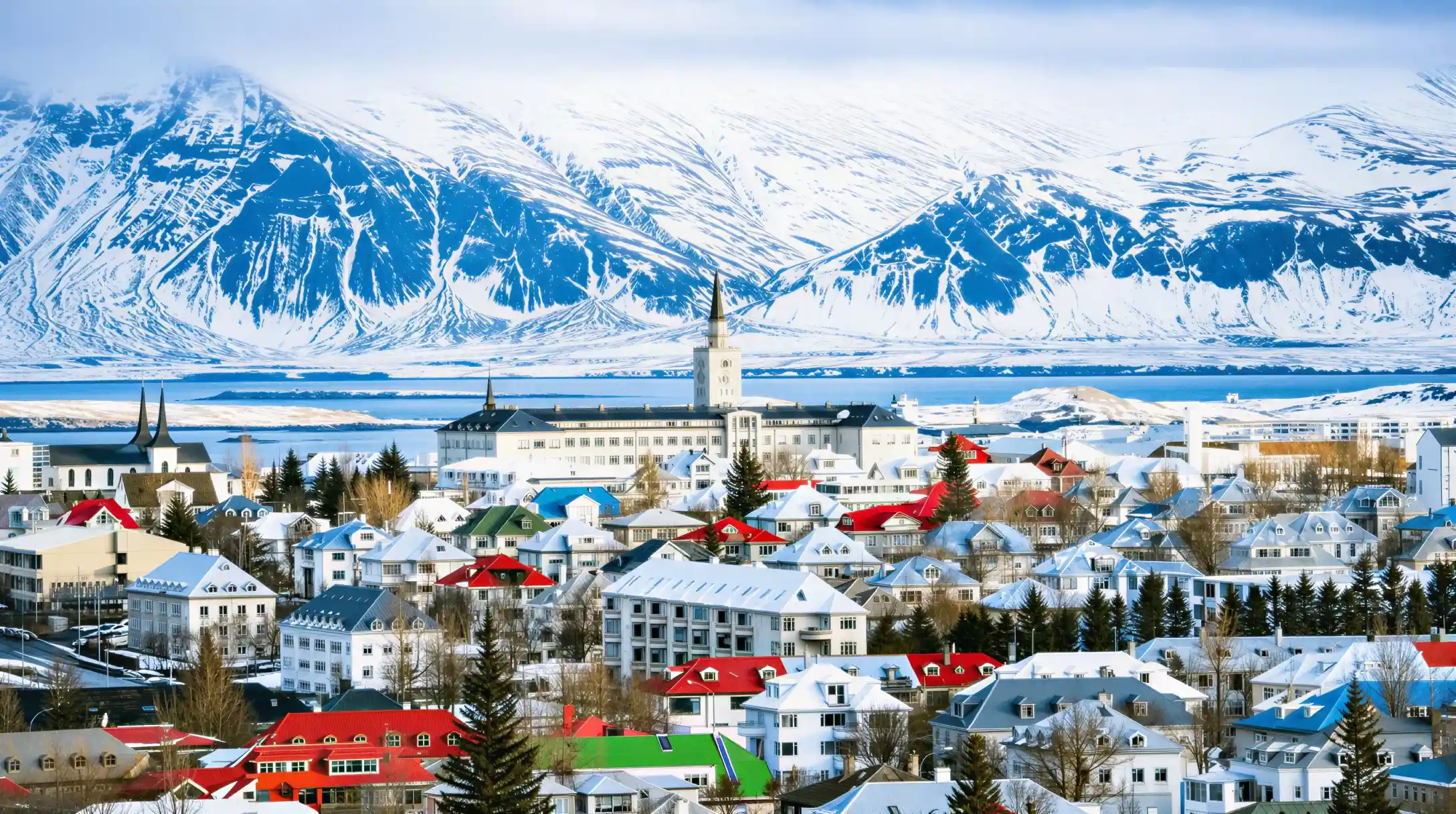
Visitors often assume Reykjavik grew slowly from a fishing village into a capital, with no single moment worth naming. The city's timeline actually runs through a handful of sharp events: a founding date recorded as tradition rather than archaeology, a Cold War chess match that put the city on the front page, and a Reykjavik summit that briefly made it the center of nuclear diplomacy. Reading these events in order explains why the compact downtown holds so many small monuments and plaques rather than one grand historical district. What follows moves from the earliest recorded settlement through to the 2008 financial crash, noting what a visitor can still see of each period.
 Our pick
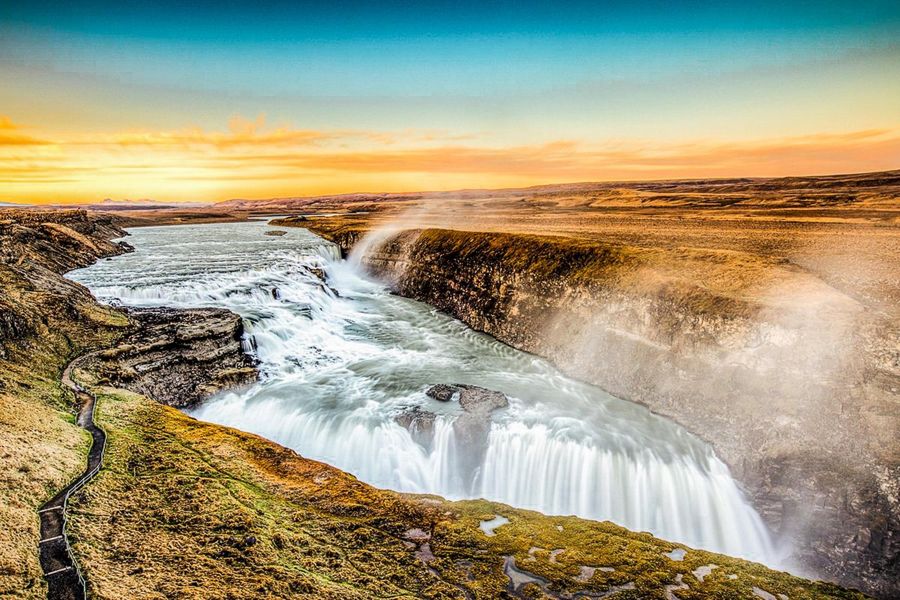
Reykjavik: Golden Circle Full-Day Tour with Kerid Crater
Golden Circle sights including Kerið crater
A first full day outside the city
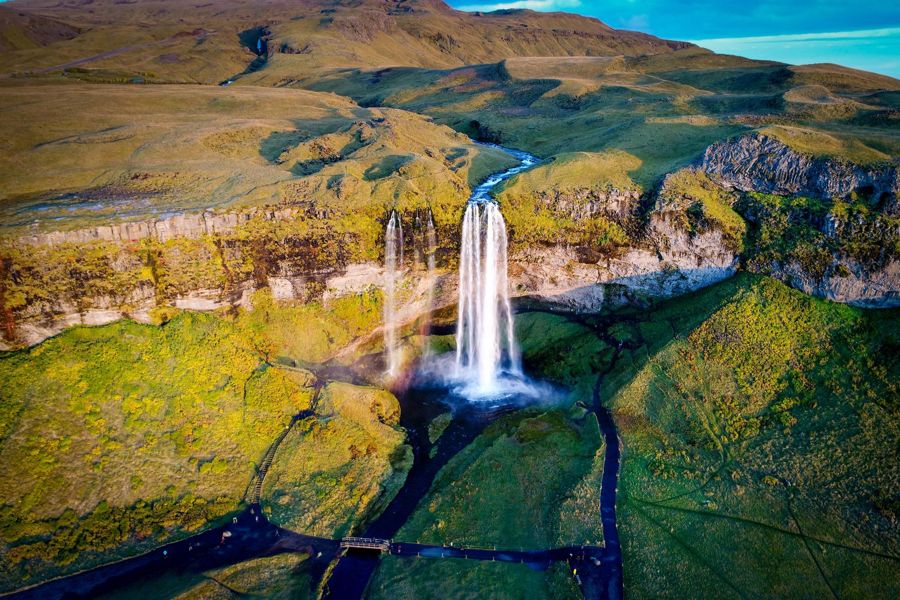
Reykjavik: South Coast Waterfalls, Black Sand & Glacier Tour
South coast waterfalls, black sand beach, glacier viewpoint
Travelers extending a history-focused city day into the countryside
Reading the city through its landmarks
A reader tracing the history of Reykjavik through guidebooks alone can miss how little of the earliest period is physically visible today. Downtown Reykjavik was rebuilt and repurposed repeatedly, so the city does not offer a continuous run of old buildings the way some European capitals do.
What survives instead is a sequence of sites tied to specific later events: a hall where a world chess title changed hands, a house where two world leaders met, and a financial district that expanded fast before 2008 and then stood as a visible marker of what changed after it. Each of these sites is walkable within the compact center, and each corresponds to one of the events covered below rather than to a single continuous museum narrative.
Treating the city's history as a set of distinct episodes, rather than one long story, matches how the sites themselves are laid out for a visitor on foot.
The 1972 world chess championship
A visitor searching for a Reykjavik 1972 fischer spassky pgn download is usually trying to relive the moves rather than plan a trip, but the match itself is one of the city's most visited historical touchpoints. The championship was played in Reykjavik in 1972, between Bobby Fischer and Boris Spassky, at the height of Cold War attention on the two players' countries.
The venue where the games were played remains one of the few sites in the city directly tied to a single, dated event rather than a longer institutional history. Visitors who know the match only from chess notation often do not expect the building itself to be a stop on a city walk.
The 1972 championship is frequently mentioned alongside the Reykjavik summit fourteen years later, since both put the city at the center of a global story for reasons that had nothing to do with Iceland's own domestic history.
The founding and the earliest settlement
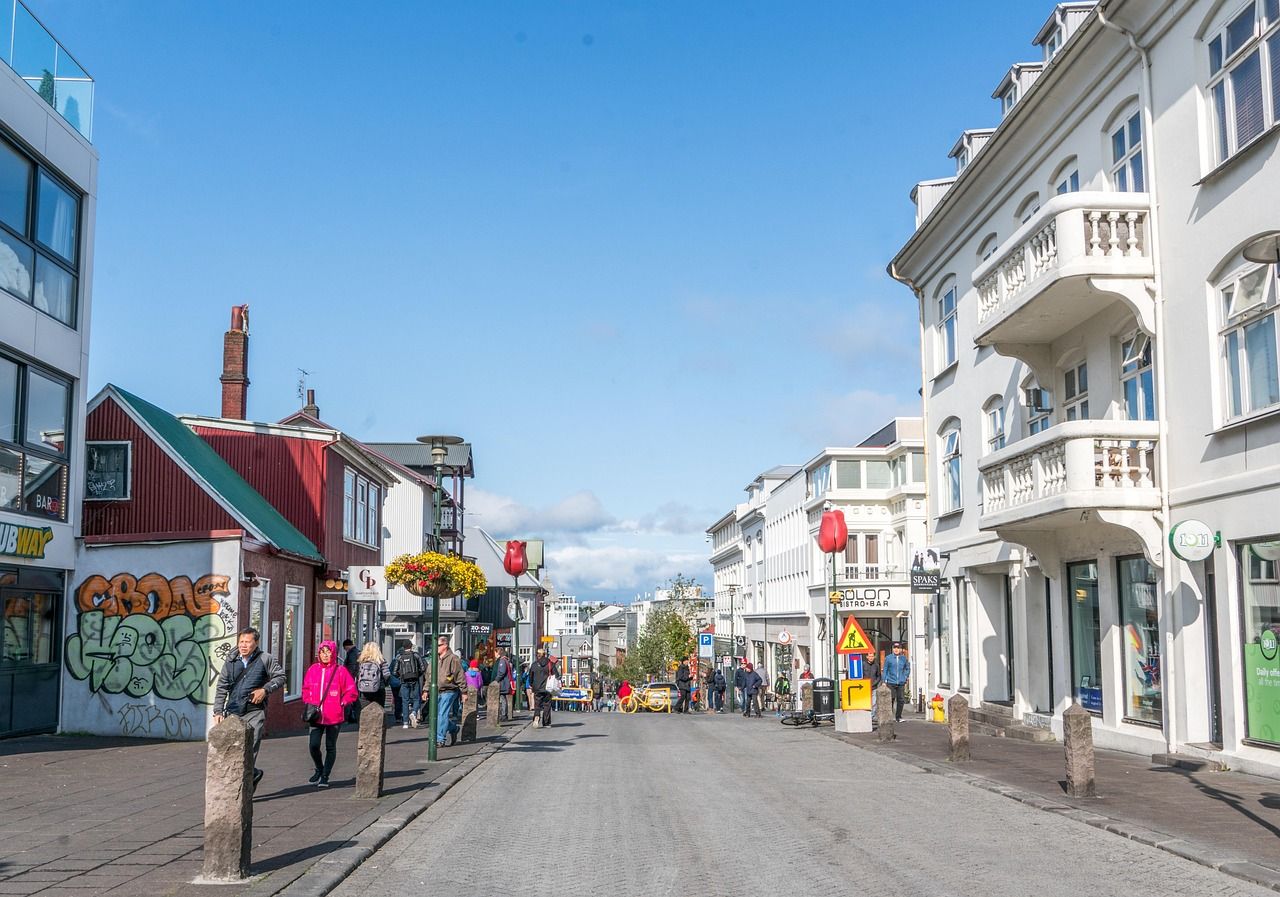
Many visitors asking when was Reykjavik founded expect a single well-documented date backed by archaeology, the way a modern city's founding might be recorded. Reykjavik's founding instead rests on a traditional settlement date of 874, a figure that comes down through saga tradition and is treated by Wikipedia as the source of record for the date, rather than through contemporary written record.
This matters for a visitor mainly in how the city presents itself: there is no single foundation-stone monument to visit, because the date is traditional rather than documentary. What the city does mark are later, better-recorded milestones, including the point at which Reykjavik was granted a municipal charter, which is treated separately from the settlement date itself.
Travelers expecting an old town built up in visible layers from 874 onward will instead find a center shaped mostly by more recent centuries, with the earliest period marked in name and tradition rather than in surviving structures.
Getting oriented before a history walk
Visitors planning to walk between the city's historical sites sometimes underestimate how compact the center actually is, and overestimate how much signage explains what they are looking at. Reykjavik's downtown places its chess, summit and financial-era landmarks within a short walking distance of each other, but few of them carry the kind of on-site interpretive panel a larger capital would provide.
Arriving with the sequence of events already in mind, rather than expecting to piece it together from plaques on the day, makes the same short walk considerably more useful. A traveler who knows which building relates to which event can cover the settlement-era references, the 1972 match site and the summit location in a single afternoon.
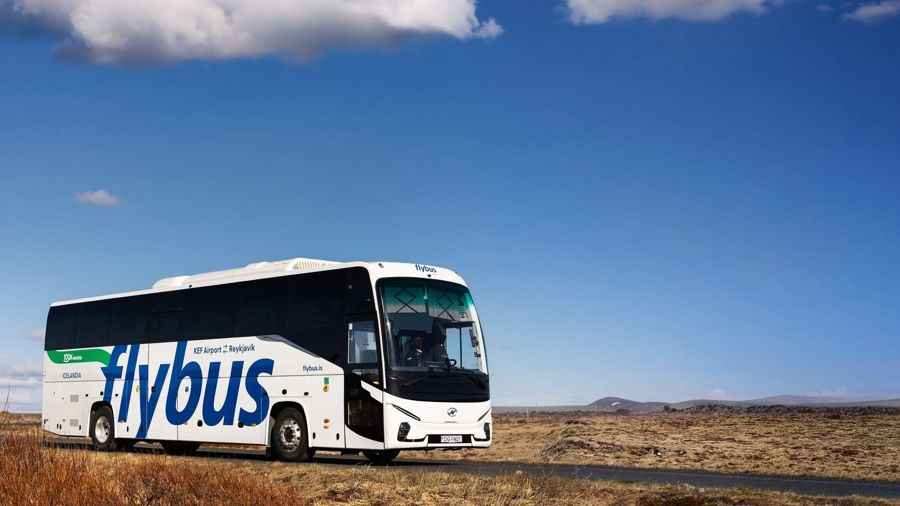
Public buses connect the airport to the city center, and the same downtown grid that holds the historical sites is where most visitors base themselves for the rest of a trip.
What the match left behind
Chess researchers looking for a Reykjavik 1972 pgn file are usually working from recorded game notation rather than planning a visit, but the physical trace of the 1972 championship in the city is still worth knowing before arrival. The hall where the games were contested remains part of the city's built history, tied to that single specific year rather than to a longer institutional story.
Because the match was played during a period of intense Cold War attention, it is remembered in Reykjavik as much for its political weight as for the chess itself. The city's association with high-stakes East-West meetings did not end with the 1972 match either, since the Reykjavik summit followed later in the same broader era of Cold War history.
A visitor with limited time is better served by treating the 1972 match and the 1986 summit as two separate stops connected by theme, rather than assuming one site covers both.
The Reykjavik summit of 1986
Visitors who know bobby fischer 1972 reykjavik as a chess story sometimes assume the city's other Cold War moment, the 1986 summit, was equally focused on a single dramatic showdown. The Reykjavik summit brought Ronald Reagan and Mikhail Gorbachev together in the city in 1986, for talks that were closely watched around the world at the time.
The building associated with the summit remains one of the more specific historical stops in the city, in the same way the 1972 chess venue is specific to that earlier event. Both sites reward a visitor who already knows the year and the two names involved, since neither is surrounded by extensive on-site exhibition space.
Together, the 1972 match and the 1986 summit account for much of the international attention Reykjavik received in the twentieth century, well before its more recent tourism growth.
The city after 1986, and into 2008
Chess fans checking the Reykjavik open chess tournament schedule are often unaware that the city's chess reputation traces directly back to the 1972 match, and that Reykjavik has kept a place in the sport's calendar in the decades since. This later chess activity sits alongside the city's other twentieth-century milestones as part of the same broader thread running through its modern history.
The period after the 1986 summit saw Reykjavik continue to grow as a capital, and by the mid-2000s the city was at the center of a rapidly expanding financial sector. That expansion ended with the 2008 crash, a collapse that is still referenced in the city today as a clear dividing line in its recent economic history.
A visitor moving from the chess-and-summit era into the 2008 crash is tracing the last major turning point covered on this page, from a city known briefly for a game and a summit to one reshaped by a financial collapse within a single generation.
Common questions
What date does the city take as its founding?
Reykjavik's founding is dated by tradition to 874, a figure that comes from saga tradition rather than contemporary written record.
What was the Reykjavik summit?
The Reykjavik summit was a 1986 meeting between Ronald Reagan and Mikhail Gorbachev, held in the city and closely watched at the time.
Where was the 1972 world chess championship played?
The 1972 world chess championship between Bobby Fischer and Boris Spassky was played in Reykjavik.
What happened in Reykjavik in 2008?
The city was affected by the 2008 financial crash, which followed a period of rapid growth in its financial sector.