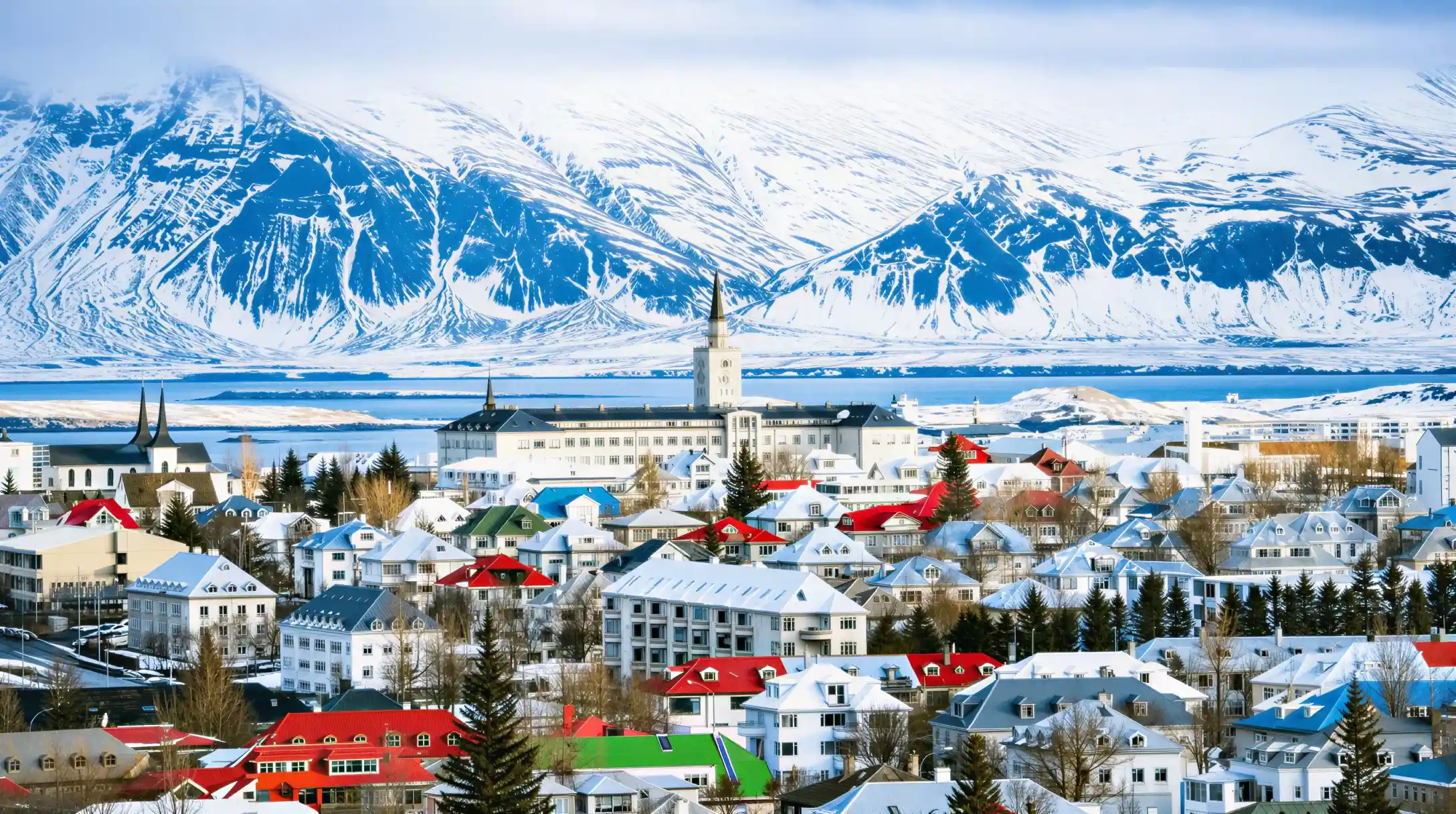
Travelers checking the clock before a flight often assume Iceland shifts its hours with the rest of Europe, and it does not. Reykjavik holds one time zone all year, with no clocks moving forward or back for any season. That single fact settles most of the confusion: whatever the offset is when a flight is booked, it stays the same on arrival, on departure and on every day between. The bigger surprise for most visitors is not the zone at all. It is the daylight, which swings from barely four hours around a December afternoon to nearly the whole day in June, a range far wider than most travelers have planned a trip around before.
Ways to spend the daylight
 Our pick
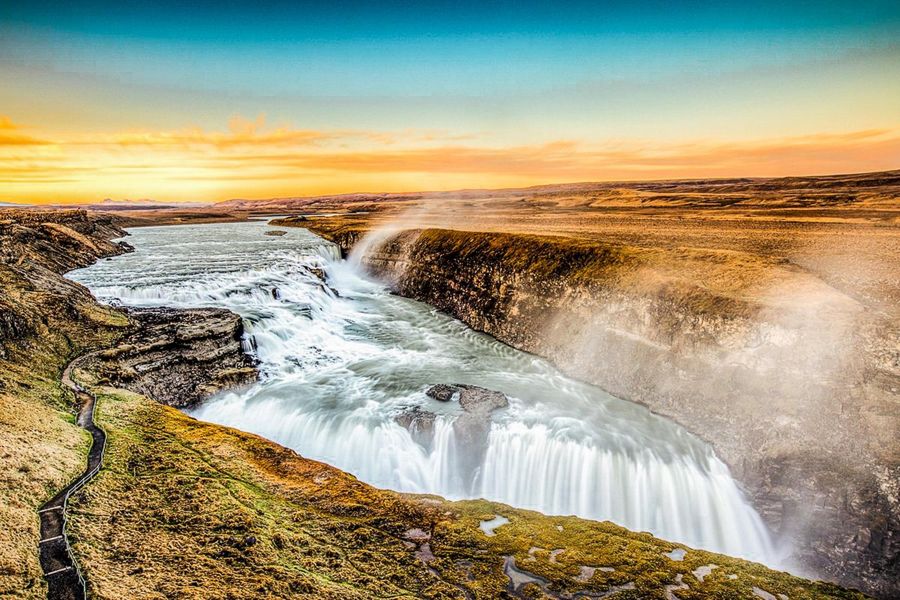
Golden Circle Full-Day Tour with Kerid Crater
4.76/5 (26,671 reviews) · Þingvellir, Geysir, Gullfoss and Kerið in one day trip from Reykjavik · Travelers with limited daylight hours who want the classic route covered in one outing
4.76/5 (26,671 reviews) · Þingvellir, Geysir, Gullfoss and Kerið in one day trip from Reykjavik · Travelers with limited daylight hours who want the classic route covered in one outing
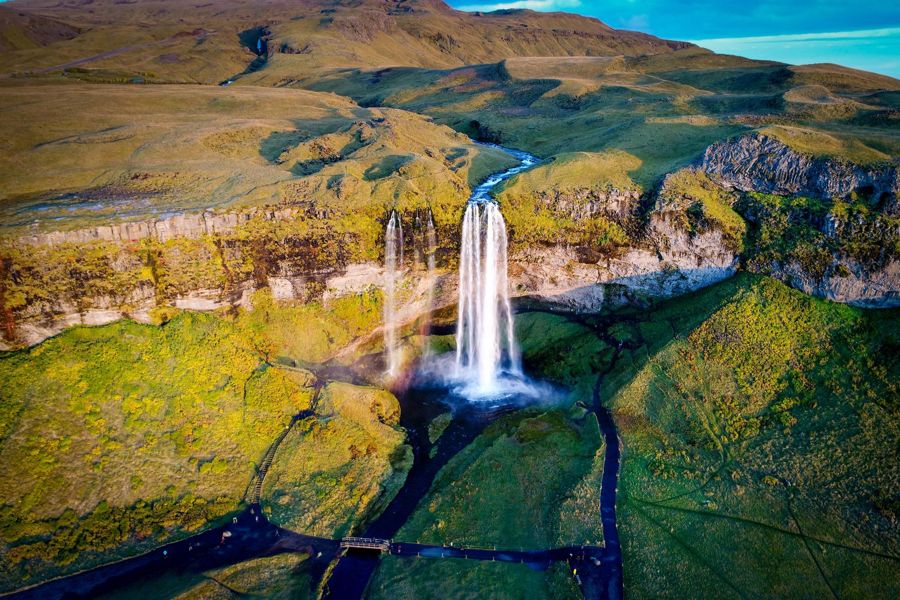
South Coast Waterfalls, Black Sand & Glacier Tour
4.76/5 (12,274 reviews) · A full-day route to Iceland's south coast waterfalls, black sand beach and a glacier stop · Visitors making the most of a long summer day outside the city
4.76/5 (12,274 reviews) · A full-day route to Iceland's south coast waterfalls, black sand beach and a glacier stop · Visitors making the most of a long summer day outside the city
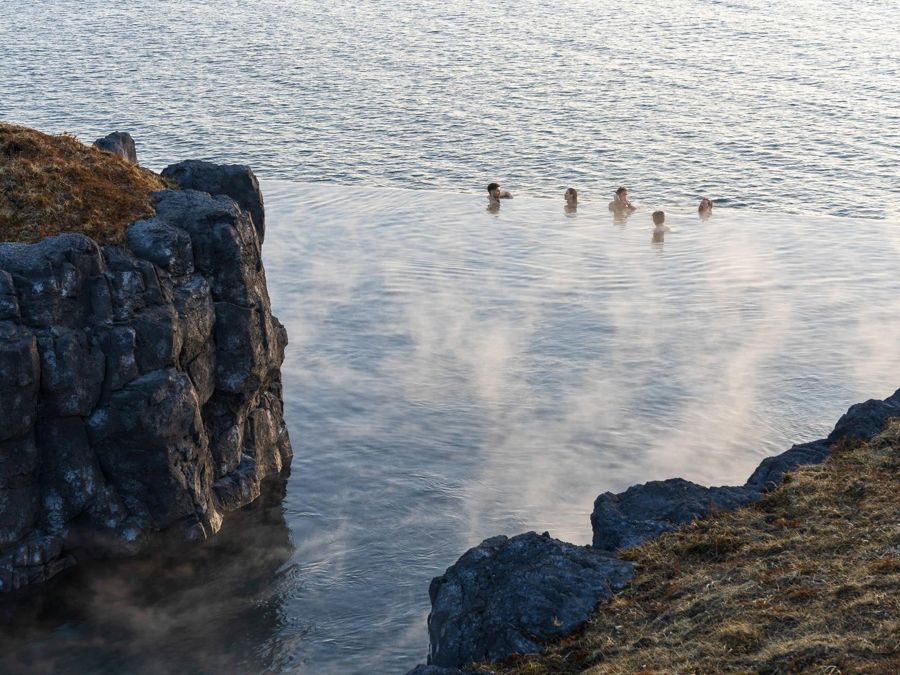
Sky Lagoon Entrance Pass With 7-Step Spa Ritual
4.83/5 (7,388 reviews) · Entry to the Sky Lagoon and its seven-step spa ritual · An evening plan that works whether the sky is still bright or already dark
4.83/5 (7,388 reviews) · Entry to the Sky Lagoon and its seven-step spa ritual · An evening plan that works whether the sky is still bright or already dark
The offset and the first sunrise
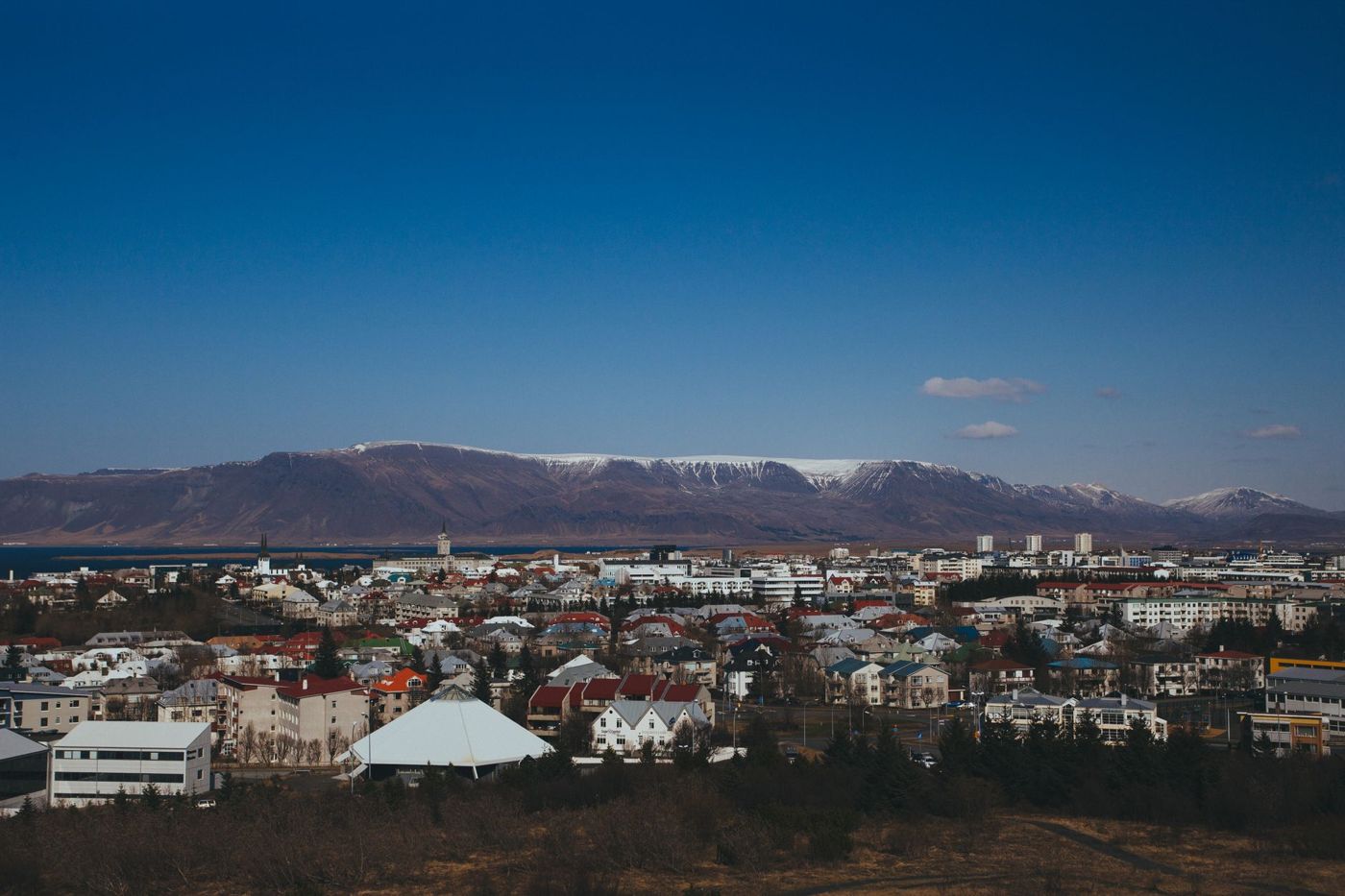
Visitors arriving from New York or Los Angeles tend to undercount the jump, since Iceland is closer to Europe on the map but its clock sits apart from both. Reykjavik runs on GMT the entire year, without the daylight saving shift that the UK and most of continental Europe apply each spring and autumn. For a reader working out the current time in Reykjavik against a home clock, that means the gap is fixed: it does not narrow in summer or widen in winter the way it would against London or Paris. A traveler in New York is five hours behind Reykjavik in January and four hours behind in July, because New York's own clock moves and Iceland's does not.
That fixed offset also means the sunrise Reykjavik travelers see on the ground does not shift for a clock change, only for the calendar. Around the December solstice, sunrise in the city is close to 11:22 in the morning, late enough that a flight landing at breakfast time can still arrive in the dark. By the June solstice, sunrise is close to 02:55, so early enough that most visitors are asleep through it. The single clock and its one offset make planning simpler than most European itineraries, even as the light itself does something few destinations do.
Reading the clock against home
Anyone checking what time is it in Reykjavik iceland from a UK phone often expects a one-hour gap that only shows up part of the year. Iceland sits one hour behind the UK for most of the year, but the UK still runs its own clocks forward each spring under British Summer Time, while Iceland's stays put. That means the gap shrinks to zero during the UK's summer clock and reopens to one hour once the UK falls back in autumn. A reader who checked the offset in July and assumes it holds in December will be an hour off without realizing why.
The same logic answers when does the sunset in Reykjavik change against a home evening. Because the zone itself never moves, only the earth's tilt changes the sunset time through the year, not any adjustment to the clock. Around the December solstice the sun sets close to 15:29 in the afternoon, well before a typical dinner hour. Around the June solstice it sets close to 00:04, technically the next calendar day, and travelers checking a phone at midnight can still see a lit sky outside the window.
What the darkest month looks like
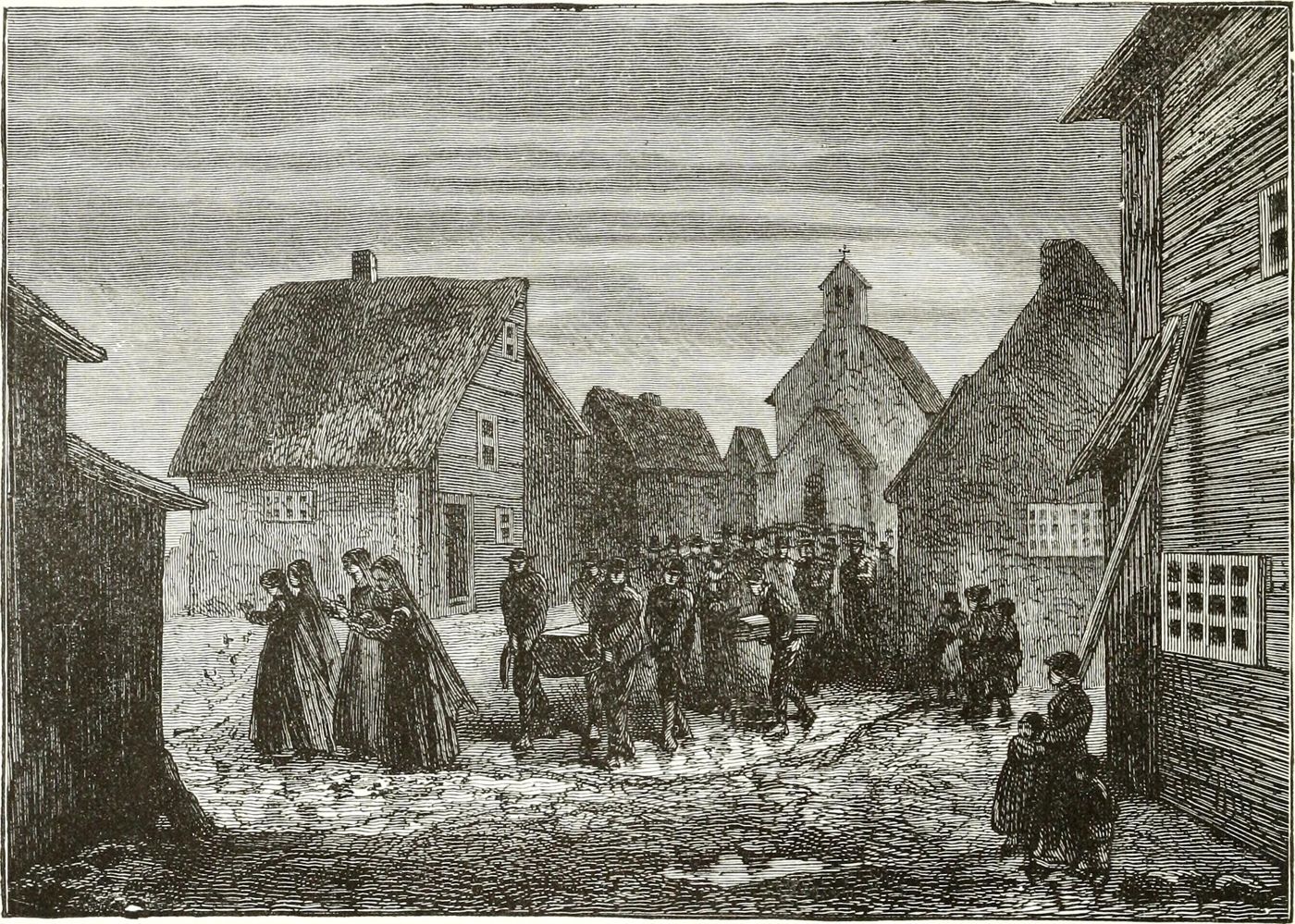
A reader picturing December in Reykjavik as one long night gets the shape wrong. There is still a working day of light, just a short one, and it sits in the middle hours rather than at the edges most travelers expect. Around the solstice, the city gets close to 4.1 hours of daylight, with sunrise near 11:22 and Reykjavik sunset near 15:29. Outside that window, streetlights and shopfronts carry the city rather than the sky.
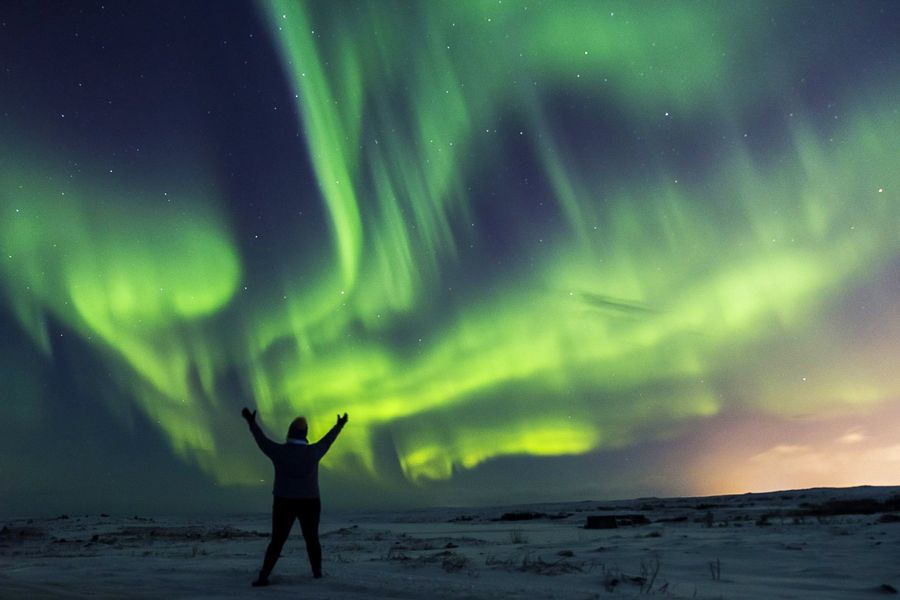
That short window changes how a day has to be built. A tour that would run comfortably from morning to late afternoon in another country needs to fit inside a much narrower midday slot here, and an itinerary planned around a typical nine-to-five clock will find the light gone before the day is supposed to end. The compressed daylight is also why the aurora season overlaps this stretch of the year: the long dark that frustrates daytime sightseeing is the same dark that makes an evening sky worth watching.
What the brightest month looks like
Travelers checking the time in Reykjavik now during a June trip often find it hard to tell evening from afternoon, since the light barely changes for hours at a stretch. Around the June solstice, daylight reaches about 21.2 hours, with sunrise near 02:55 and sunset not until roughly 00:04 the following day. Iceland's Met Office and locals both describe the short stretch of dim rather than dark sky around midnight this time of year as the bright night, since full darkness does not arrive at all that close to the solstice.
That length of daylight changes what fits into a single day. A full-day tour that leaves Reykjavik in the morning and returns after dinner still comes back with hours of light left, and an evening walk at ten o'clock looks like mid-afternoon anywhere else. The same stretch of bright sky that extends a day trip also rules out the aurora entirely, since a display needs a dark sky to be seen against, and June offers none.
- June
- 21.2 h · about 02:55 · about 00:04 (next day)
- December
- 4.1 h · about 11:22 · about 15:29
How the swing builds through the year
A traveler comparing a March trip to a July one often expects a gradual, minor difference and instead finds two very different cities in terms of light. Reykjavik daylight hours climb from the short December window toward the long June one steadily across the spring, then fall back the same way through autumn, with the steepest change happening around the equinoxes in March and September rather than near either solstice. Two weeks in April can add close to an hour of daylight, a pace that would be unremarkable at lower latitudes but is fast enough here to notice trip to trip.
That steep middle stretch is why shoulder-season visitors sometimes struggle to plan around daylight the way summer or winter visitors can. A fixed itinerary built in early March around a certain sunset time can be outdated by the time the trip departs in April, simply because the swing moves faster in these months than in the depths of either season. Understanding the shape of the curve, not just the two extremes, is what keeps a shoulder-season schedule realistic.
| Month | Average high | Average low |
|---|---|---|
| January | 3.2 °C (37.8 °F) | -1.7 °C (28.9 °F) |
| June | 13.0 °C (55.4 °F) | 7.2 °C (45.0 °F) |
| December | 3.3 °C (37.9 °F) | -1.6 °C (29.1 °F) |
- Average high
- 3.2 °C (37.8 °F)
- Average low
- -1.7 °C (28.9 °F)
- Average high
- 13.0 °C (55.4 °F)
- Average low
- 7.2 °C (45.0 °F)
- Average high
- 3.3 °C (37.9 °F)
- Average low
- -1.6 °C (29.1 °F)
Why the zone stays fixed
A common assumption among visitors is that any country this far north must run on a clock similar to its European neighbors, changing twice a year like the UK or the rest of the EU does. The Reykjavik time zone breaks that pattern: Iceland stays on GMT permanently, with no daylight saving adjustment applied at any point in the year. According to the US Department of State's country information for Iceland, travelers should confirm current entry and travel conditions directly rather than relying on assumptions carried over from nearby countries, and the same caution is worth applying to the clock.
Because the zone itself never shifts, the practical effect on a trip is entirely about the offset from home rather than about Iceland changing anything. A visitor from the UK feels the gap open and close as British clocks move; a visitor from the US East Coast feels the gap narrow by an hour each spring and widen again each autumn, for the same reason. Iceland's contribution to that arithmetic is a constant, which makes it the easier of the two clocks to plan around once it is understood.
Planning a day around the light
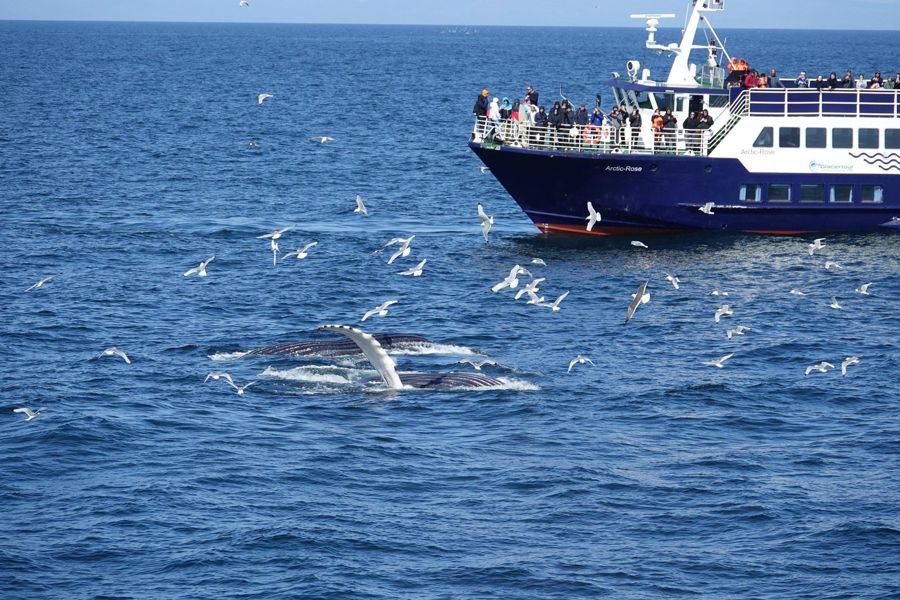
Visitors mapping out a single day in Reykjavik often build a schedule around clock hours rather than around the Reykjavik sunrise sunset window itself, which is the more useful frame here. A June day with light from roughly 02:55 to past midnight leaves room for a full-day tour, an evening walk and still a bright sky at bedtime. A December day framed instead by sunrise near 11:22 and sunset near 15:29 asks for the opposite approach: booking anything outdoors for the narrow midday stretch and treating the rest of the day as dark regardless of the clock.
The UK Foreign, Commonwealth and Development Office's travel advice for Iceland covers seasonal road and weather conditions that shift with this same daylight pattern, and it is worth checking alongside any outdoor plan built around the shorter winter window. Between the two solstices, a traveler gets every length of day in between, and matching an itinerary to the actual sunrise and sunset rather than to a generic daily schedule is what keeps a trip on time.
Common questions
Does Iceland change its clocks for daylight saving?
No. Iceland keeps a single time zone all year and does not move its clocks forward or back at any point.
How many hours of daylight does Reykjavik get in December?
Around 4.1 hours near the solstice, with sunrise close to 11:22 and sunset close to 15:29.
How many hours of daylight does Reykjavik get in June?
Around 21.2 hours near the solstice, with sunrise close to 02:55 and sunset close to 00:04 the following day.
Is Reykjavik ever fully dark in June?
No. Around the solstice the sky dims rather than fully darkens overnight, a period known locally as the bright night.
Why does the gap to UK time change through the year?
Iceland's clock stays fixed while the UK moves its own clocks forward in spring and back in autumn, so the one-hour gap closes and reopens on the UK's schedule, not Iceland's.