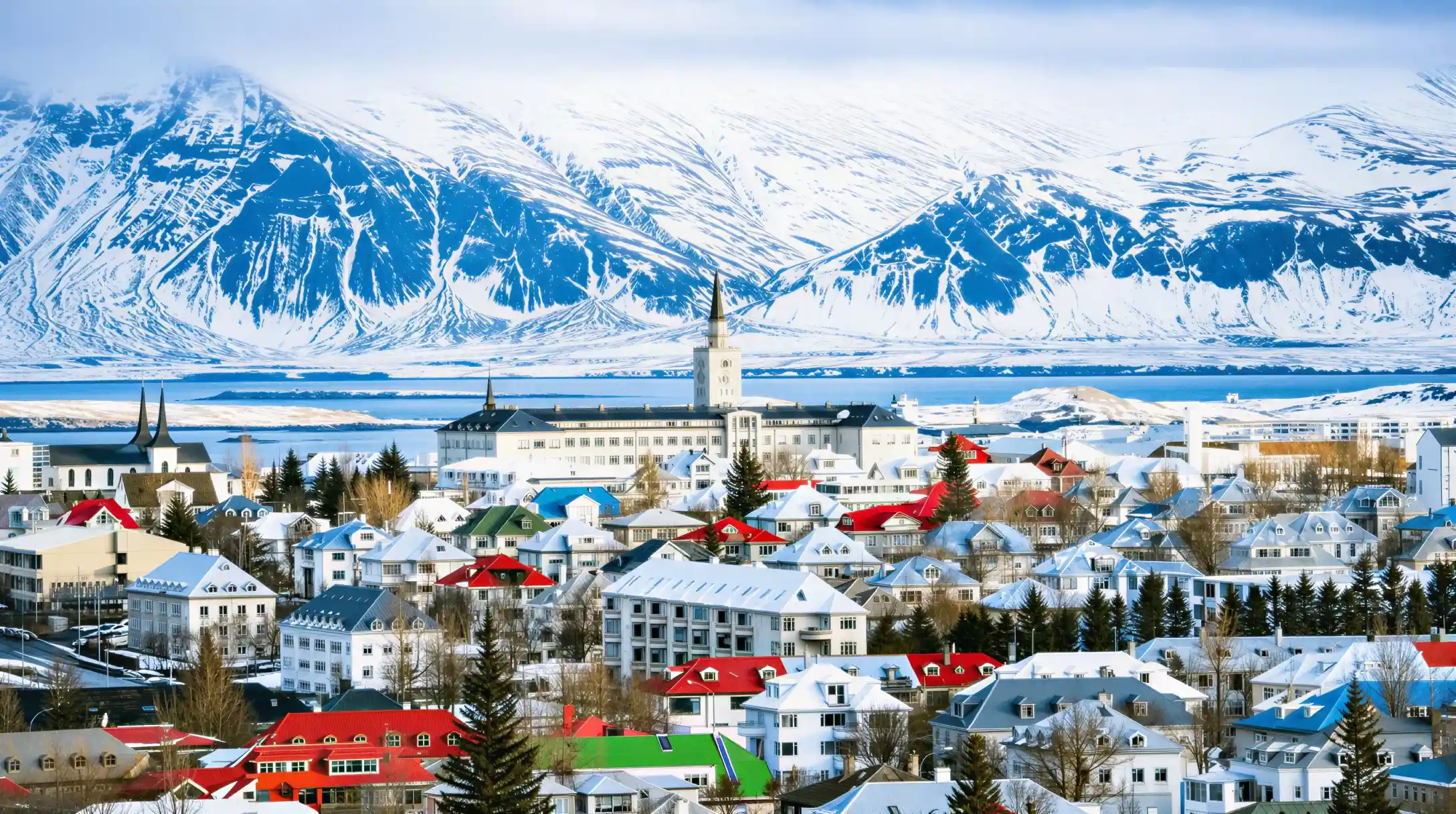
A camera on a tripod at midnight in July catches nothing but a bright sky, and a booking made for the wrong month is the most common mistake behind a disappointing photo tour iceland trip. Reykjavik's light changes by the week, not the season, and what a lens needs in June is close to the opposite of what it needs in December. This page settles which months suit which kind of shoot, what a photography guide adds over a standard driver, and what gear and settings the cold and the dark actually demand. Northern lights, ice caves, black sand beaches and the endless daylight of the summer nights each want a different plan, and conflating them is how a trip gets booked for the wrong week. The rest of the page works through each one in turn, with the timing that makes or breaks it.
 Our pick
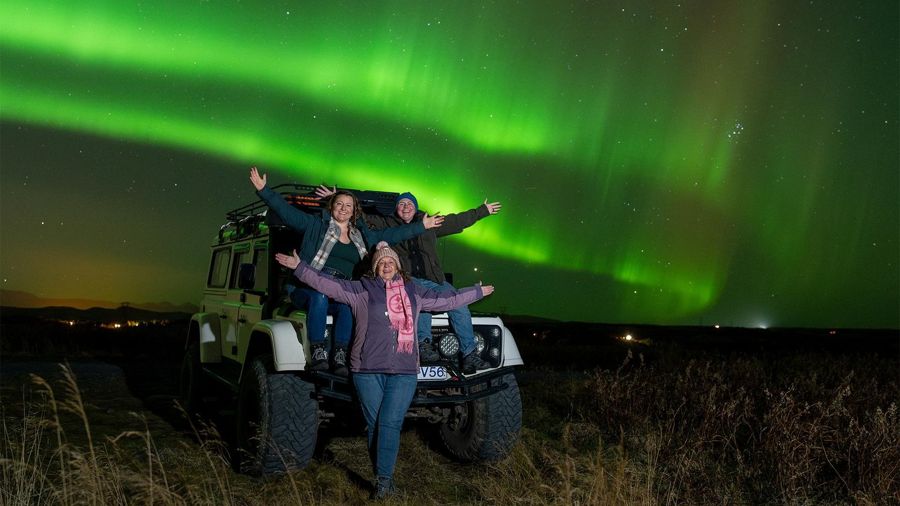
Premium Northern Lights Hunt in Iceland with Photography
Northern lights hunt with a photography-focused guide
Travellers who want camera coaching built into the hunt
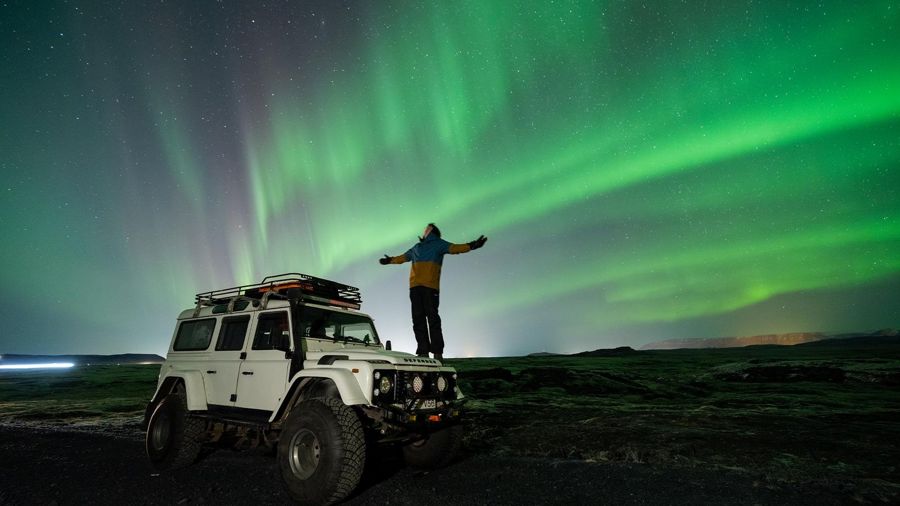
Private Northern Lights Hunt in Iceland with Photography
Private northern lights hunt with photography guidance
Small groups wanting a private vehicle and pace
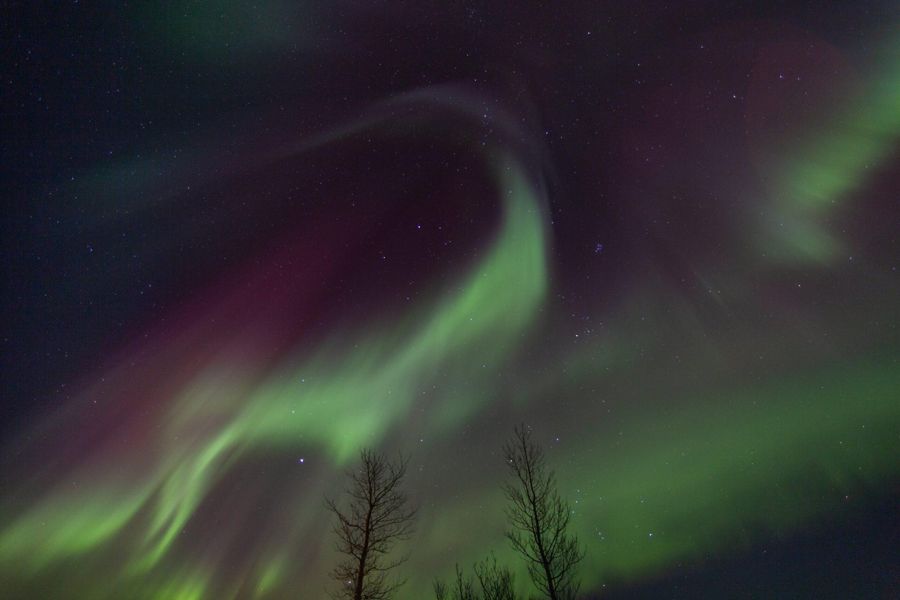
Reykjavik: Northern Lights Hunt with Photography Coaching
Northern lights hunt departing Reykjavik with coaching on camera settings
First-time night photographers based in the city
Choosing between a driver and a guide who shoots
A standard sightseeing tour gets a traveller to a location and back on schedule, and that is often the wrong priority for photography, where the best light can arrive ten minutes after the group is meant to leave. A photography tour iceland operator plans stops around light rather than around a fixed itinerary, and that distinction is easy to miss when comparing listings that look similar on paper. Reading a product description for the word "photography" is not enough, since a generic driver will sometimes tack on a stop at a well-known viewpoint without changing the pace of the day around it.
The difference shows up most at the northern lights, where a hunt with a photography-trained guide will choose a location for a clear line of sight away from streetlights and will help with manual focus and long exposures once there, rather than leaving each traveller to work out camera settings in the dark. It also shows up on black sand beaches, where a guide familiar with the tide and the sneaker-wave risk at a site can hold a group at a safe distance while still framing a usable shot, instead of keeping everyone well back from the whole scene out of caution. A traveller comparing two similar-priced tours does better to read what the guide actually does at each stop than to trust the word "photo" in the title alone.
Group size matters as much as the guide's background. A private tour moves at one group's pace and can wait for a break in cloud or a better angle, while a larger shared vehicle works to a schedule that has to suit everyone on board. Neither is wrong, but a traveller who wants long exposures without hurrying should know which one they have booked before the night starts, not after.
What darkness actually buys a night shoot
Reykjavik's daylight swings from 21.2 hours in June to 4.1 hours in December, and that single figure explains most of the confusion around when to book a night photography trip. A traveller who books a summer week expecting a dark sky for long exposures or for a northern lights hunt is working against the season itself, since near-constant daylight leaves no dark window at all, whatever the forecast says about clear skies.
Winter reverses the problem. Short days mean the light for landscape photography is compressed into a few hours around a low sun, and the same hours leave a long stretch of real darkness afterward for night work. That trade is worth planning around rather than working around on the day, since a itinerary built for a summer pace will waste the short winter daylight commuting between stops instead of shooting in it.
The shoulder months sit between the two extremes, with a daylight window long enough for daytime landscape stops and a dark window still long enough for a night shoot afterward. A traveller choosing between a summer and a winter trip for photography is really choosing between long bright days with no night sky at all, and short bright days paired with long true darkness.
Ice caves, glaciers and the season that limits them
Natural ice caves are a winter product only, open roughly from November to March, and a listing that offers one outside that window is selling the man-made Langjökull tunnel or the Katla cave instead, which are open all year but are a different kind of shoot entirely. A traveller planning a natural ice cave trip around a summer visit is planning around a season that has already closed, and no amount of booking flexibility changes that.
The two kinds of cave photograph differently as well as open differently. A natural cave carries the blue of compressed old ice and changes year to year as the glacier moves, which is part of why operators will not promise a specific formation from one season to the next. A man-made tunnel is stable and lit for visitors, which makes it easier to shoot on a tripod but gives a more uniform result than the natural formations.
Cold affects the equipment before it affects the photographer. Batteries drain faster in sub-zero temperatures and a camera brought straight from a warm vehicle into cold air fogs on the lens, so most guides build in a short interval before shooting starts. None of this is specific to caves, but it matters more inside one where the light is already low and a fogged lens costs a shot that will not repeat.
Black sand beaches and the risk a photograph can hide
A black sand beach photographs well precisely because of the conditions that make it dangerous, and the two facts do not cancel each other out. Sneaker waves can run further up a beach than the pattern of the previous ten suggests, and a photographer backing up for a wider frame is one of the more common ways a visitor ends up caught by one. A guide who works these beaches regularly will set a line the group does not cross regardless of how the shot looks from a few steps closer.
Composition on these beaches usually depends on foreground interest such as basalt columns or ice fragments washed up from a nearby glacier lagoon, set against the darker sand and the sea beyond. A wide-angle lens close to the ground is the more common choice here than a long lens, since the texture of the sand and rock is doing as much of the work as the horizon line. Overcast light suits this kind of shot better than direct sun, which tends to blow out the pale foam against the dark sand.
Winter light lengthens the golden hour at these coastal stops since the sun sits lower for longer, which gives a photography-focused itinerary more usable time at a single beach than the same stop would offer in summer. That is one more reason the season a trip is booked in changes the plan more than the beach itself does.
- Daylight in June
- 21.2 hours
- Daylight in December
- 4.1 hours
- Aurora season
- Late August to mid-April
- Natural ice cave season
- Roughly November to March
The northern lights season and what bounds it
The aurora season runs from late August to mid-April according to the Icelandic Meteorological Office, and it is bounded by darkness rather than by the aurora itself: the display can be active in June as well, but with 21.2 hours of daylight that month there is no dark sky left to see it against. That single point resolves most of the confusion around booking a summer trip for the lights, since no operator can produce a dark sky that does not exist that month.
Within the season, cloud cover matters more night to night than the calendar does, and a guide's job on a hunt is largely about driving toward the clearest sky rather than staying in one place and waiting. Checking the Icelandic Meteorological Office's aurora forecast before a trip gives a sense of the activity forecast, though a clear sky matters more on a given night than a high forecast number does if the cloud sits over the whole capital area.
A longer stay improves the odds more reliably than any single choice of tour does, since a hunt can be repeated on a following clear night if the first one is clouded out. Multi-night packages exist for this reason, and a traveller booking a single night in the aurora season should treat that night as one attempt rather than a guarantee.
- Reykjavik daylight, June
- 21.2 hours
- Reykjavik daylight, December
- 4.1 hours
- Aurora season bounds
- Late August to mid-April, bounded by darkness
Midnight sun nights and the summer alternative
The same daylight figures that rule out the northern lights in summer make the season for a different kind of night photography, since a near-midnight sun sits low on the horizon for hours rather than setting outright. A traveller visiting in June trades the aurora for a long, soft, low light that lasts through what would be the evening in most other places, and that light suits landscape work that a harsh midday sun would not.
Timing a summer shoot around this low sun means working late rather than early, since the light quality late in the evening through to the small hours is closer to a sunrise or sunset elsewhere than to a normal midday. A photography guide working this season plans stops for that stretch rather than for the middle of the day, which is often the flattest light of a 21.2-hour day.
This is also the easier season logistically, since there is no need to wait for full darkness before a shoot can start, and no risk of a clouded-out night ending a trip's only attempt at a shot. What summer gives up in aurora chances it makes back in a longer, more forgiving window for landscape and coastal work.
Gear, settings and what the cold changes
A tripod is close to mandatory for both the northern lights and any low-light interior such as an ice cave, since handheld shots at the shutter speeds these scenes need will blur. A remote shutter release or a camera's timer function avoids the small shake of pressing the button directly, which matters more at longer exposures than most travellers expect the first time they try one.
Cold weather changes battery life more than it changes anything else in a kit. A battery that reads full in a warm hotel room can drop sharply within an hour outside in freezing temperatures, so carrying a spare kept in an inside pocket close to body heat is a common fix rather than a luxury. Condensation on returning indoors is the other recurring problem, and letting a camera warm up inside a sealed bag before opening it avoids fogging the lens and the sensor housing.
Manual settings matter more here than on a typical daylight trip. Autofocus tends to hunt in the dark and against a plain night sky, so switching to manual focus set at infinity before the shoot begins saves time once the light or the lights themselves appear. None of this is complicated, but it is worth doing before the group leaves rather than while everyone else is already shooting.
Common questions
Is a photography tour worth it over a regular sightseeing tour?
It depends on the stop and the season. For a night shoot such as the northern lights, a guide trained in camera settings and site selection changes the outcome more than on a daytime coastal drive.
Can the northern lights be photographed in summer?
The lights can be active, but Reykjavik's 21.2 hours of daylight in June leave no dark sky to see them against. The season runs from late August to mid-April instead.
What is the best month for ice cave photography?
Natural ice caves are open roughly November to March. Outside that window, the options are the man-made Langjökull tunnel or the Katla cave, which are open all year but photograph differently.
Do I need special gear for a night photography tour?
A tripod and a spare battery kept warm are the two most useful items, since cold weather drains batteries faster and any exposure long enough for the lights or a dark interior needs a stable camera.