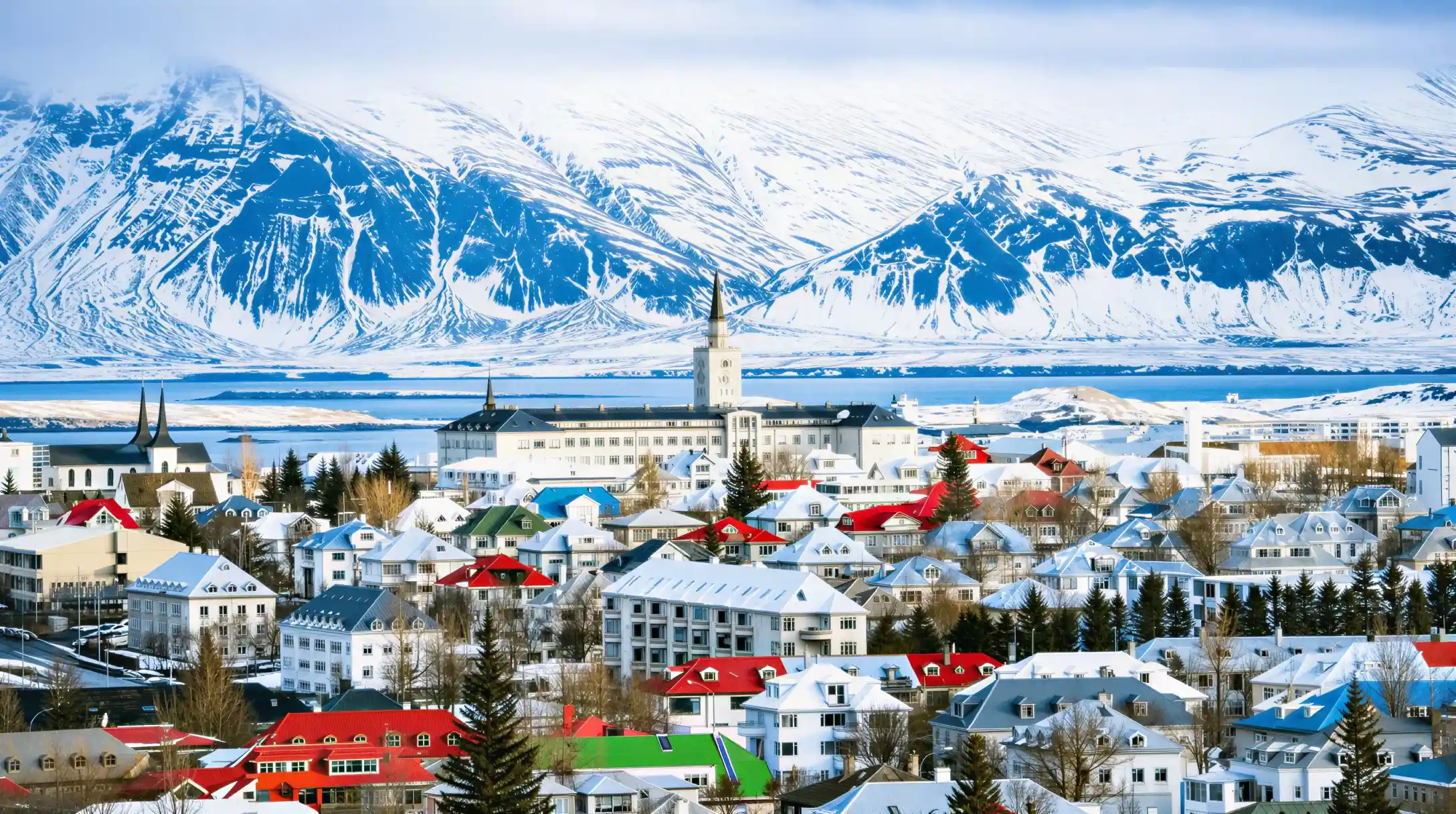
Most people planning a trip to Reykjavik start with a date already fixed by flights or work, then try to make the rest of the wish list fit around it. That backwards order is why so many arrive expecting the northern lights in July or a warm hike in January. This page settles it the other way: name what matters most, and the right month follows. Five things drive the choice: the aurora, the midnight sun, the budget, the crowds and open hiking trails, and no single month wins on all five at once.
 Our pick
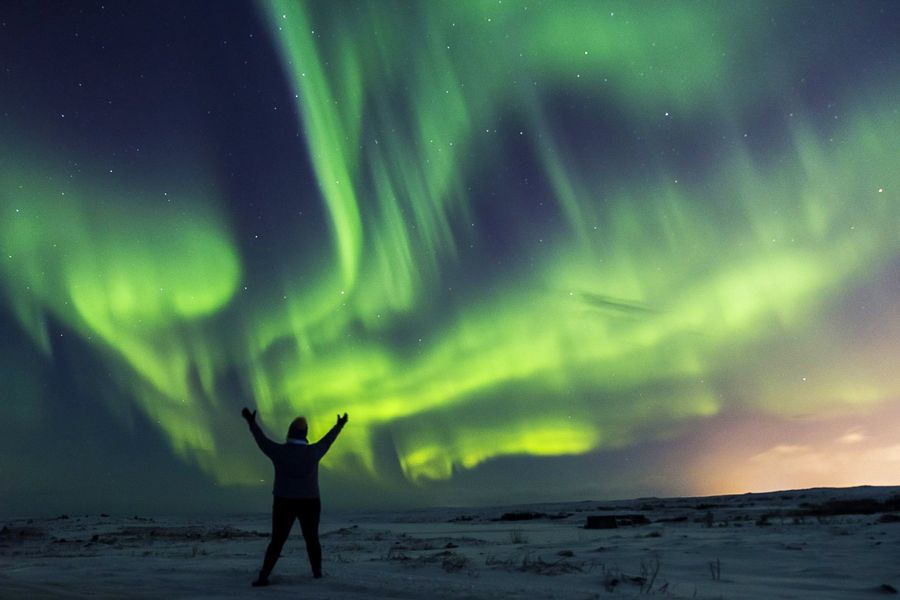
From Reykjavik: Northern Lights Bus Tour with Hot Cocoa
Guided evening coach departure from Reykjavik with a hot cocoa stop and a second attempt on a clear night if the first is clouded out
Travellers whose trip is built around seeing the aurora
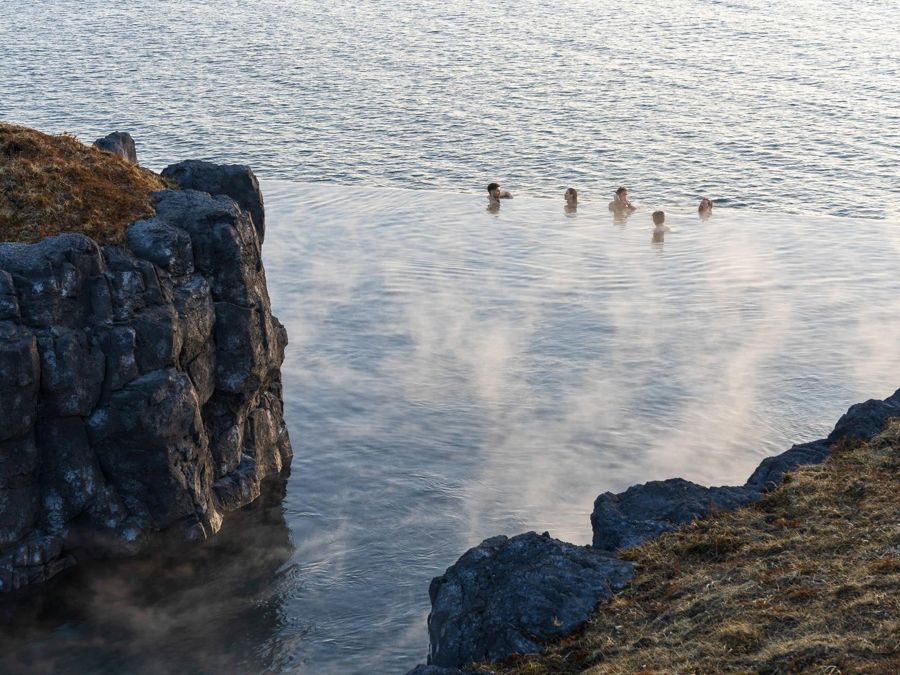
Reykjavik: Sky Lagoon Entrance Pass With 7-Step Spa Ritual
Timed entry to the Sky Lagoon and its seven-step spa ritual
Travellers who want a warm, low-effort highlight in any season
Chasing the northern lights
The aurora is not a summer sight, however clear the forecast reads. Reykjavik keeps 21.2 hours of daylight in June, and no display shows through a sky that never gets properly dark. The season runs from late August to mid-April, bounded by darkness rather than by the aurora itself, so the practical mistake is booking a July trip around a phenomenon that has nowhere to appear.
The Icelandic Meteorological Office publishes a nightly forecast, and it is worth checking a week or two before travel rather than trusting a fixed date on a tour listing. Winter also brings the darkest, longest nights, which is an advantage for aurora hunting and a genuine cost for everything else on a trip: shorter museum hours, colder waterfalls, and hiking trails that are closed or dangerous rather than simply quieter. Anyone choosing a month for the lights alone should accept that the same choice removes hiking and daylight sightseeing from the itinerary, not soften the trade-off by picking the edges of the season and hoping for both.
- Daylight in June
- 21.2 hours
- Daylight in December
- 4.1 hours
- Aurora season
- Late August to mid-April
- Puffin season
- Roughly May to August
- Highland road F208 opens
- Around 2 June
- Highland road F225 opens
- Around 16 June
- Landmannalaugar season (FÍ bus)
- About 20 June to 15 September
- Natural ice caves
- Roughly November to March
Midnight sun, puffins and the short window for both
The reverse mistake is coming for the light and finding the things that need darkness gone. June's 21.2 hours of daylight makes for long, easy sightseeing days and lets an evening drive feel like mid-afternoon, but it rules out the aurora completely for the length of the stay. Puffins are on the islands off Reykjavik roughly May to August, which overlaps the brightest months well and gives the midnight sun traveller something specific to plan a boat trip around rather than a generic summer visit.
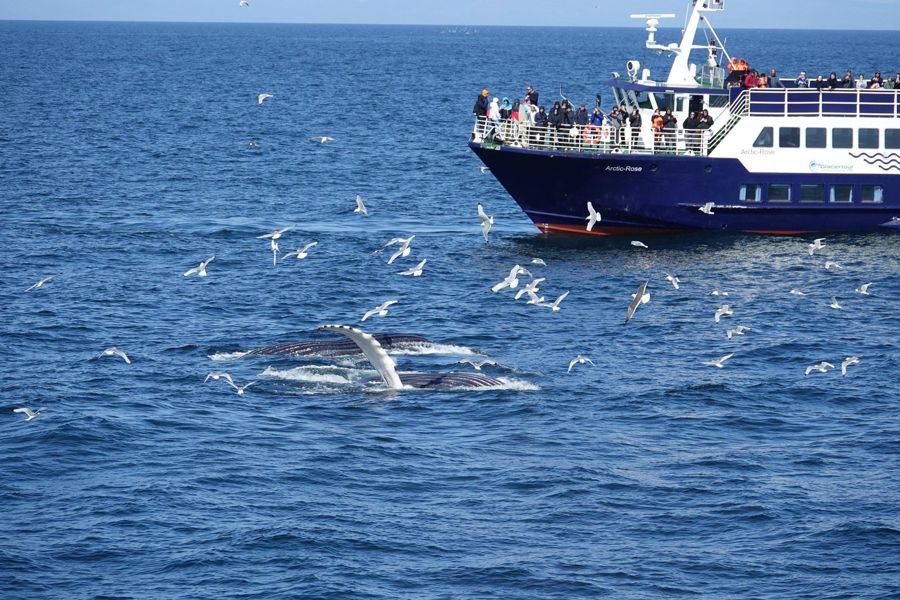
Whale sailings run all year with a strong summer skew, so a July or August booking has better odds than a December one, though no operator can promise a sighting in either season. The trade a summer traveller is making, whether or not it is stated on the page selling the trip, is daylight and access against the two things winter offers instead: darkness for the aurora and lower demand on some of the most photographed sights in the country. Neither season is more correct, only better matched to a different list of five priorities.
Budget and crowds move together, not separately
Prices and demand rise and fall together in Reykjavik rather than independently, so a traveller optimising for budget is usually also choosing the quieter months, and the two goals rarely conflict the way lights and sun do. The shoulder months either side of the summer peak tend to carry lighter demand on tours and accommodation than the height of July and August, without the darkest, coldest stretch of winter attached to them.
Currency is the króna and the country runs on cards everywhere, so a travel budget is set by exchange rate movement and by what gets booked, not by how much cash to carry. Lagoon and spa prices are a fixed cost regardless of month: Sky Lagoon's Saman pass runs from 14,990 ISK and the Sér pass from 17,990 ISK, and neither moves with the season. Anyone travelling to a fixed budget gets more from choosing April, May, September or October than from chasing a lower headline price in the depths of winter, since the savings on lodging and tours in the shoulder months are consistent where a single winter discount fare is not.
Hiking, the highlands and the roads that decide it for you
Hiking plans are constrained by road openings more than by weather forecasts. The F-roads into the highlands are gravel, unpaved and closed by the state road authority until conditions allow safe passage, not on a fixed calendar date. F208 opens around 2 June on average and F225 around 16 June, and Ferðafélag Íslands runs its Landmannalaugar bus from about 20 June to 15 September, which sets the real window for that specific hike regardless of what a July itinerary assumes.
A traveller building a highland trip around a spring or early-June date is planning around roads that may not be open yet; the Vegagerðin road authority publishes the openings each year and is the only source worth checking before booking transport or a guided hike into that terrain. Lower-elevation trails near Reykjavik itself are more forgiving and rarely depend on the same seasonal closures, so the highland-specific window matters most to travellers with one particular hike already chosen rather than to a general Reykjavik itinerary.
Put the five together and pick one
No month wins on aurora, midnight sun, budget, crowds and hiking at once, because the first two are mutually exclusive and the other three move with them rather than against them. A traveller who wants the northern lights above everything else is choosing winter, and with it darkness, cold and closed highland roads, and should stop weighing the other four once that priority is fixed. A traveller who wants the midnight sun, puffins and open hiking trails is choosing summer, and with it the higher demand and prices that come with the peak months.
The shoulder seasons, roughly April to May and September to October, are the answer for anyone who wants a lighter budget and thinner crowds more than either extreme, accepting a shorter aurora window and highland roads that may still be closed at the edges. Reading the twelve month pages after choosing a priority fills in the specific figures, the road dates for that particular year and the exact temperature range; this page's job was only to turn the want into the month.
Common questions
Can the northern lights and the midnight sun both be seen on the same trip?
No. The aurora needs a dark sky, and Reykjavik has no true darkness through the midnight sun months, so the two are mutually exclusive within a single visit.
Is winter definitely cheaper than summer?
Winter and the shoulder months both tend to be cheaper than the July to August peak, but the shoulder months offer that saving without the darkest, coldest weeks attached to it.
What happens if the highland roads are still closed when I arrive?
Routes like Landmannalaugar stay off limits until the road authority opens them, which varies by year; lower-elevation trails near Reykjavik are unaffected and remain a fallback.
Do I need to pick just one priority?
Most travellers rank two or three of the five factors and accept a compromise on the rest; naming the top priority first is what makes the month choice quick rather than open-ended.