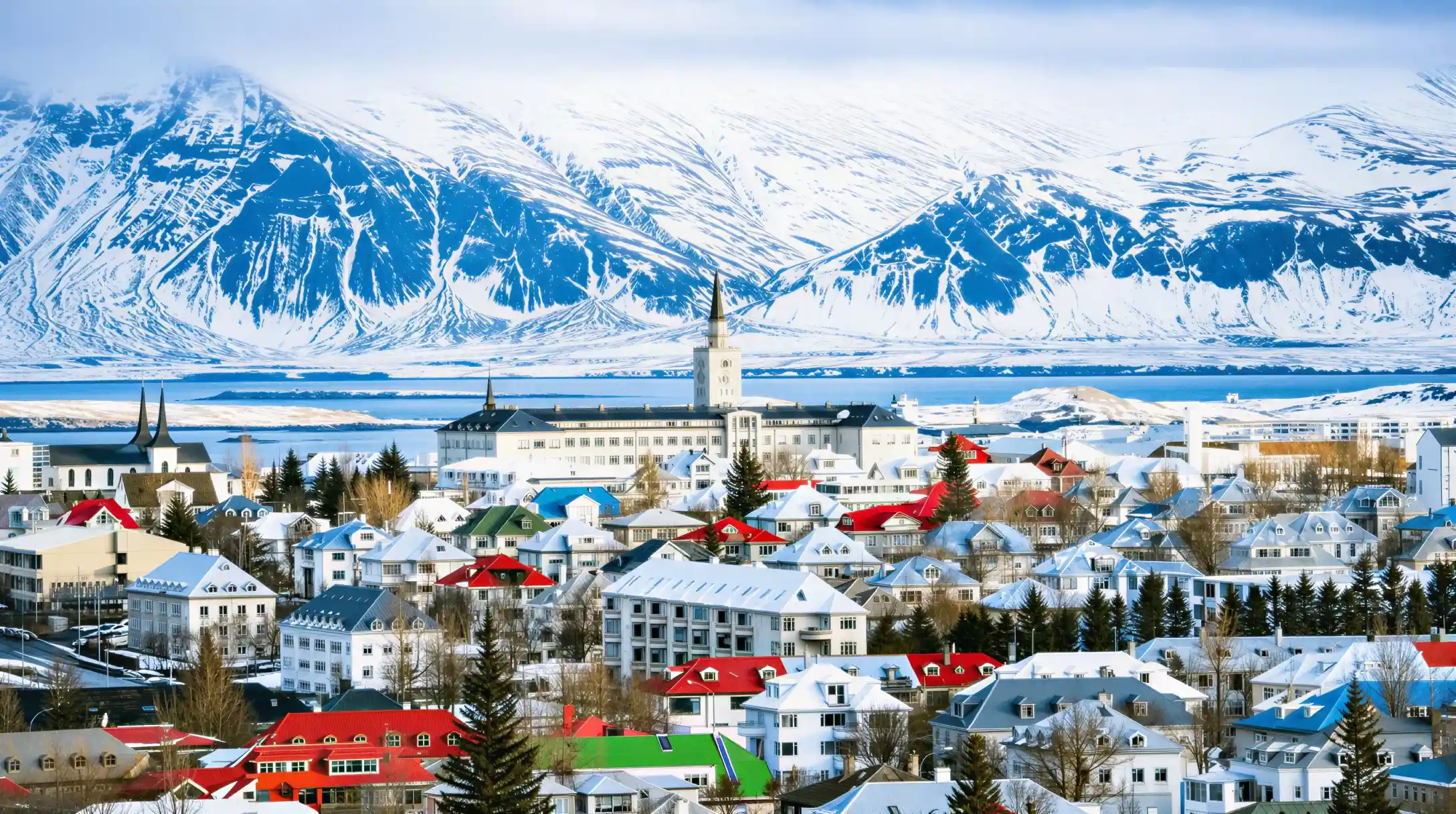
Booking a place to stay in Reykjavik usually starts with a map and a price, and both are misleading on their own. A hotel five minutes from Laugavegur can cost less than one twenty minutes out by bus, because the price follows the season and the building more than the address. The choice that actually matters is what a location buys back in walking time, in quiet, and in what is open nearby after dark, set against what the calendar is doing to availability that month. Reykjavik hotels range from small guesthouses converted from townhouses to larger international-brand properties near the harbour and the bus terminal, and the difference between them is rarely the star rating on the listing. This page settles how neighbourhood, season and room type interact for a short stay, so the decision that follows is about the trip, not the search result. It leaves the naming of specific properties to the directories linked below, organised by budget, by apartment stays and by area.
 Our pick
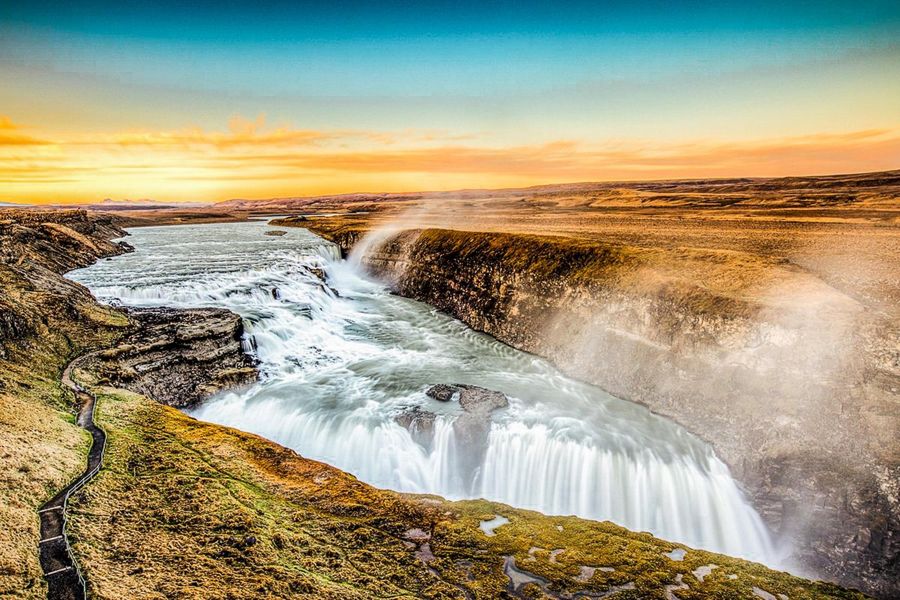
Reykjavik: Golden Circle Full-Day Tour with Kerid Crater
Full-day guided coach tour, Þingvellir, Geysir, Gullfoss and Kerið crater
A first full day out of the city without renting a car
Keflavik Airport (KEF): Bus Transfer to/from Reykjavik
One-way or return coach transfer between the airport and central Reykjavik
Getting from the airport to a hotel without arranging a taxi
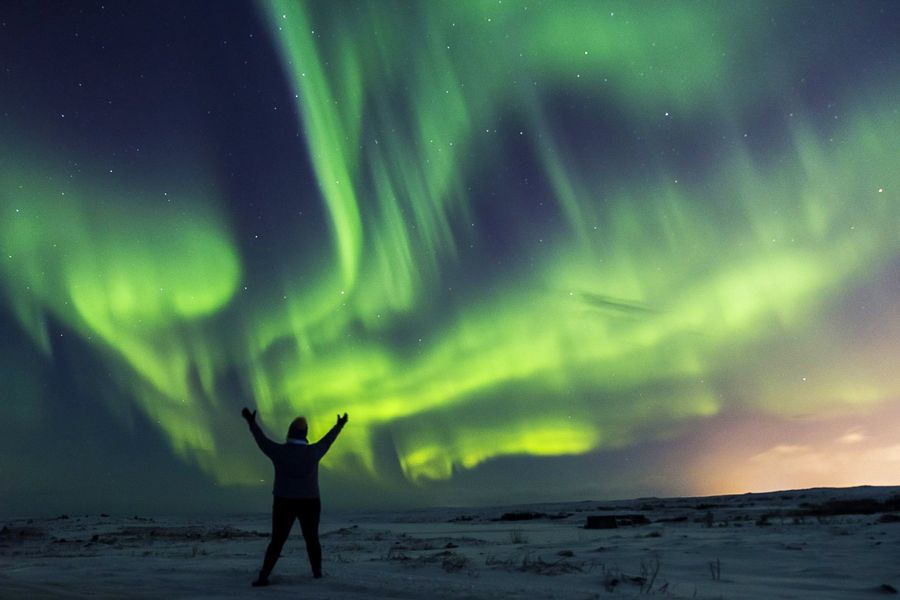
From Reykjavik: Northern Lights Bus Tour with Hot Cocoa
Evening coach tour away from city light pollution, hot cocoa included
Guests staying centrally who want an evening out chasing the aurora
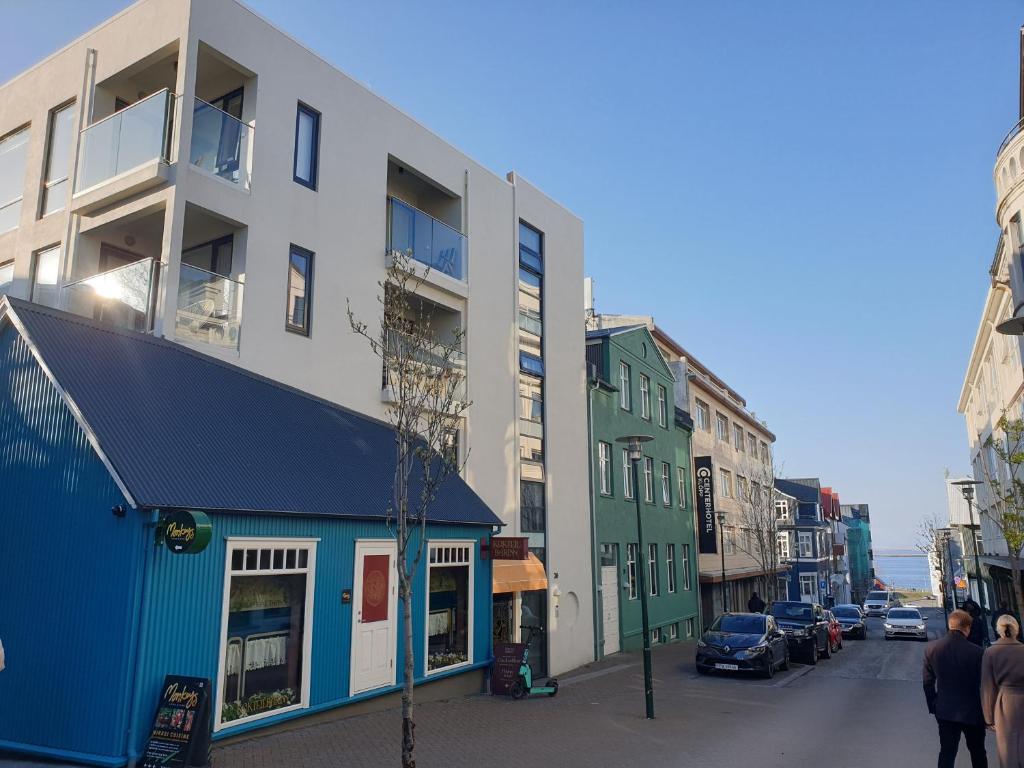
The instinct is to book the hotel closest to the dot on the map marked "old town" and assume that settles the trip. What that shortcut misses is that Reykjavik's centre is compact enough that an extra ten or fifteen minutes of walking rarely changes the trip, while the noise level of the street a hotel sits on changes every night of it. Laugavegur and the streets just off it carry bars and restaurants that stay busy into the early hours on weekends, and a room facing that street is a different stay from a room one block back facing a courtyard. A guest who wants to walk out of a restaurant and be at the front door in five minutes trades away a quiet night; a guest who values the second gives up nothing by staying a fifteen-minute walk from the harbour, since buses and the compact street grid make that distance easy in most weather.
The other mistake is judging distance in kilometres rather than minutes on foot, which is the unit that actually governs a Reykjavik stay. A hotel 1.5 kilometres from the main square can be a flat fifteen-minute walk along a direct street, or a longer one broken by a hill and a wider road crossing, and the map does not show the difference. Before booking, it is worth tracing the actual walking route from a hotel to the places the trip is built around, rather than trusting the straight-line distance a booking site shows by default. A room's outlook matters as much as its distance: a north-facing room over a quiet residential street sleeps differently from a south-facing one over a road used by delivery traffic from early morning.
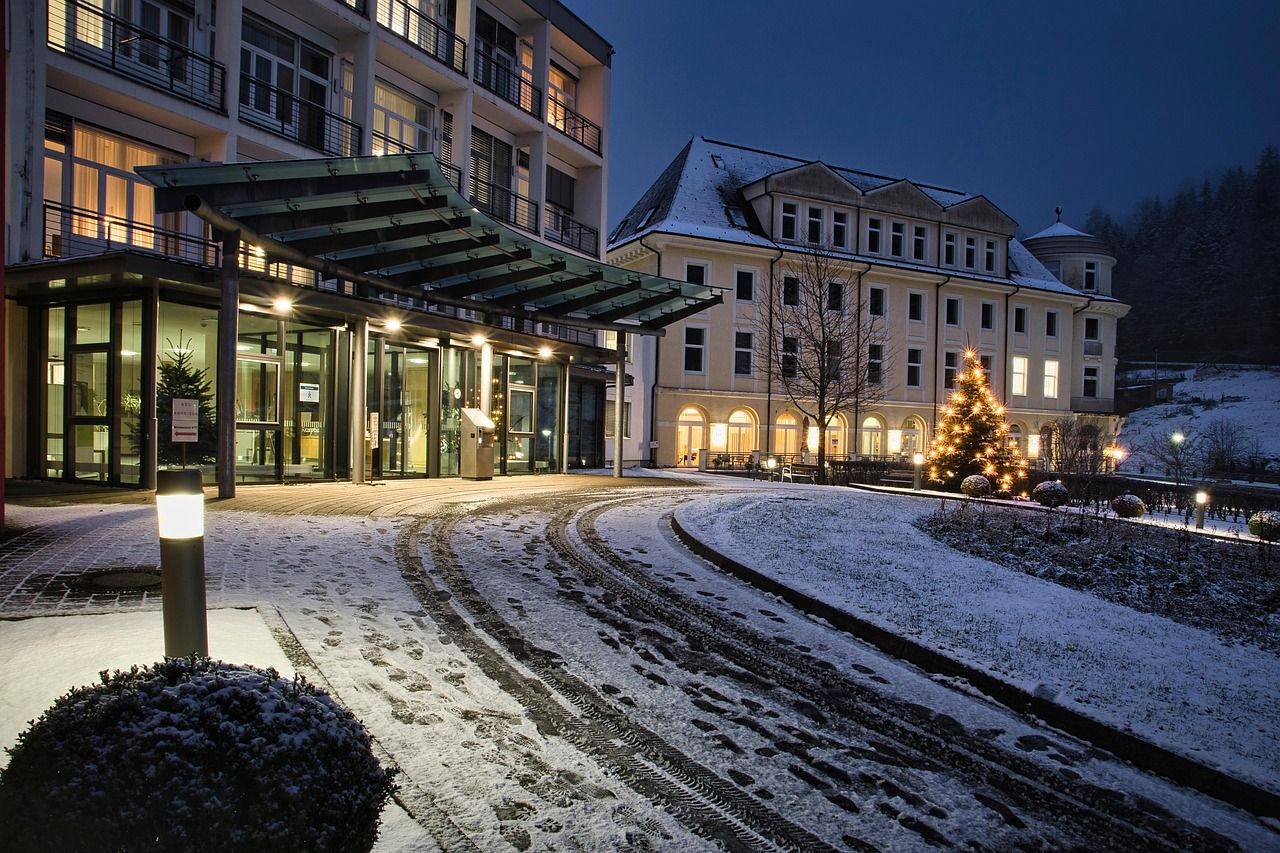
A common assumption is that anywhere in central Reykjavik puts a guest equally close to everything worth doing after dinner, and that is not quite true once the evening moves indoors. Escape rooms Reykjavik listings cluster in a handful of streets downtown, alongside bars, small cinemas and late-opening cafes, and a hotel two or three streets outside that cluster can mean a longer walk back after an evening activity than the daytime map suggested. The practical fix is to check not just distance to the main square but distance to whichever specific streets the evening's plans sit on, since downtown Reykjavik is smaller than it looks on a phone screen but its edges are less well lit and less busy late at night than the core.
The other detail that gets missed is that evening activities booked for a group often run later than posted, particularly in high season when demand pushes extra sessions into the schedule, so a hotel that felt close enough at 6pm can feel like a longer walk back at 11pm. Guests who plan an evening built around downtown activities do better booking within the core grid of streets rather than on its edge, even if the room itself costs a little more, because the difference shows up at the end of the night rather than during the day when transport options are more visible and more frequent.
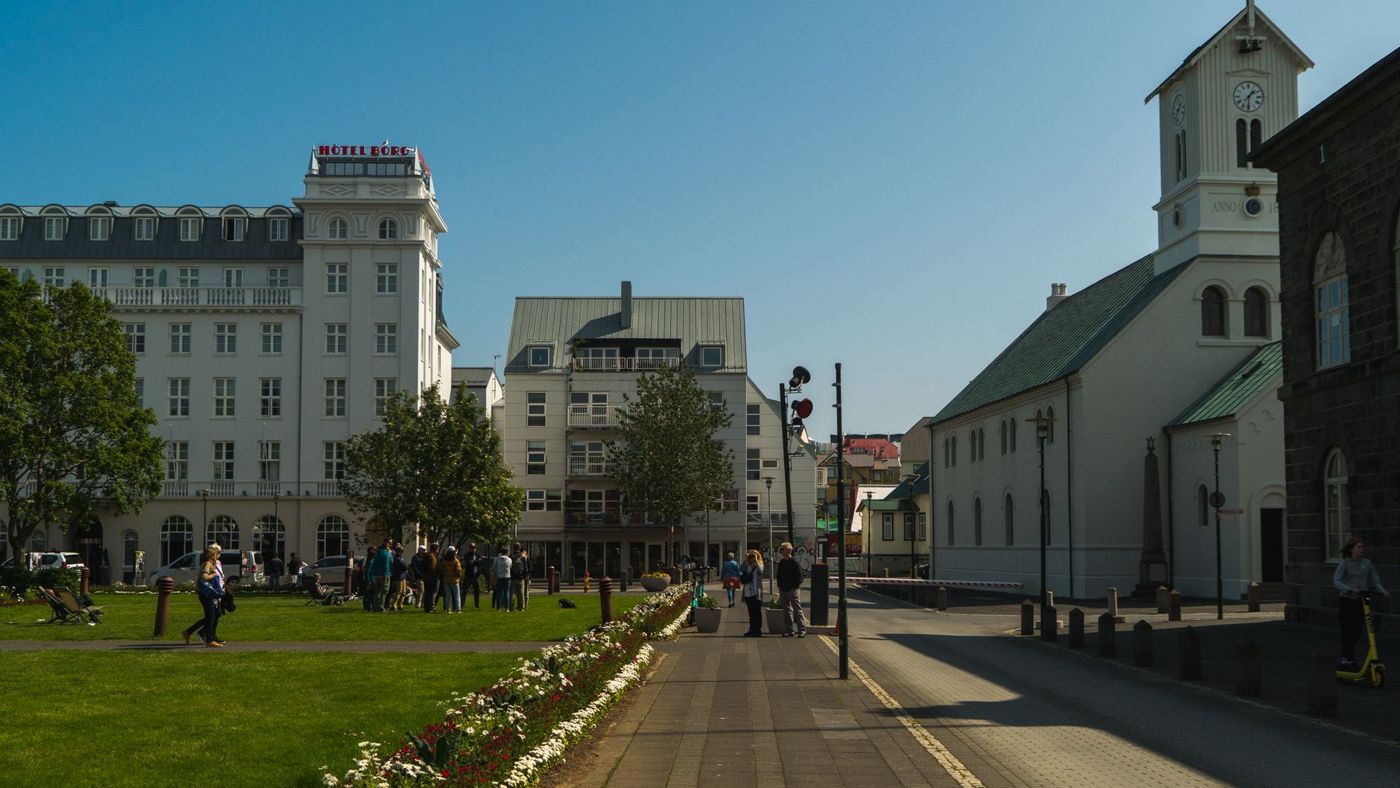
Not every stay needs to sit inside the downtown grid, and assuming it must is where some bookings go wrong on price without gaining anything on convenience. Hotels near Reykjavik, in the suburbs and along the ring road toward the airport direction, often cost less per night for a larger room, and they suit a traveller who plans to rent a car and treat the city as a base rather than the destination itself. What that trade gives up is the ability to walk to dinner without planning for it, and it adds a bus fare or a taxi to most evenings out, which is a cost that does not show on the room rate but adds up over several nights.
The mistake is choosing an out-of-centre hotel purely on price and only discovering the transport gap after arrival, when the bus timetable and the walking distance to the nearest stop turn out to matter more than expected. Checking the specific bus route and its last departure time back to the hotel is worth doing before booking, not after, particularly for a stay planned around evening tours that return to a central pickup point rather than to the hotel door itself. A car changes this calculation completely, since a suburban hotel with parking included removes the transport question rather than creating it.
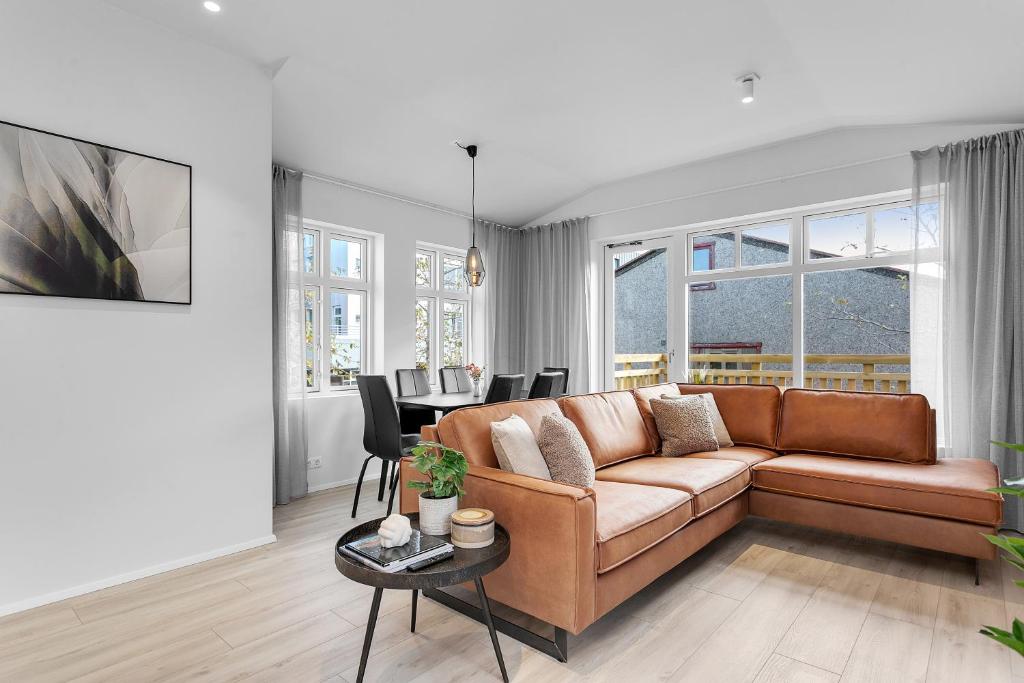
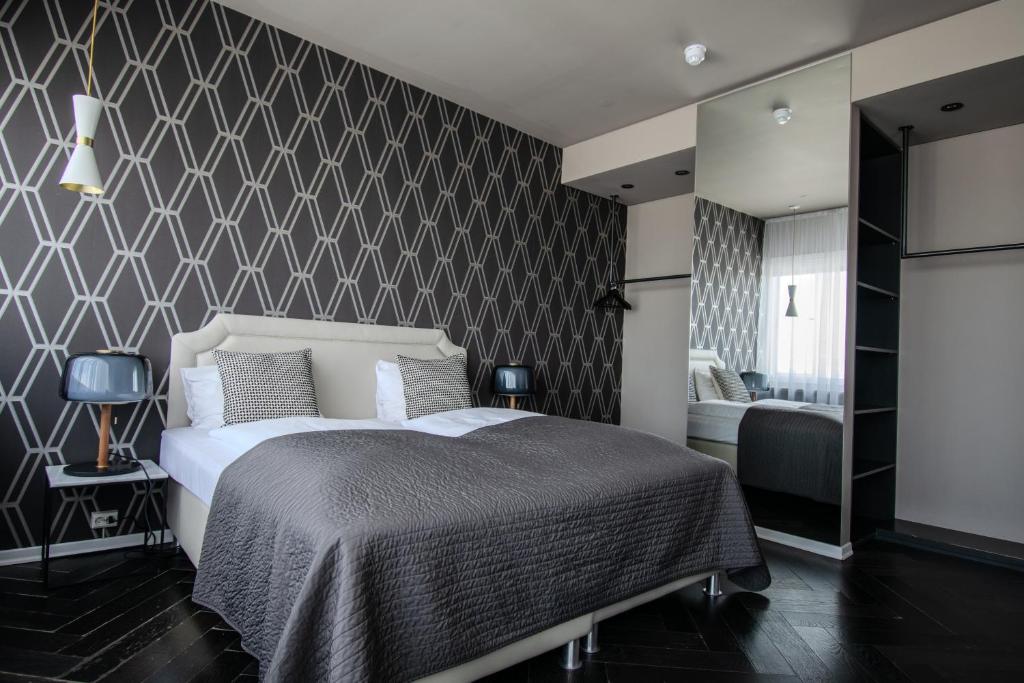
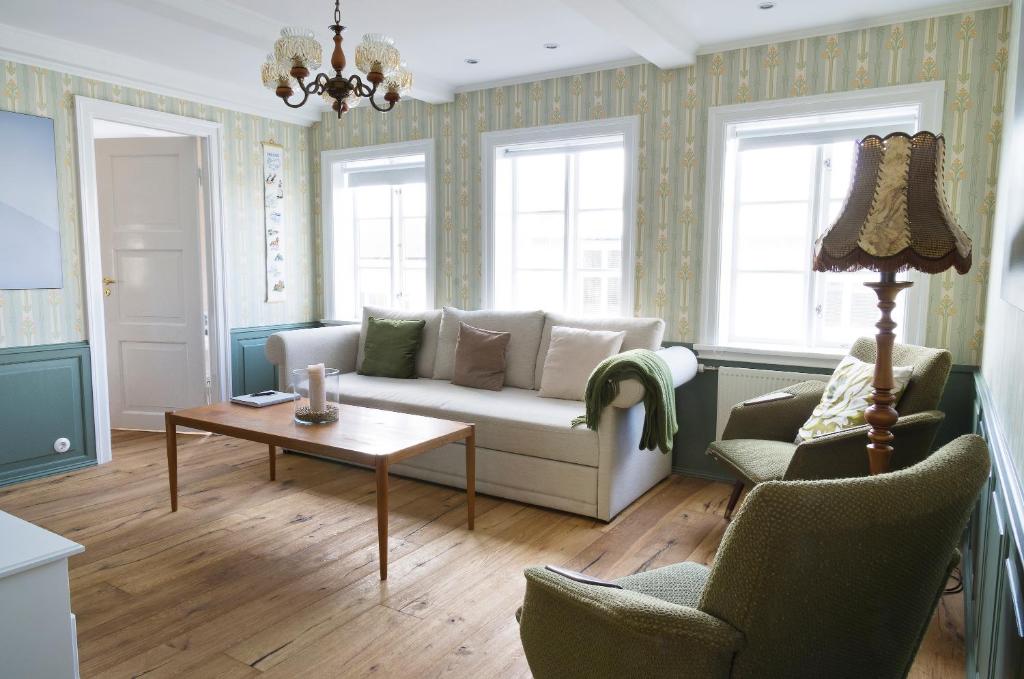
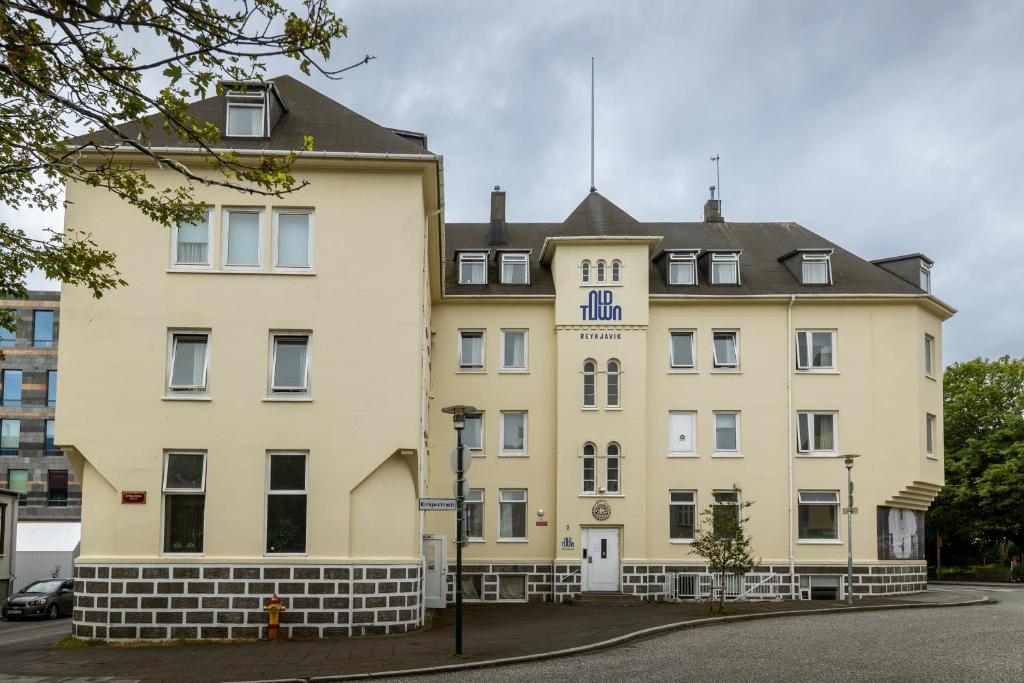
Reykjavik lodging is often described in booking sites by star rating alone, and that rating answers less than it appears to. A three-star guesthouse in a converted townhouse can offer a quieter, better-located room than a four-star property built for coach groups on the edge of downtown, because the rating reflects amenities like a lobby bar or a gym rather than the two things that actually shape a short city stay: location and room size. Rooms in the city centre run smaller on average than the same star rating would suggest in a larger city, since many downtown buildings were not built as hotels and the layout follows the original structure rather than a modern floor plan.
The useful comparison before booking is not the star count but three plainer questions: how far is the room from where the trip's plans actually happen, is breakfast included or a separate cost each morning, and does the listed size match what the photos suggest. A room description that omits square metres or reads only in square feet is worth pausing on, since it is often the smaller end of what the rating implies. None of this makes one type of lodging better than another; it means the rating is a starting filter, not the answer.
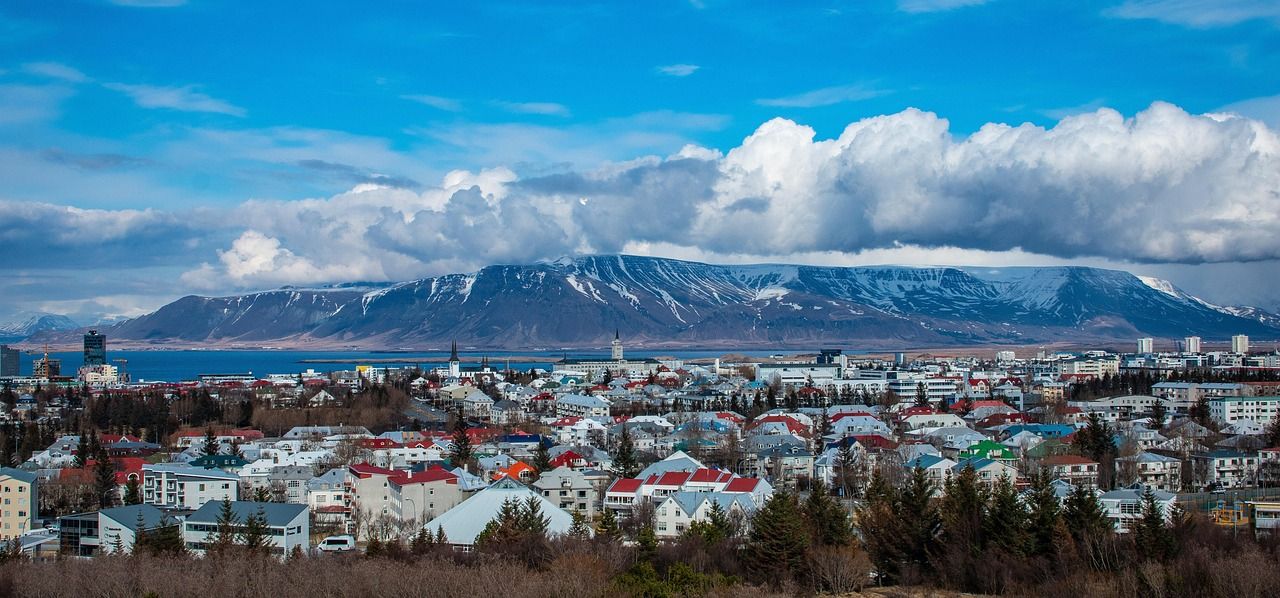
Choosing a neighbourhood is sometimes treated as a matter of price alone, when for some travellers it is also a question of which streets feel comfortable to walk at night. Gay Reykjavik hotels are not concentrated in one official district, but downtown, around Laugavegur and the streets nearest it, carries the bars, cafes and events most associated with the city's queer scene, and staying within that grid rather than on its outer edge shortens the walk back after an evening out. The distinction that matters here is the same one that applies to any downtown stay: a room inside the core few streets is a different walk home than a room a kilometre outside it, even when both are marketed as "central" on a booking listing.
Checking a specific street address against a map before booking, rather than trusting a neighbourhood name in the listing title, avoids the gap between how a hotel markets its location and where it actually sits. Reykjavik's compact size means this is usually a short walk either way, but a short walk on a well-lit main street is not the same experience as a short walk down a quieter side road, and that distinction is worth the extra few minutes of checking before paying.
- Blue Lagoon entry
- Requires pre-booked, timed entry; a transfer ticket alone does not admit anyone
- Sky Lagoon Saman pass
- From 14,990 ISK
- Sky Lagoon Sér pass
- From 17,990 ISK
- Sky Lagoon minimum age
- 12
- Reykjavik daylight, June
- 21.2 hours
- Reykjavik daylight, December
- 4.1 hours
The season changes a Reykjavik hotel stay more than most first-time visitors expect, and it changes availability before it changes price. Rooms in the small guesthouses and boutique properties that define much of the city centre are limited in number, and during the short summer window and the weeks around the winter aurora season, those rooms are booked out well before the larger chain properties are. A traveller who leaves booking until a month before a July or December trip is often choosing between whatever chain inventory remains, not between the full range of what the city offers, because the smaller, more distinctive properties sold out first.
This is not the same as saying prices always rise the same way every season. What is consistent is that the properties with the fewest rooms, which are often the ones travellers most want, are the first to close out, and a booking window that felt early in a larger destination can already be late in Reykjavik. Checking a hotel's own cancellation policy at the time of booking is worth doing regardless of season, since a flexible rate booked early and cancelled later, if plans change, costs nothing extra and removes the pressure to decide everything about an itinerary before a flight is even booked.
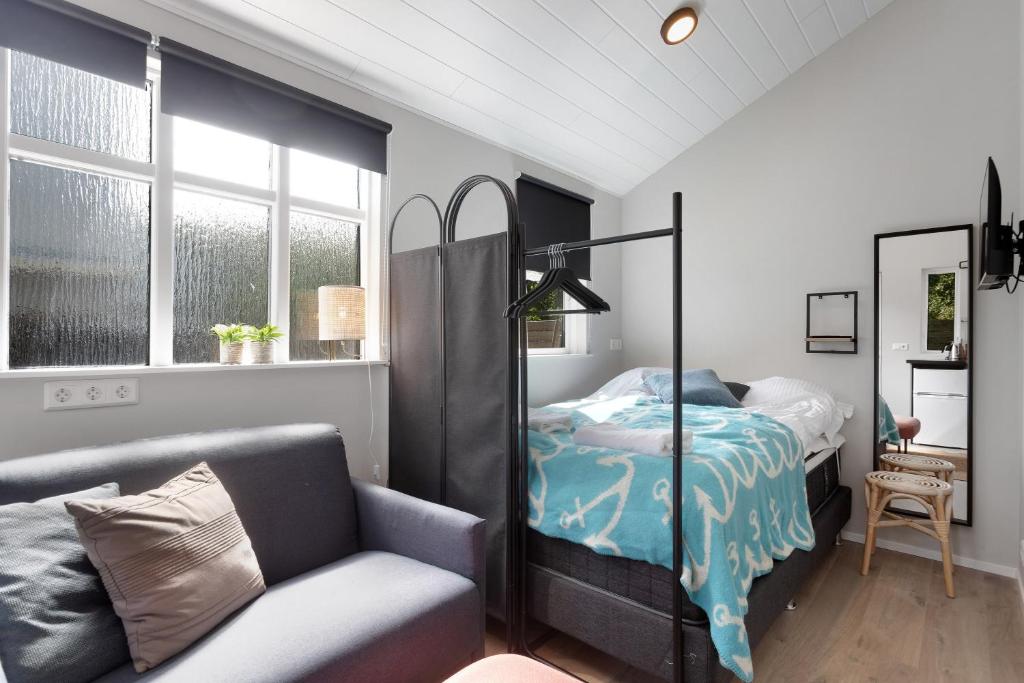
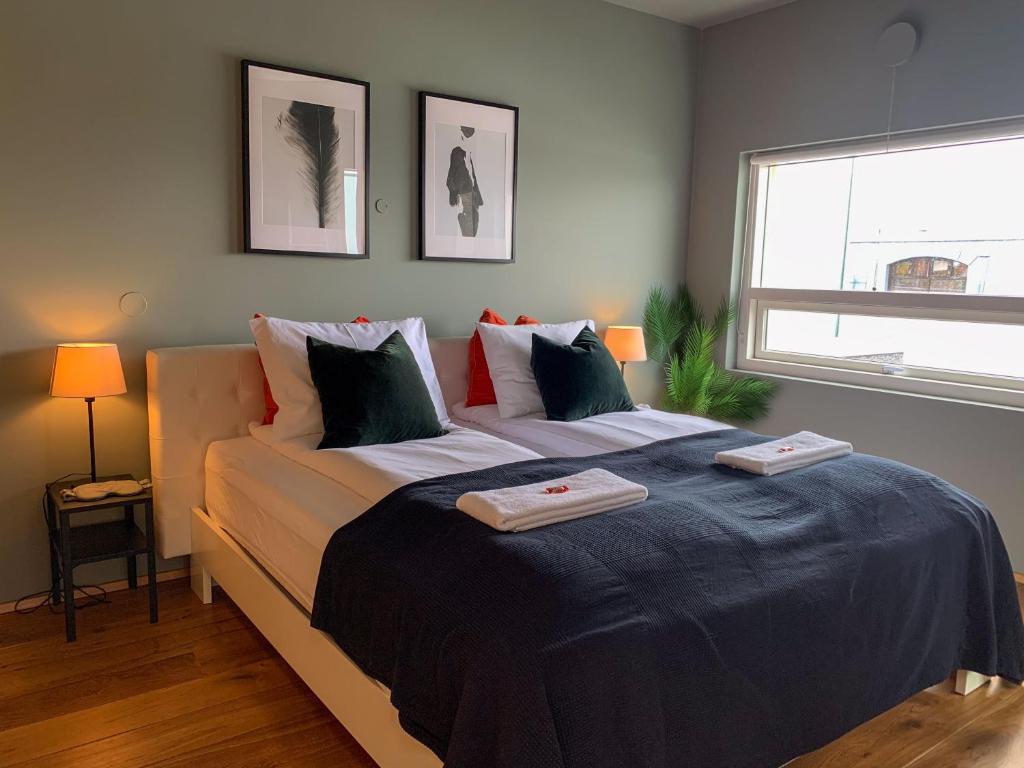
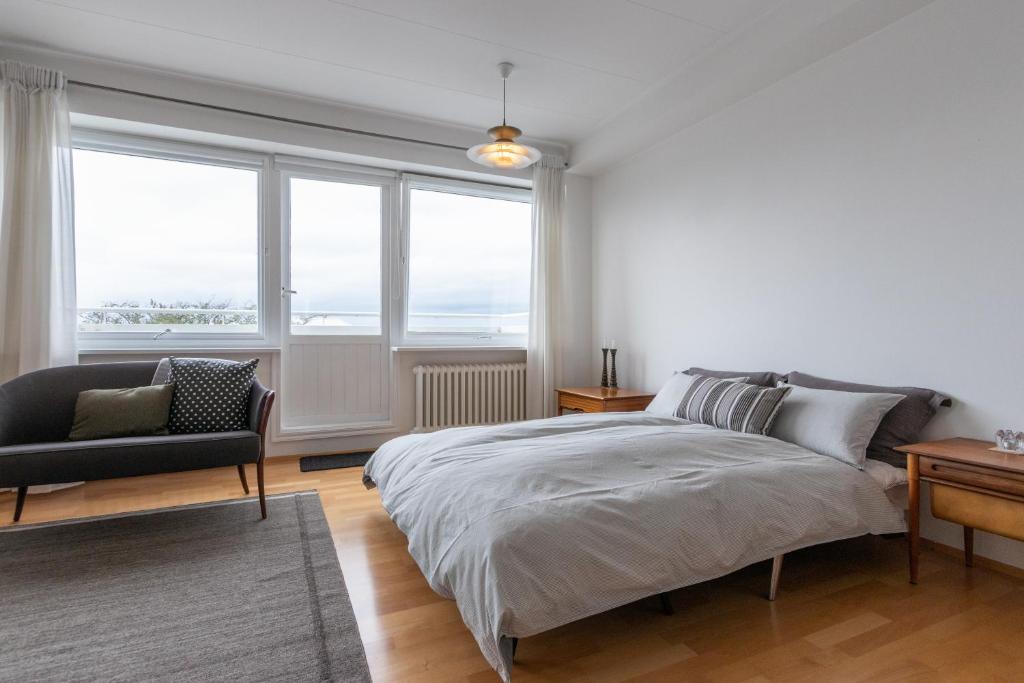
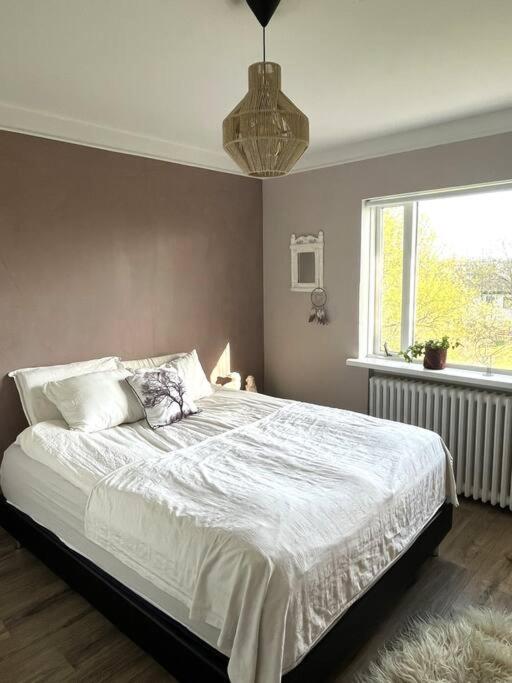
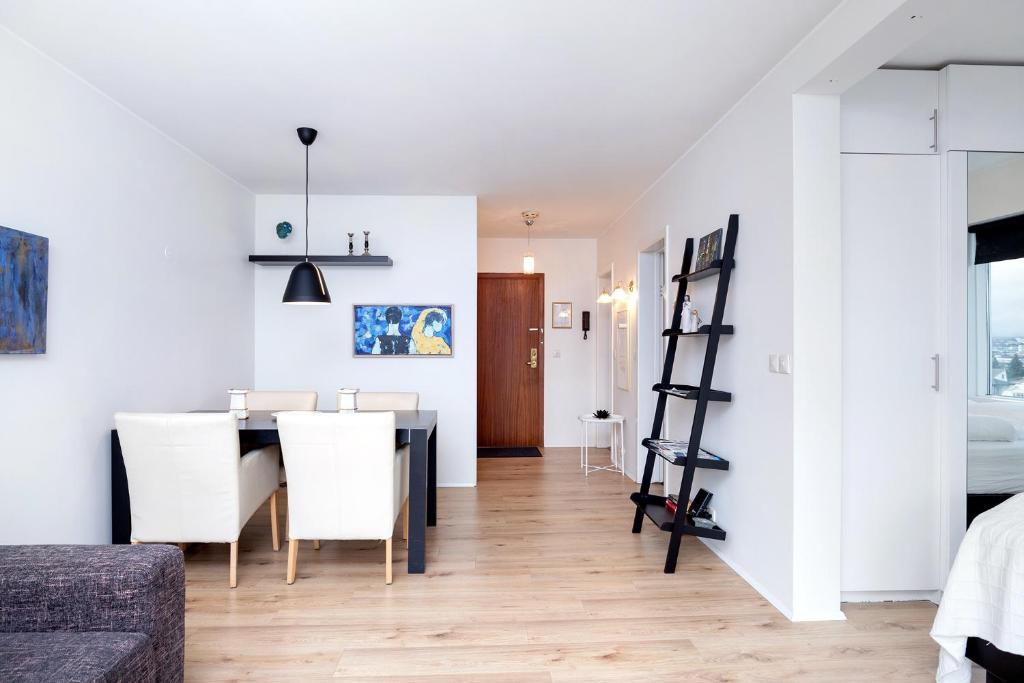
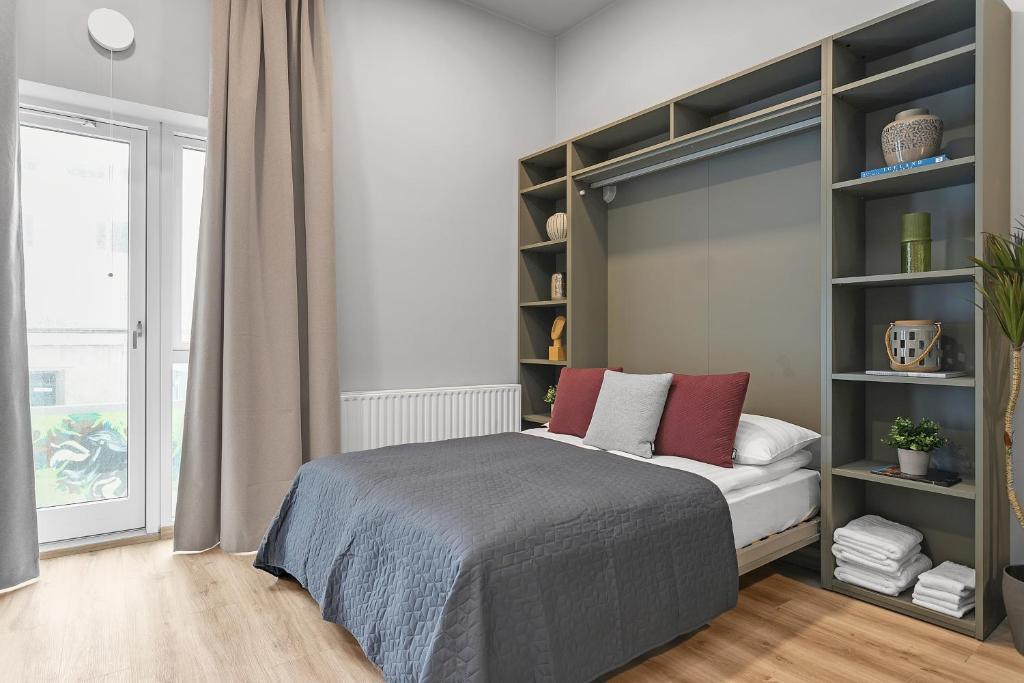
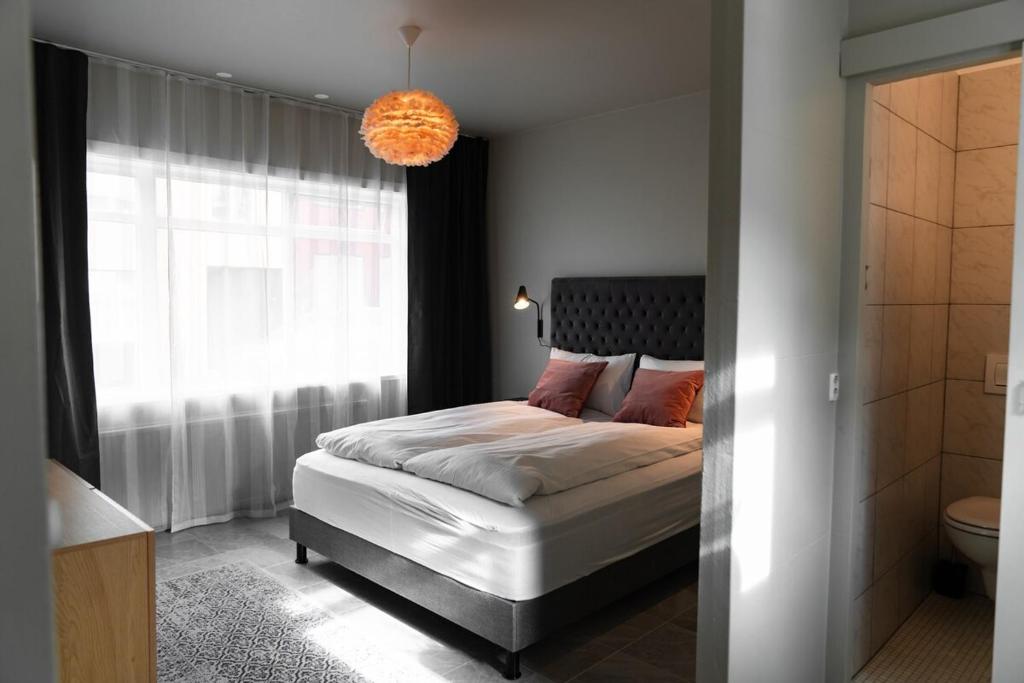
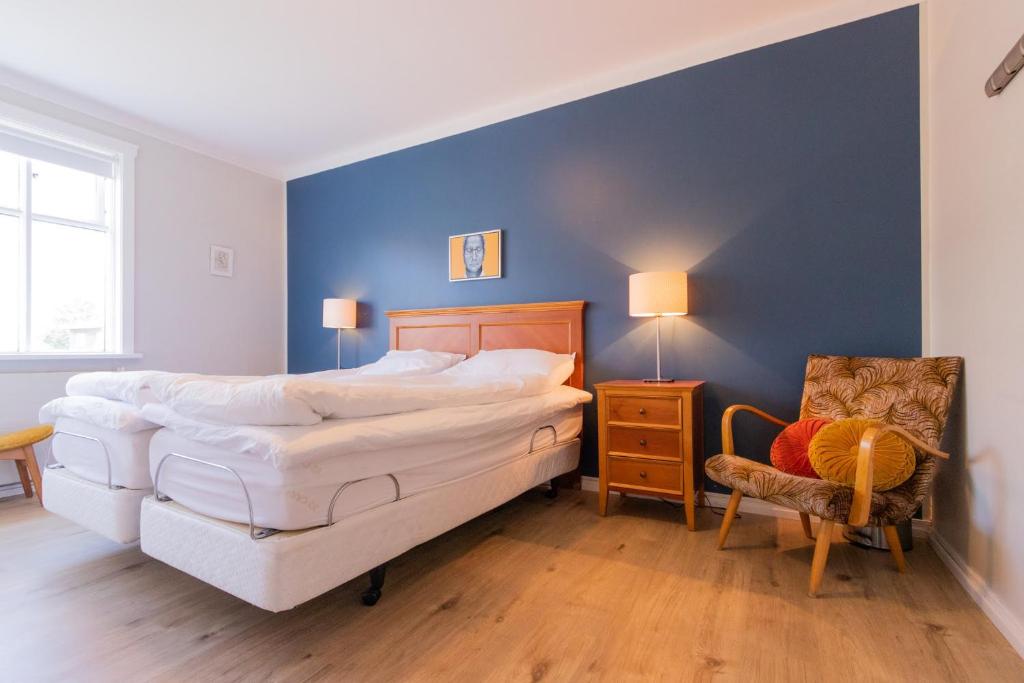
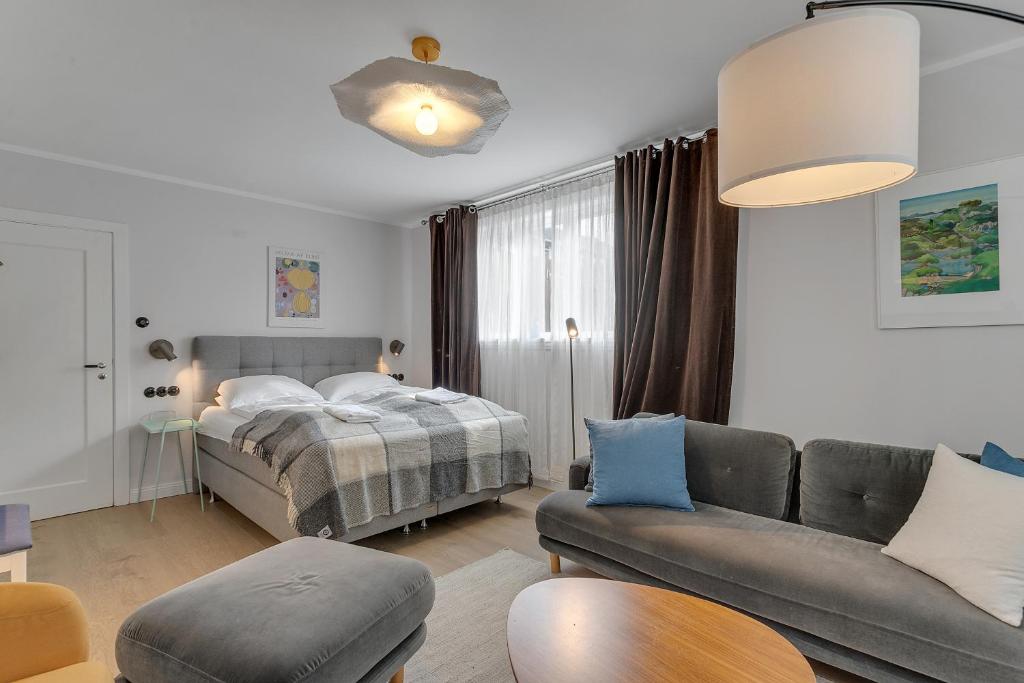
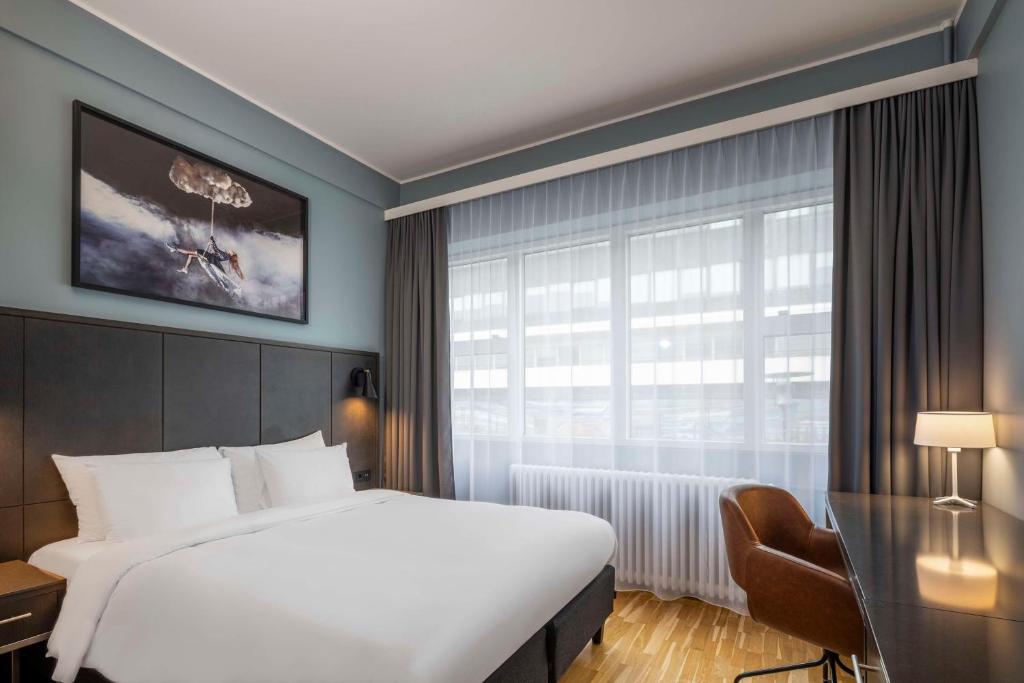
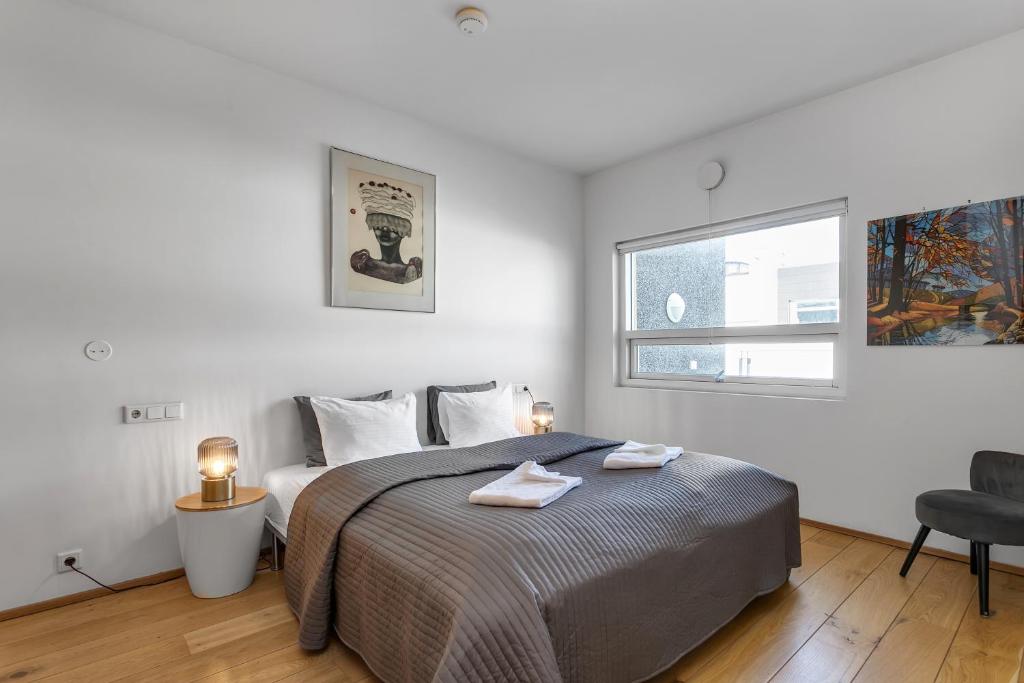
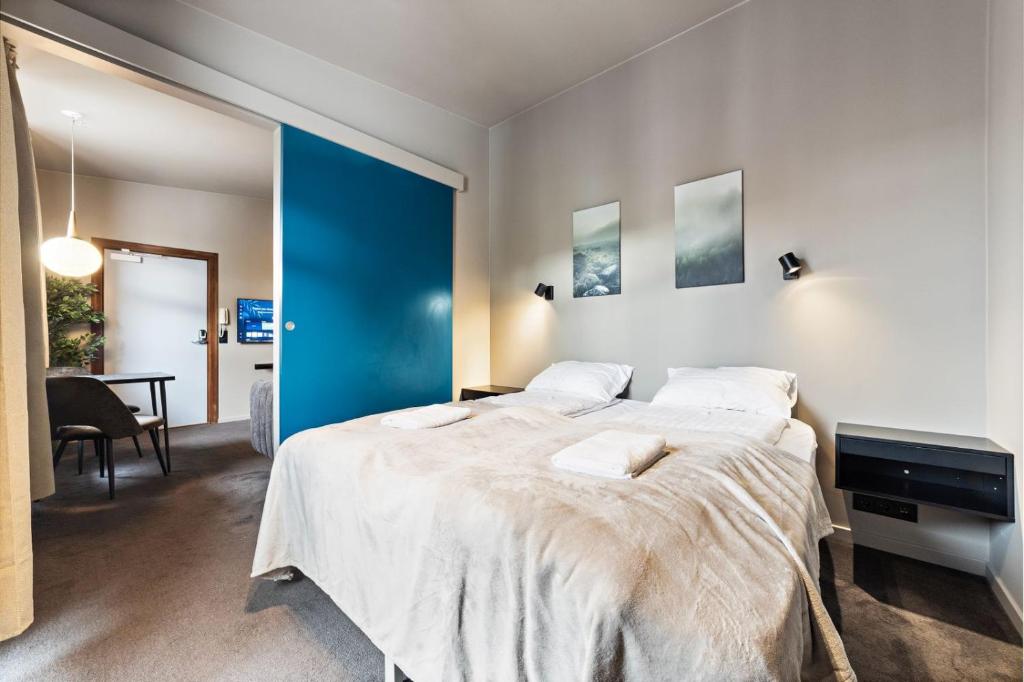
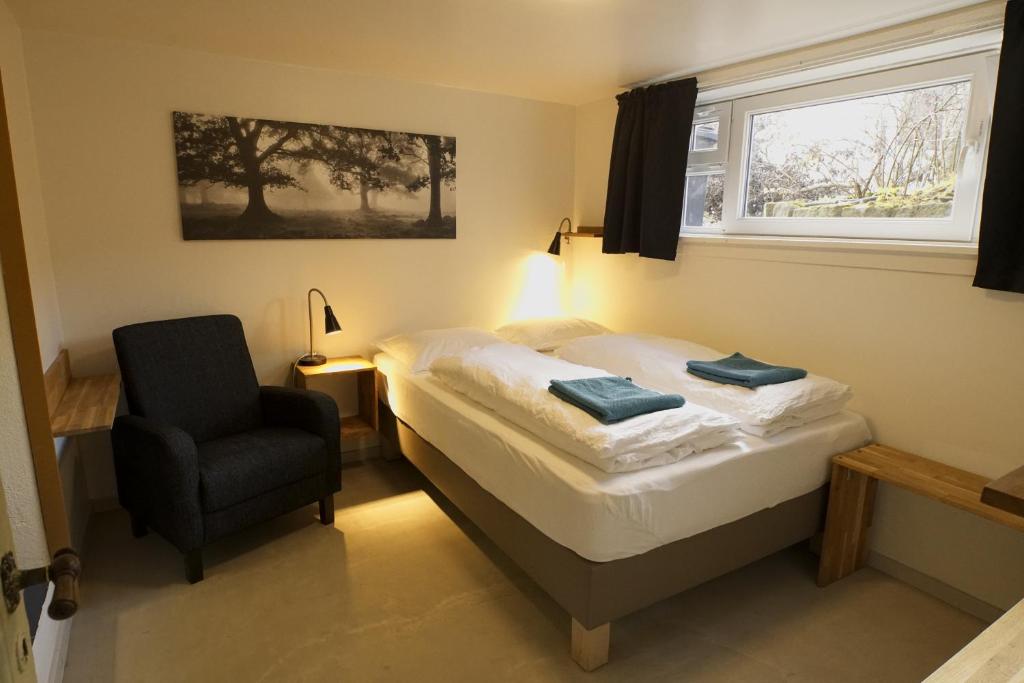
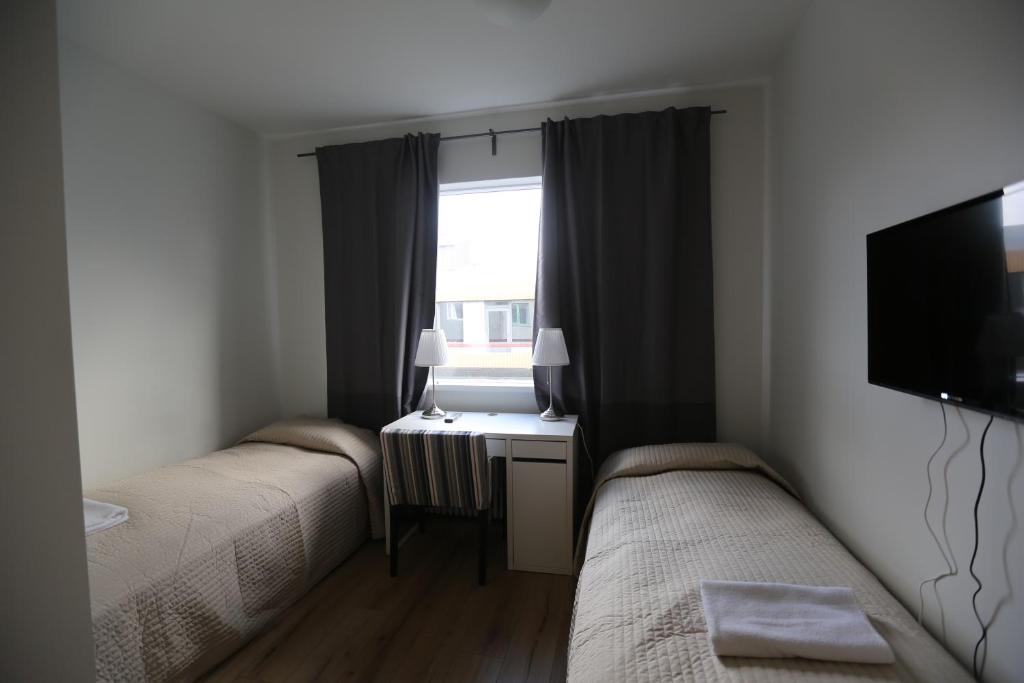
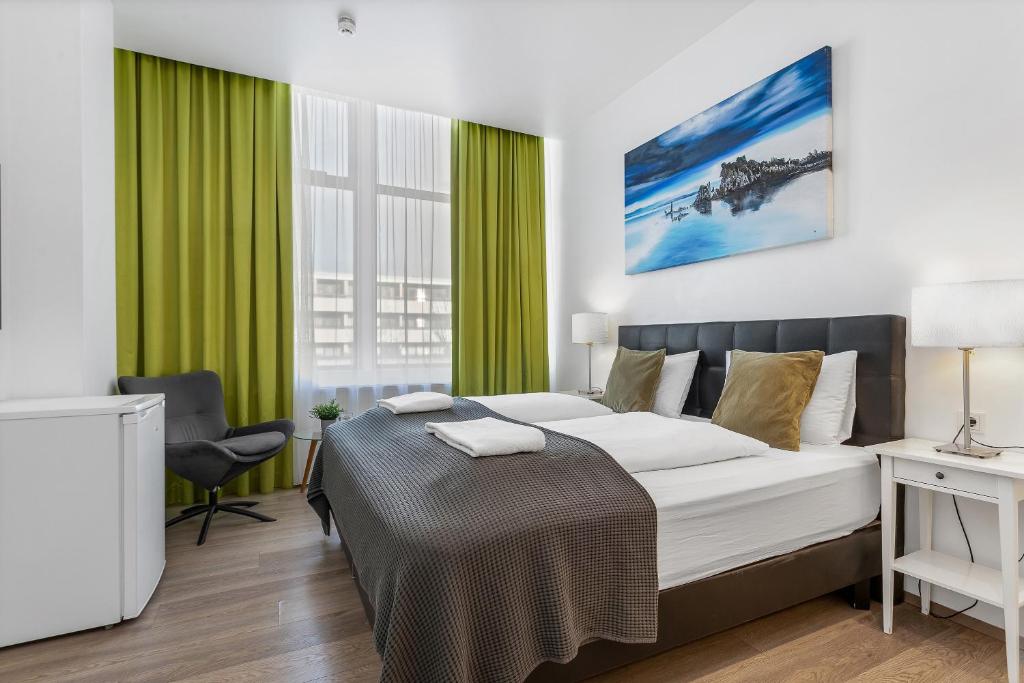
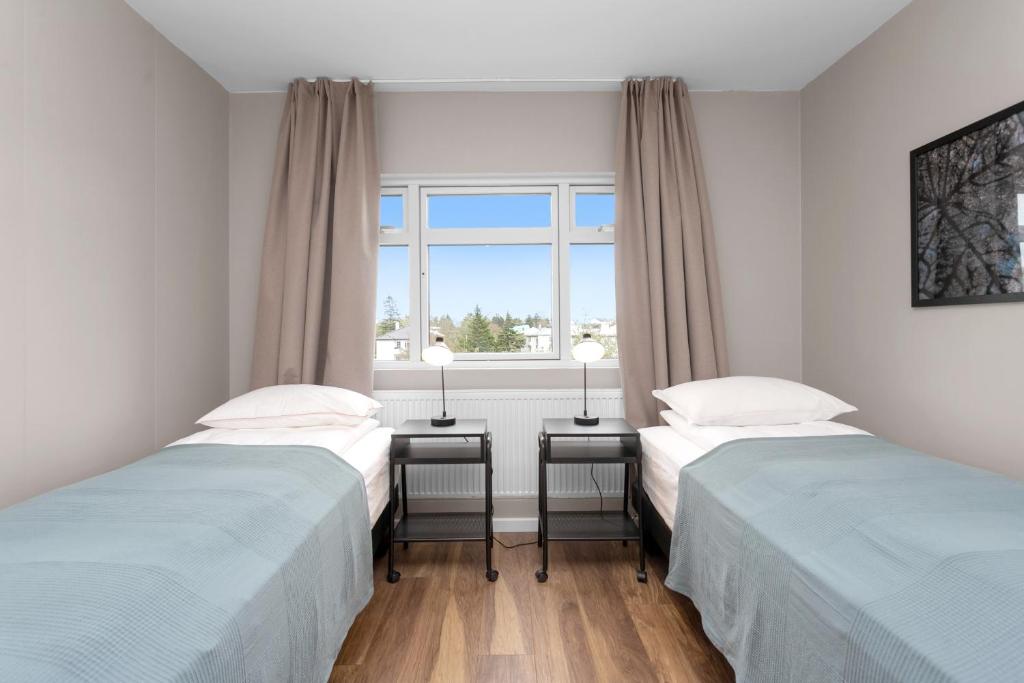
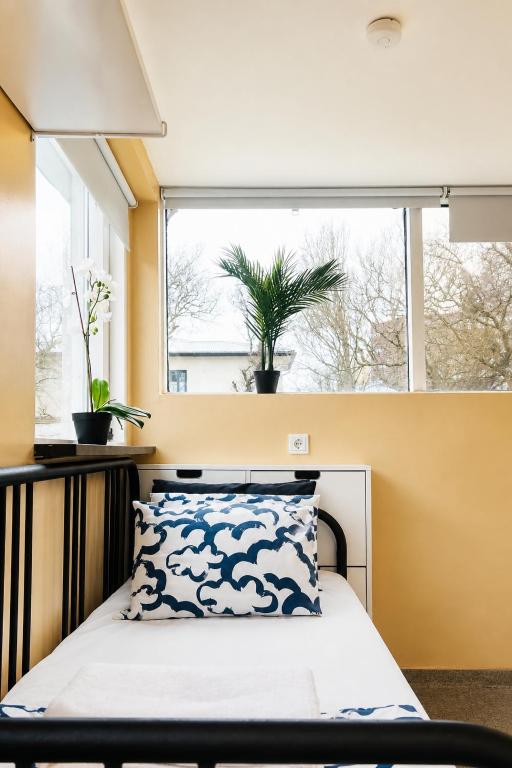
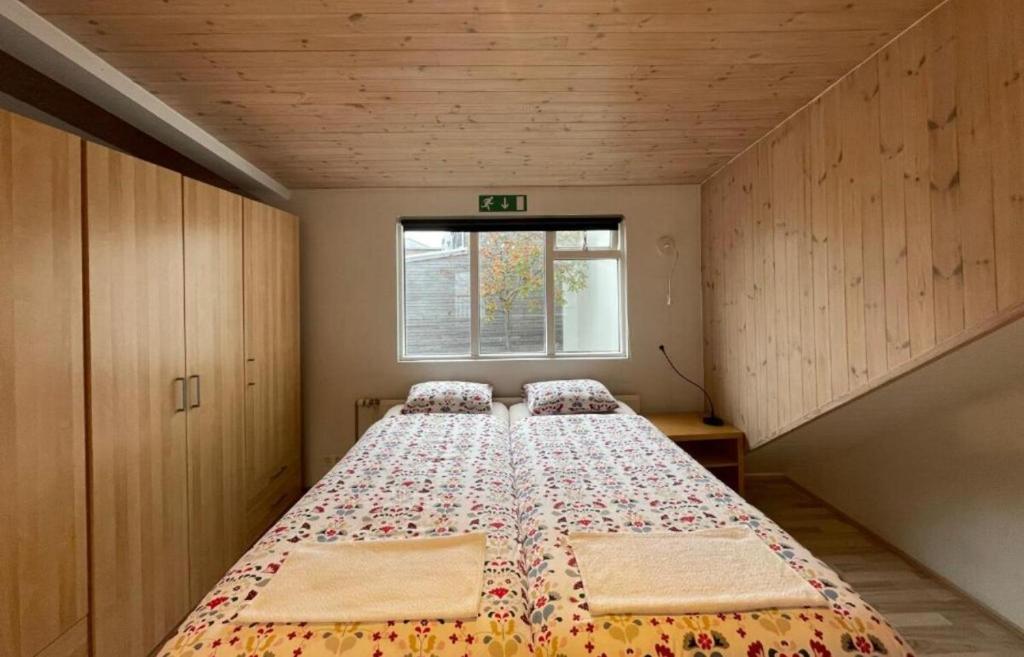
Room configuration in Reykjavik does not always match what the same word means elsewhere, and that mismatch causes more arrival-day surprises than location does. Hotel rooms Reykjavik properties advertise as "double" or "twin" can vary in bed size between properties in ways that a generic photo does not show, and a family or group travelling together should confirm bed configuration directly rather than assuming a "family room" description matches what it would mean in a larger hotel chain elsewhere. Many central properties were built into existing townhouses, so room shapes are irregular and connecting rooms are less common than in purpose-built hotels.
The detail worth checking before paying is whether a listed room size includes the bathroom and any built-in storage, since older buildings converted into hotels sometimes list total floor area in a way that reads larger than the usable space feels on arrival. A short message to the property directly, outside the booking platform, is usually enough to confirm bed type, room size and whether an extra bed or crib can be added, and it is worth doing for a family booking a room described only by occupancy number rather than by layout.
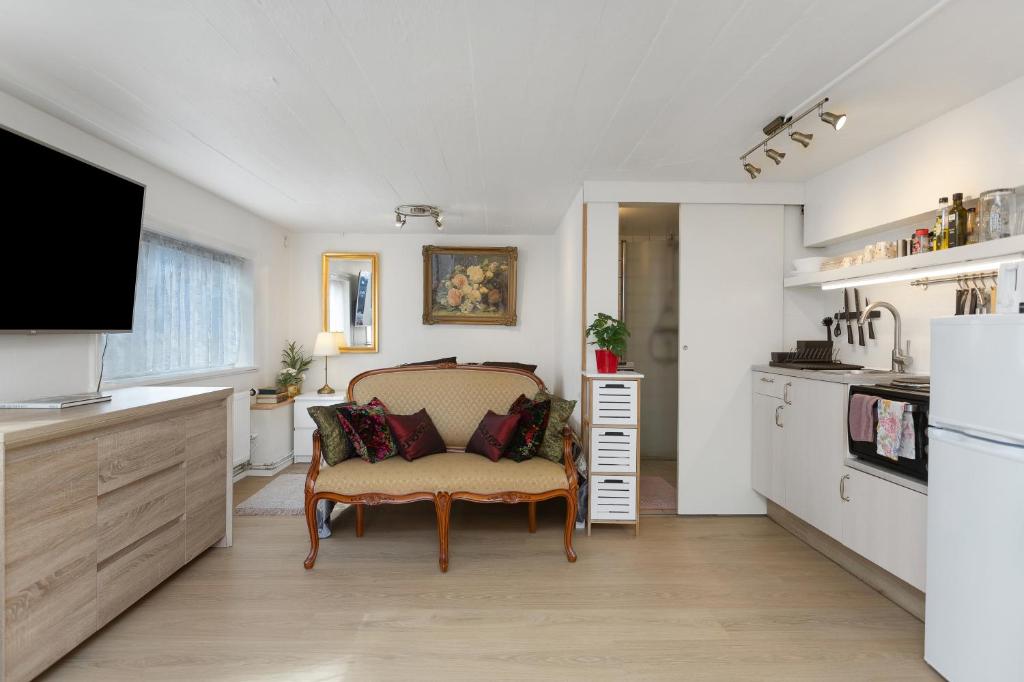
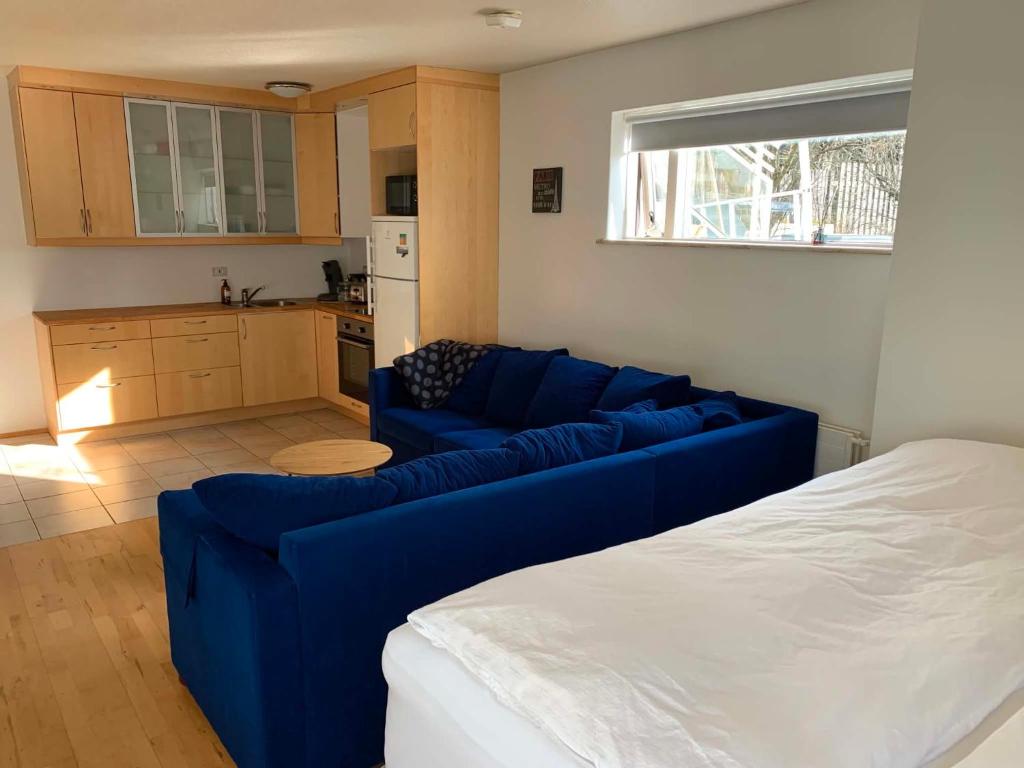
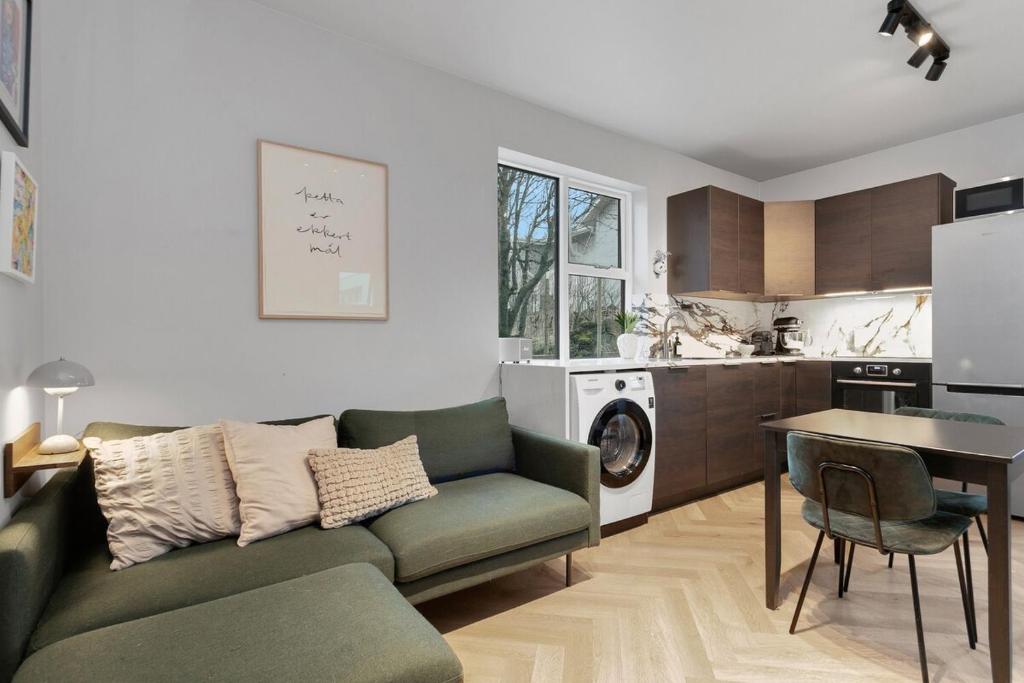
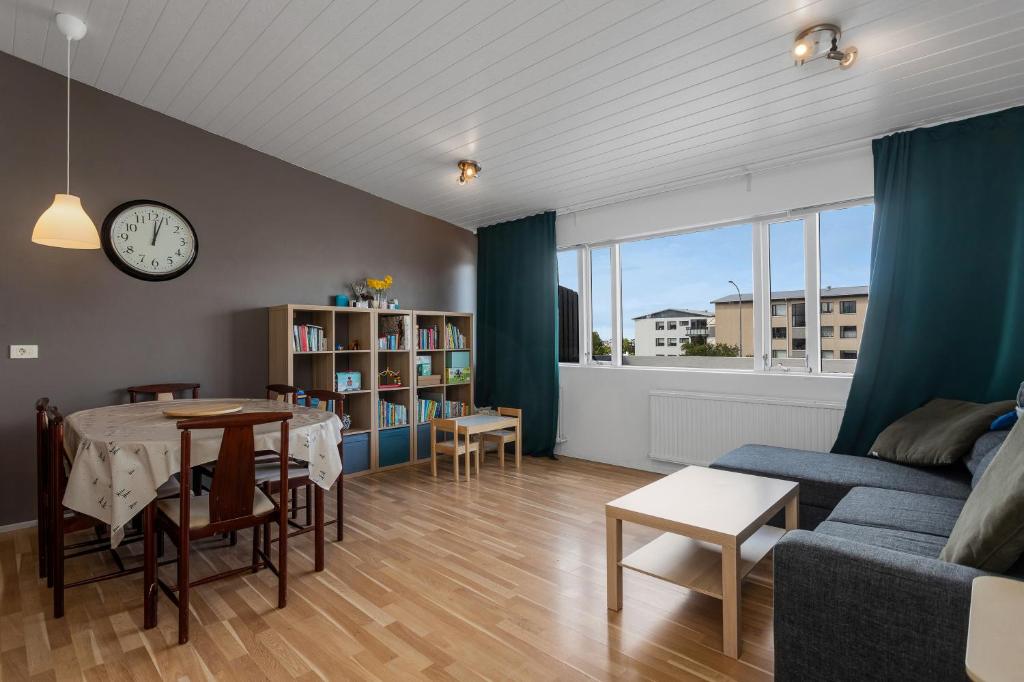
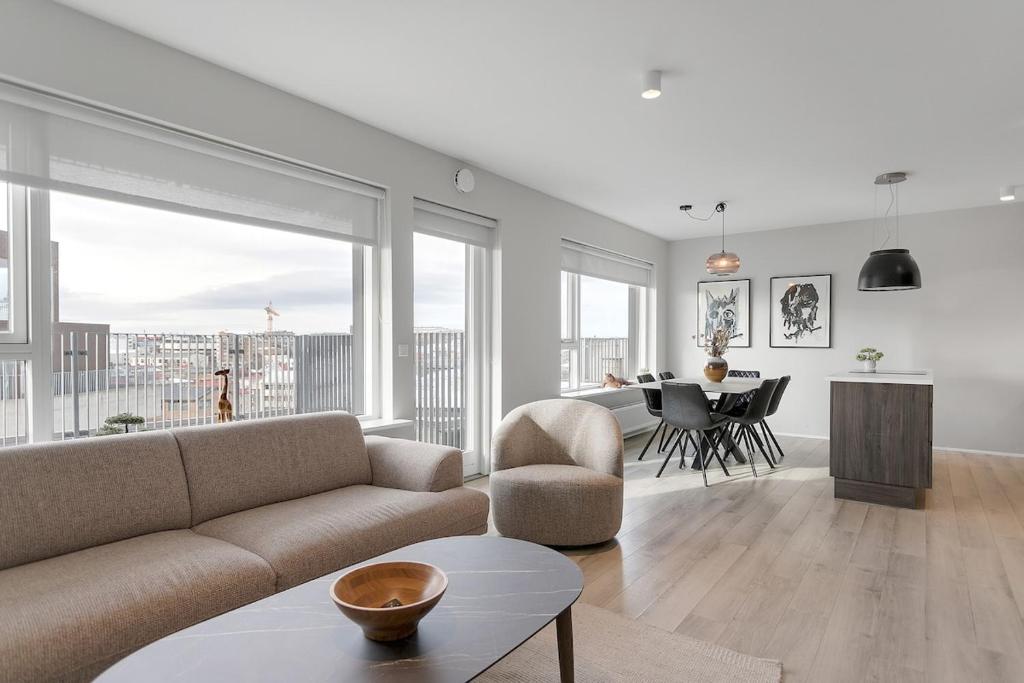
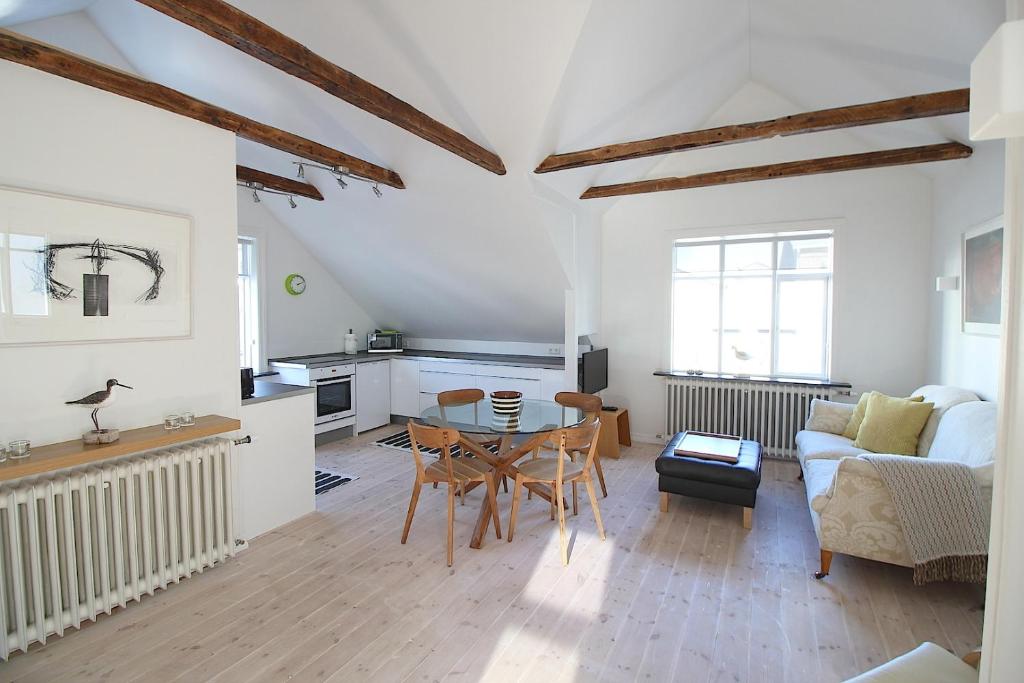
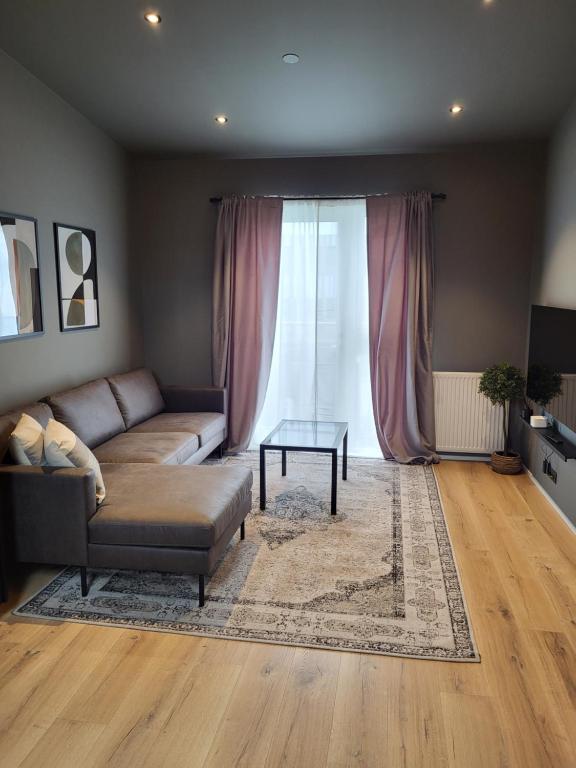
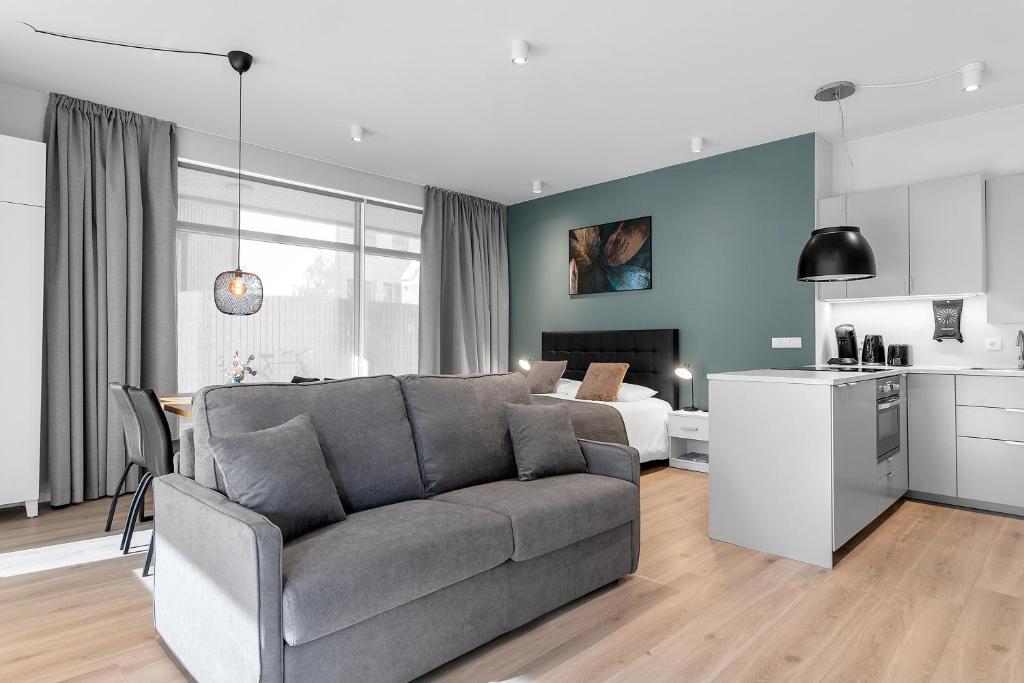
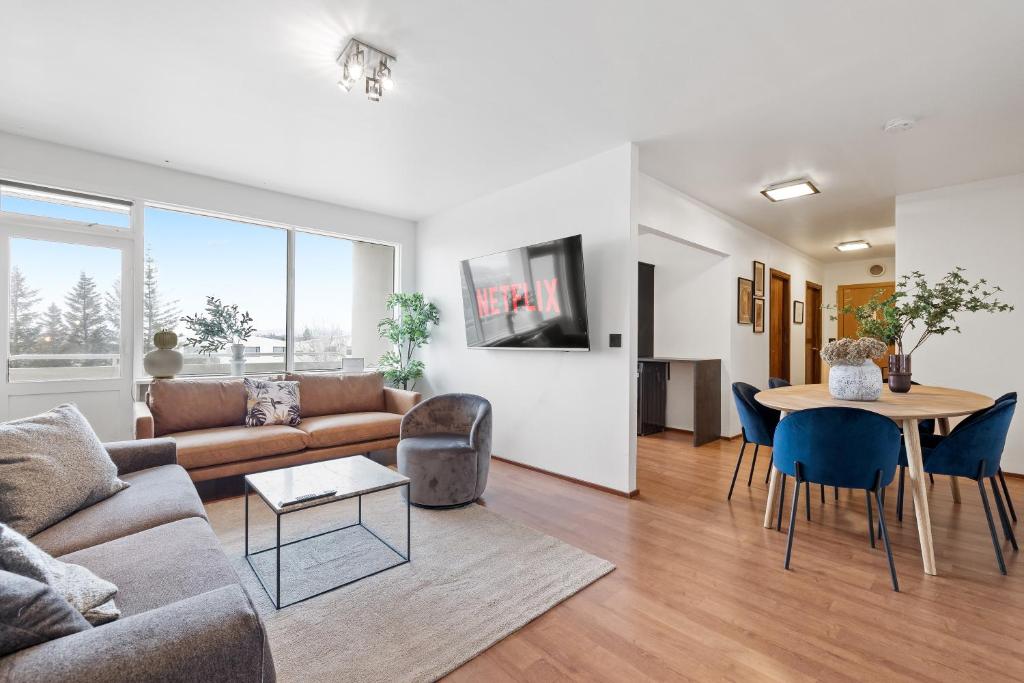
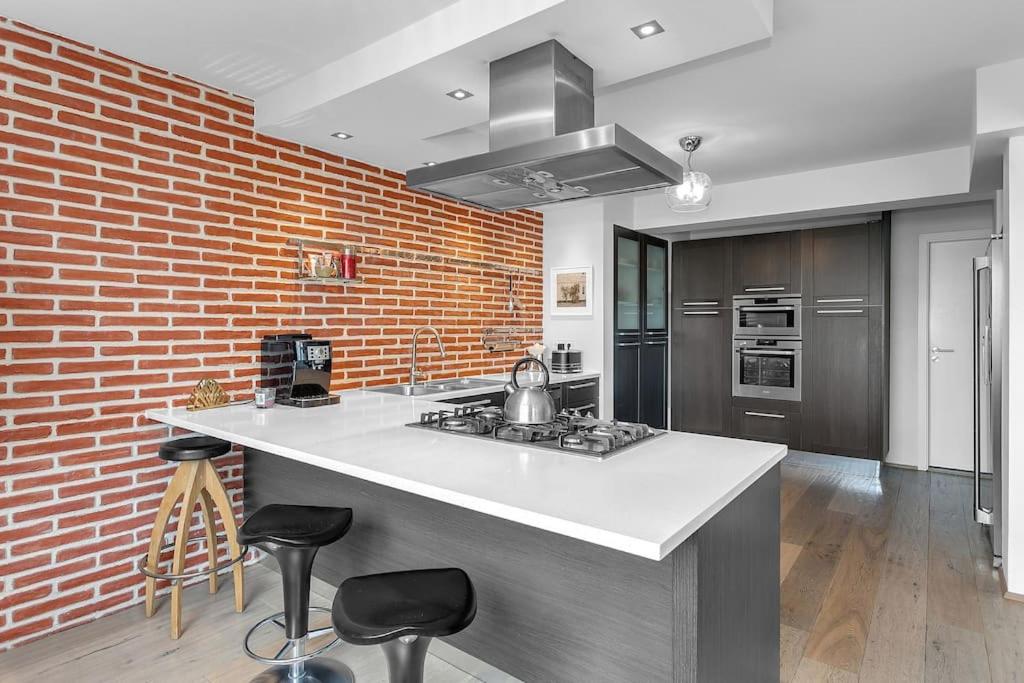
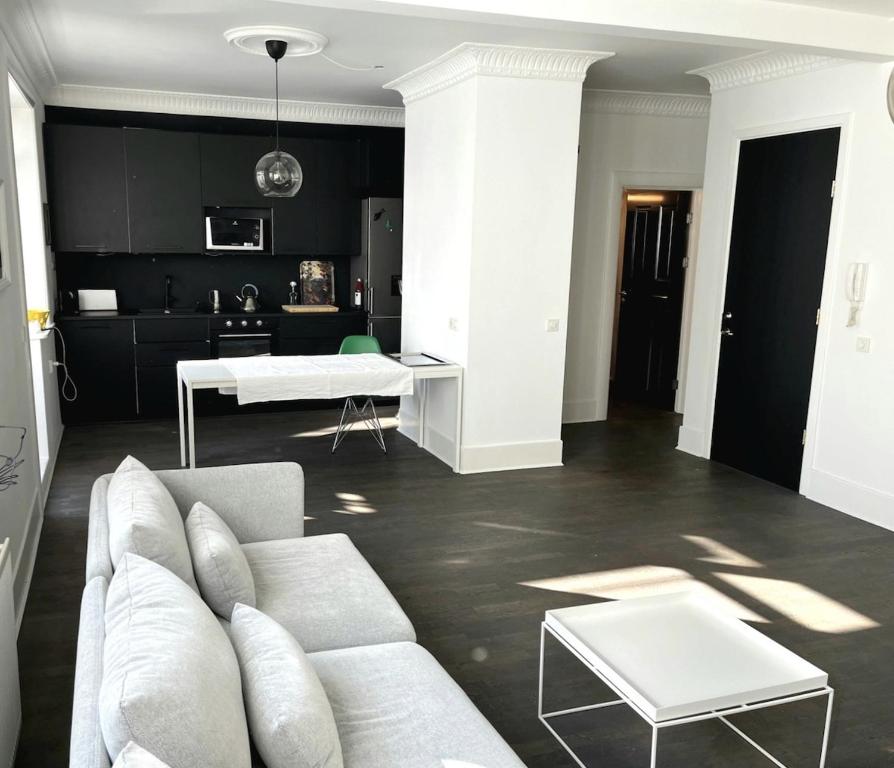
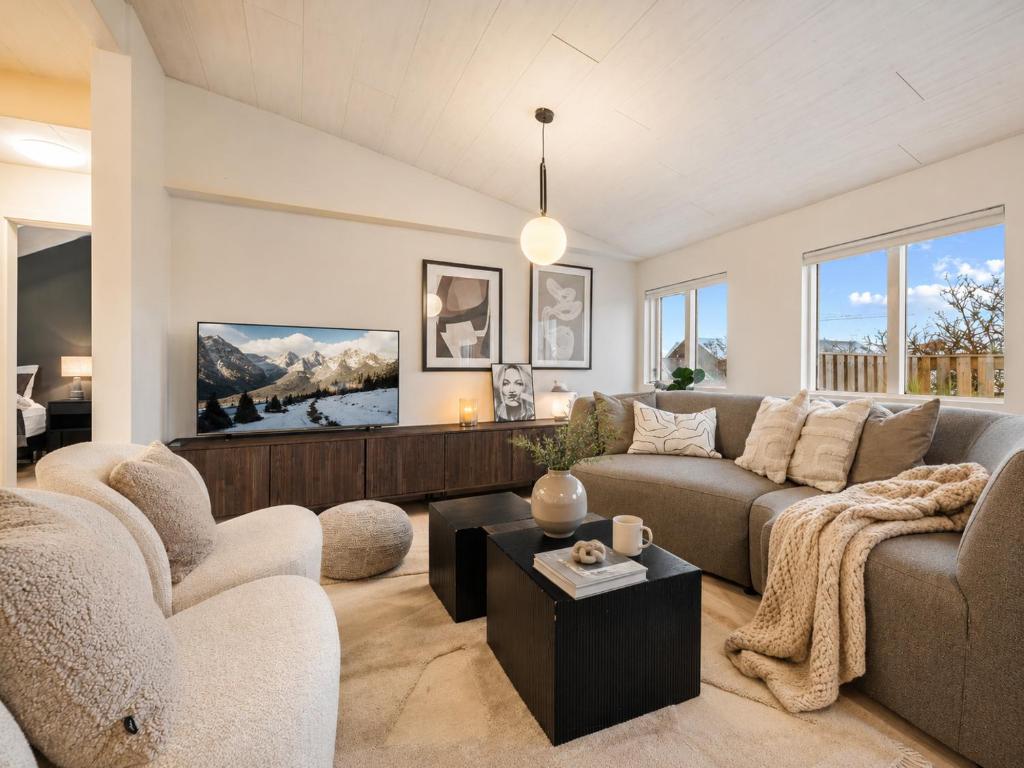
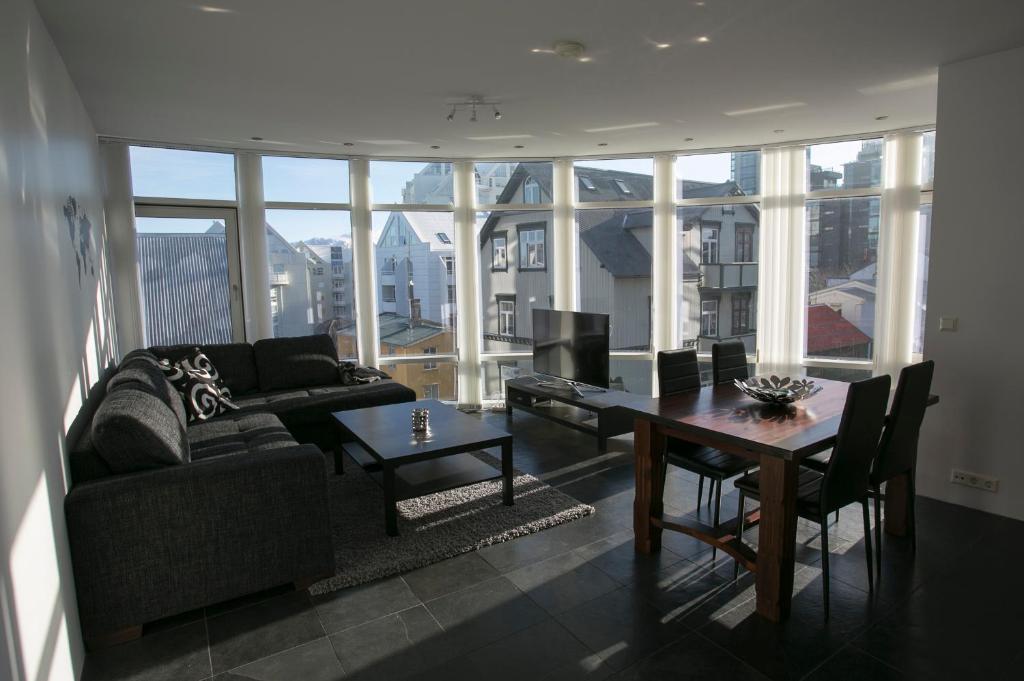
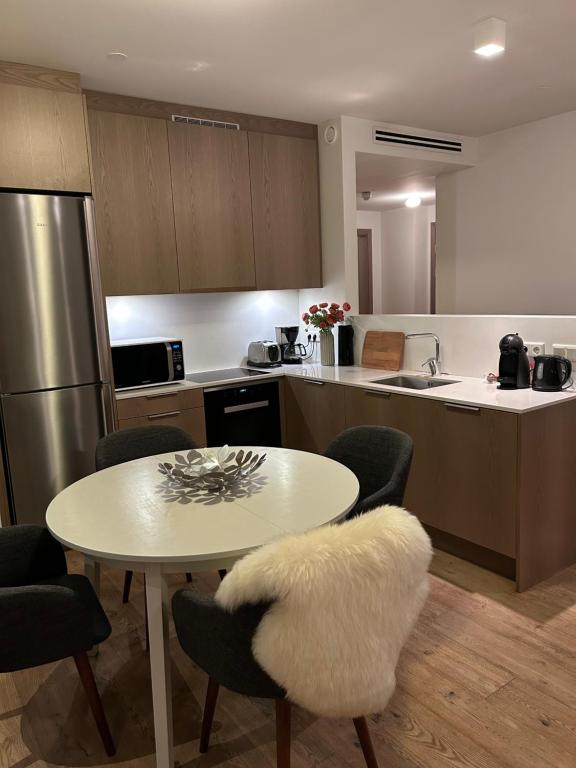
An apartment is sometimes treated as simply a cheaper hotel room, and that undersells what it actually changes about a stay. A kitchen, even a small one, removes the need to eat out for every meal, which matters over a week-long stay more than a two or three night one, since Iceland's restaurant prices add up quickly across a full trip. It also removes the daily cleaning and reception service a hotel provides, which some travellers do not miss and others find inconvenient partway through a stay, particularly with young children or heavy luggage.
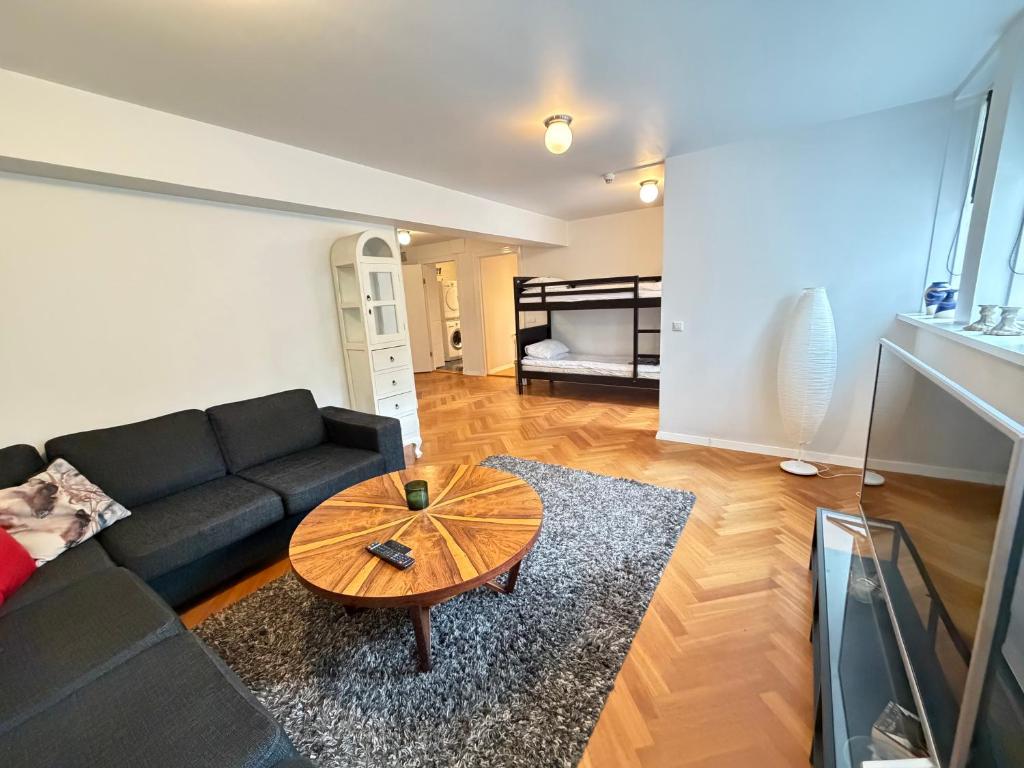
What an apartment does not reliably provide is the same central location a hotel occupies, since much of the short-term apartment stock in Reykjavik sits a little further from the main square than the hotel cluster does, in residential buildings rather than commercial ones. Laundry access is the other practical difference worth checking before booking: some apartments include an in-unit washing machine and some do not, and for a longer stay or one that includes outdoor activities that leave clothing wet or muddy, that detail matters more than the price difference between an apartment and a hotel room of similar size.
| Þingvellir parking | 1,000 ISK |
| Geysir parking | 1,000 ISK |
| Skógafoss parking | 1,000 ISK |
| Seljalandsfoss parking | 900 ISK |
| Sólheimajökull parking | 750 ISK |
| Gullfoss parking | Free |
| Kerið entry | 700 ISK |
- 1,000 ISK
- 1,000 ISK
- 1,000 ISK
- 900 ISK
- 750 ISK
- Free
- 700 ISK
Booking early is sometimes treated as a universal rule and sometimes dismissed entirely, and neither is quite right for Reykjavik. It matters most for two situations: the smaller, well-located guesthouses that carry limited room counts and sell out ahead of larger properties, and any stay planned around the short summer season or the aurora months, when overall city demand runs highest against a room supply that has not grown as fast as visitor numbers. Outside those windows, in the shoulder months, availability loosens and a booking made a few weeks out often has as much choice as one made months ahead.
What booking early does not reliably do is guarantee a lower price. Reykjavik hotel rates move with demand more than with a fixed early-bird discount, so a room booked six months out is not automatically cheaper than the same room booked six weeks out, particularly if overall demand for those dates has not yet built. What early booking reliably buys is choice among the smaller and more specific properties, not a fixed saving, and that distinction is worth keeping in mind rather than booking early purely on the assumption of a discount that may not exist.
- Silfra dive requirement
- Dry-suit certification, checked by the operator
- Sky Lagoon minimum age
- 12
- Reykjavik daylight, June
- 21.2 hours
- Reykjavik daylight, December
- 4.1 hours
- Blue Lagoon entry
- Pre-booked, timed entry required
What to check before paying for a Reykjavik hotel room comes down to a short, specific list rather than a general sense of a good deal. The listed price on a booking site is rarely the full cost: city or accommodation taxes are sometimes added at checkout rather than shown in the headline rate, and breakfast, if not stated as included, is a separate charge that varies significantly between a simple continental spread and a full hot buffet. Reading the inclusions line by line, rather than trusting the total shown on the search results page, avoids a mismatch discovered only at checkout.
Cancellation terms are the second thing worth reading in full rather than skimming, since a rate marketed as cheaper is sometimes non-refundable while a slightly higher rate on the same room is fully flexible until a date close to arrival. For a trip that depends on weather, particularly one built around an aurora tour or a highland day trip that can be rescheduled or cancelled by the operator, a flexible hotel rate removes one more variable from a trip that already has several outside anyone's control. The location shown on a map listing is worth checking against the actual street address too, since neighbourhood names on booking platforms are sometimes broader than the area a guest expects.
Aurora season shapes hotel choice more directly than most guests expect, and more than through room availability. The season runs from late August to mid-April, bounded by darkness rather than by the aurora itself, so a hotel with a north-facing outlook away from streetlights is a genuine, if modest, advantage for a guest hoping to see anything from a window rather than joining a coach tour that drives out of the city. Most city-centre hotels sit under enough streetlight that a display has to be strong to be visible from a room, which is the same reason organised tours travel away from downtown rather than simply recommending guests step outside.
A hotel's stated proximity to "dark sky" viewing is worth treating carefully, since actual light pollution depends on the specific street and the direction a room faces, not just the general area of the city. Guests planning a stay specifically around the aurora season do better checking whether a hotel sits on the edge of the city facing open ground, rather than relying on marketing language in a listing description, and pairing that with a coach tour on any night the forecast favours a clear sky away from the coast.
Arrival day is where a well-chosen hotel and a poorly chosen one look most different, since the walk or transfer from Keflavik airport into the city takes close to an hour regardless of where in central Reykjavik the hotel sits, and that first evening is often the shortest and most tired part of a trip. Confirming whether a hotel is on a direct route from the main airport bus stop, or requires a change or a longer walk from the drop-off point, is worth doing before travelling rather than working it out with luggage in hand after a long flight.
The same applies in reverse on departure day, when an early flight means an early transfer, and a hotel further from the main bus stop adds a buffer that has to be built into the morning. Checking the first and last bus times against a flight's actual schedule, rather than assuming transport runs late enough or early enough to suit any itinerary, removes one of the more common sources of a stressful final morning. None of this changes which hotel is right for the rest of a stay, but it is worth weighing against location choices made purely around downtown restaurants and evening plans.
Common questions
Is it cheaper to stay outside central Reykjavik?
Often, per night, particularly for a larger room, but the saving is usually offset by bus fares or taxis for evenings spent downtown, so it suits travellers with a car more than those planning to walk everywhere.
Do Reykjavik hotels include breakfast?
Some do and some do not, and it is rarely obvious from the headline price on a booking site. Checking the inclusions line before paying avoids a separate daily charge appearing at checkout.
How far in advance should a Reykjavik hotel be booked?
Smaller guesthouses and centrally located properties sell out first during the summer and aurora seasons, so booking those specific room types earlier matters more than booking generally early for a fixed discount.
Does an apartment work better than a hotel for a short stay?
For two or three nights the difference is smaller, since the main advantage, a kitchen that cuts restaurant costs, matters most over a longer stay. For a week or more it usually saves money and adds flexibility.
Is a north-facing hotel room worth choosing for the aurora season?
It is a modest advantage at most, since most city streetlight still limits what is visible from a window. A coach tour that drives away from downtown remains the more reliable option regardless of room outlook.
Every place to stay in the catalogue
All 458 properties, ordered by weight of evidence rather than by score alone. The groups above narrow this list; each property has its own page with the full data sheet.

 from $557To the page
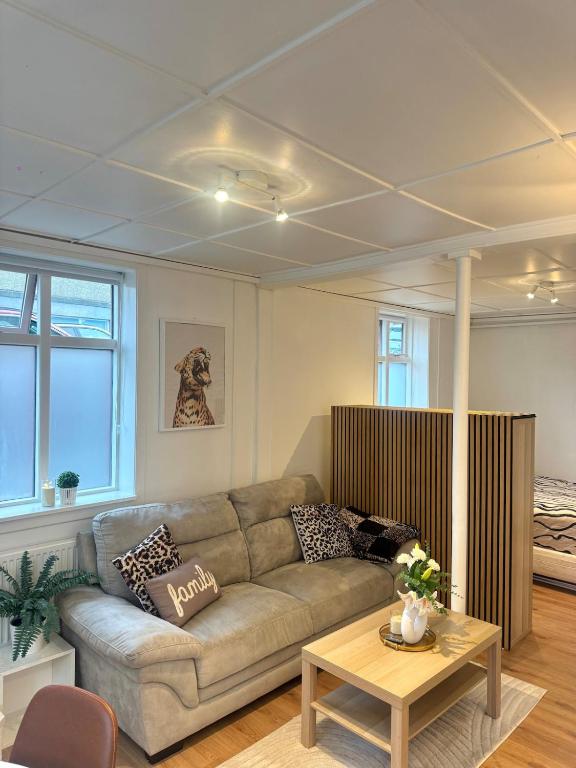
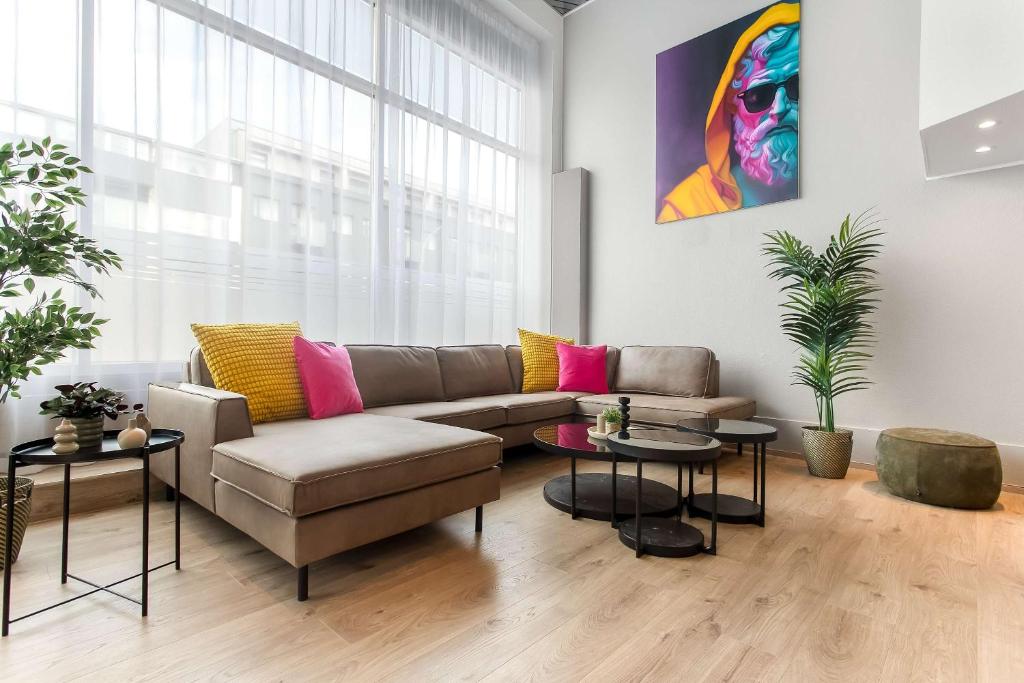

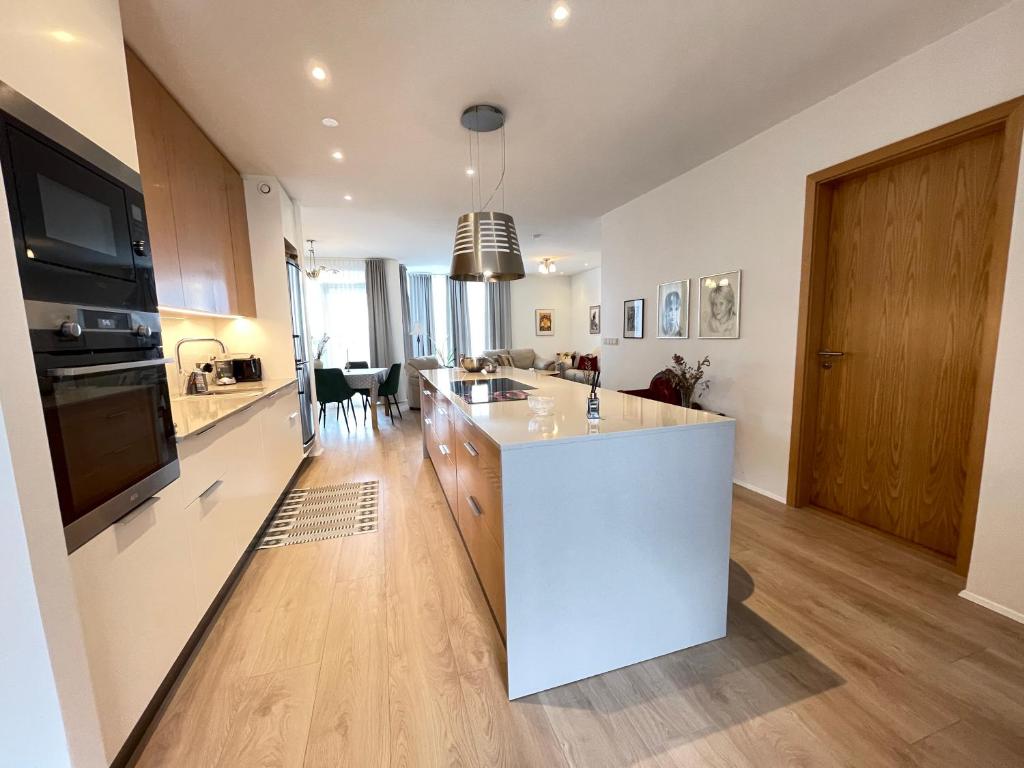
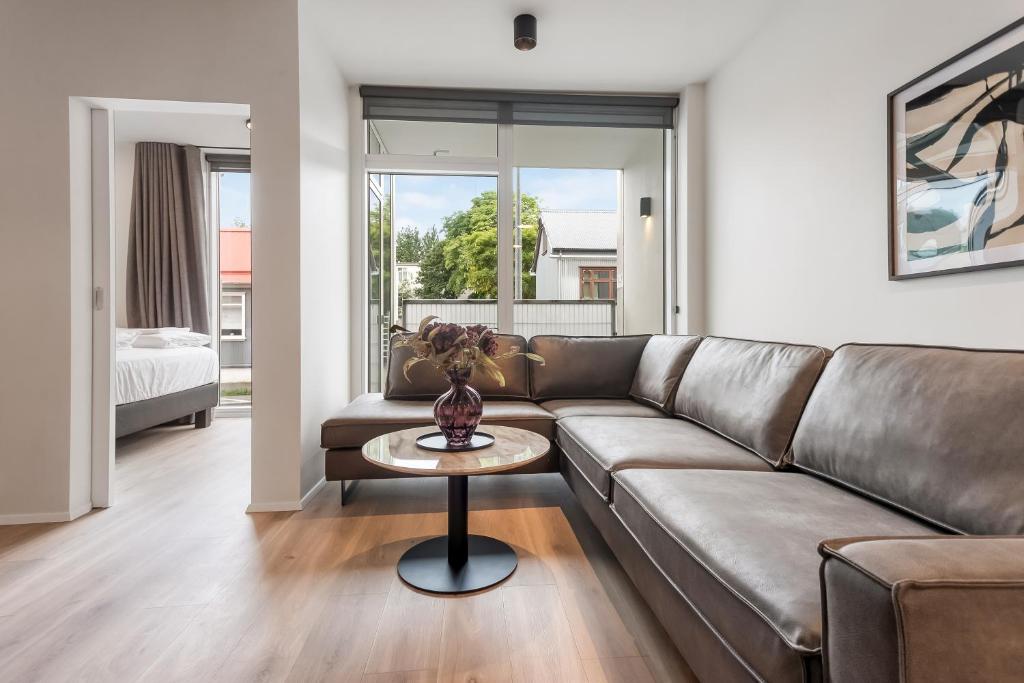


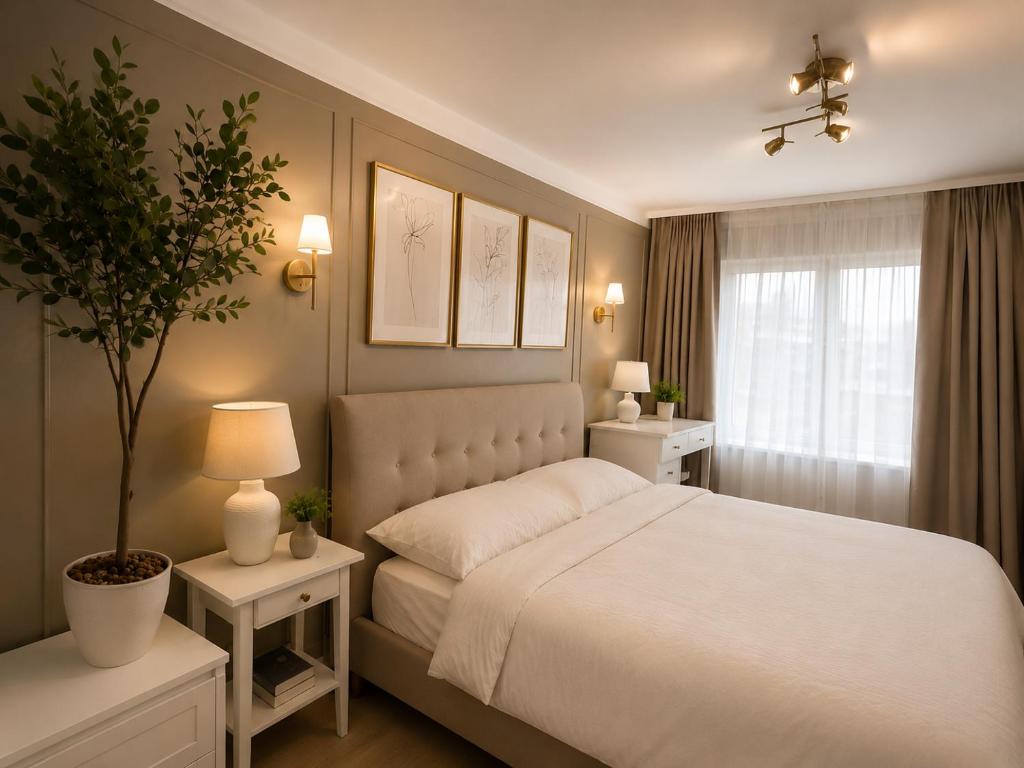
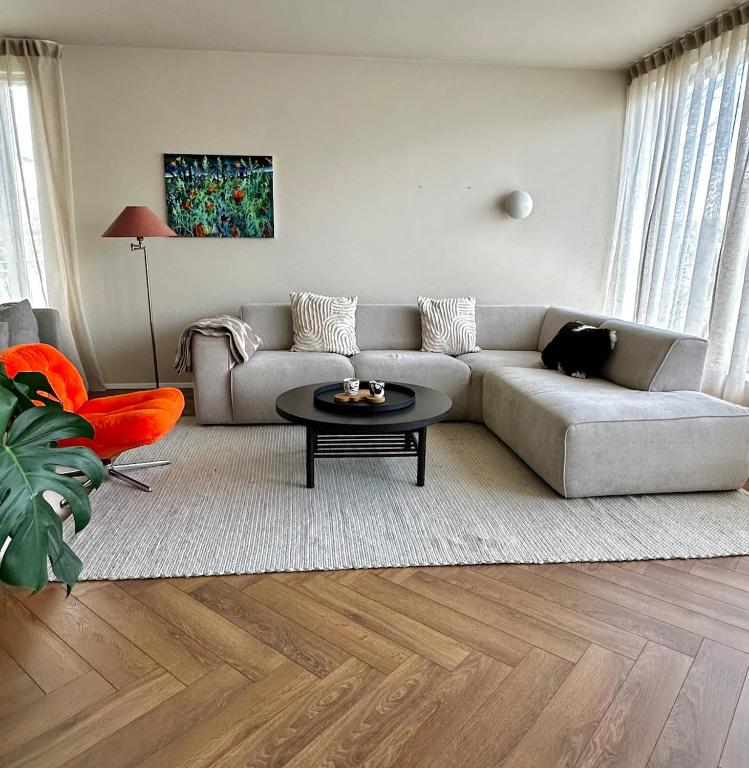

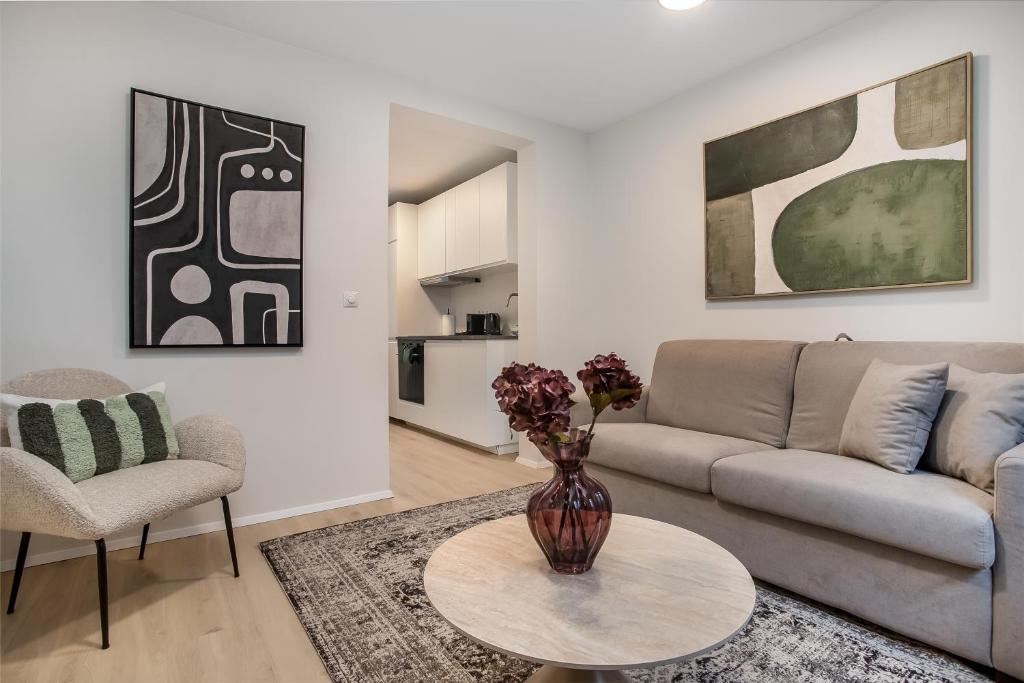
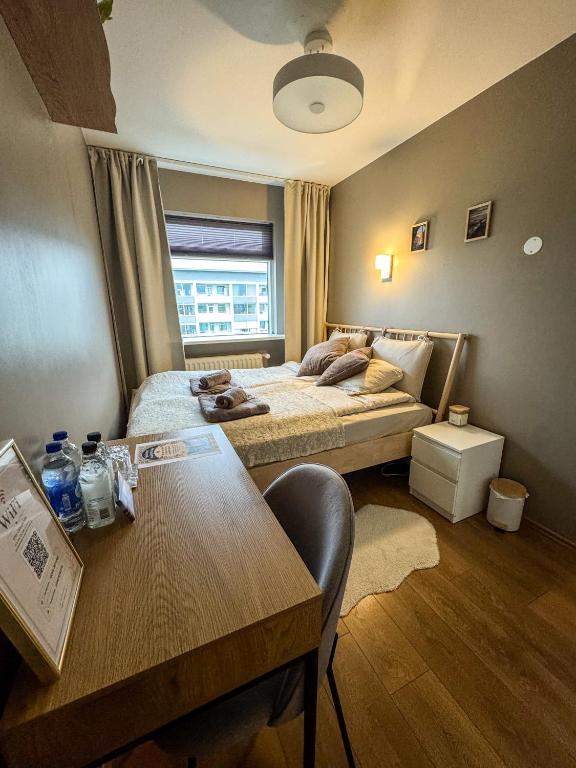
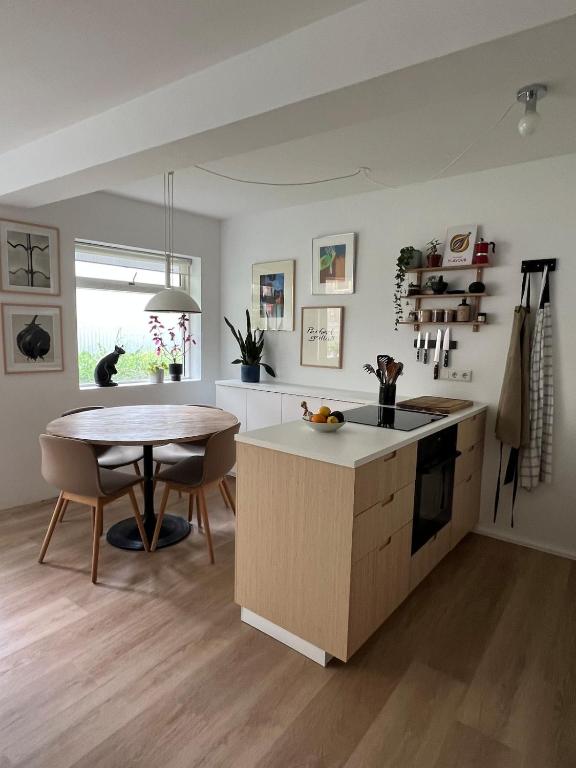 from $627To the page
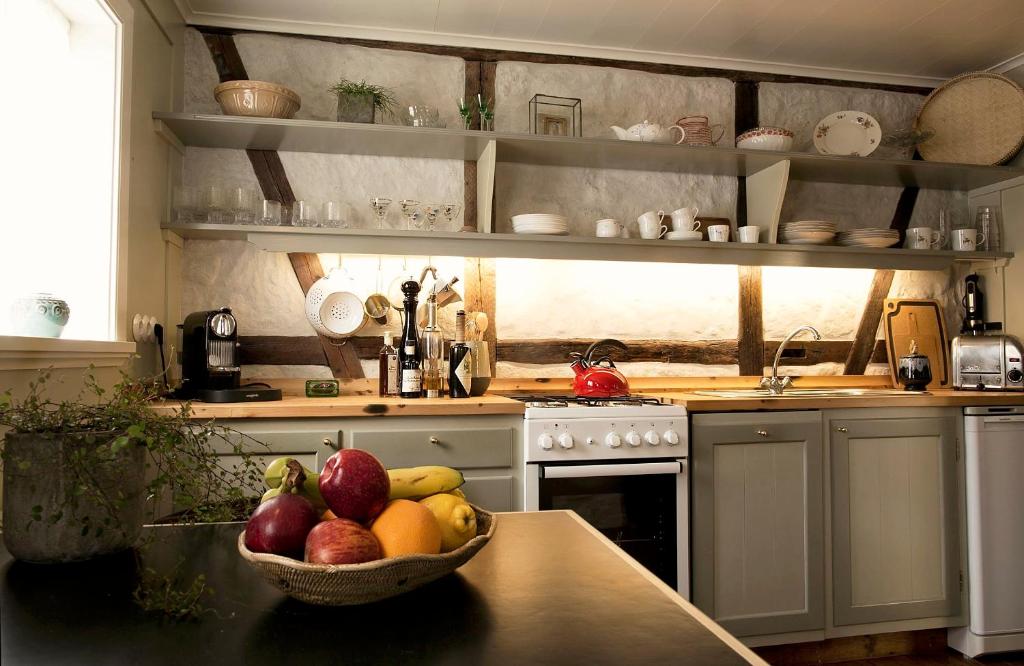


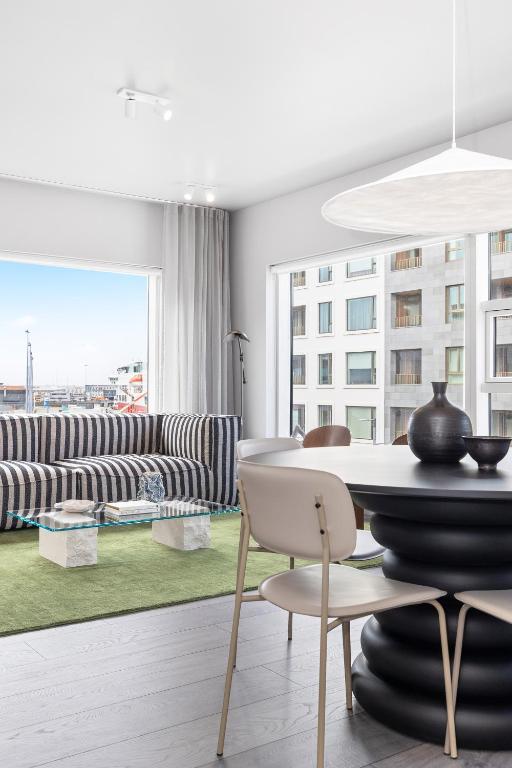
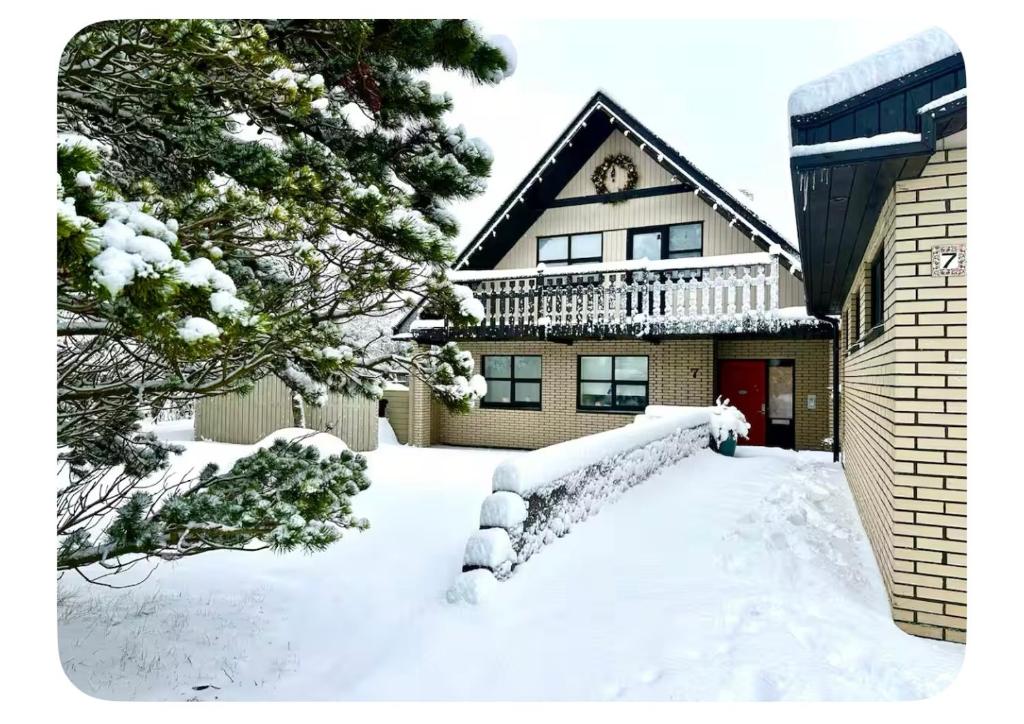



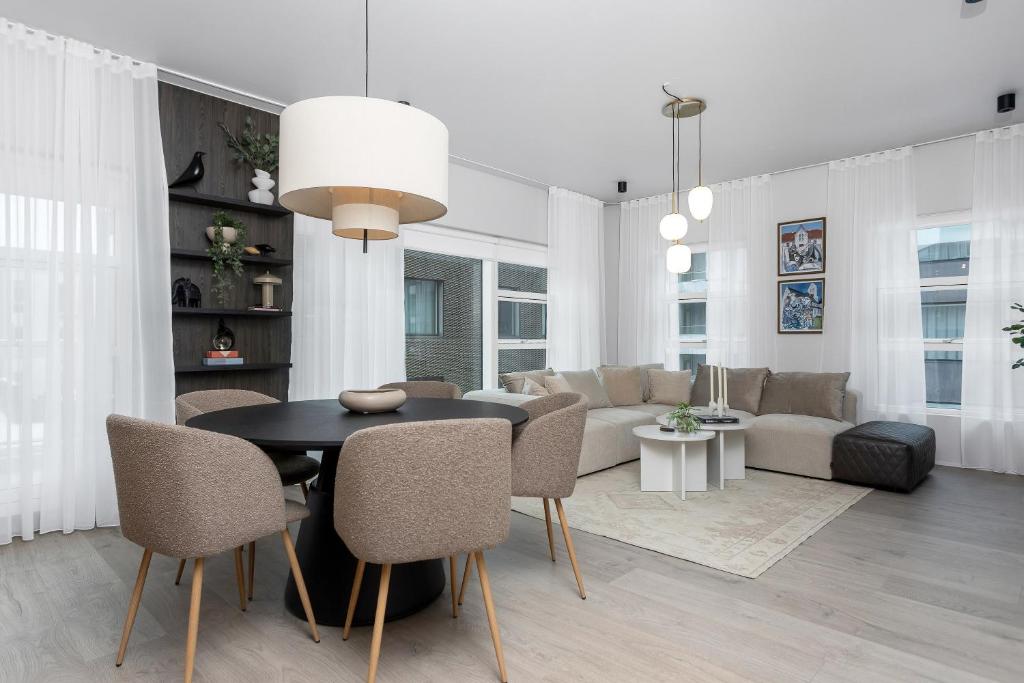

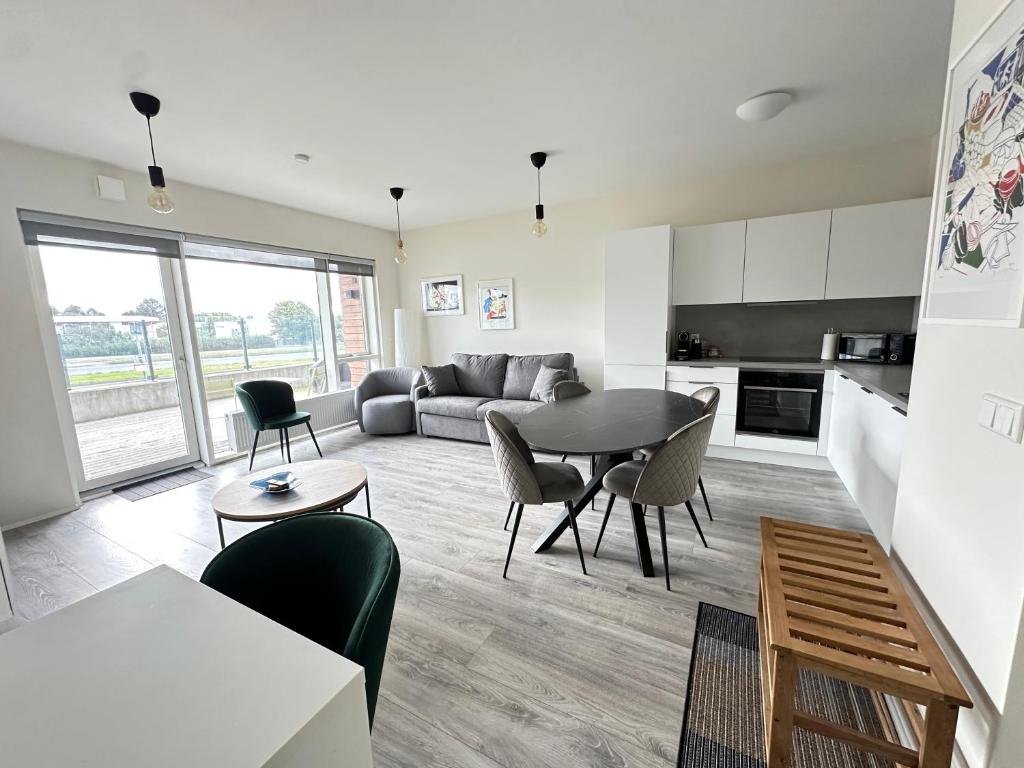
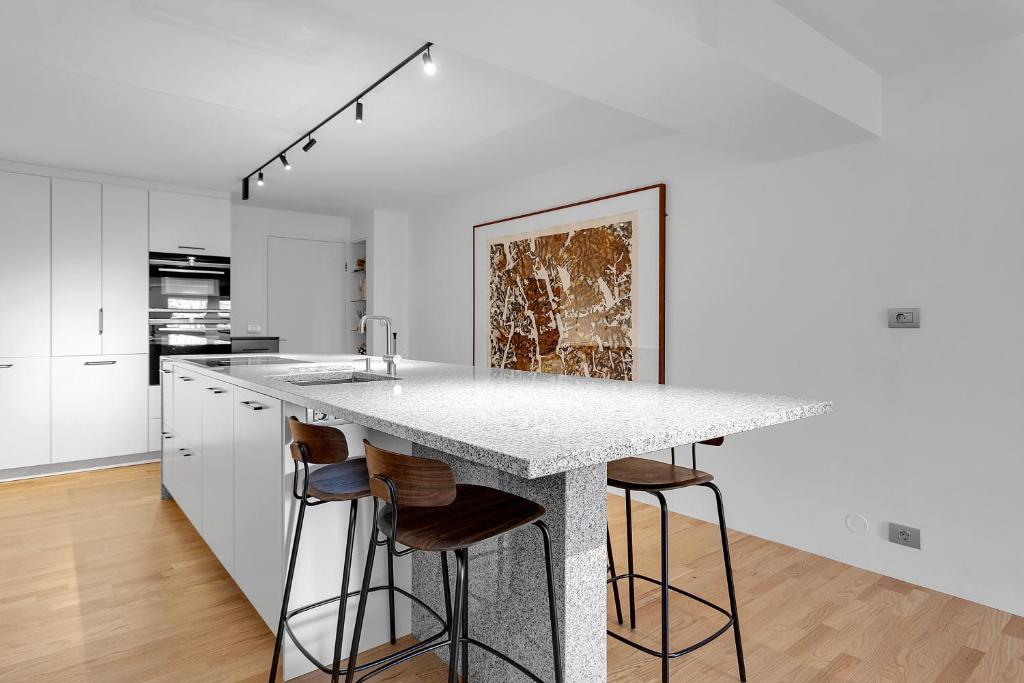
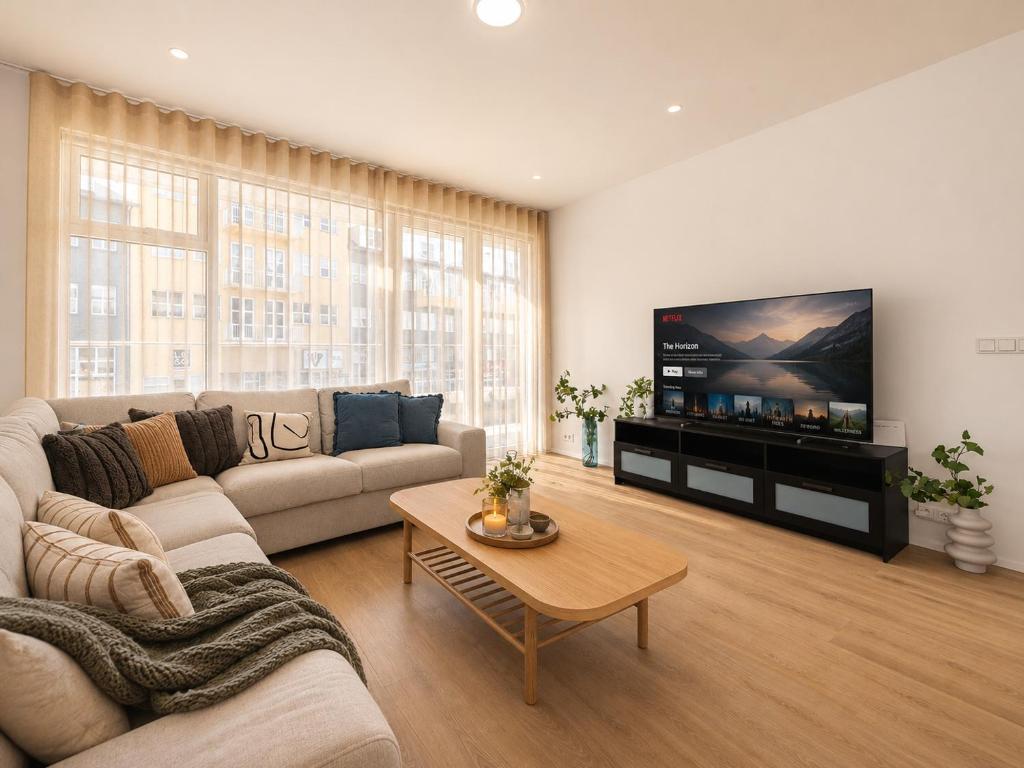






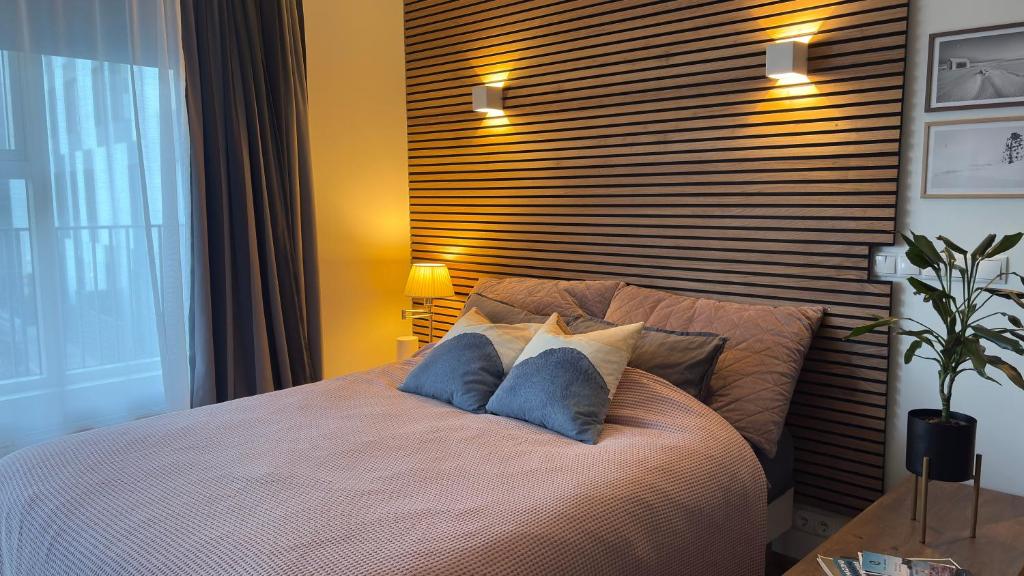
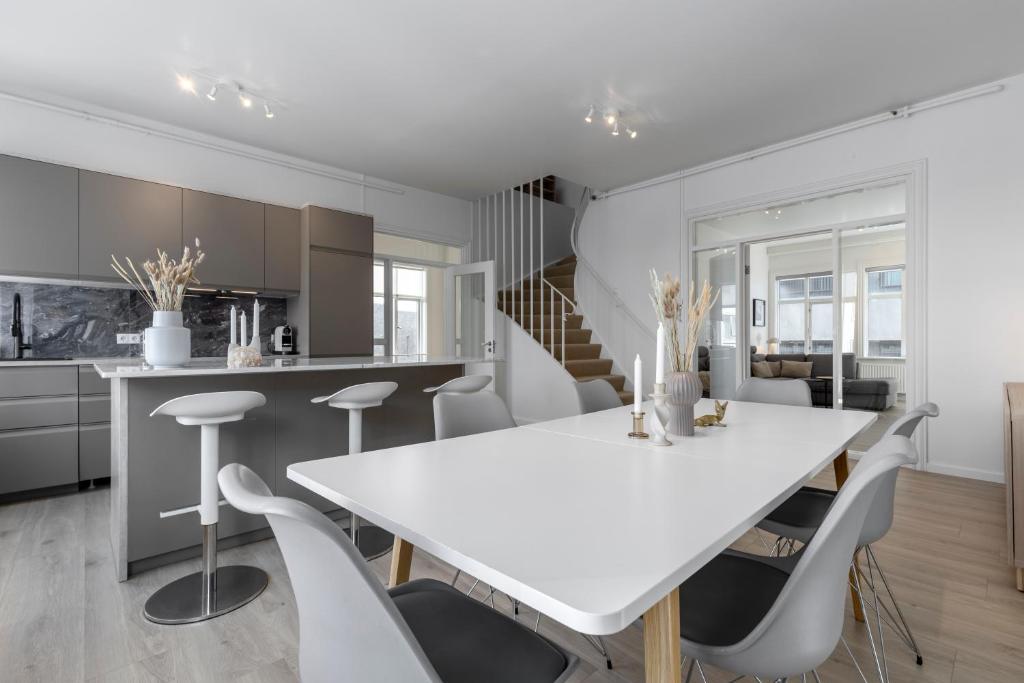
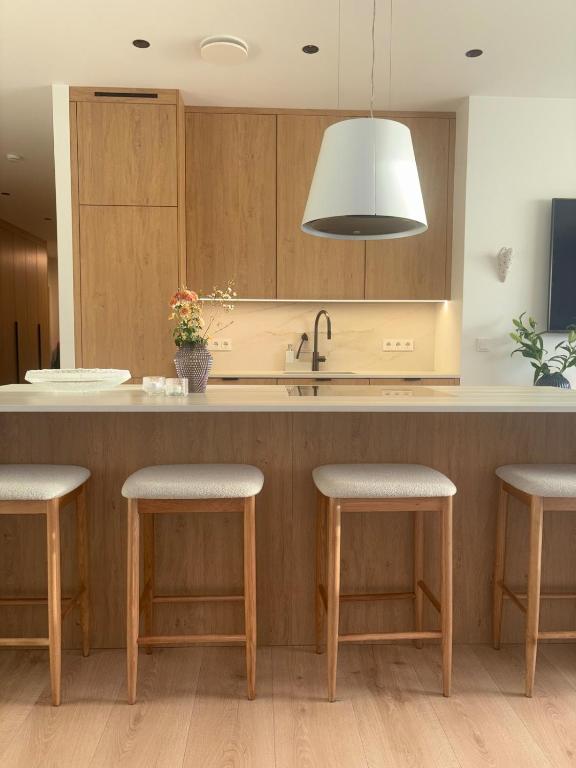

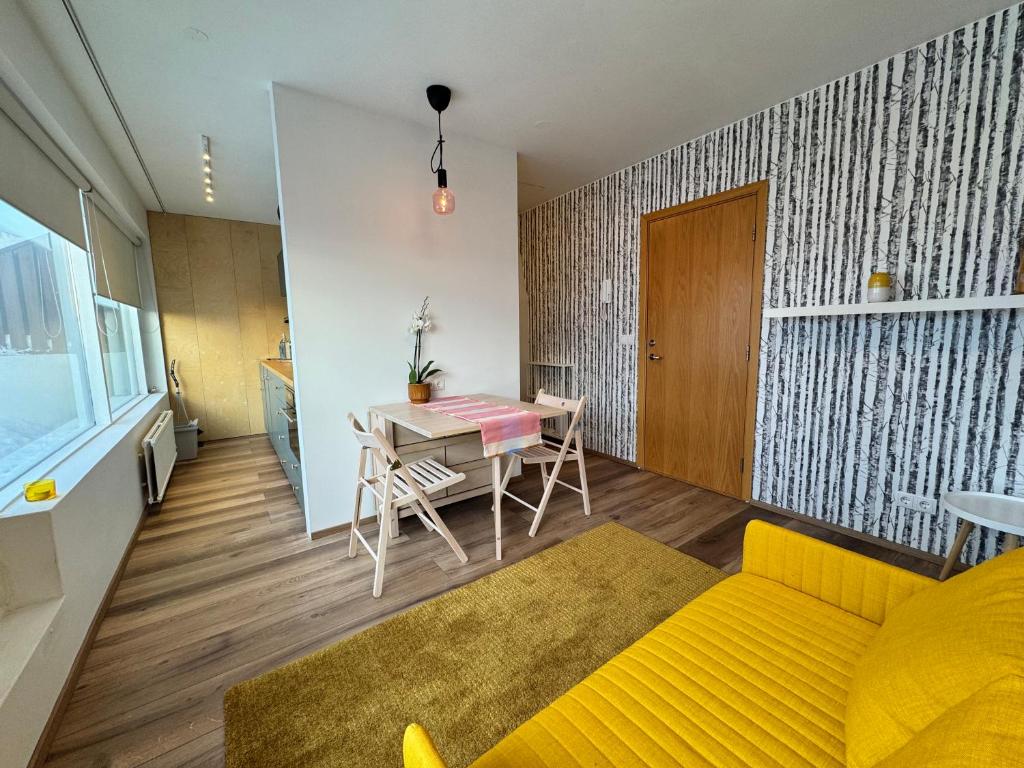













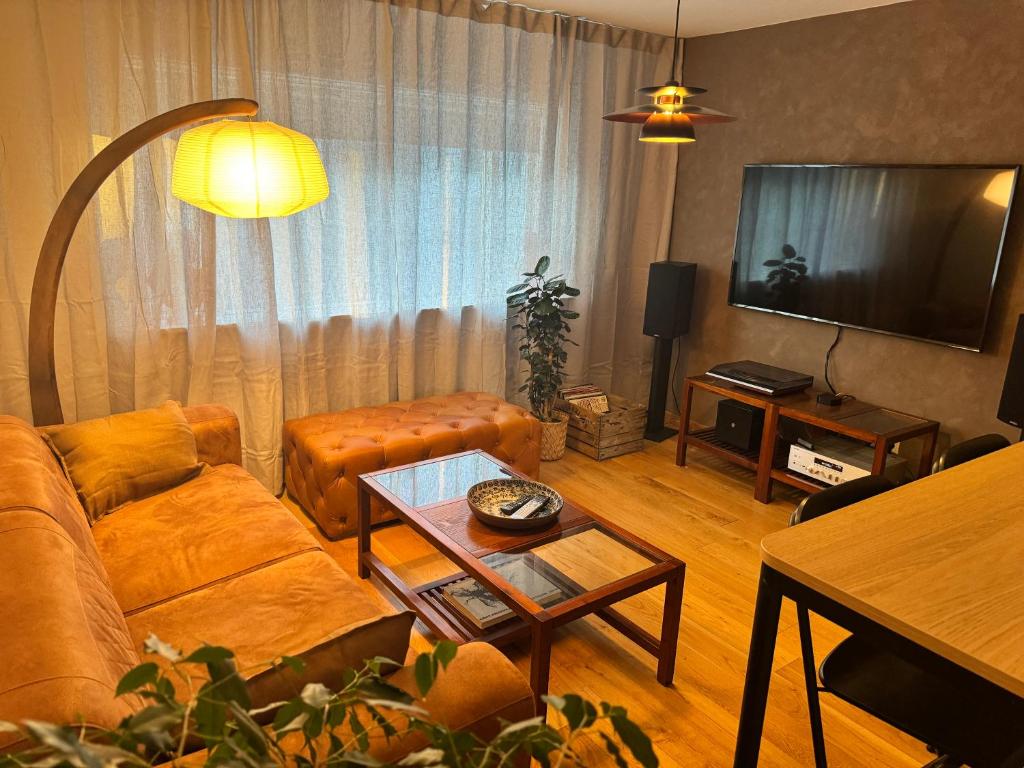

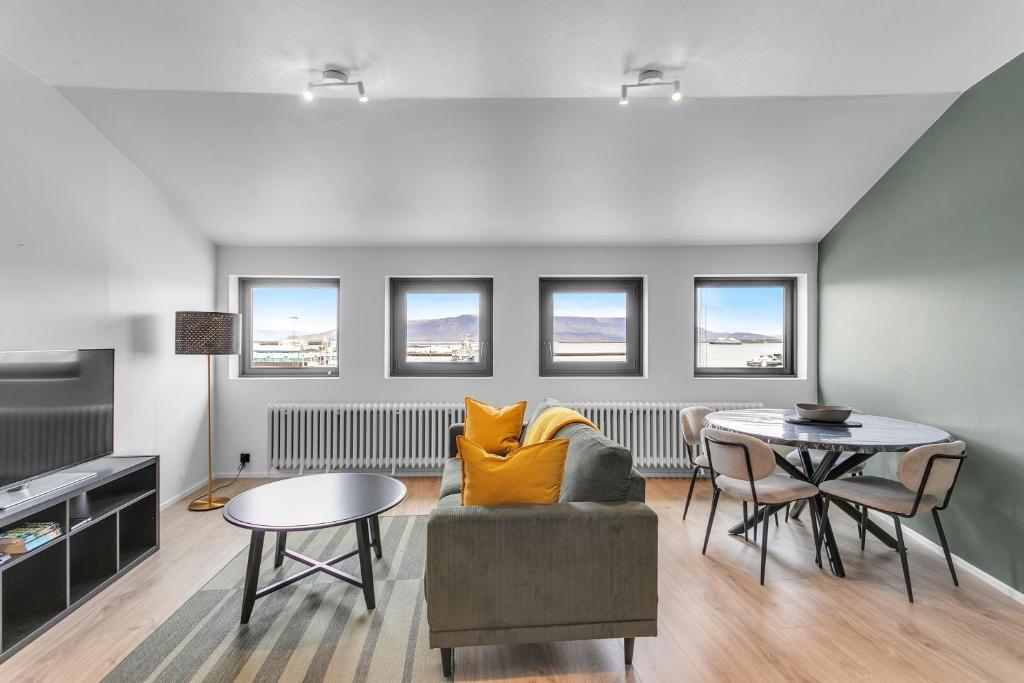
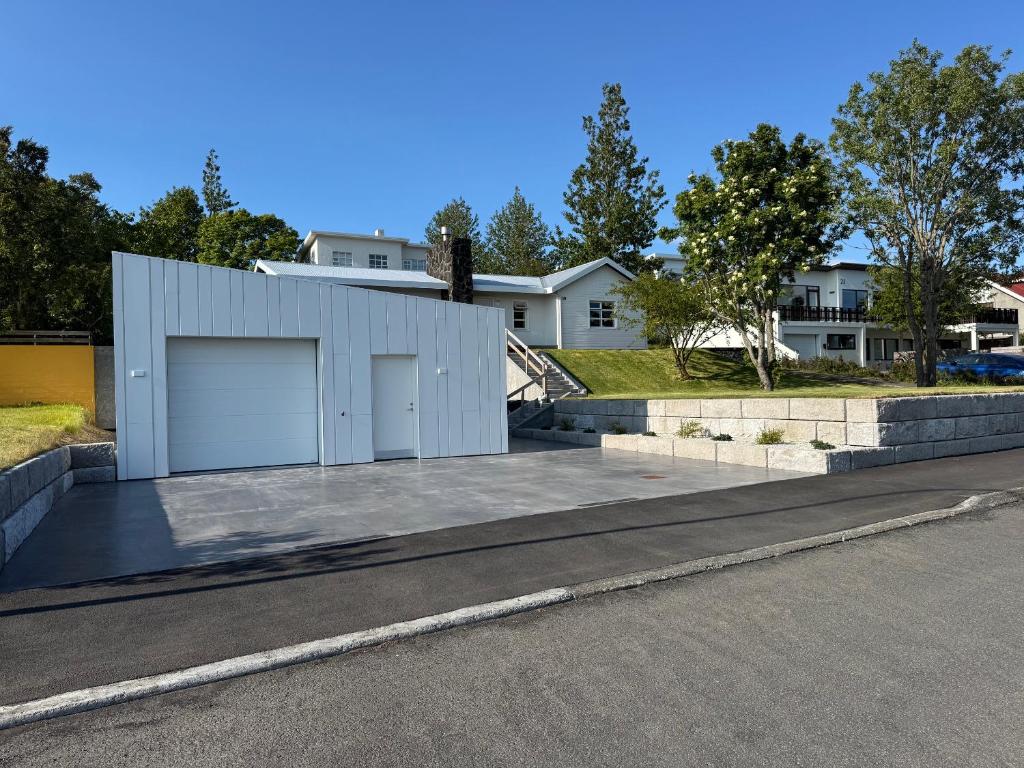

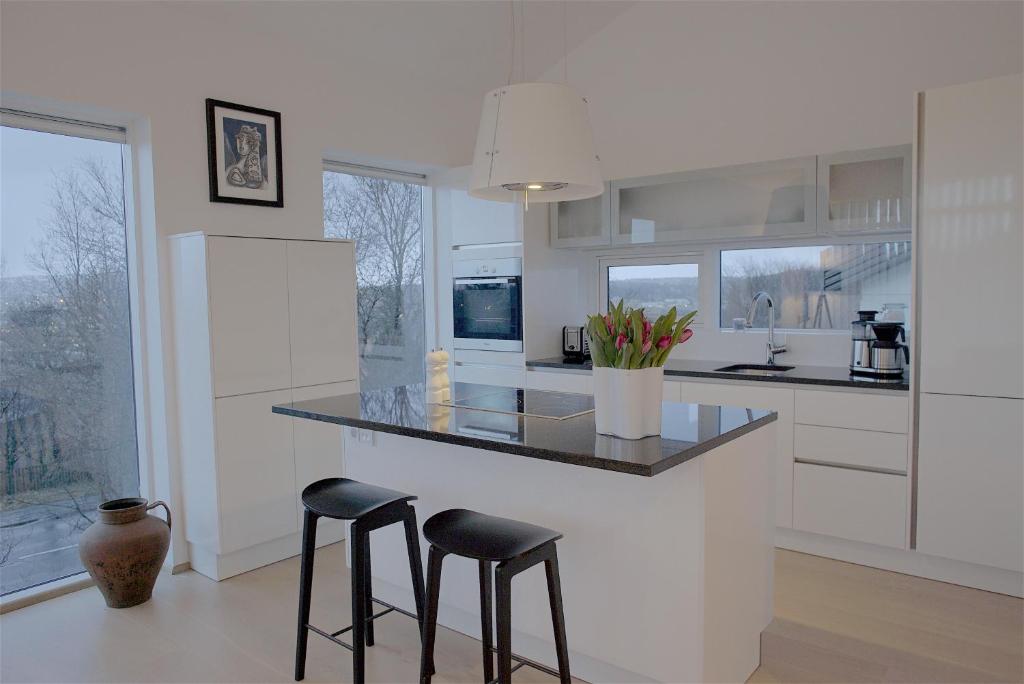
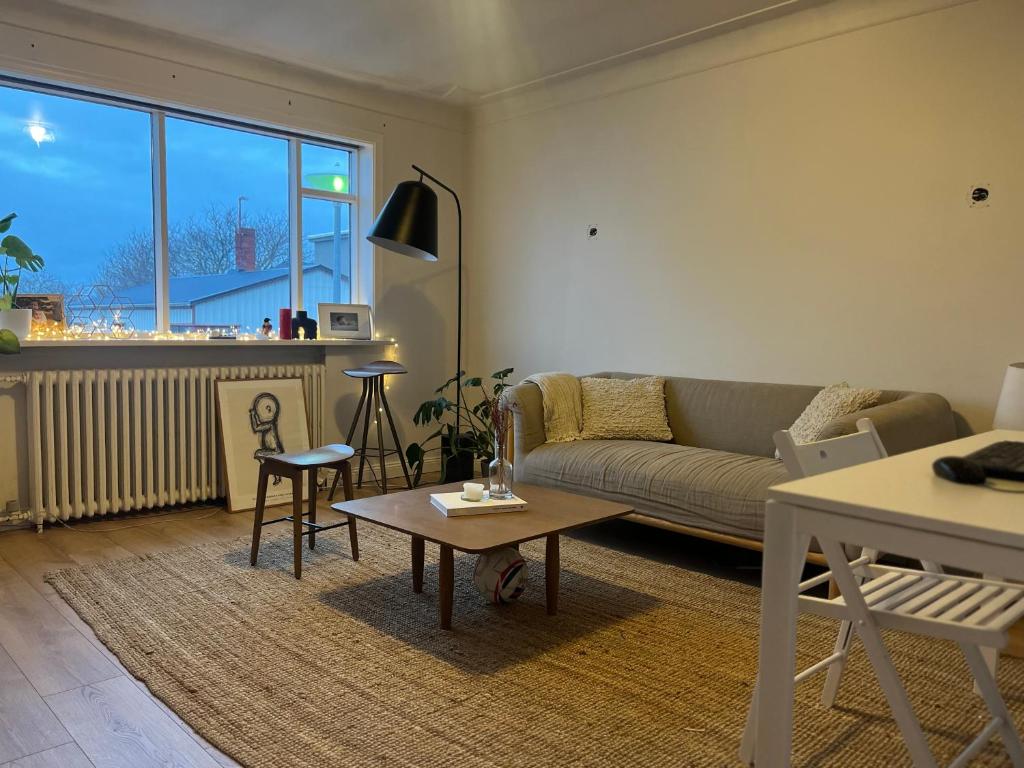 from $408To the page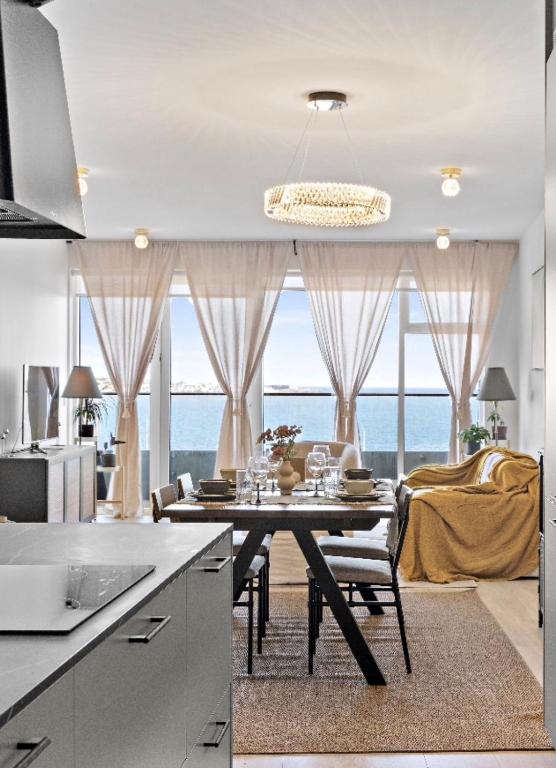
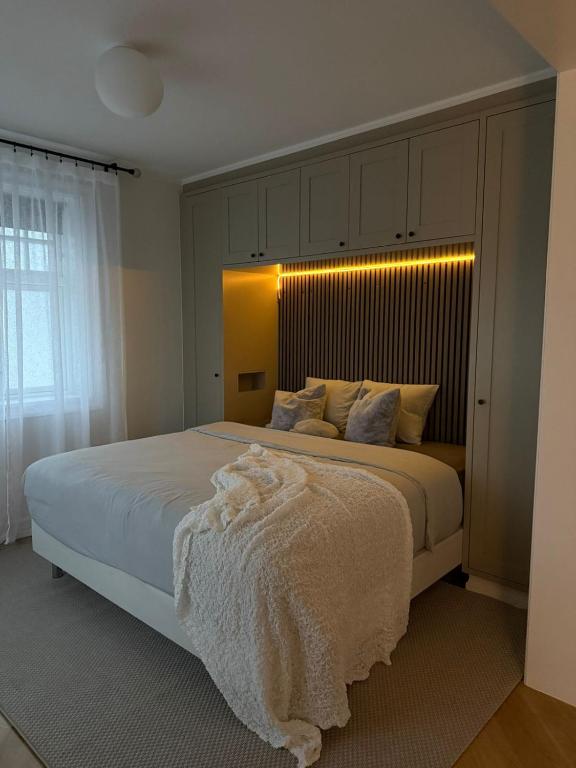
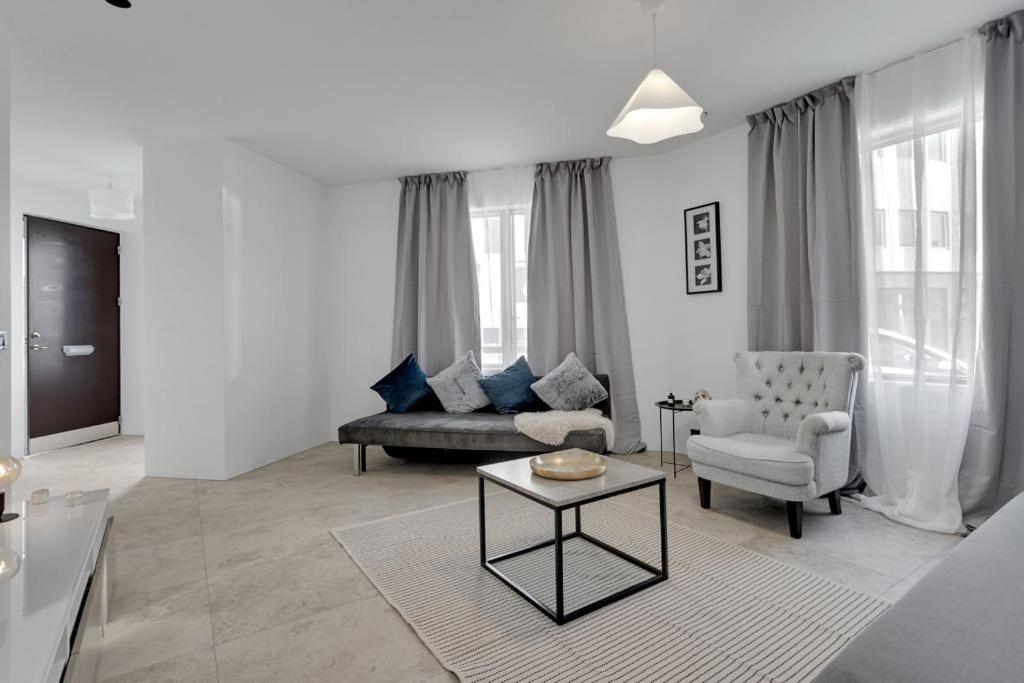

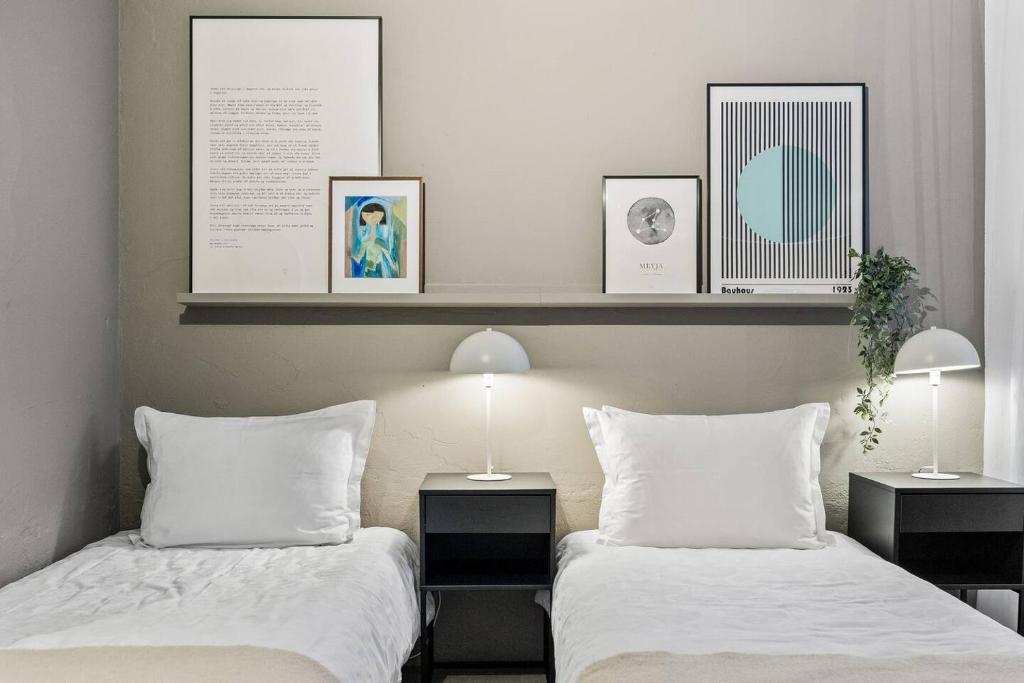


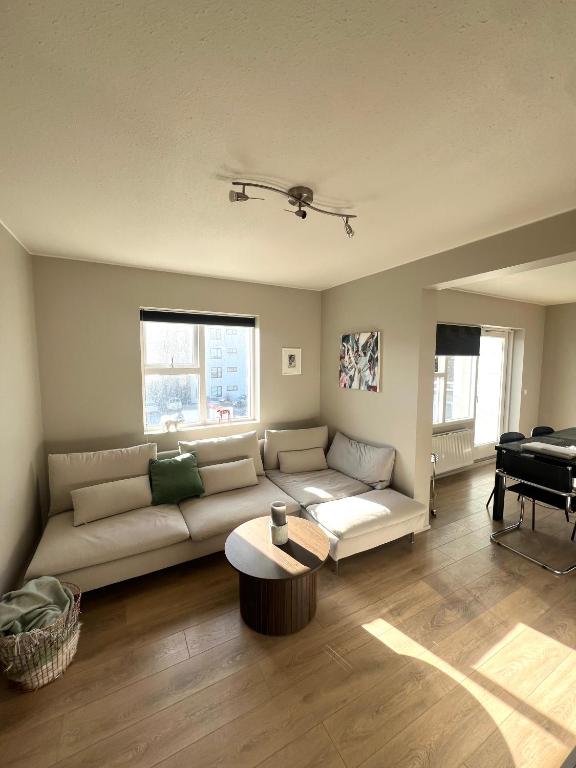 from $487To the page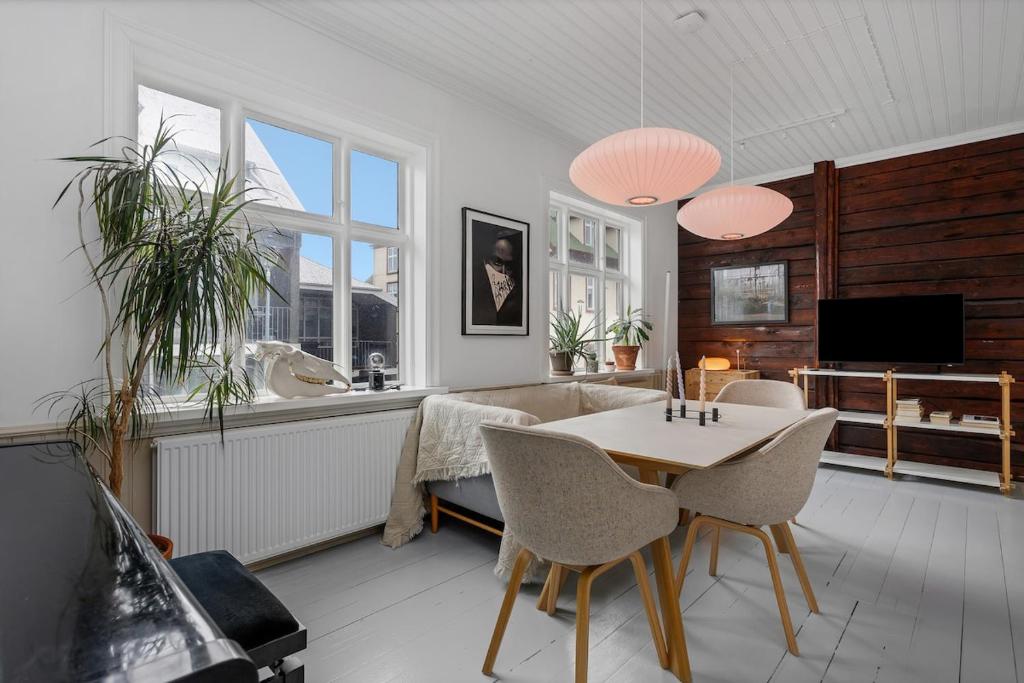
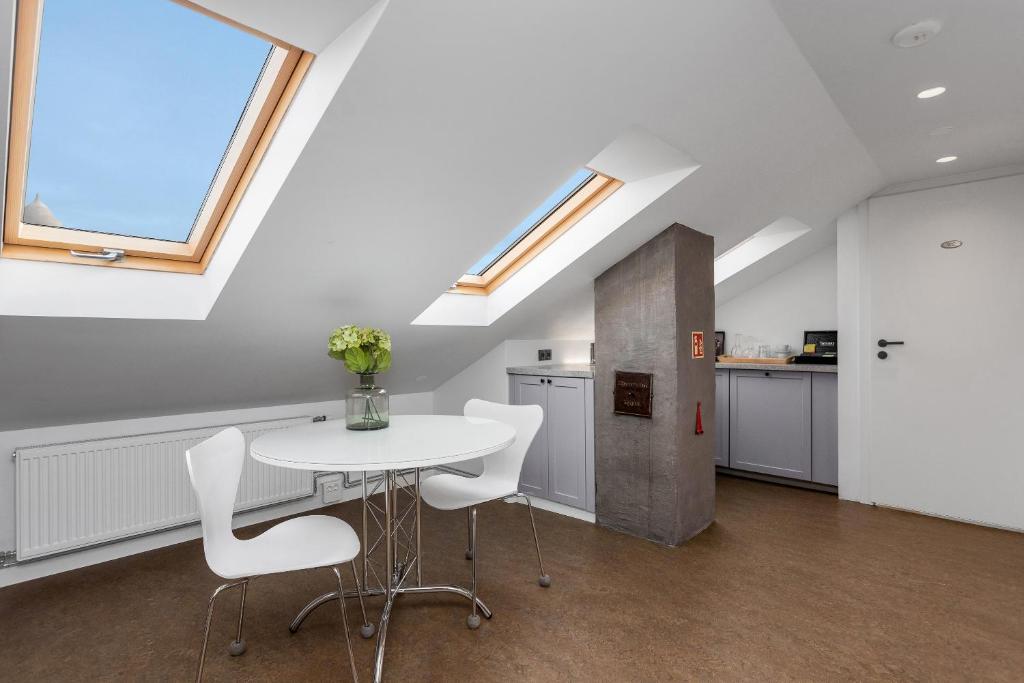


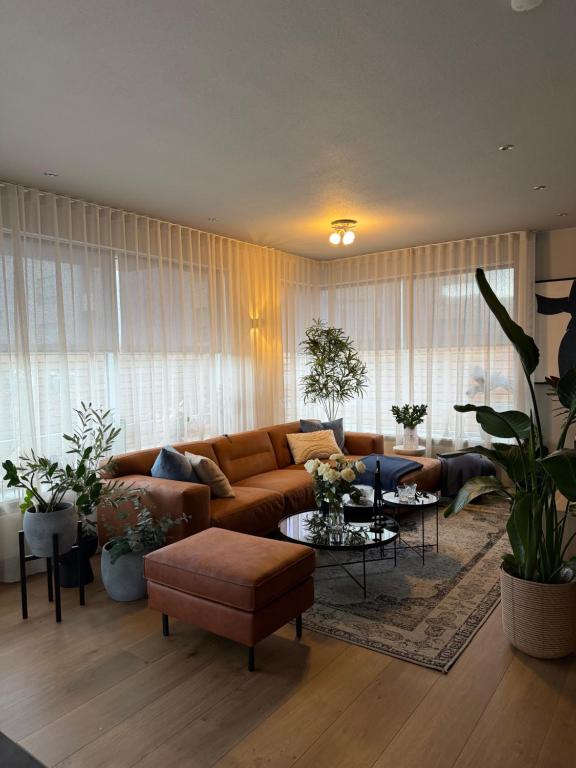 from $693To the page
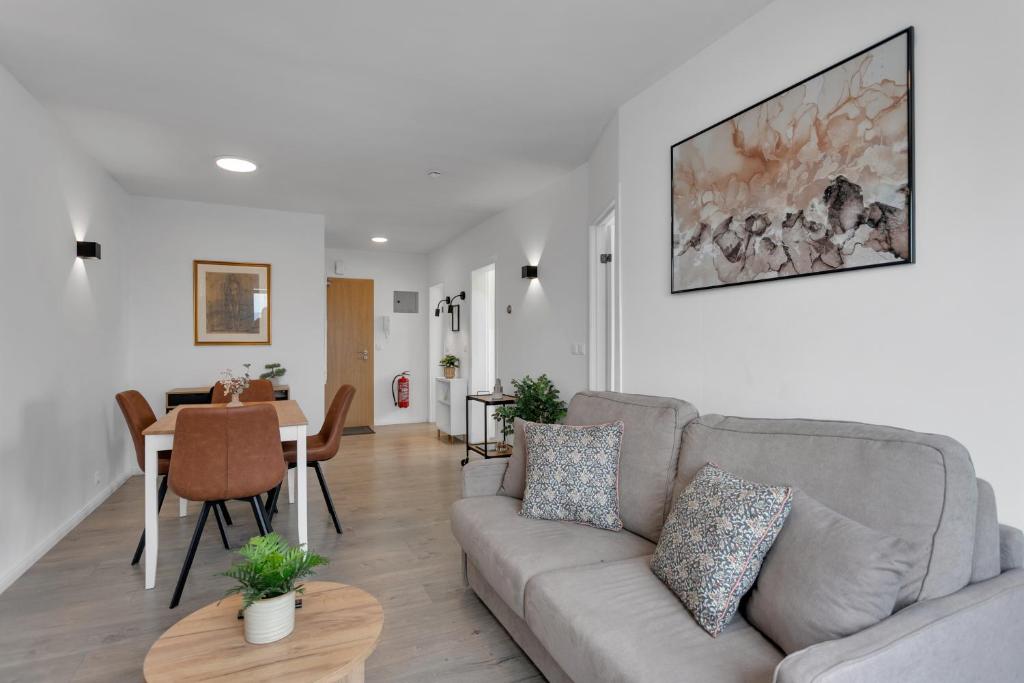


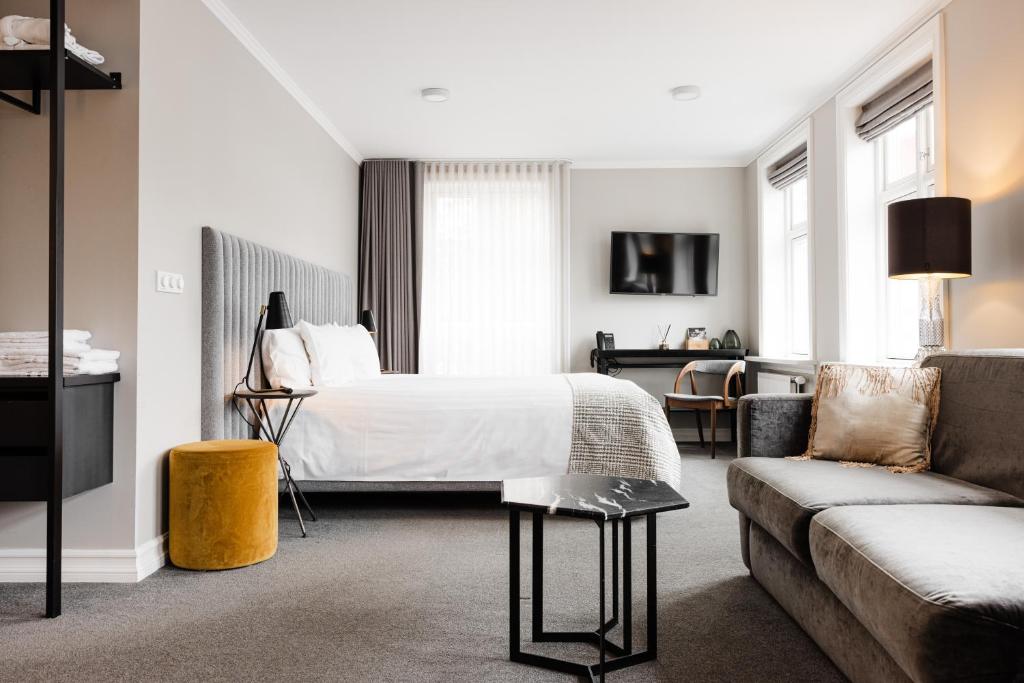




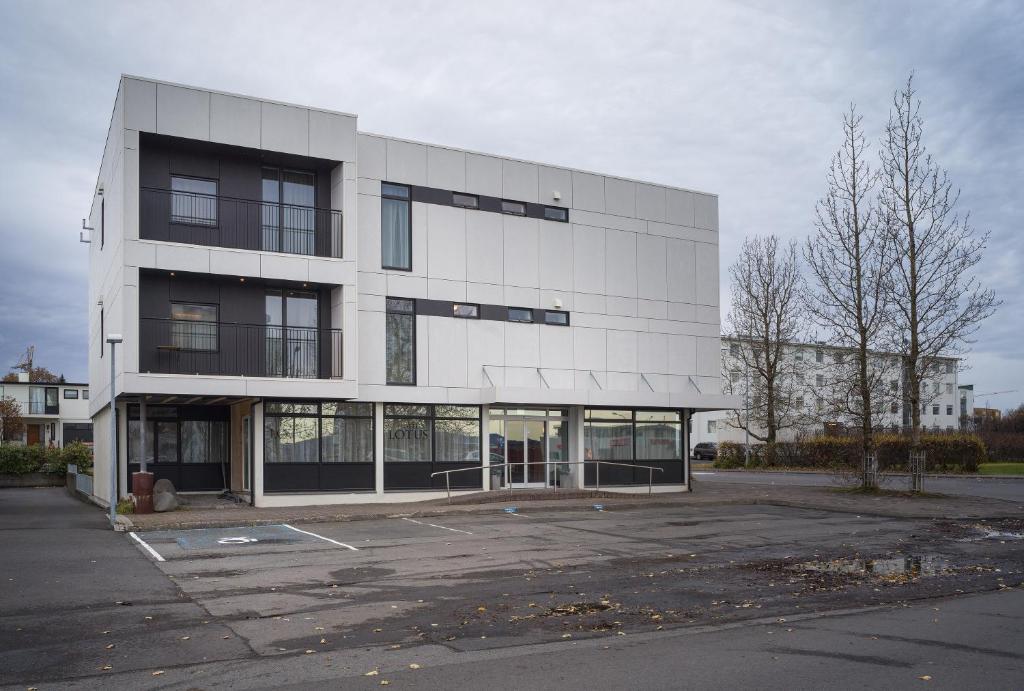
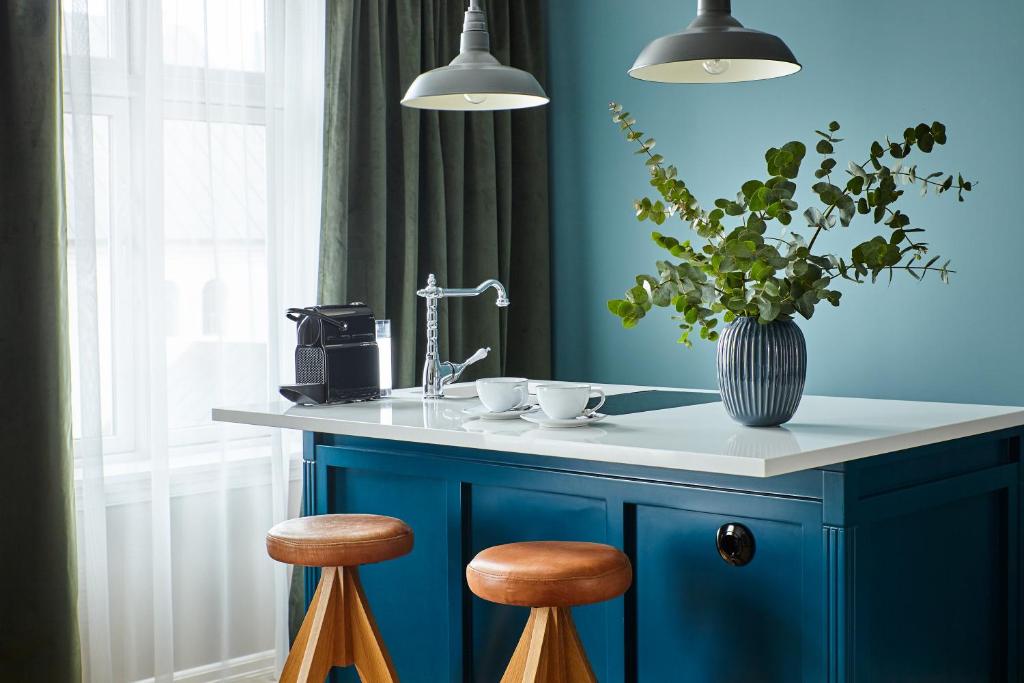

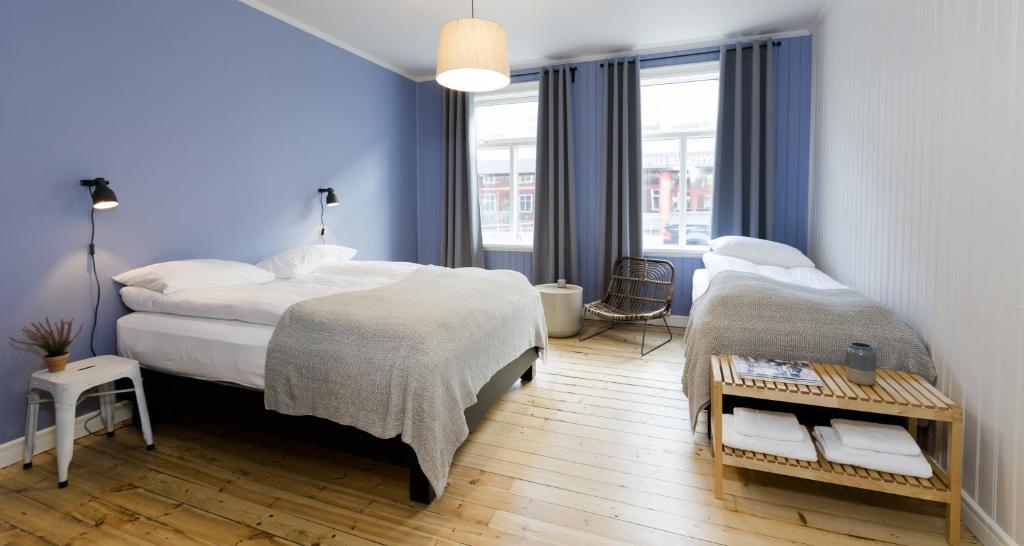

 from $1329To the page


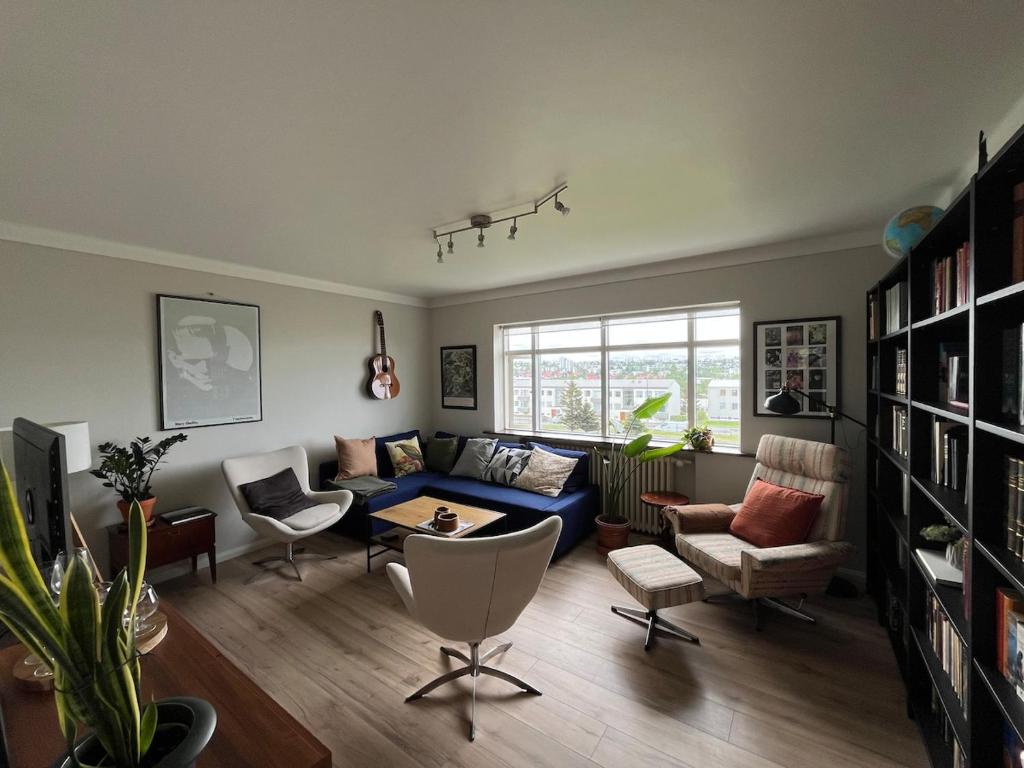














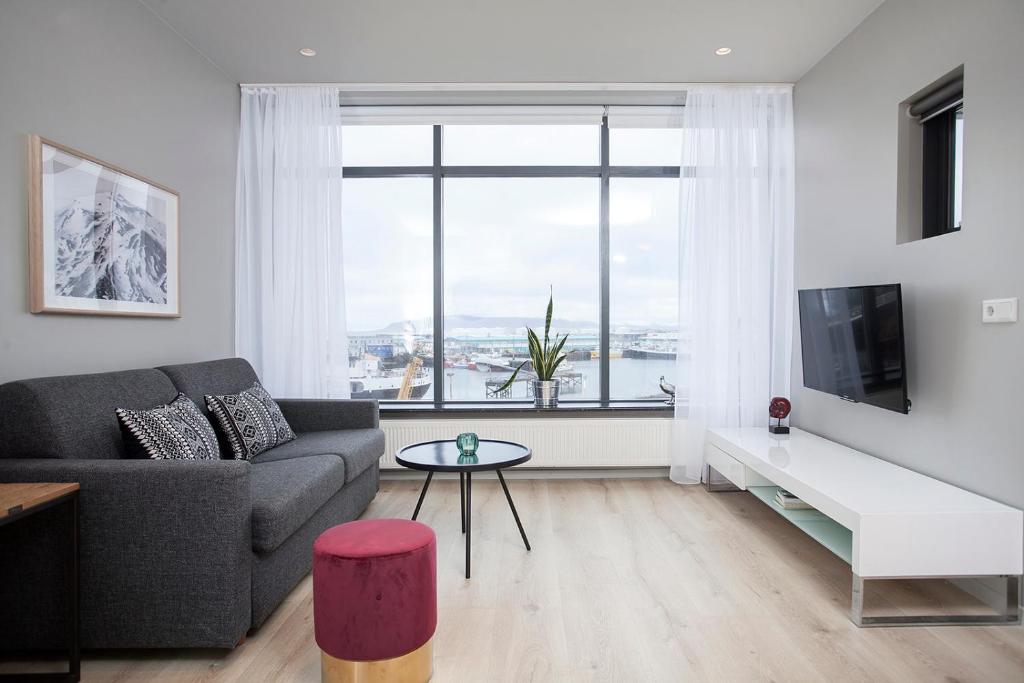
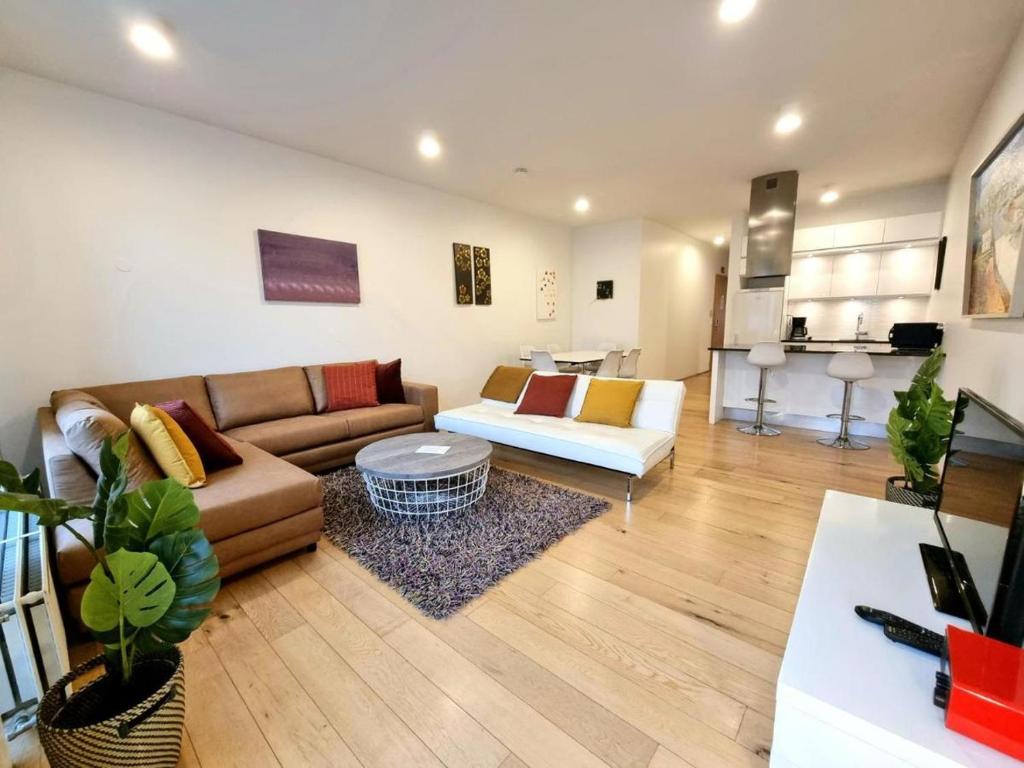


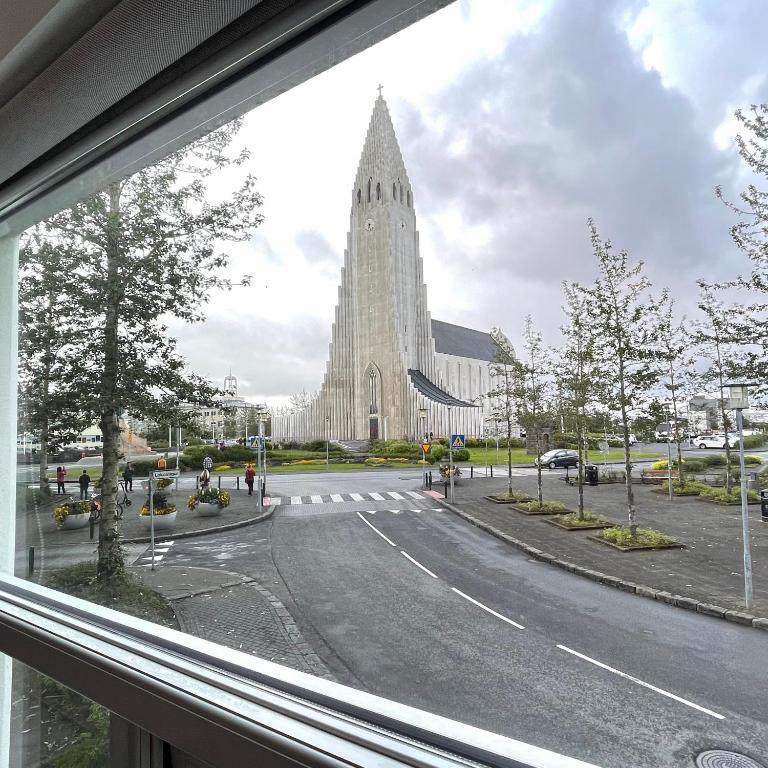


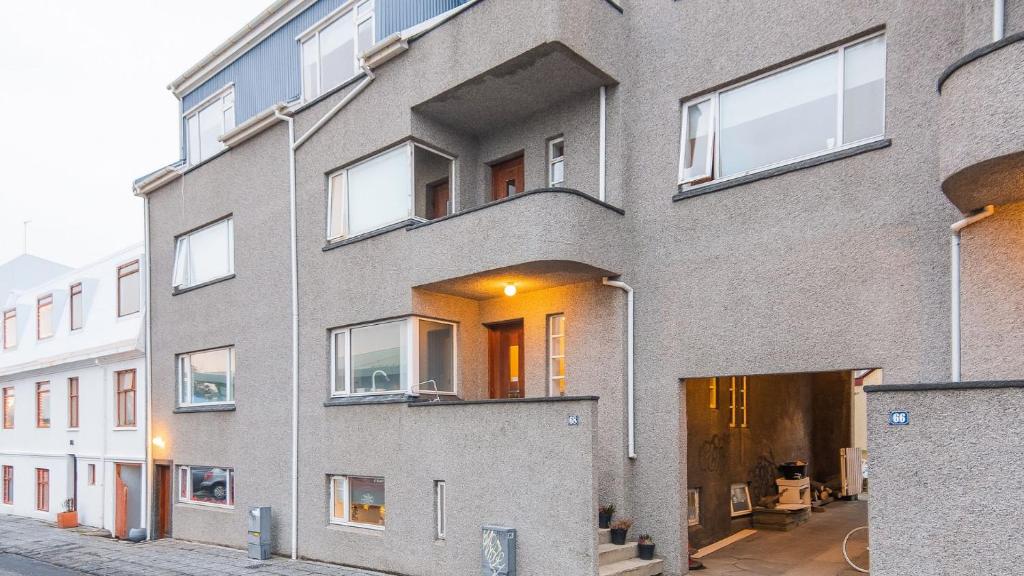



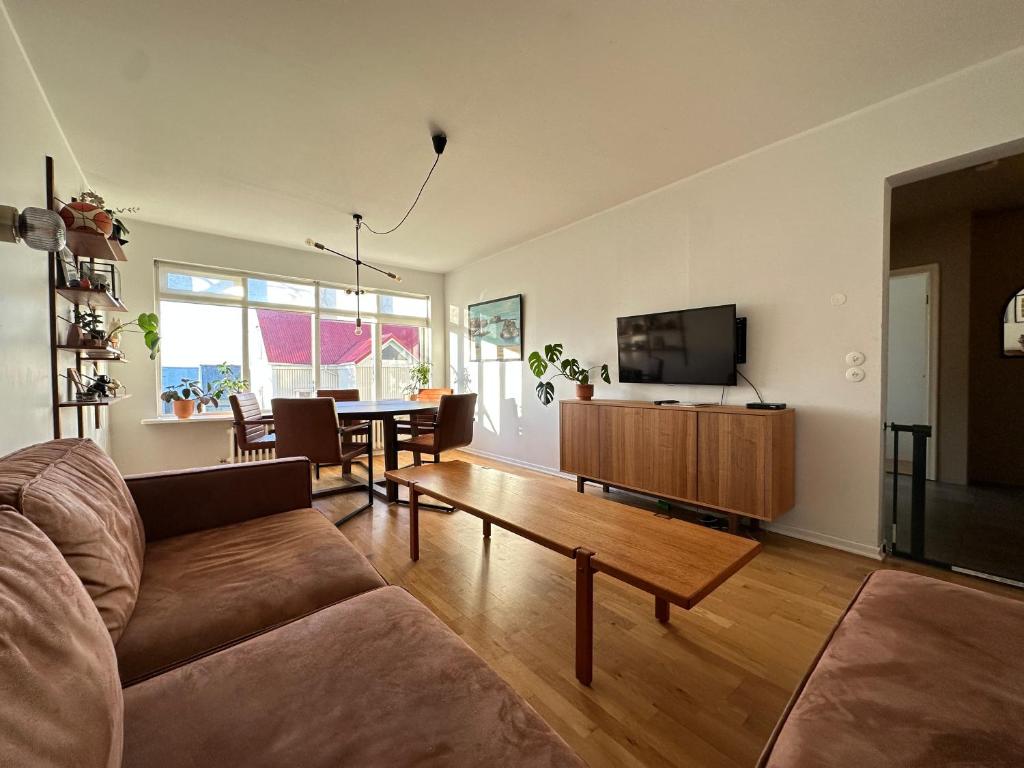
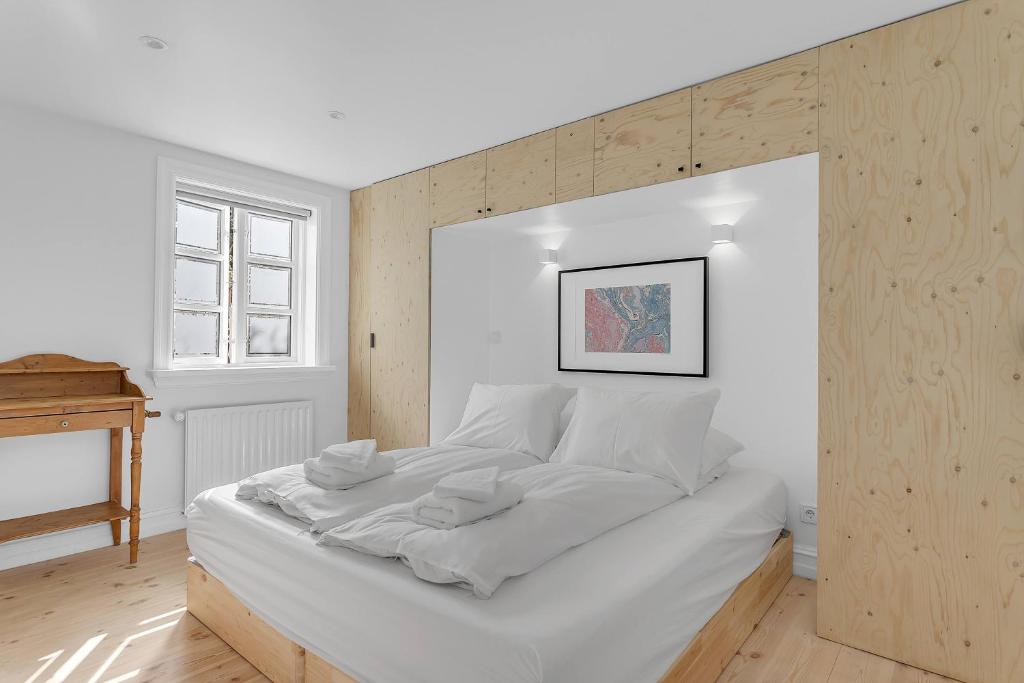
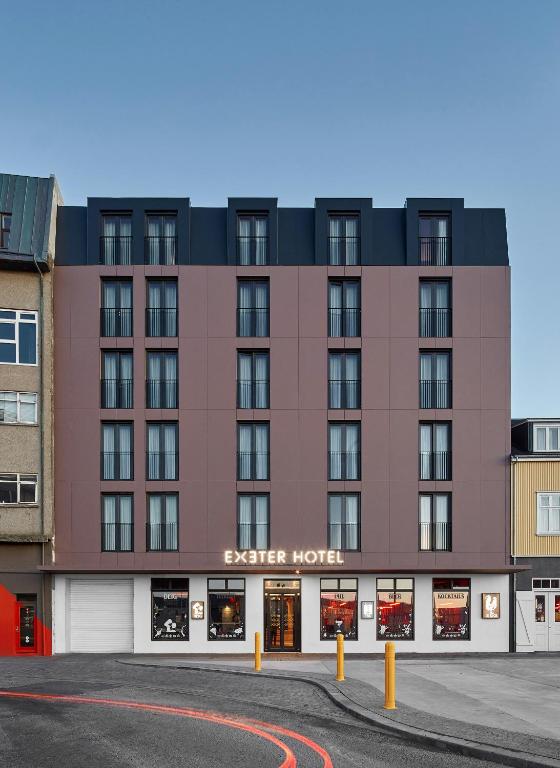
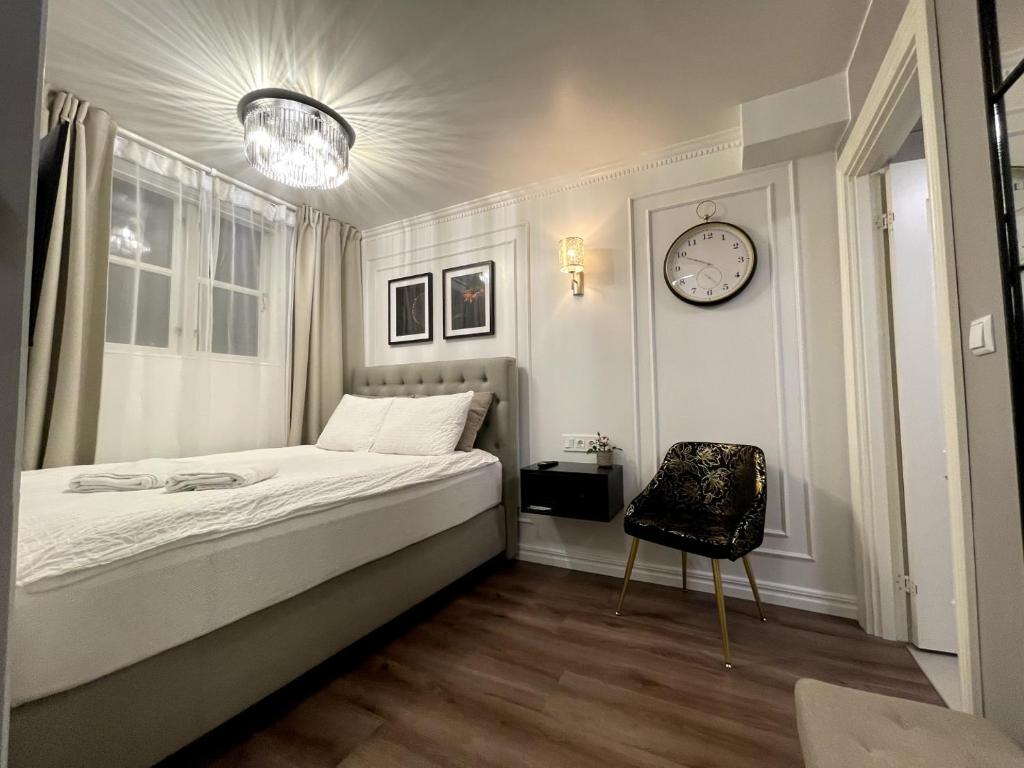






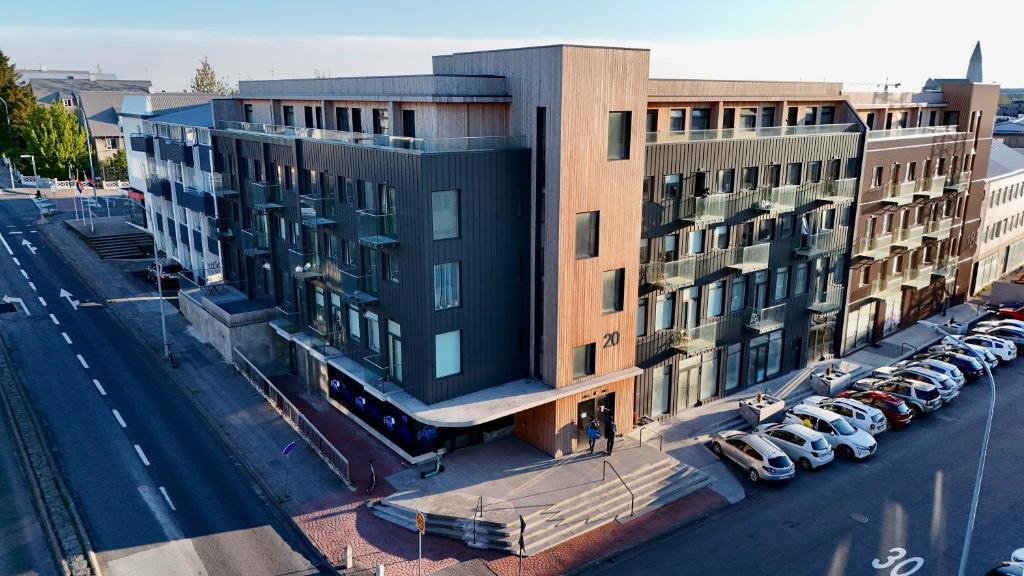

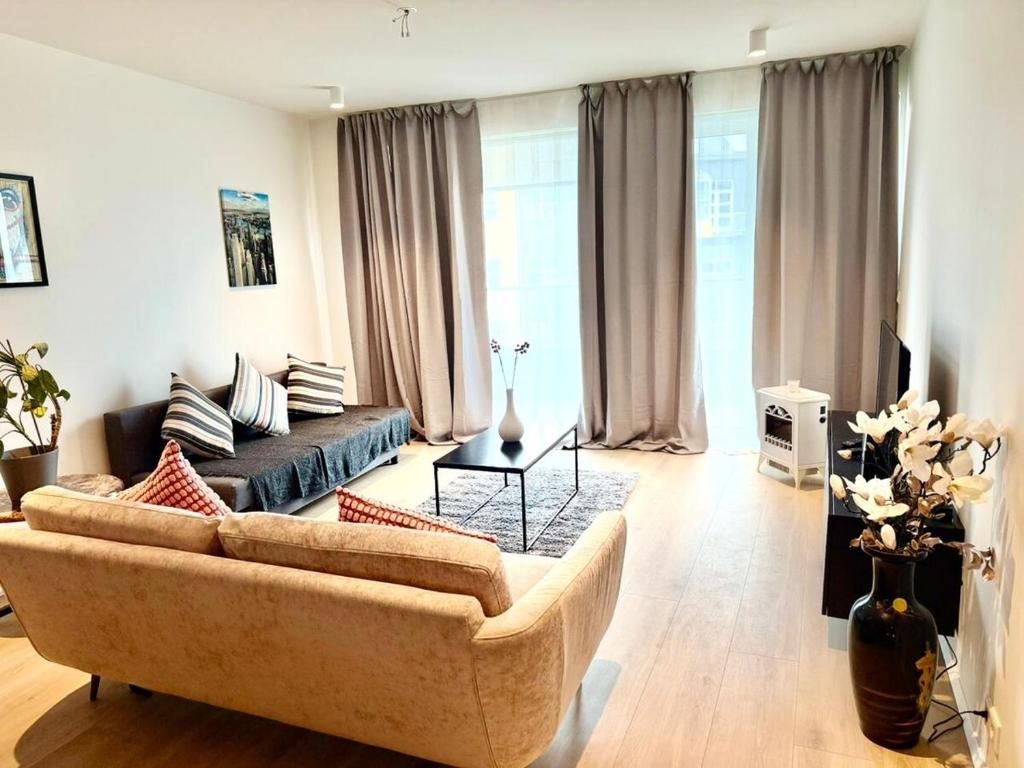


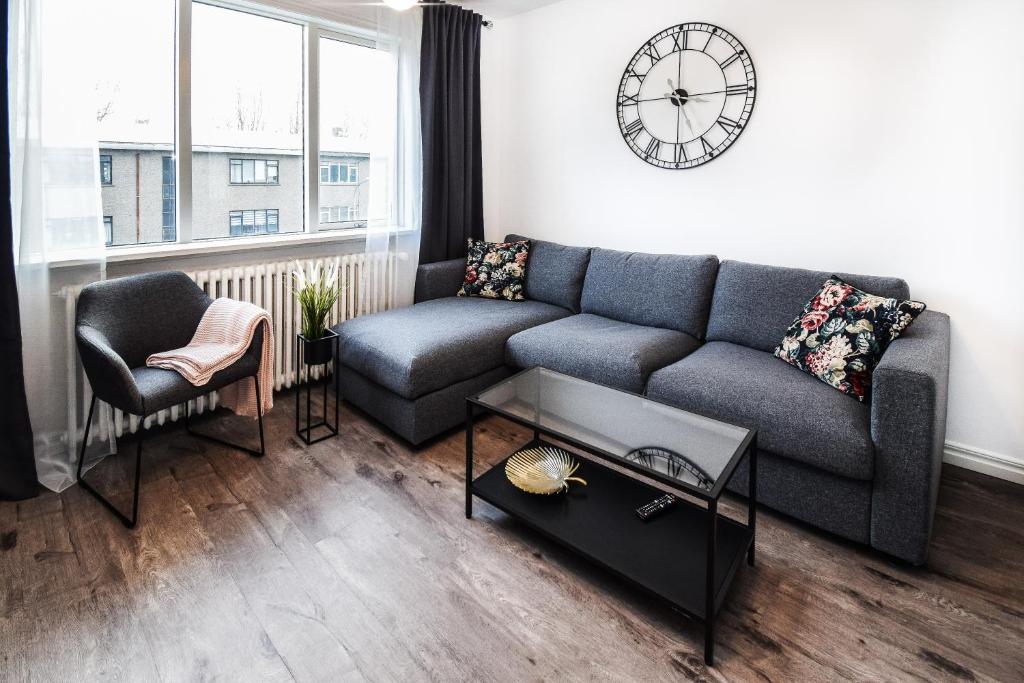
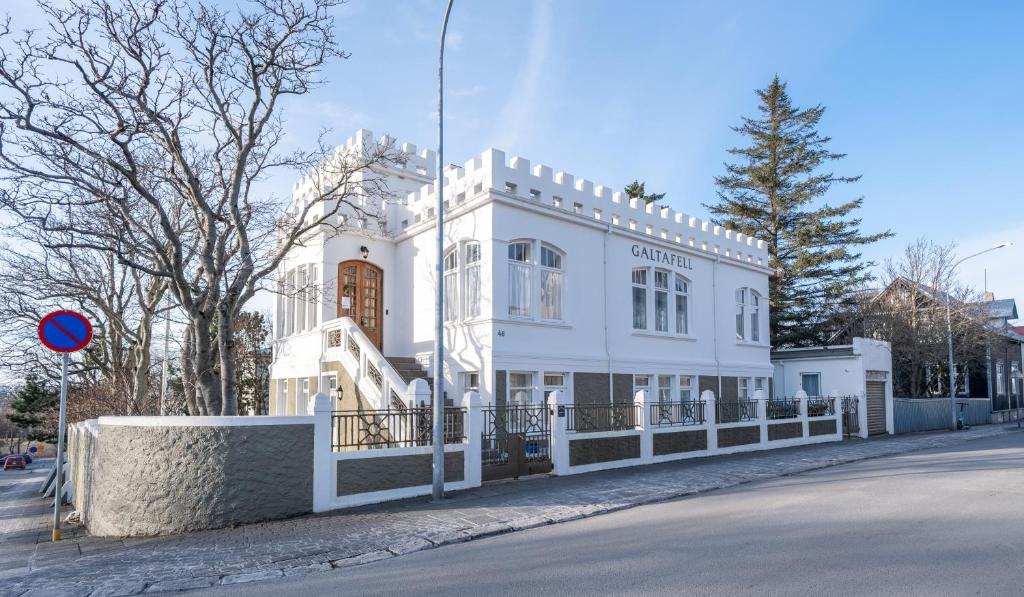
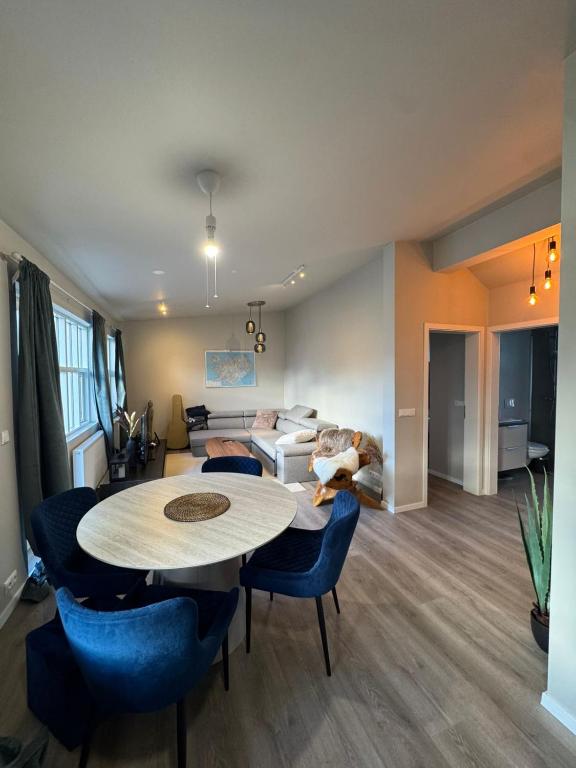
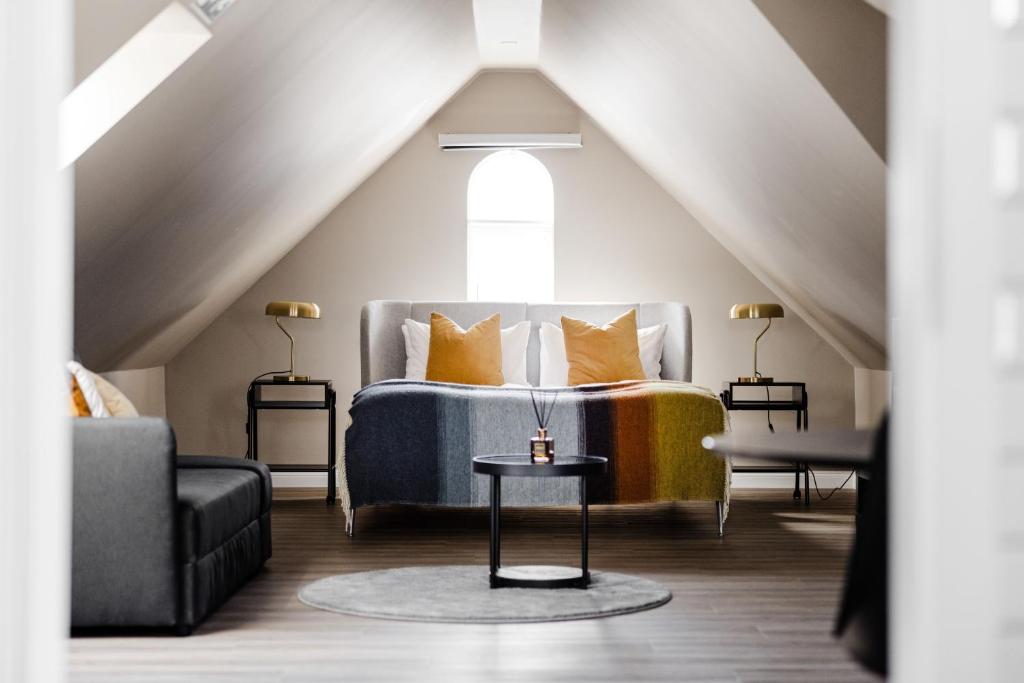
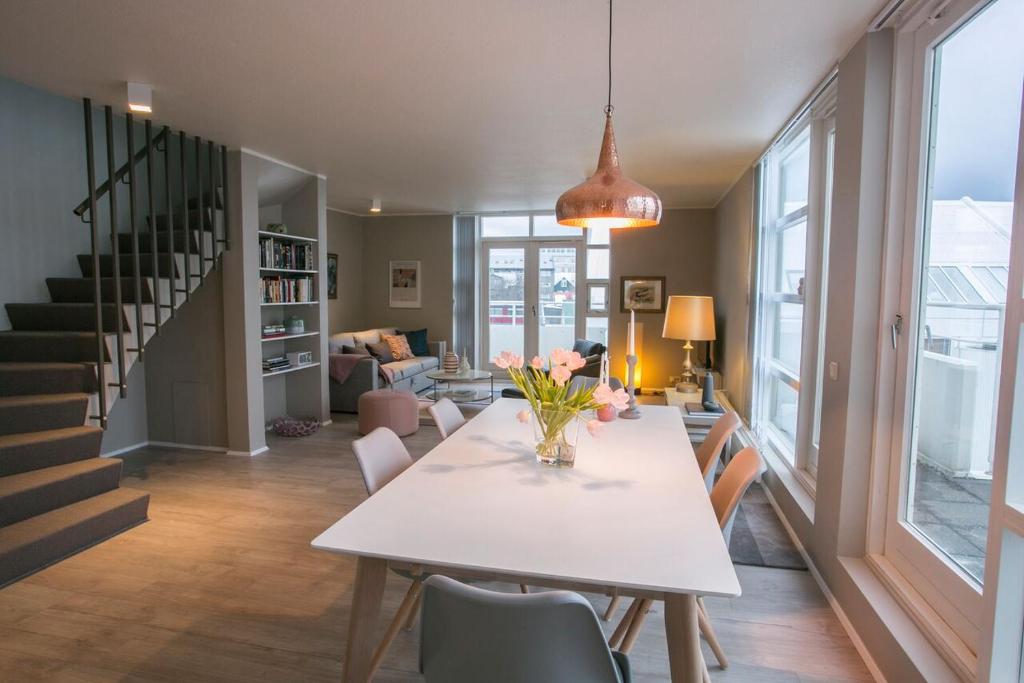
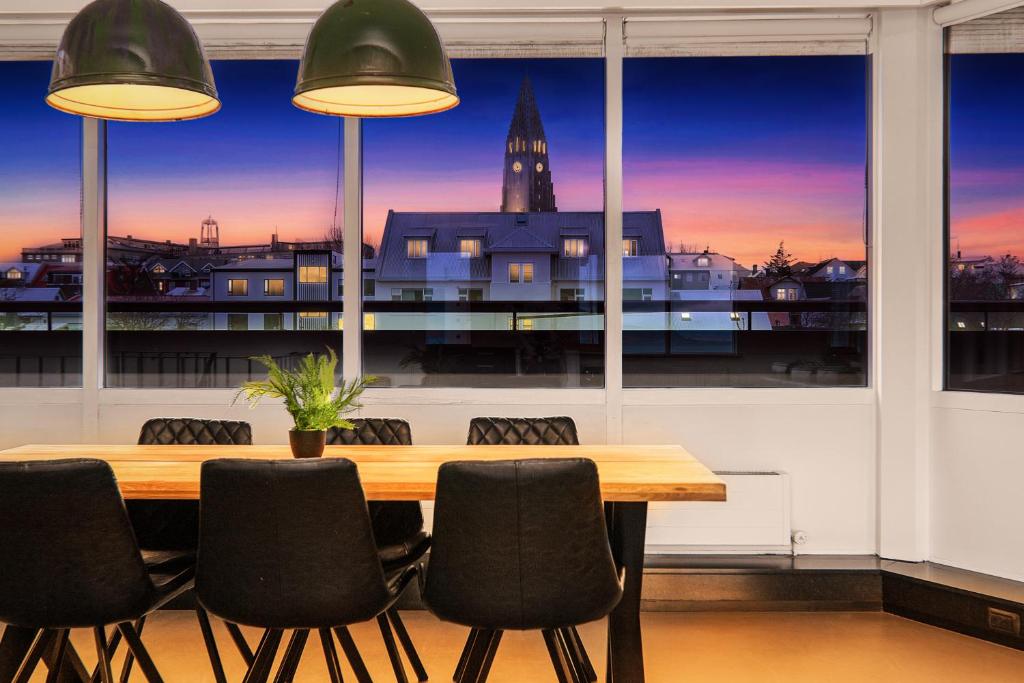
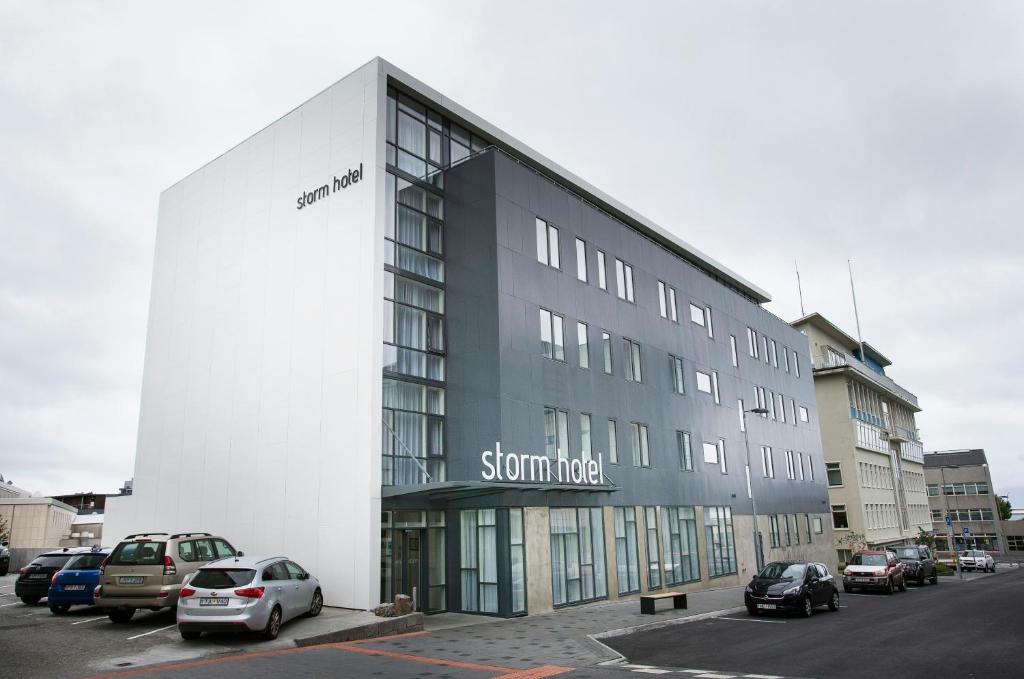
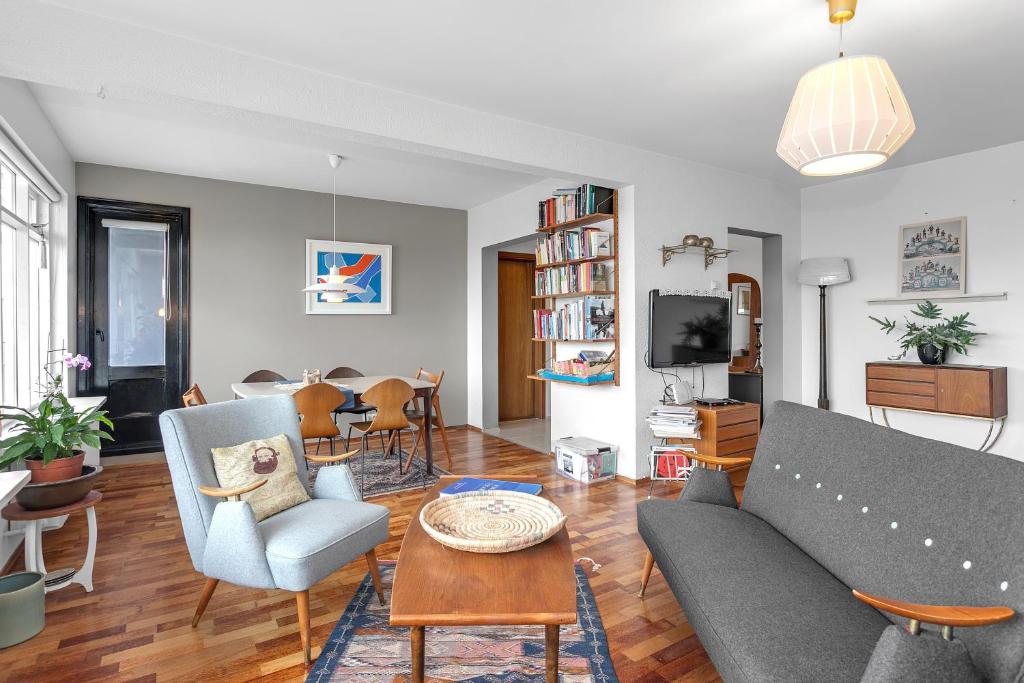

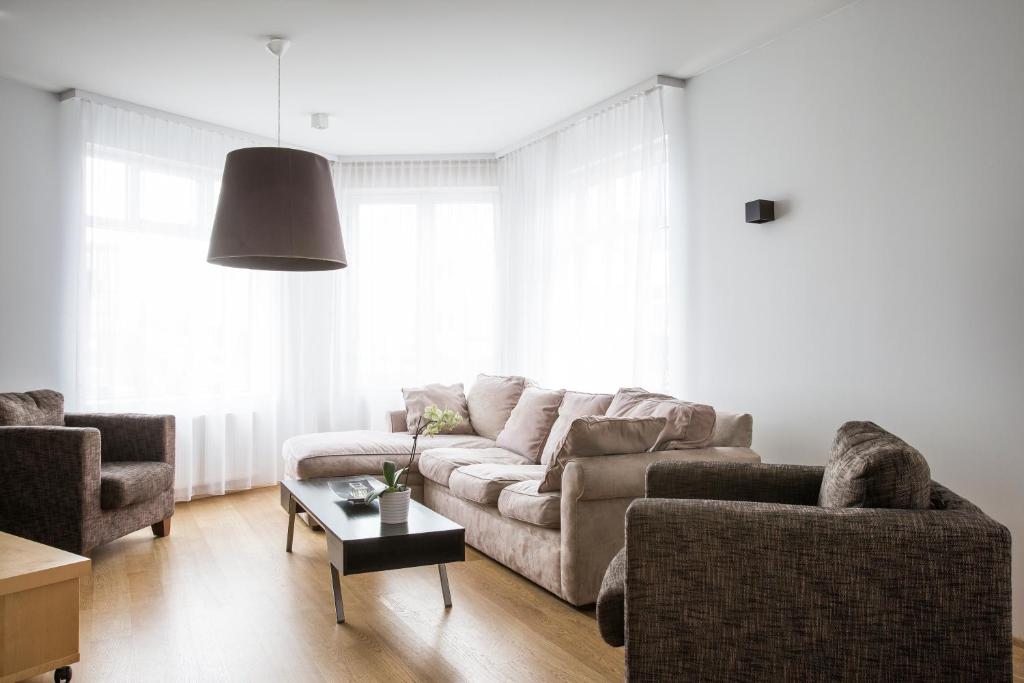
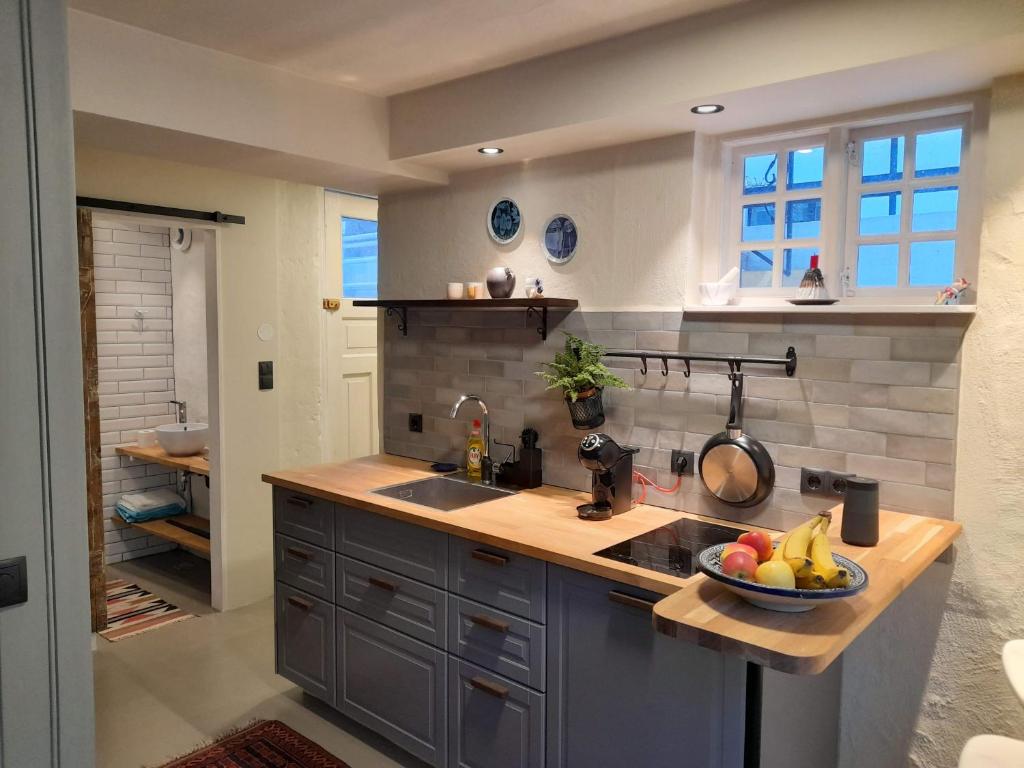









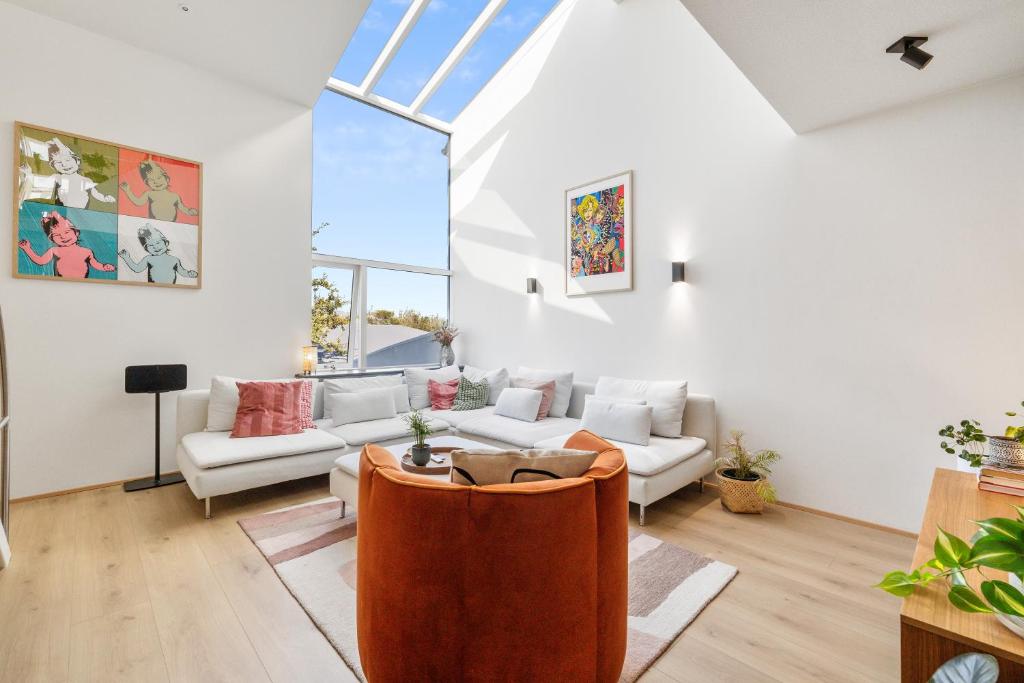


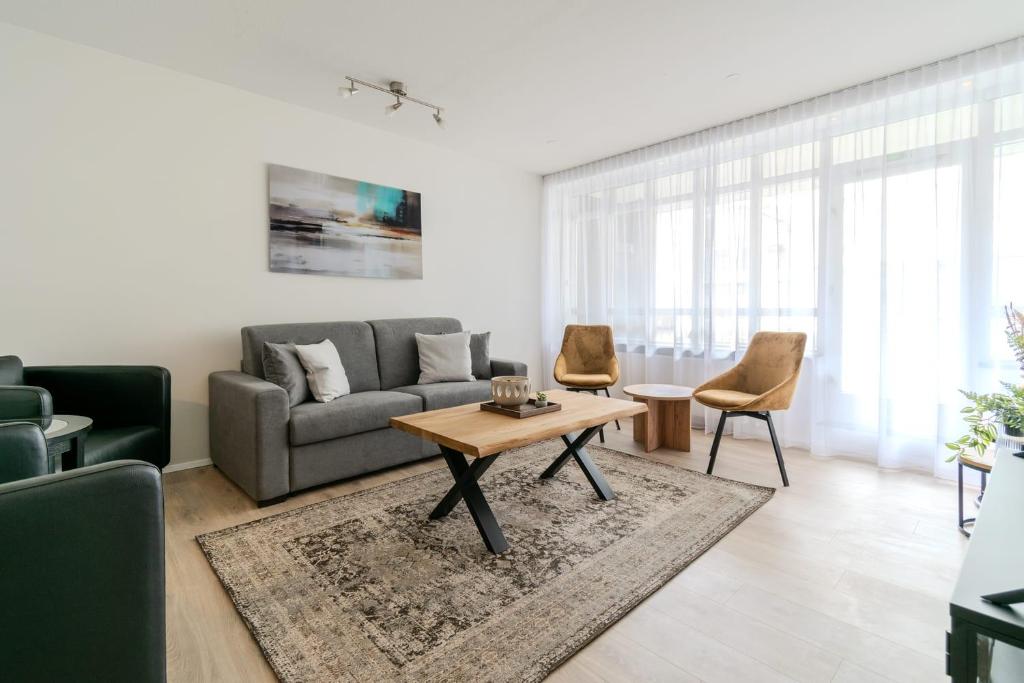


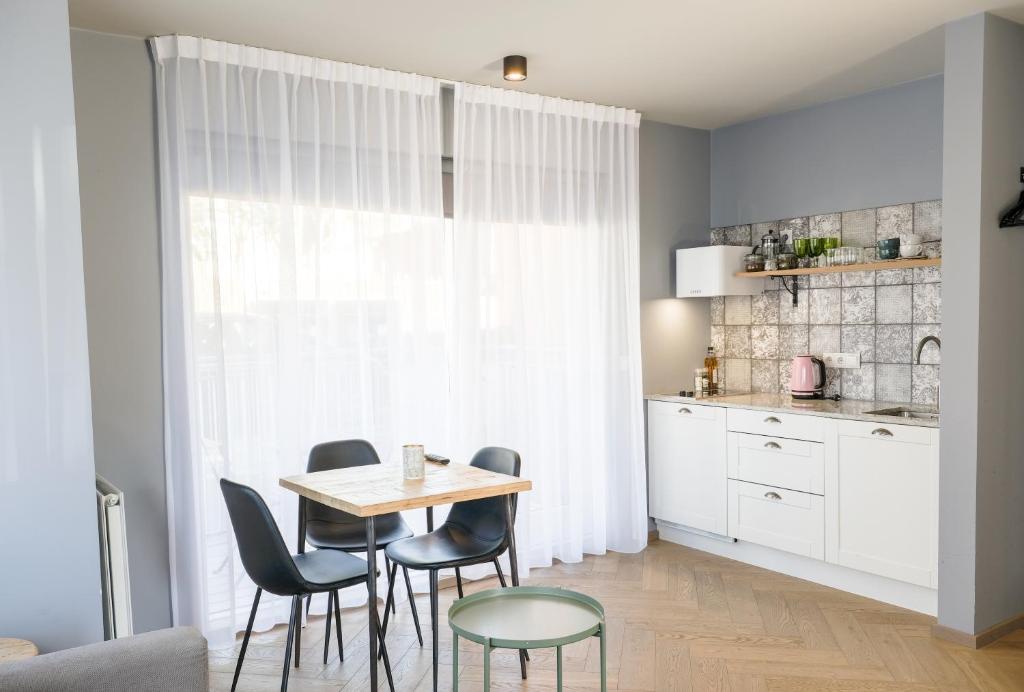







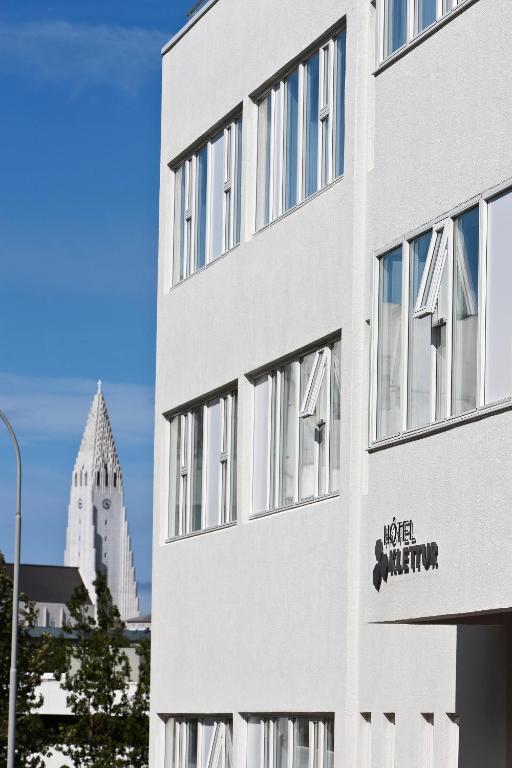


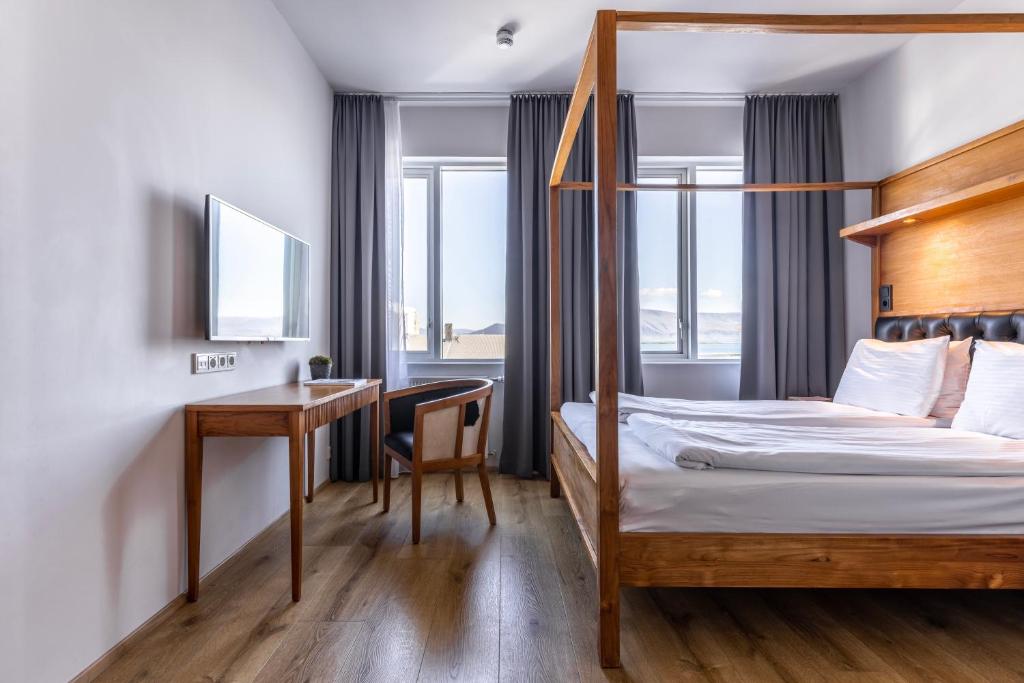
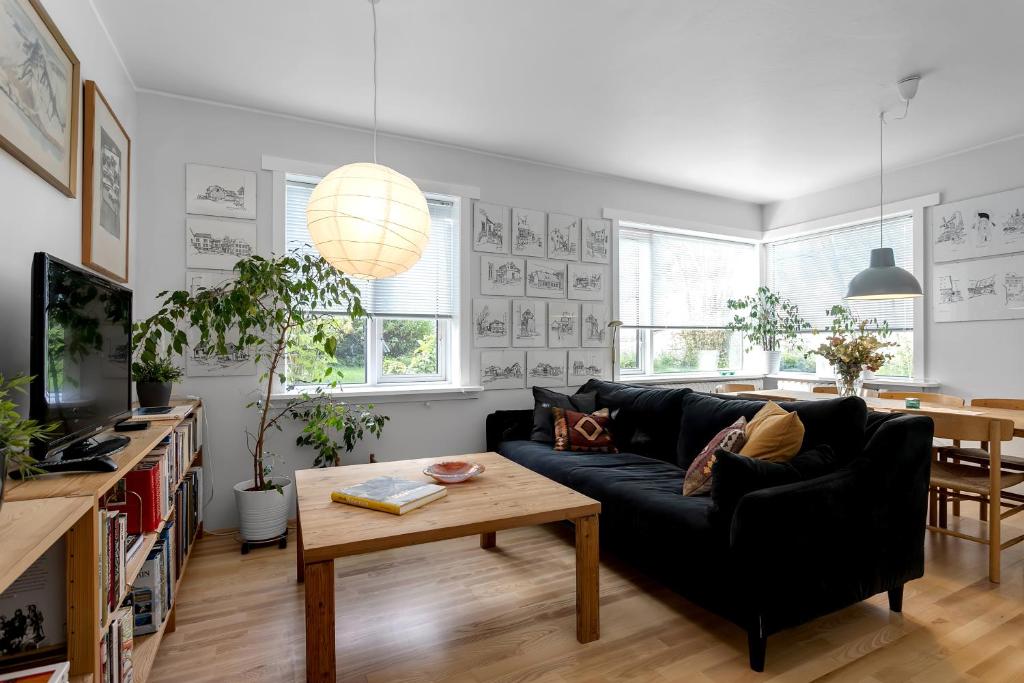
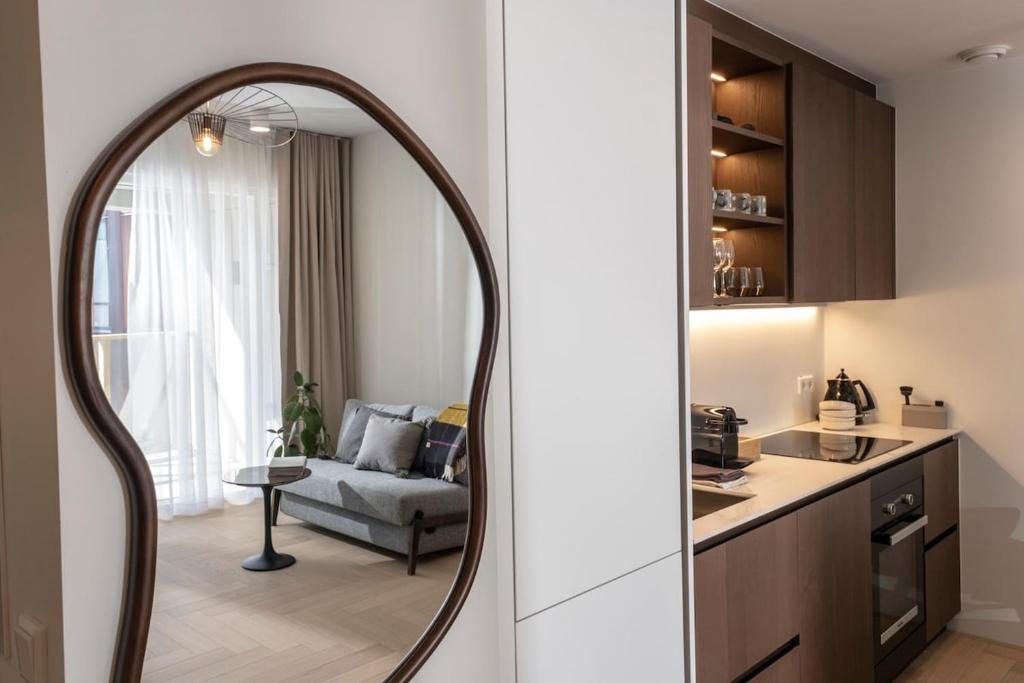

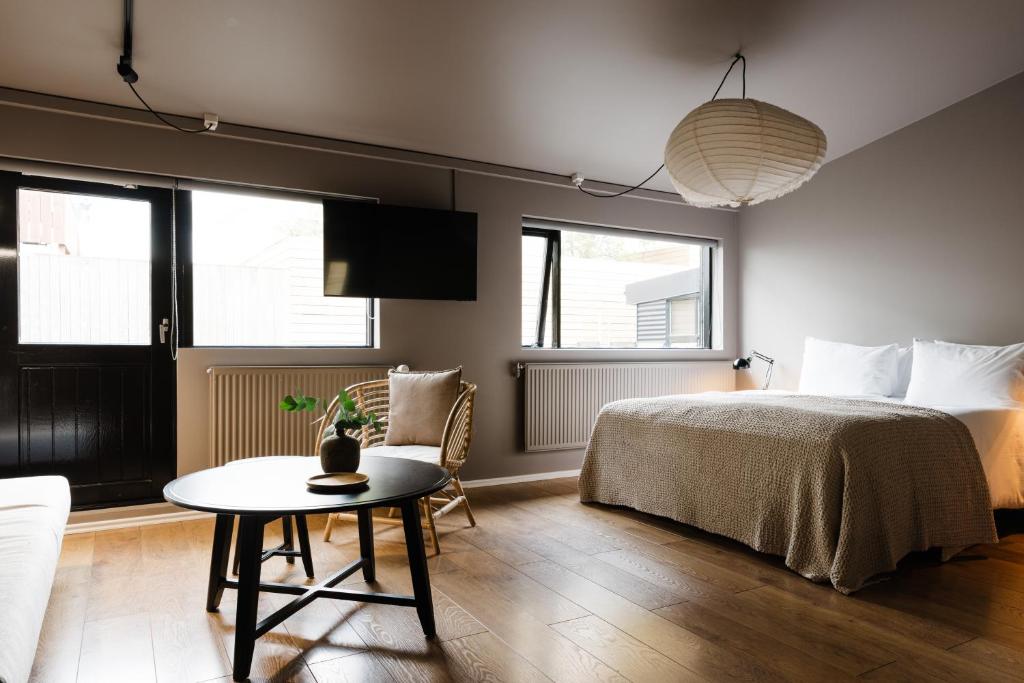

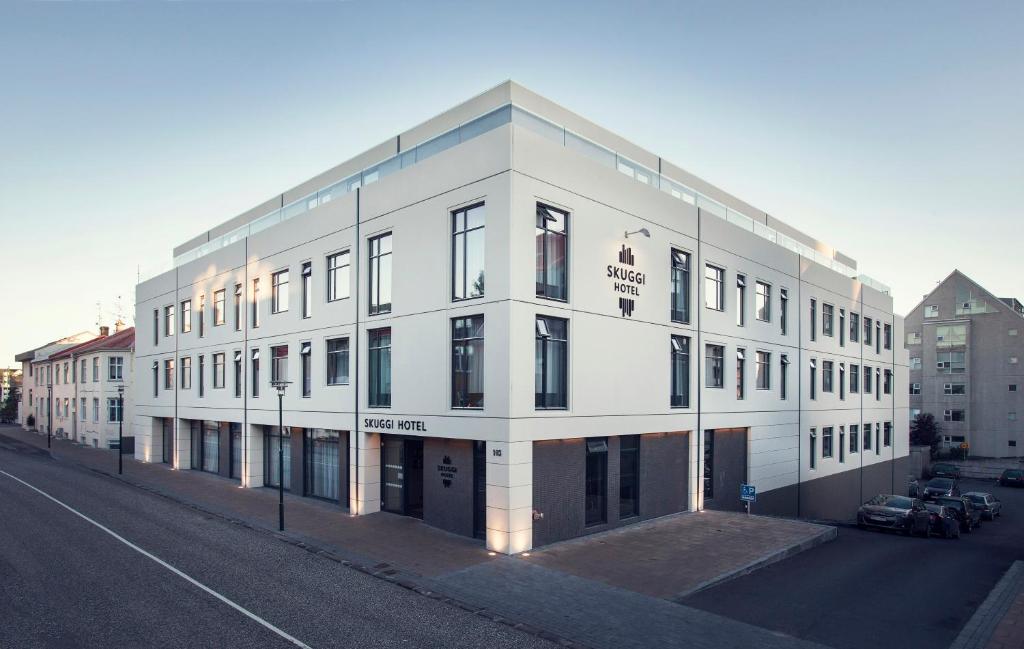

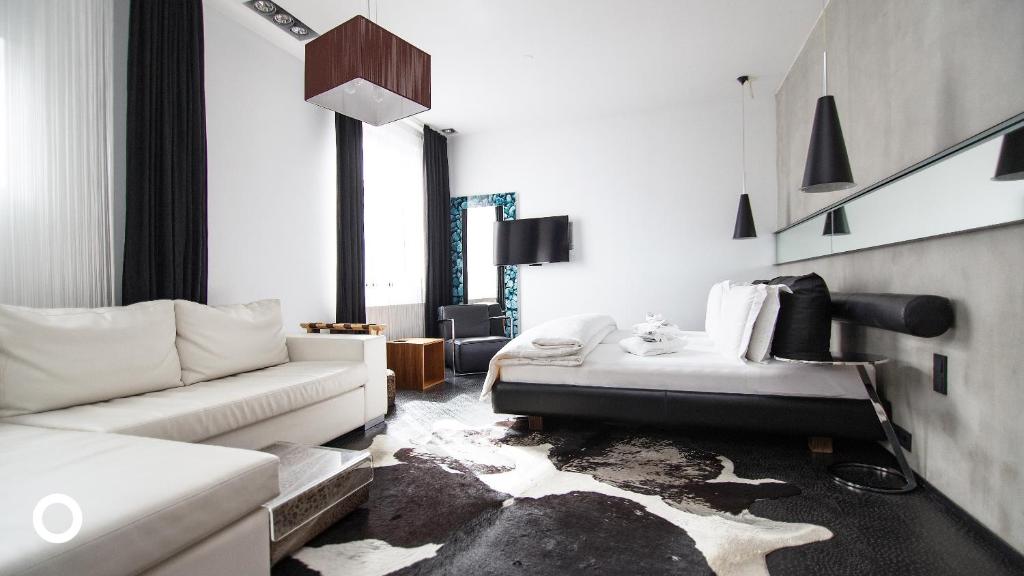
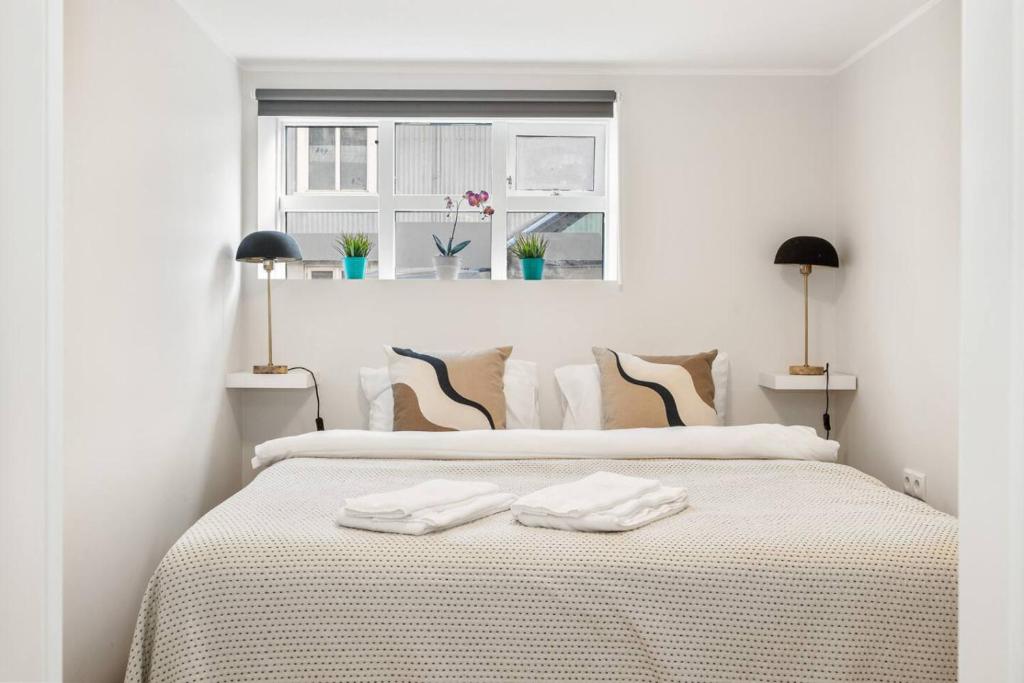









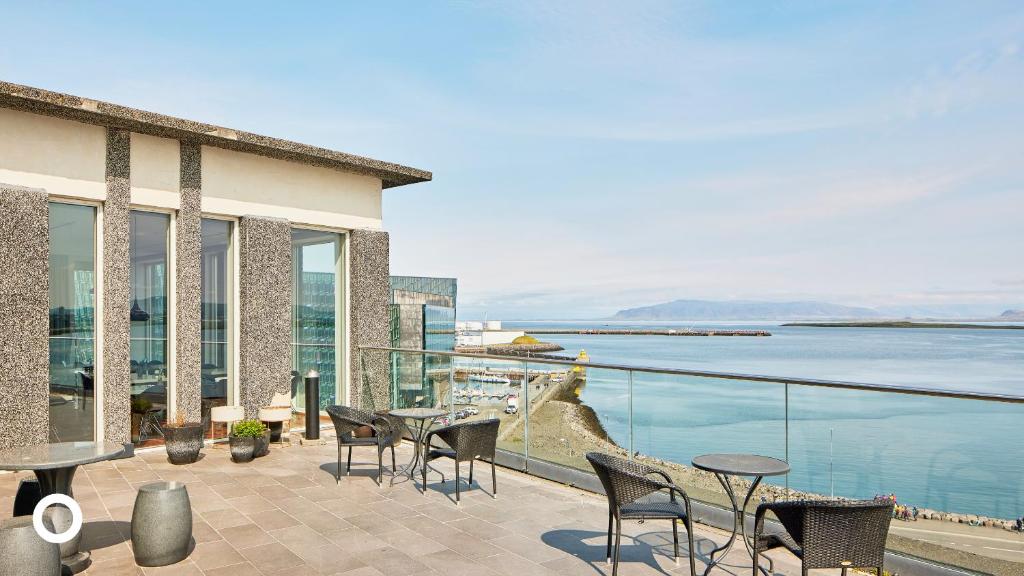

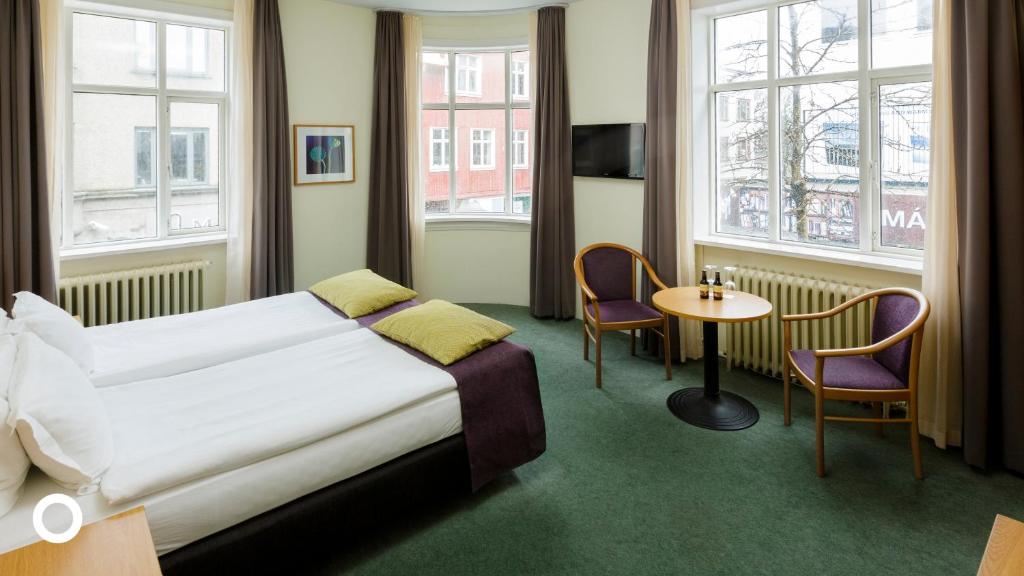
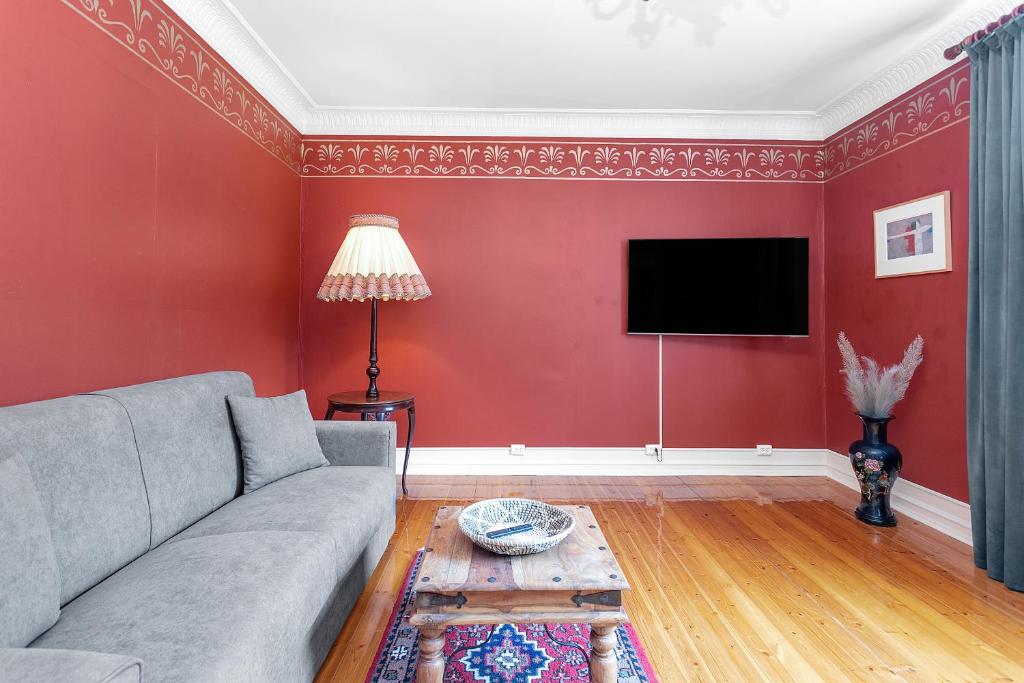

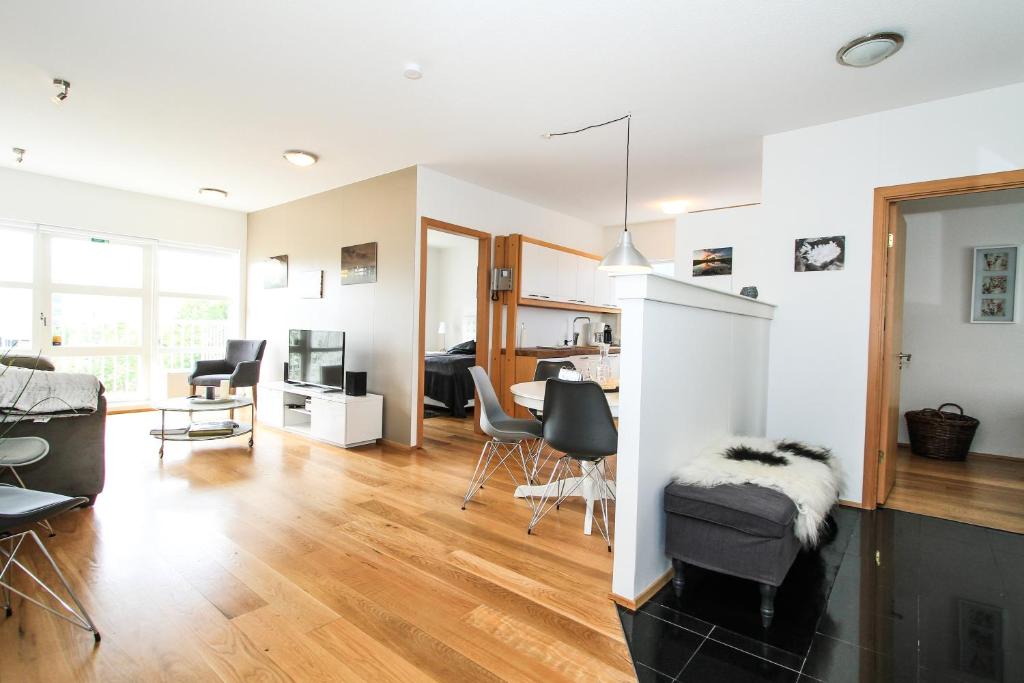



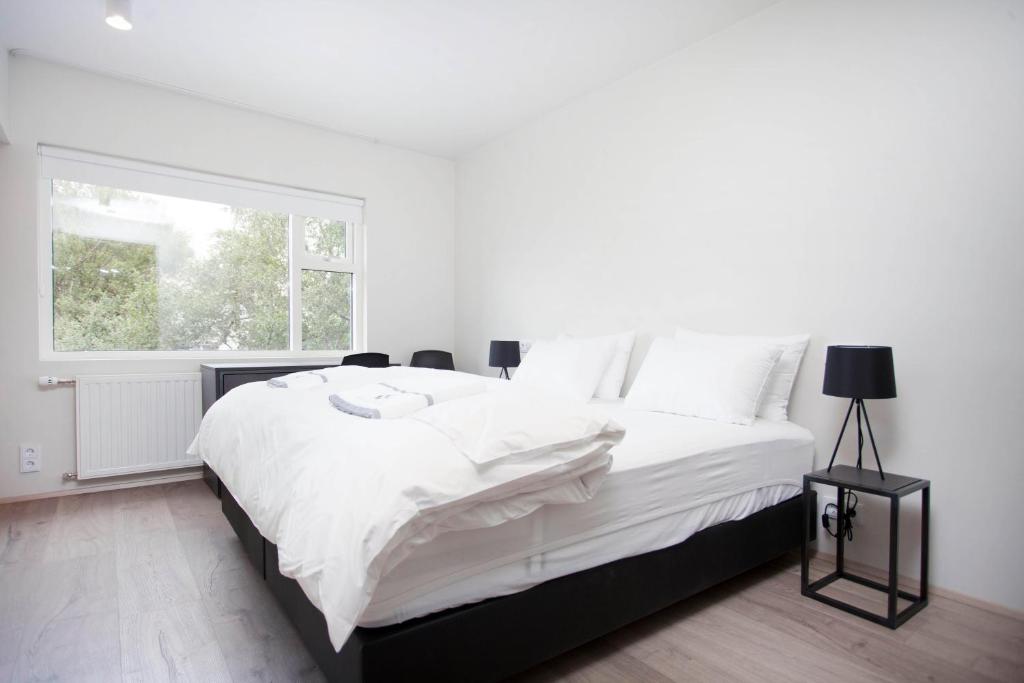

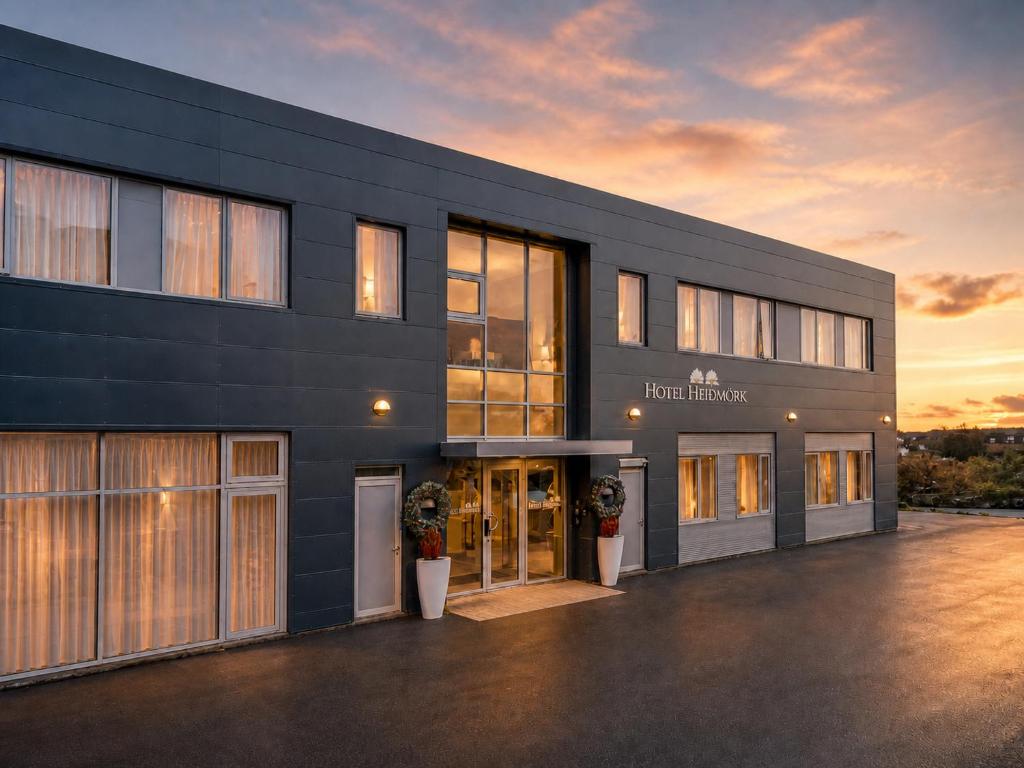


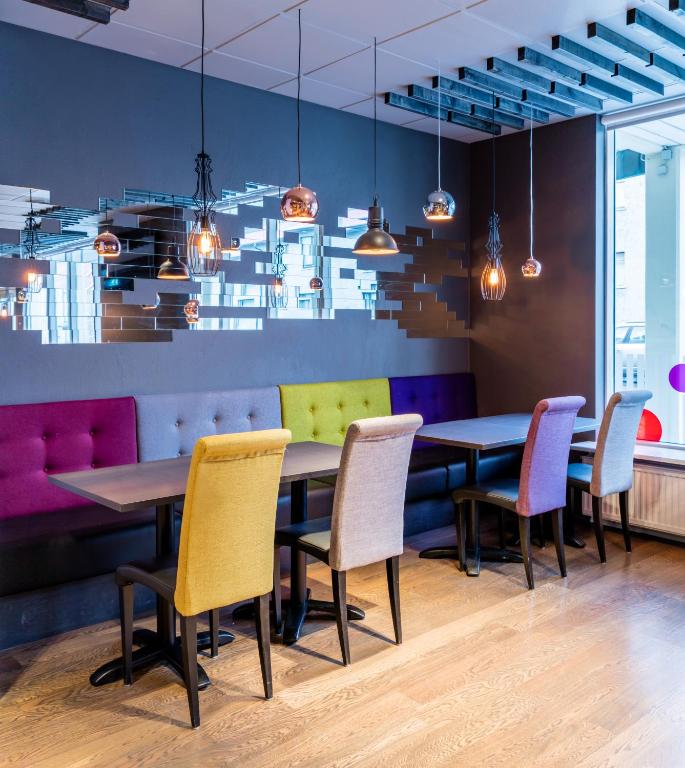
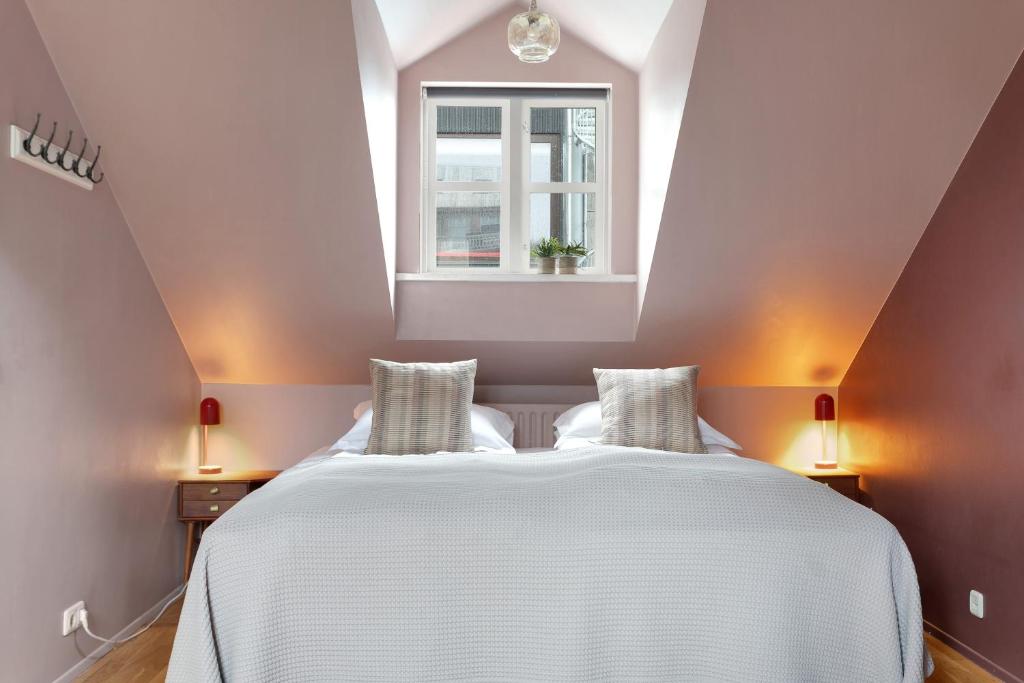
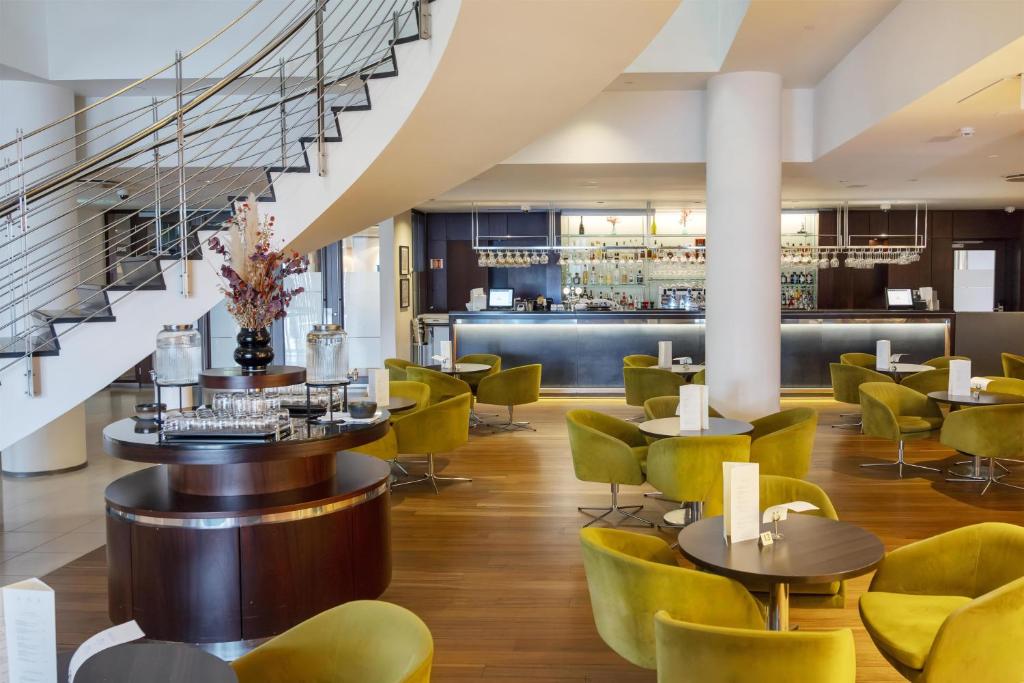


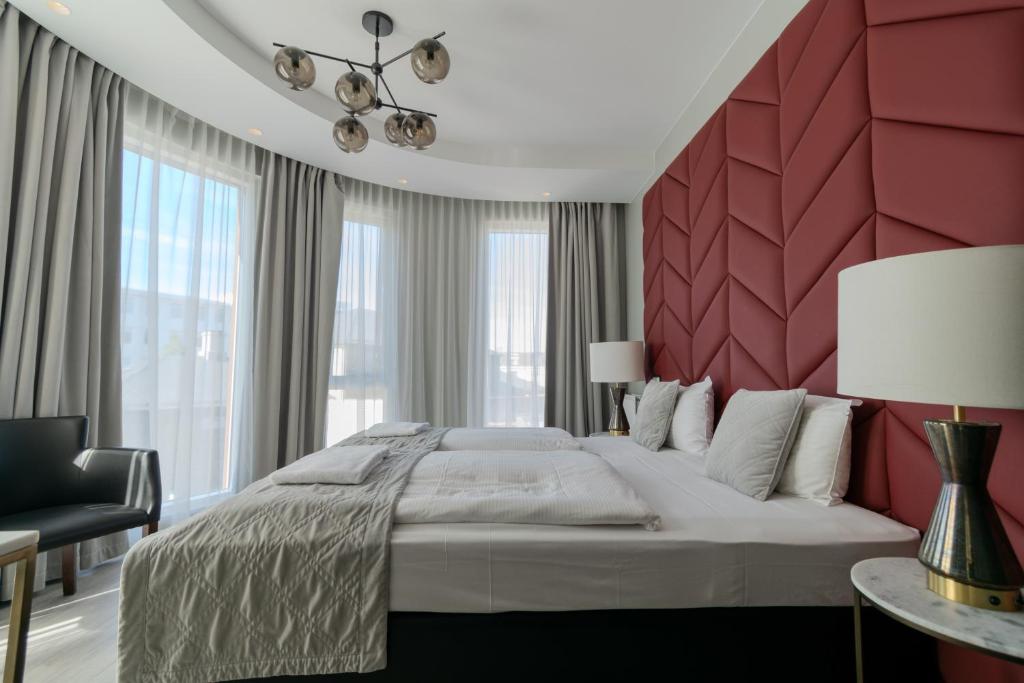
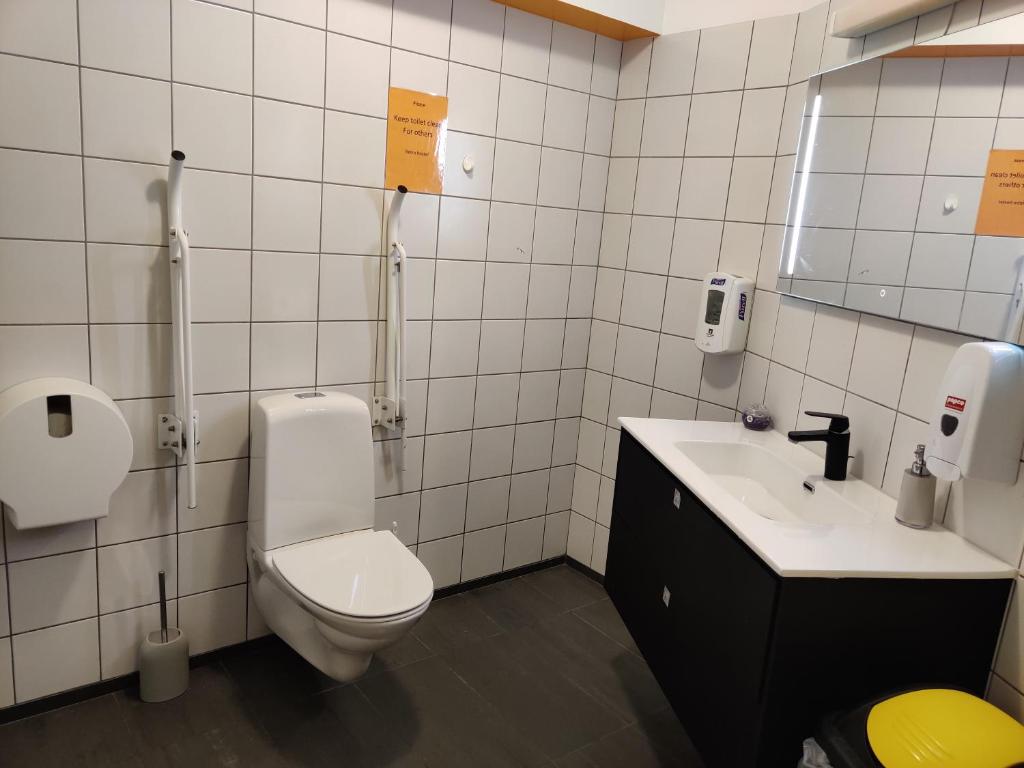
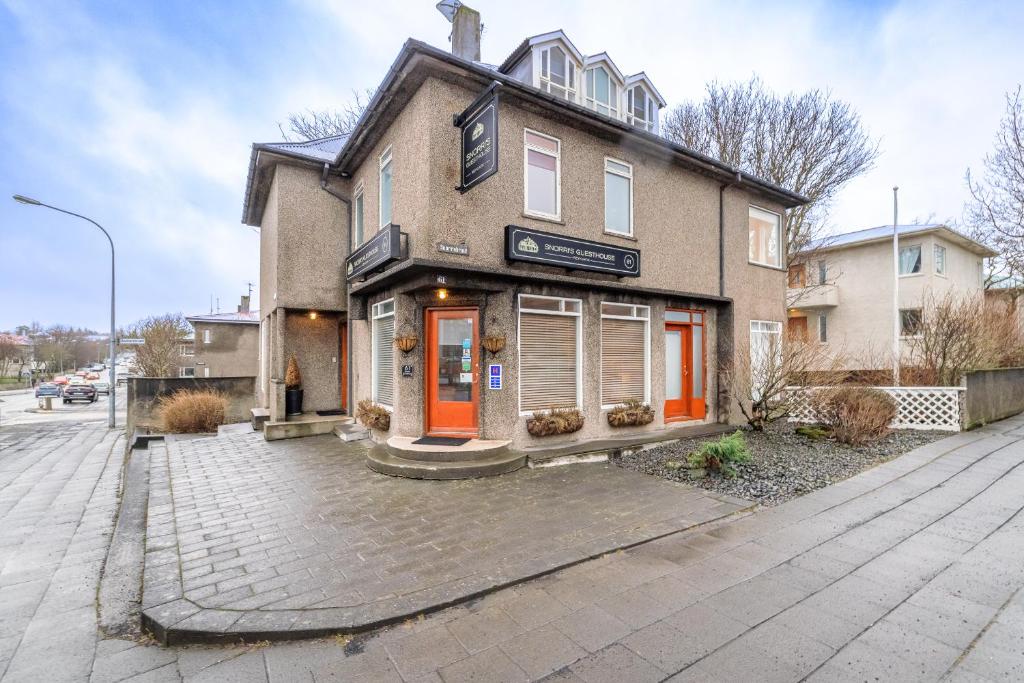





 from $1400To the page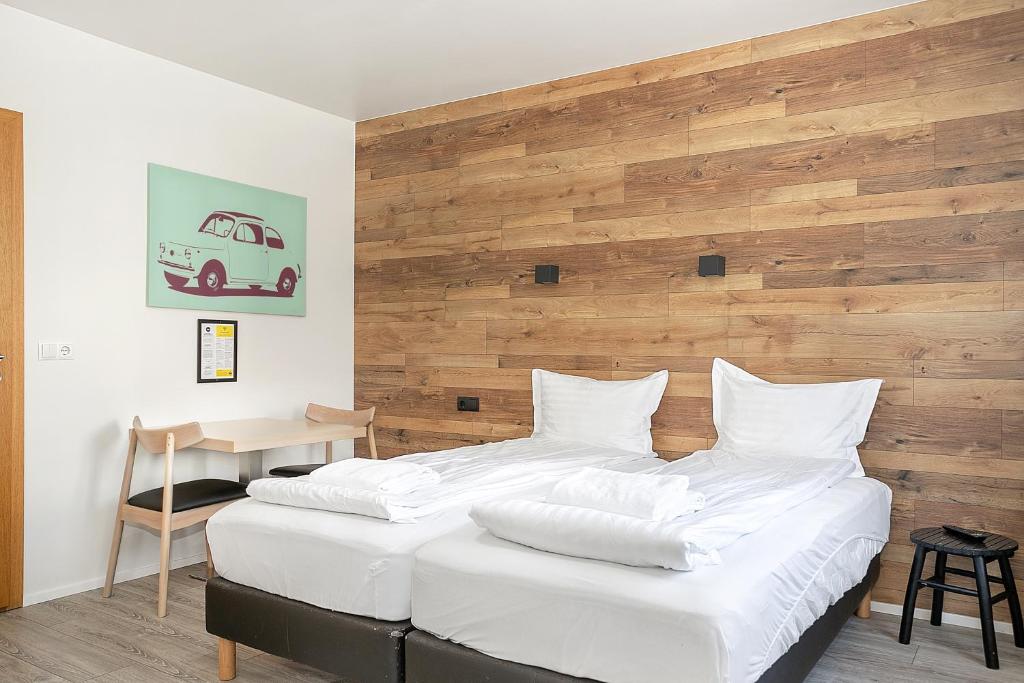



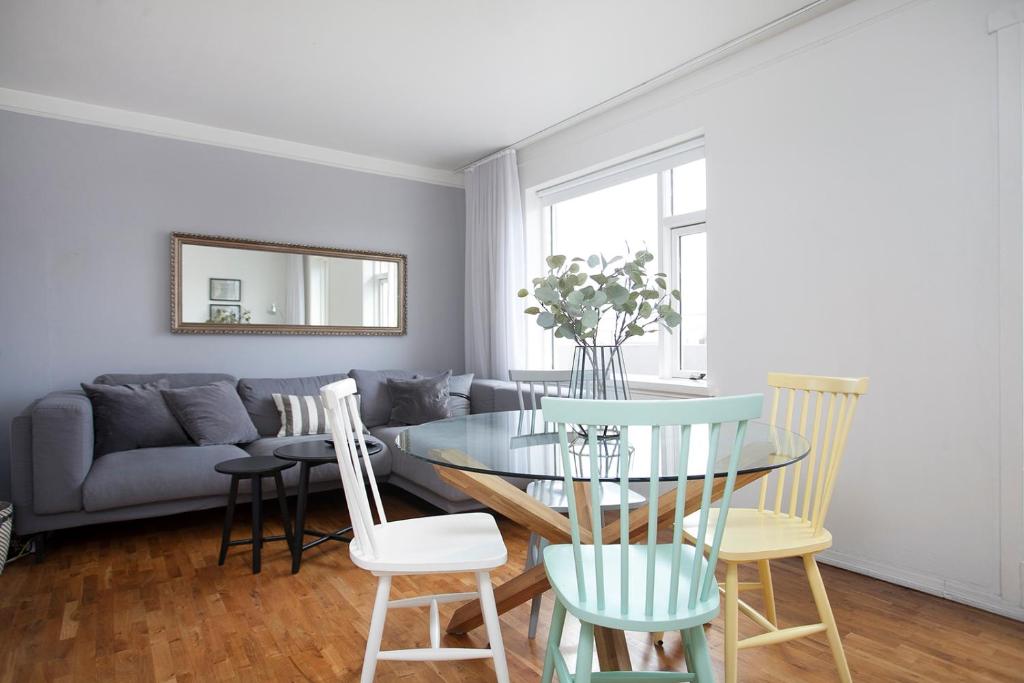
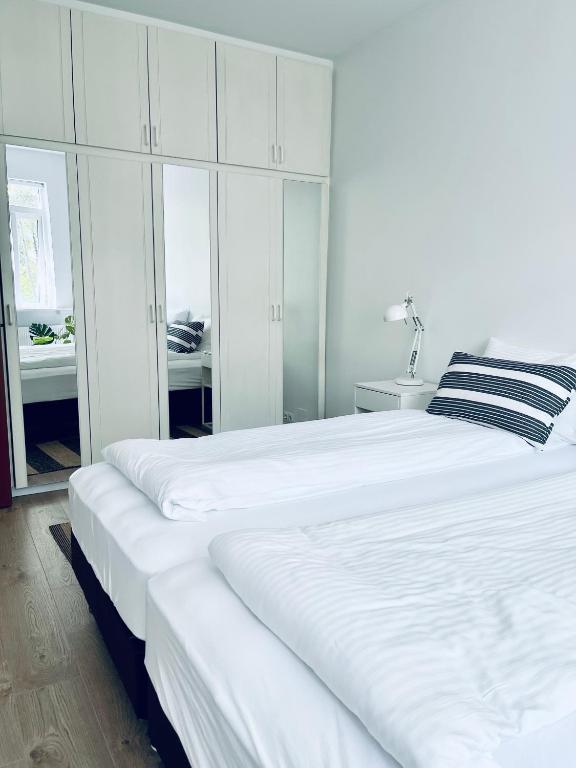
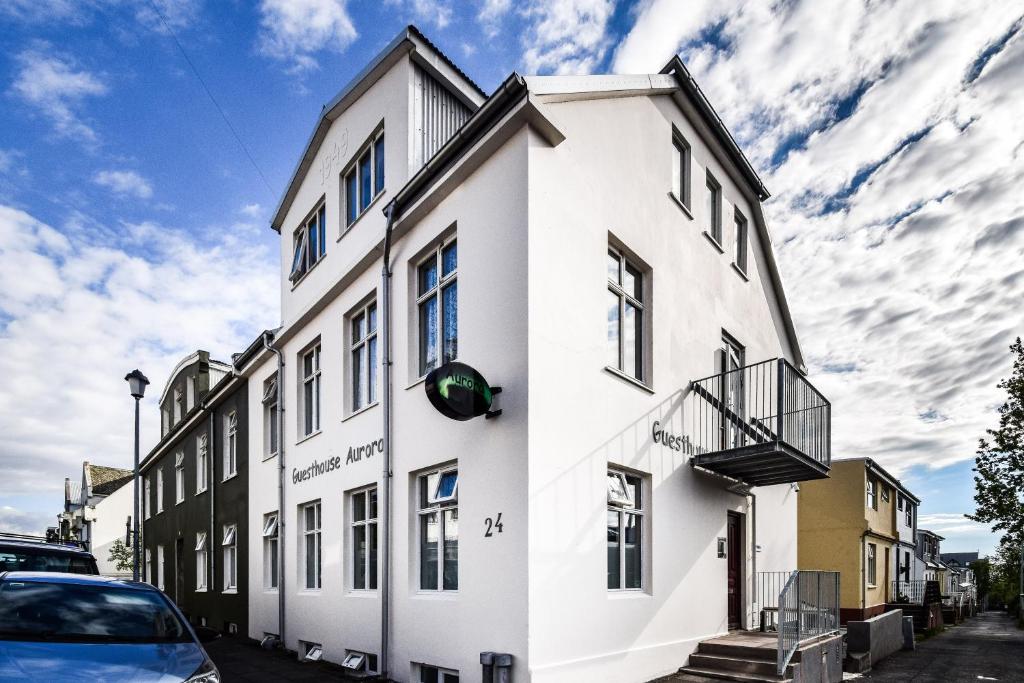


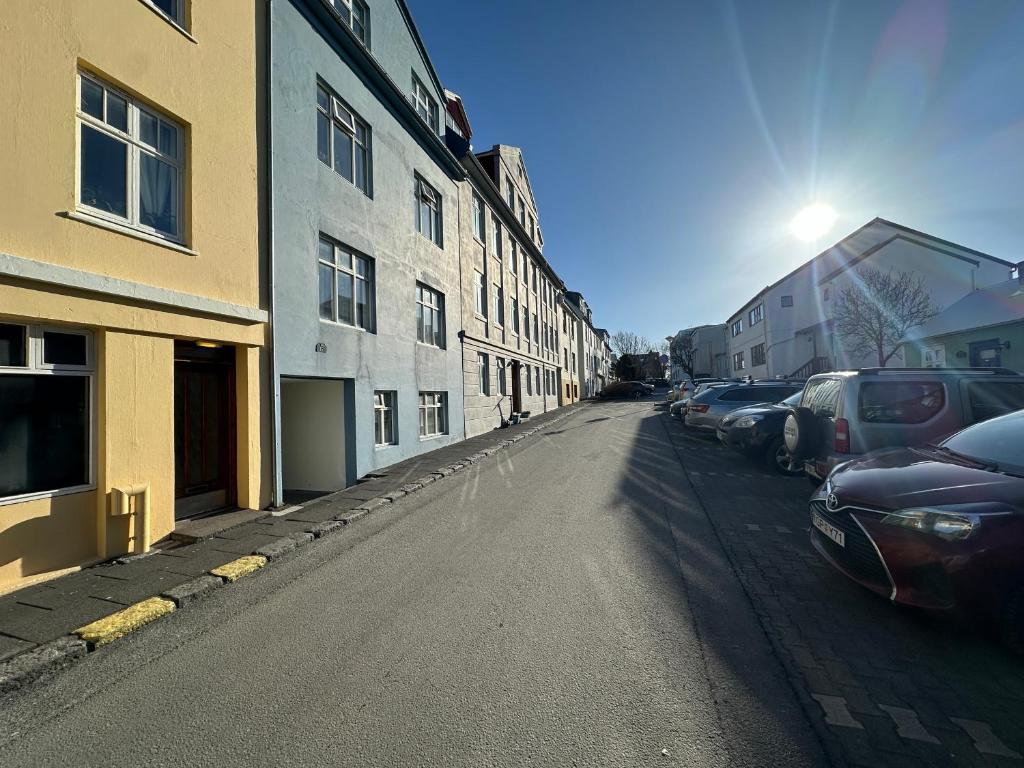
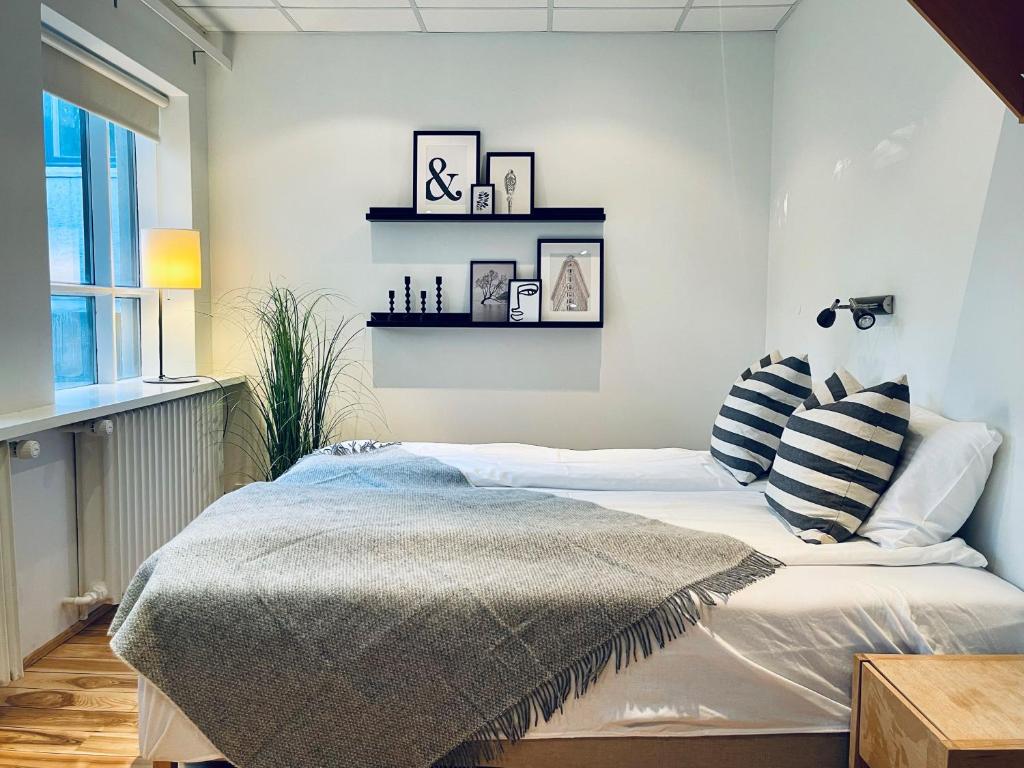


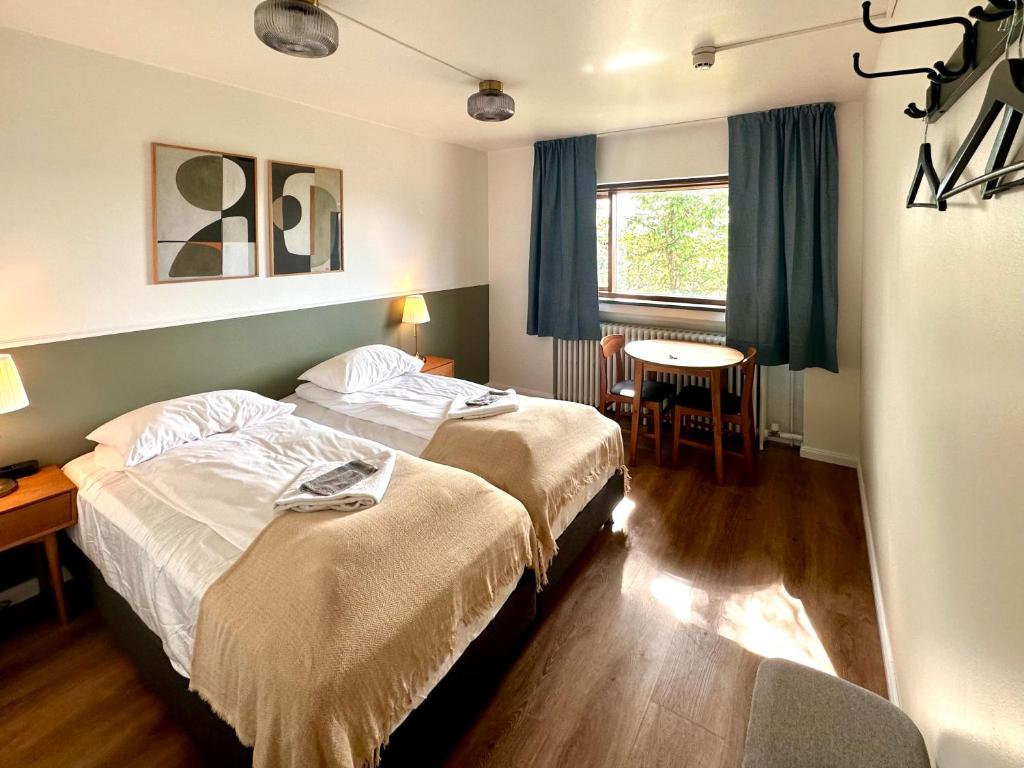


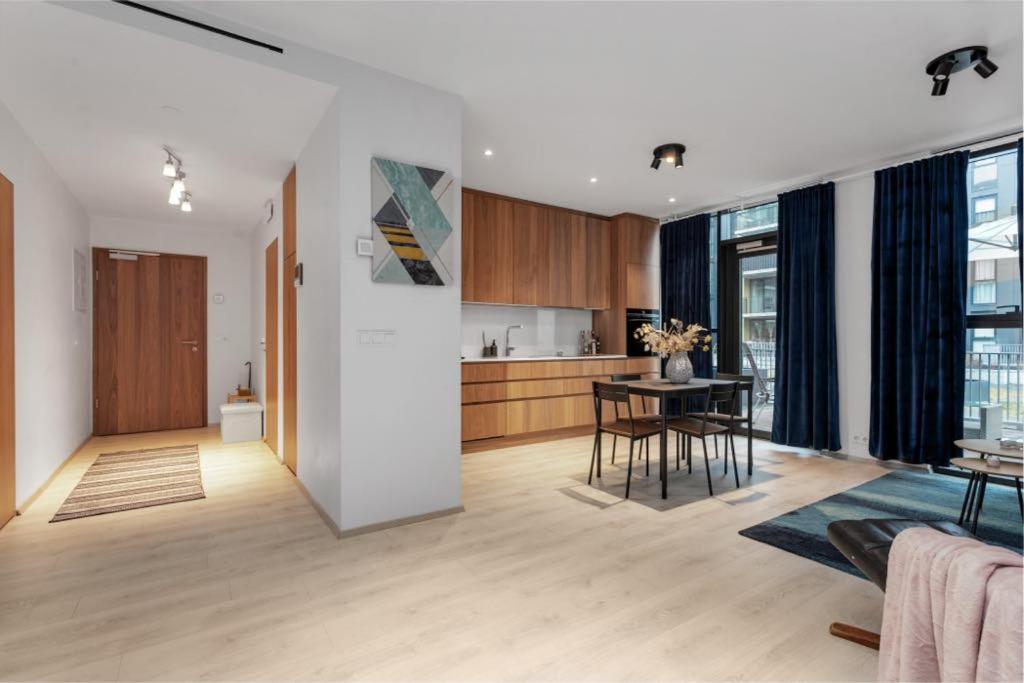 from $560To the page

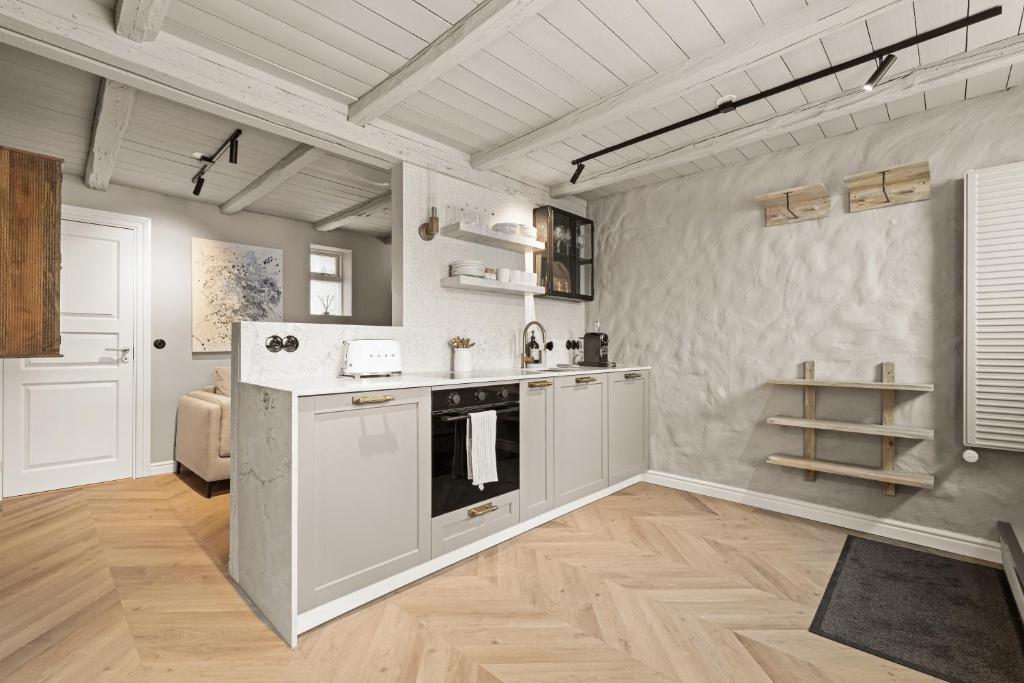



 from $616To the page



















 from $470To the page

 from $6969To the page


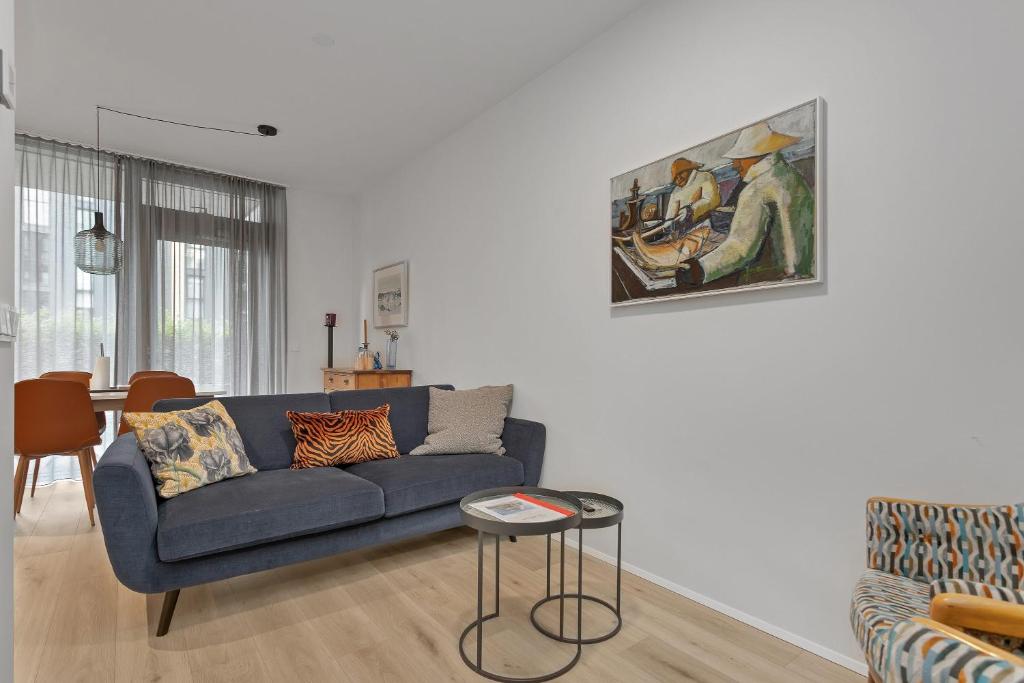

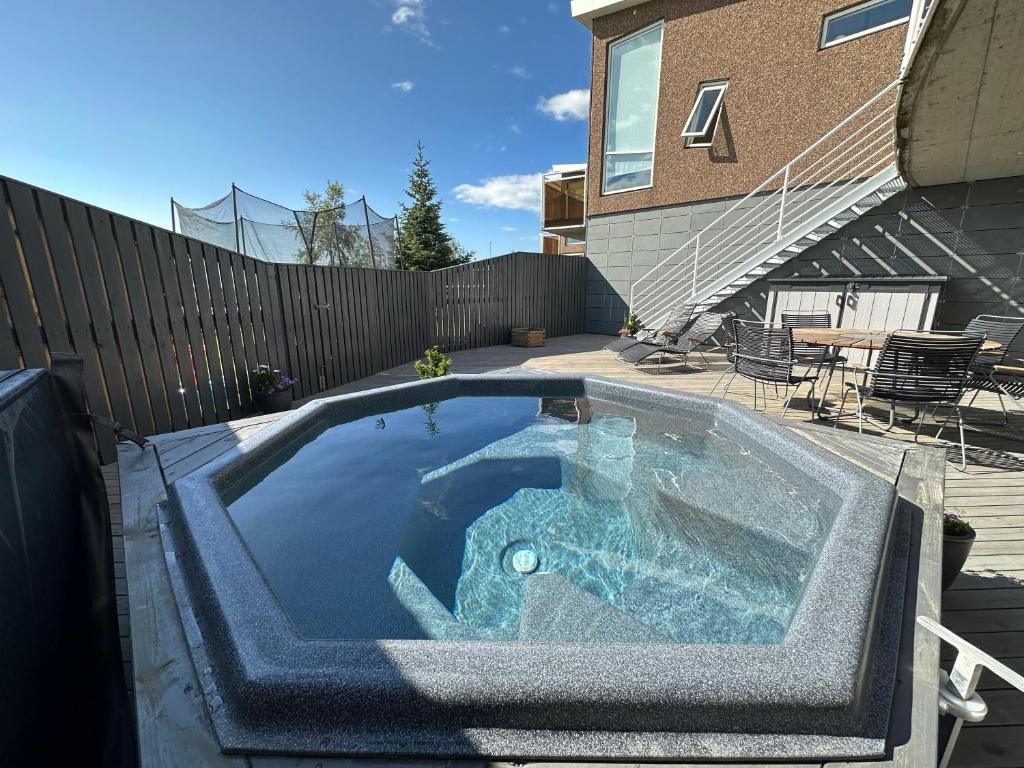
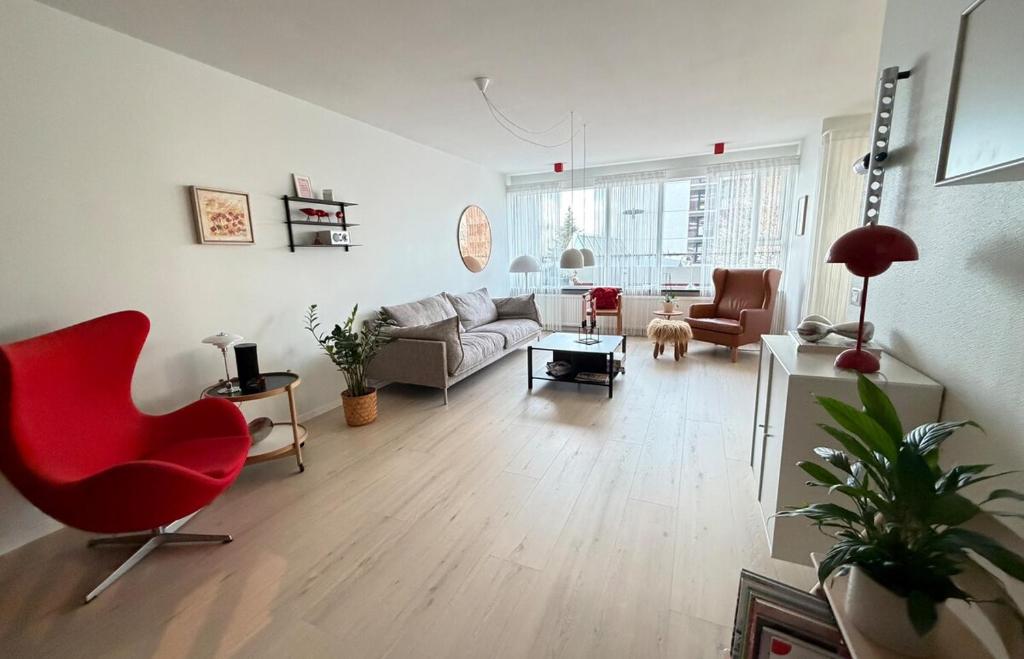
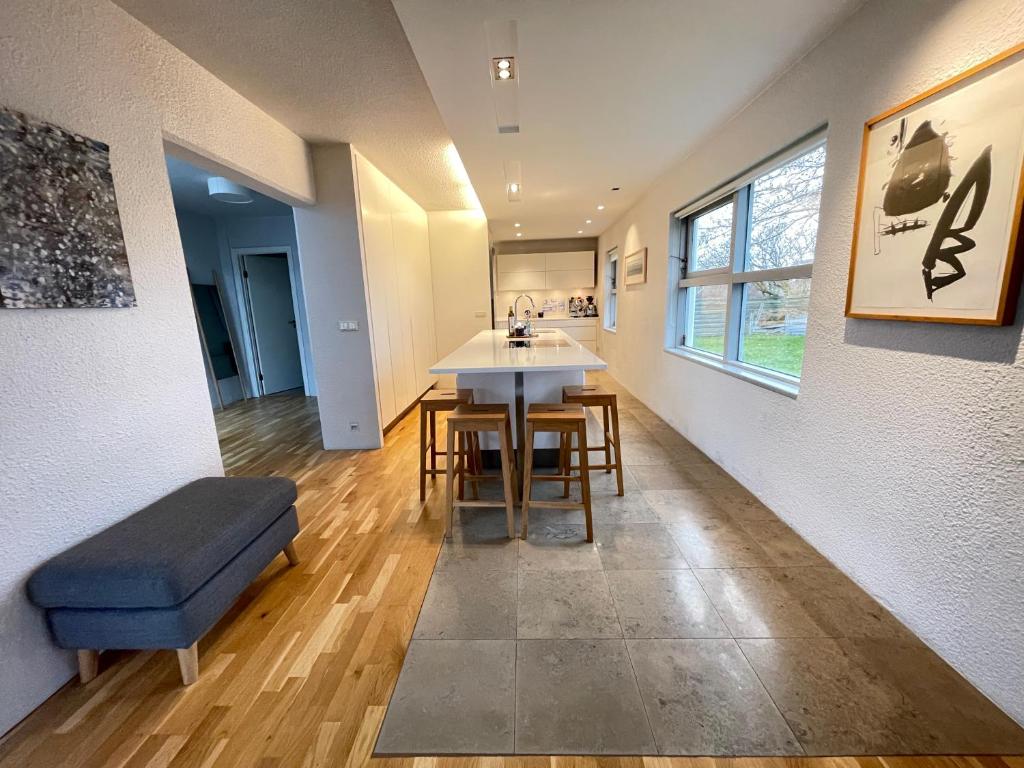

 from $2632To the page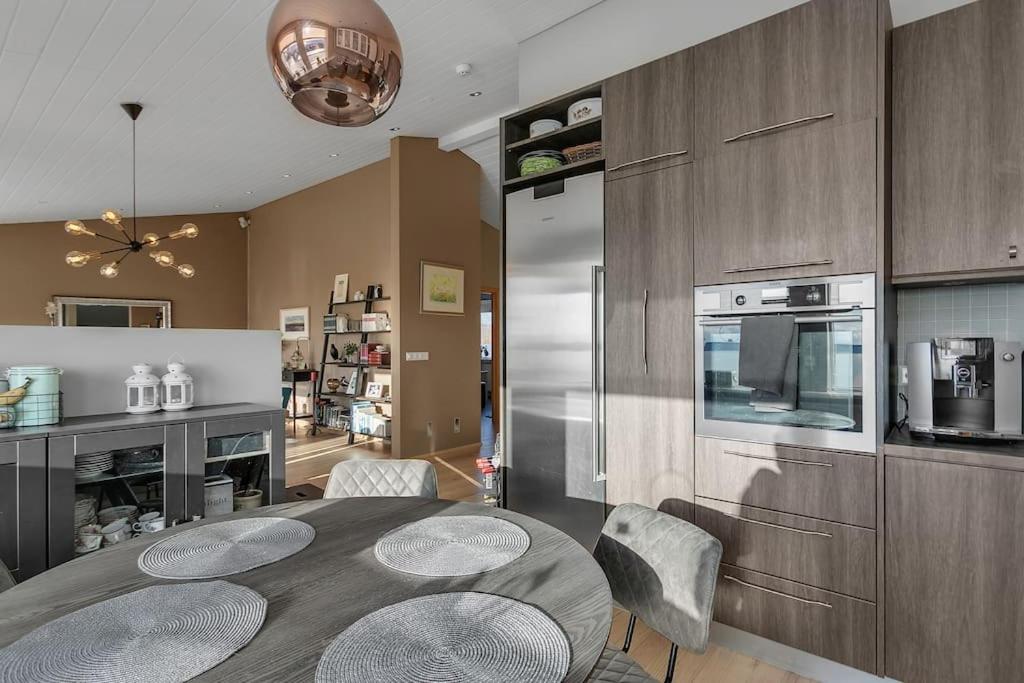

Ratings, prices and availability according to GetYourGuide, accessed on . Prices in US dollars; “from” is the provider's lowest entry price.