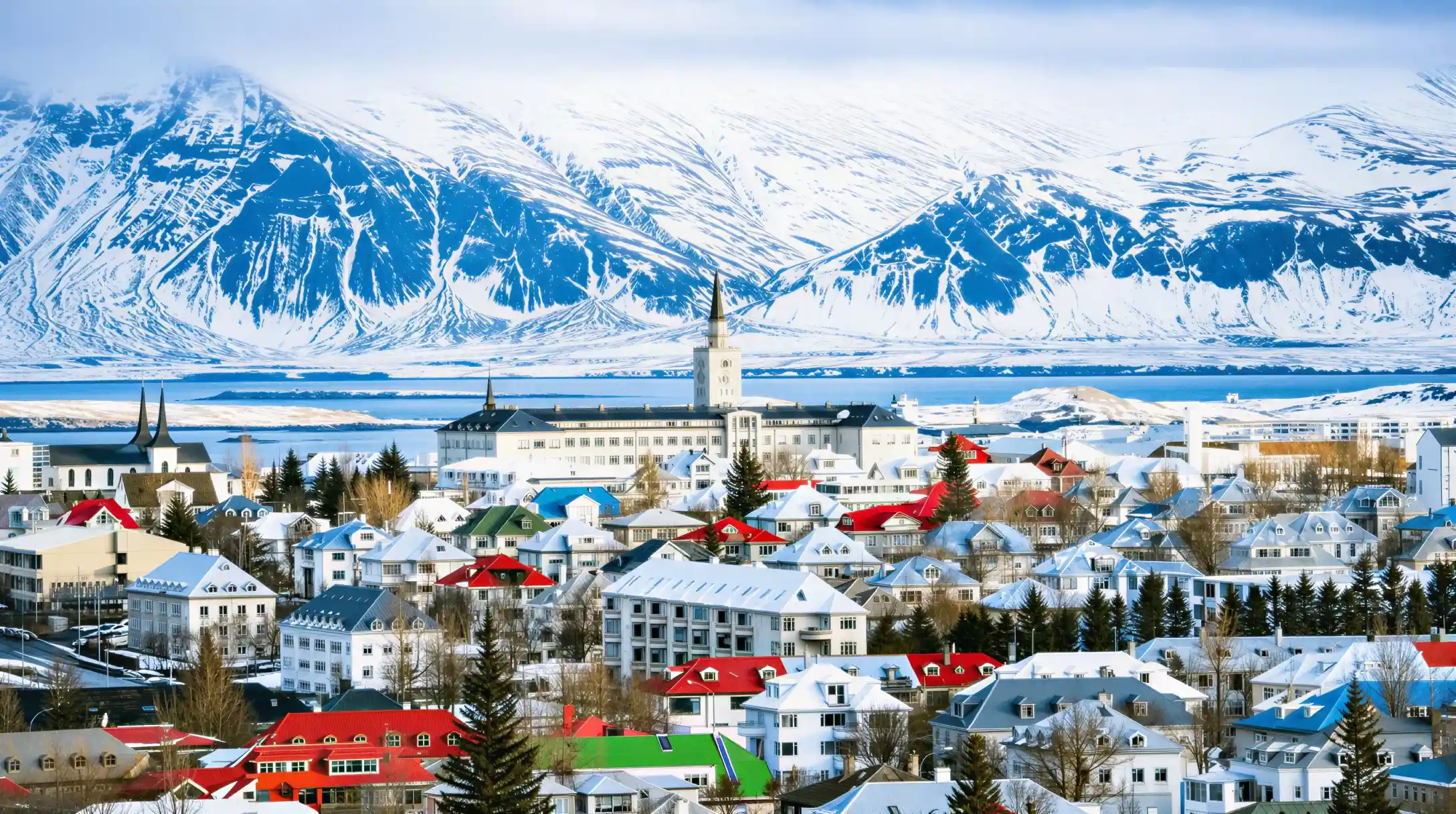
Pack for rain and end up needing sunglasses, or pack for cold and end up sweating in a wool jumper at midday: Reykjavik weather punishes anyone who dresses for a single forecast. The temperature swings little across the year by the standards of a northern capital, but wind, cloud cover and daylight change so much from month to month that a single packing list never works for the whole trip. This page settles what conditions look like in Reykjavik across the twelve months, what the wind does to the numbers on the forecast, how much daylight to expect on a given date, and what that means for what goes in the suitcase.
A traveller checking a weather app for a single day misses the pattern that matters more: how fast the sky changes, and how much darkness or daylight surrounds that one reading. The Icelandic Met Office publishes forecasts and climate normals for the city, and its site is the one to check close to departure rather than a global weather aggregator, since local wind and cloud behaviour over southwest Iceland is not always captured well by generic models. The sections below work through the months in groups, with the figures that are safe to plan around and the ones that are not.
 Our pick
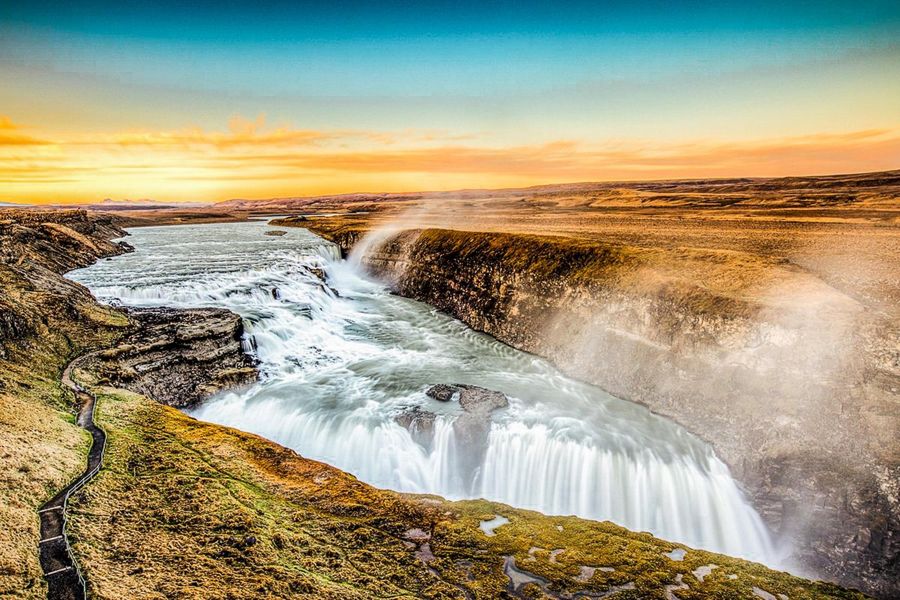
Golden Circle Full-Day Tour with Kerid Crater
4.76/5 from 26,671 reviews · Þingvellir, Geysir, Gullfoss and Kerið on one guided day · a first full day outside the city in any season
4.76/5 from 26,671 reviews · Þingvellir, Geysir, Gullfoss and Kerið on one guided day · a first full day outside the city in any season
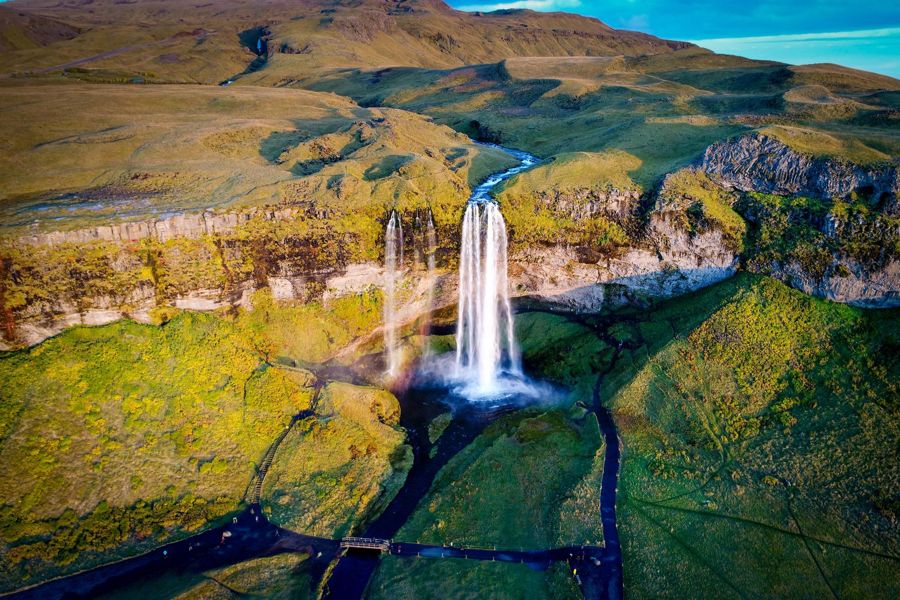
South Coast Waterfalls, Black Sand & Glacier Tour
4.76/5 from 12,274 reviews · Seljalandsfoss, Skógafoss and a black sand beach with glacier views · travellers who want the coast alongside the capital
4.76/5 from 12,274 reviews · Seljalandsfoss, Skógafoss and a black sand beach with glacier views · travellers who want the coast alongside the capital
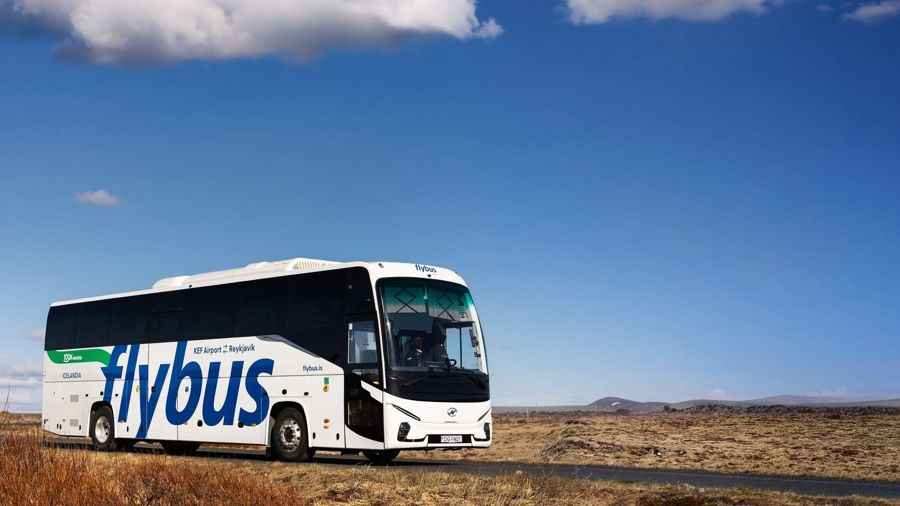
Keflavik Airport (KEF) Bus Transfer to/from Reykjavik
4.66/5 from 20,988 reviews · a seat on a scheduled coach between the airport and the city · arrivals who want the transfer fixed before landing
4.66/5 from 20,988 reviews · a seat on a scheduled coach between the airport and the city · arrivals who want the transfer fixed before landing
What the Monthly Averages Actually Hide
A single average temperature for a month tells a reader almost nothing about what a specific day will feel like in Reykjavik, because the range within any one month is wide and the wind decides more than the thermometer does. Reading Reykjavik weather by month against a packing list is more useful than reading a single annual average, since the difference between a January afternoon at 2°C (36°F) with no wind and one at 2°C (36°F) with a gale off the bay is the difference between a walk and a fight to stay upright.
Winter months, December through February, sit close to freezing on average with days that swing above and below it inside a single week. Spring, March through May, is the season where daylight grows fastest and the temperature still lags behind what the lengthening days suggest. Summer, June through August, rarely gets hot by any conventional measure, and a warm afternoon in Reykjavik is still a jacket-weather evening. Autumn, September through November, brings the sharpest daily change as daylight collapses and the first frosts arrive.
None of the four seasons in Reykjavik is reliably dry, and none is reliably calm. Checking a forecast the morning of an outdoor plan, rather than trusting a seasonal average booked months ahead, is the only way to know what a given day will actually do.
Reading the Forecast Number Correctly
The single figure on a forecast app is not what a person outdoors in Reykjavik actually experiences, because wind coming off the North Atlantic cuts through clothing faster than the same reading would inland. Someone checking the temperature in Reykjavik before a trip should treat the number as a starting point, not the whole story, since a calm 5°C (41°F) day and a windy 5°C (41°F) day call for different jackets entirely.
Layering matters more in Reykjavik than the raw number suggests. A base layer, an insulating mid layer and a windproof and water-resistant outer shell cover most days across the year, with the outer shell doing the most work of the three. Waterproofing is not optional at any time of year: rain and sleet arrive without much warning, and an umbrella is close to useless once the wind picks up, which it does often enough that most residents do not carry one.
Footwear matters as much as jacket choice. Pavements and trails around the city can be wet, icy or both depending on the month, and shoes with real grip do more for comfort than an extra layer on top. Checking the Icelandic Meteorological Office the morning of any outdoor plan is the most reliable way to know what that day's wind and precipitation will actually do, since forecasts here can change within a single day.
| Month | Daylight |
|---|---|
| June | 21.2 hours |
| December | 4.1 hours |
- Daylight
- 21.2 hours
- Daylight
- 4.1 hours
Why the Climate Feels Milder Than the Latitude Suggests
Reykjavik sits close to the Arctic Circle, and a reader expects a climate to match, but the Reykjavik climate is shaped by the surrounding ocean as much as by latitude, which keeps winters less extreme than the map alone would suggest. That same ocean influence is what keeps the weather changeable: warmth without much heat, cold without the deep freezes of a continental winter, and rain in every season.
This is a maritime climate at a high latitude, and the two forces pull in different directions. The ocean moderates the extremes, so Reykjavik rarely sees the depths of cold that inland northern cities do. The latitude, meanwhile, controls the light, and light is the variable that changes travel plans more than temperature does: what to see, when it is visible, and how long there is to see it.
A traveller comparing Reykjavik to a European capital at a similar latitude on a map should expect the temperature to behave more gently than expected, and the daylight to behave far less gently, swinging from near round-the-clock in June to a few hours in December.
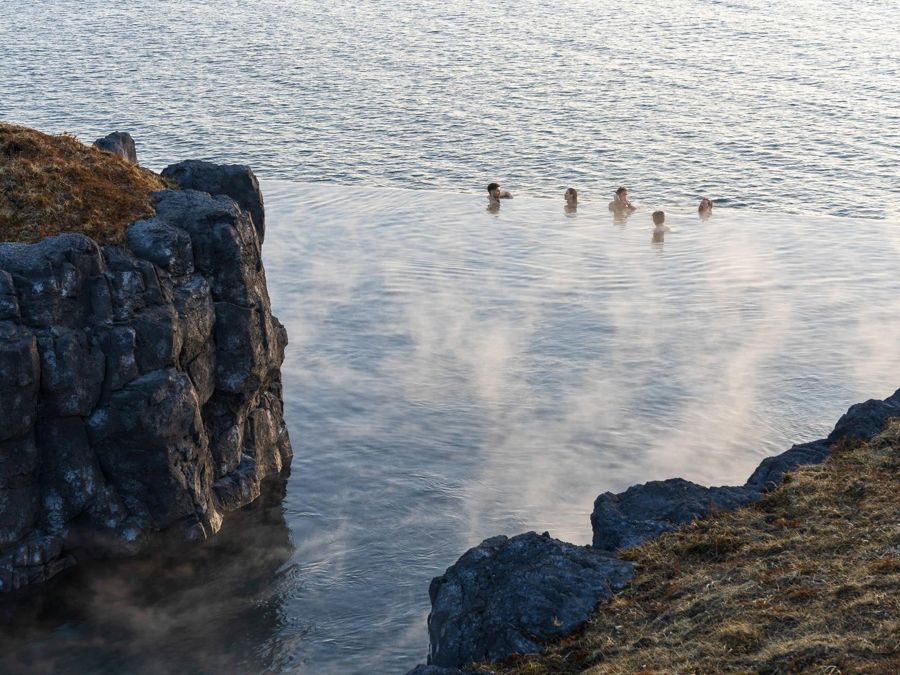
Product: , name: "Sky Lagoon Entrance Pass With 7-Step Spa Ritual", rating: "4.83/5 from 7,388 reviews", includes: "entry to the Sky Lagoon and its seven-step ritual", best_for: "warming up outdoors regardless of the season"
What the Wind Actually Does on the Ground
A calm day and a windy day in Reykjavik can share the same thermometer reading and feel nothing alike. Wind off the open Atlantic reaches the city with little to slow it down, and on an exposed street or a coastal path it cuts through a jacket that would be plenty on a still day inland.
The practical effect shows up in small ways: an umbrella turned inside out within minutes, a door that needs both hands to close against a gust, a hat that needs a strap rather than a loose fit. None of this is dangerous on an ordinary day in the city itself, but it changes what is comfortable to wear and how long a person wants to stand outside taking photographs.
Wind also drives the weather's habit of changing quickly. A clear sky can cloud over and clear again within an hour, driven through rather than settling in, which is part of why a single forecast reading for the day is less useful in Reykjavik than checking again before heading out.
Comparing One Month Against Another
Looking at Reykjavik temperature by month side by side is more useful for planning than reading any single month in isolation, because the story across the year is less about hot versus cold and more about daylight, wind and how fast the weather turns over from one day to the next.
Early winter months bring the shortest days and the least predictable footing underfoot, with rain, sleet and occasional snow trading places within the same week. Late winter and early spring start to add daylight quickly even while the temperature itself moves slowly. High summer brings the longest days by far, with light lingering well into what would be night at lower latitudes, while the temperature itself rarely rewards packing for real heat. Autumn brings the fastest daylight loss of the year, along with the return of dark evenings and the start of the aurora season.
A traveller choosing between two months for the same trip is usually choosing between daylight and crowds, or between mild weather and long nights, rather than between one dry month and one wet one, since rain is a possibility in all twelve.
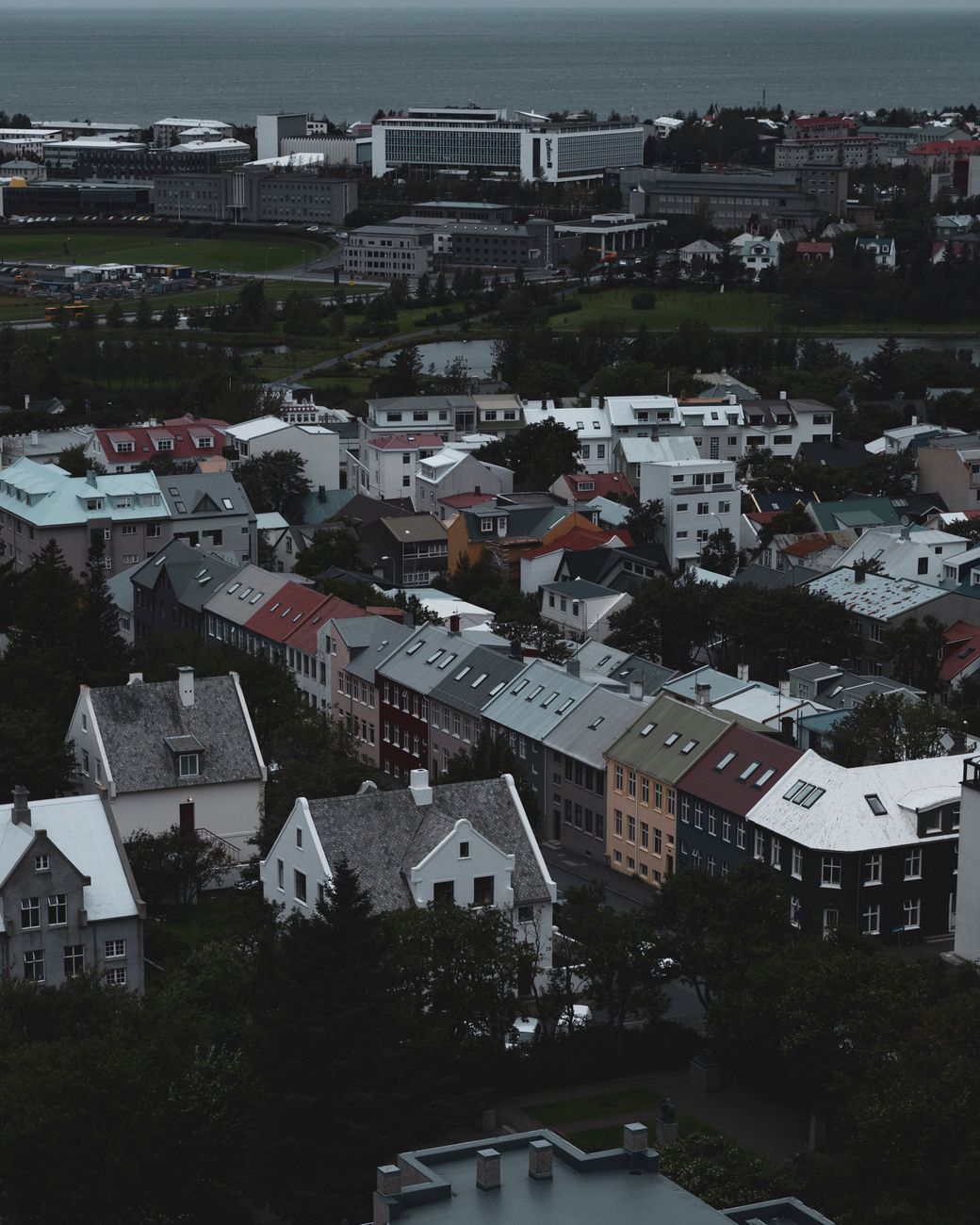
What Actually Has to Be True for a Display
A clear night alone is not enough, and neither is a strong forecast number on its own: the northern lights forecast Reykjavik travellers check needs real darkness behind it as much as solar activity, and darkness is the part that rules out half the calendar outright. The aurora season runs from late August to mid-April, bounded by how much night the sky offers rather than by the aurora itself, and no display is visible during June however active it is, since the sky in Reykjavik barely gets dark at all that month.
Within the season, cloud cover matters more night to night than the forecast's activity index, since a strong display behind full cloud is invisible from the ground. Checking the Icelandic Meteorological Office's aurora forecast alongside the general weather forecast is the way to see both cloud cover and geomagnetic activity for the same evening, rather than relying on one without the other.
Getting away from the city's own lights improves the odds further, since streetlight glow washes out a faint display the way cloud does. None of this guarantees anything on a given night: it only narrows down which nights are worth stepping outside for.
When Snow Actually Falls, and When It Does Not
Reykjavik snow does not arrive on a fixed date and does not stay reliably once it lands, since the city sits close enough to the coast that rain, sleet and snow can trade places within the same storm. Snow is most likely across the winter months, but a mild spell can turn it to slush and rain within a day, and the ground in the city itself rarely holds a deep, settled cover for long.
Higher ground and areas away from the coast hold snow far more reliably than the city centre, which is part of why day tours into the countryside can show a snowy landscape on a day when Reykjavik itself is wet rather than white. Pavements in the city can still turn icy under a thin, refreezing layer even without fresh snowfall, which is enough to make sturdy, grippy footwear worth packing regardless of what the forecast calls for.
A traveller hoping for a snowy city scene for photographs should treat it as a possibility rather than a guarantee for any single date, and should expect the more dependable snow cover to be outside the city rather than in it.
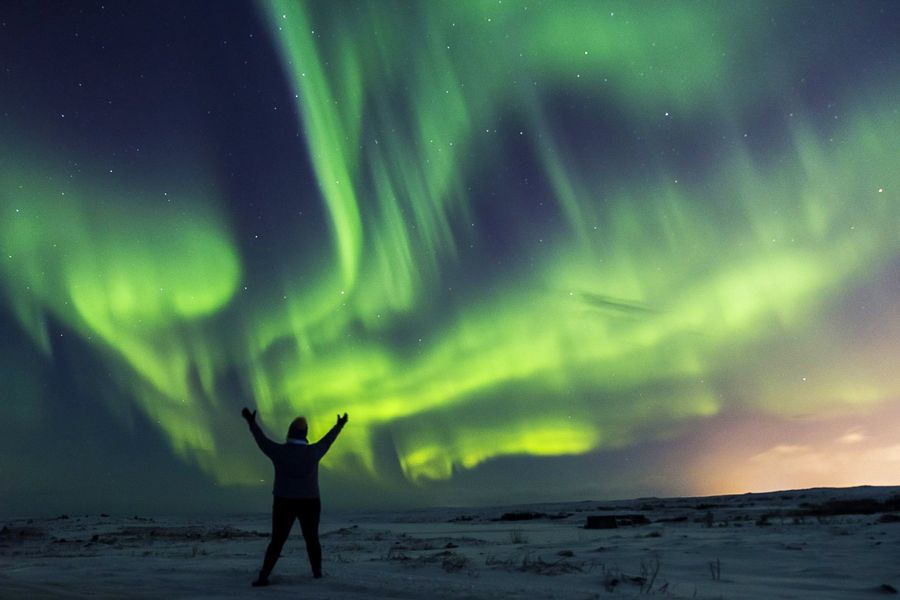
Product: , name: "Northern Lights Bus Tour with Hot Cocoa", rating: "4.27/5 from 14,847 reviews", includes: "an evening coach out of the city's light pollution with a guide watching conditions", best_for: "travellers without a car during aurora season"
Dressing for the Evening, Not the Afternoon
Daytime layers are not the same as what to wear in Reykjavik at night, since the temperature drops and the wind often picks up once the sun goes down, even in months when the afternoon felt comfortable in a light jacket. An evening walk or an outdoor tour after dark calls for more insulation than the same activity at midday would.
A warm base layer, an insulated mid layer and a windproof, water-resistant outer shell cover most evenings across the year. Gloves, a hat and a scarf or neck gaiter are worth carrying even in summer, since a clear night that is good for aurora viewing is also a cold one by definition, with no cloud cover to hold the day's warmth in. Waterproof, insulated boots matter more after dark than during the day, when pavements are more likely to have iced over.
Anyone planning to stand still outdoors after dark, whether for aurora viewing or simply walking between restaurants, should dress warmer than the daytime forecast suggests rather than matching it exactly.
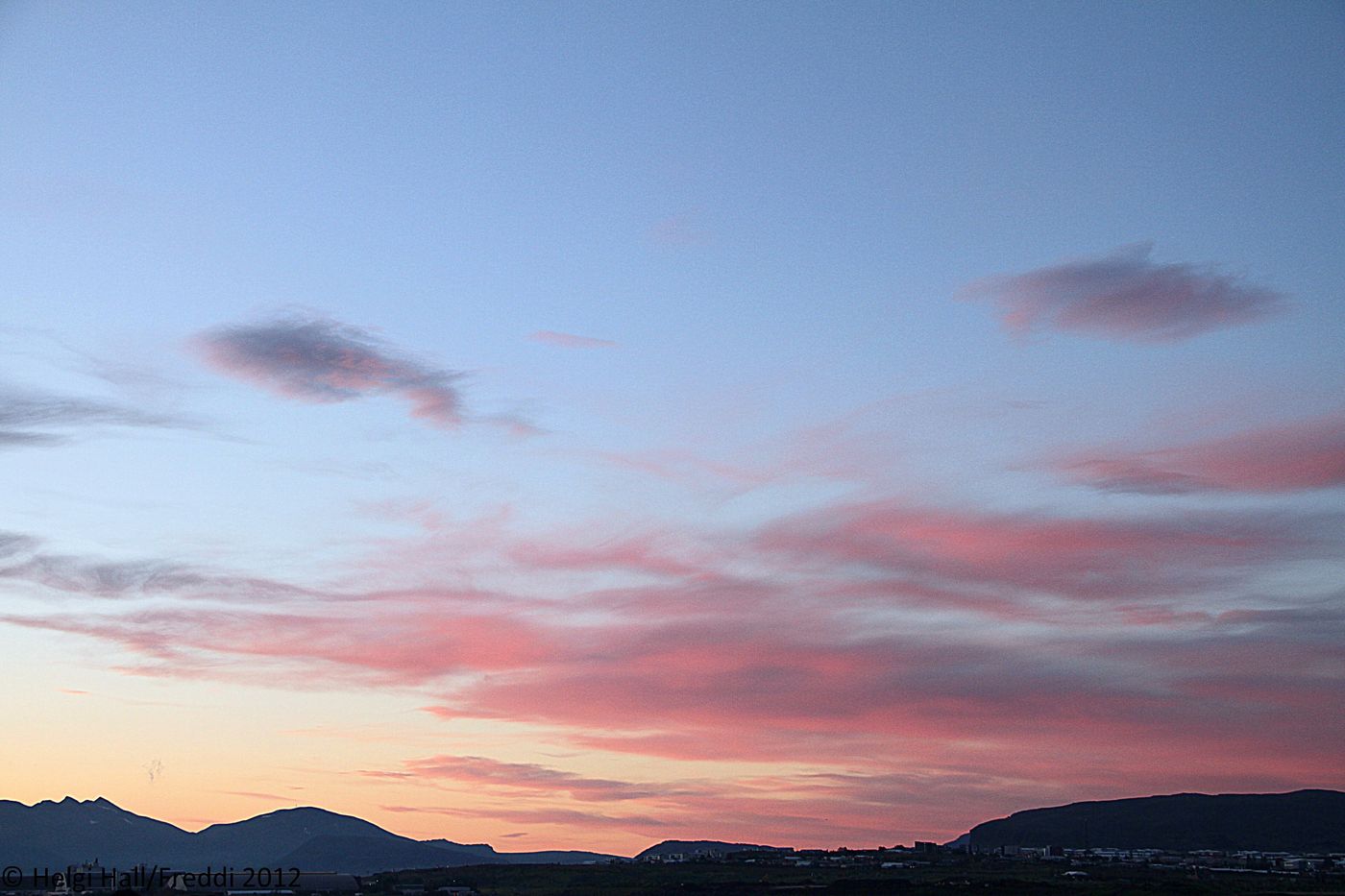
Checking Conditions the Same Evening
A forecast from earlier in the day is not the same as an aurora forecast Reykjavik tonight, since cloud cover and activity levels can both shift within a few hours and a plan made at breakfast can be wrong by dinner. The most reliable approach is checking conditions again in the early evening, close to when a viewing trip would actually leave.
Clear skies matter as much as the activity index itself, and a night with modest activity but a fully clear sky often outperforms a night with strong activity under heavy cloud. Timing a check close to departure, rather than relying on a forecast read hours earlier, catches changes that a same-morning check would miss entirely.
Guided tours that reposition based on where the sky is clearest that night have an advantage over a fixed viewpoint chosen in advance, since cloud cover over Reykjavik itself does not always match conditions half an hour outside it.
.jpg)
.jpg)
What Rain and Cloud Do to a Day's Plans
Cloud cover in Reykjavik is common enough in every season that a trip built entirely around clear skies is likely to be disappointed somewhere along the way. Rain arrives in short, often heavy bursts rather than settling in for a full day, and a burst that soaks a walk to lunch can be followed an hour later by a dry, even sunny afternoon.
Outdoor plans benefit from flexibility built in rather than a fixed hour picked weeks ahead. A tour that adjusts its route or its timing around the day's actual conditions tends to deliver more than one booked rigidly against a forecast that was only ever an estimate. Indoor alternatives, museums, pools and geothermal lagoons among them, are worth having in reserve for the days when the weather does not cooperate at all.
None of this rules out a trip built around the outdoors. It simply means treating any single day's forecast as provisional until the morning of, rather than as a fact locked in when the booking was made.
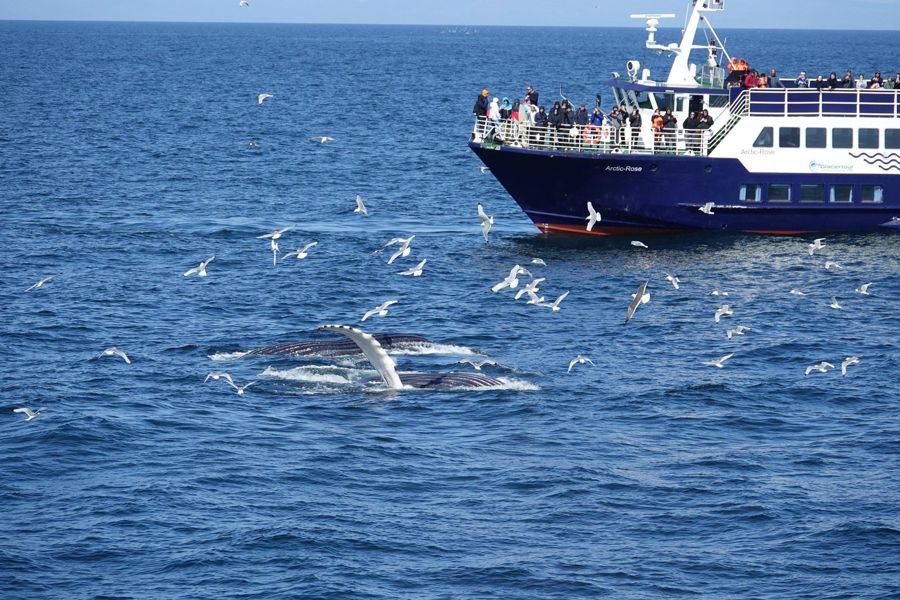
Product: , name: "Whale Watching and Marine Life Cruise", rating: "4.50/5 from 11,217 reviews", includes: "a guided boat trip from Reykjavik's harbour with a strong summer skew and sailings run all year", best_for: "travellers who want time on the water regardless of season"
Building an Itinerary Around the Light, Not the Calendar
Choosing dates around daylight hours does more for a trip than choosing them around a specific month's reputation. A visit built around long daylight allows more time outdoors per day without planning around darkness, while a visit built around long nights opens up aurora viewing at the cost of shorter days for sightseeing.
Neither choice is better across the board. A traveller who wants full days outside, hiking, driving the south coast or touring the Golden Circle in daylight, gets more usable hours in the months with the longest daylight. A traveller chasing the aurora needs the opposite: real darkness, which only exists outside the daylight-heavy months.
Mixing the two goals within a single trip is difficult, since the months with the most daylight are the same months with none of the darkness the aurora needs. Deciding which matters more before booking dates avoids arriving with a plan for both and time for neither.
Product: , name: "Golden Circle Full-Day Tour with Kerid Crater", rating: "4.76/5 from 26,671 reviews", includes: "Þingvellir, Geysir, Gullfoss and Kerið on one guided day", best_for: "using a long daylight day efficiently outside the city"
Arriving Prepared Rather Than Reacting on the Ground
Checking a forecast before departure sets expectations, but the forecast that matters most is the one read the morning of, or the evening before, a specific outdoor plan. Packing for the general season covers the baseline: layers, a windproof and waterproof shell, and boots with real grip regardless of when a trip is booked for.
Beyond the suitcase, it is worth building slack into any day that depends on the weather cooperating. A tour that can shift timing, or an alternative indoor plan sitting in reserve, protects a trip from a single bad forecast far better than a schedule with no room to move.
Reading conditions close to the date, rather than trusting an average read months in advance, is the difference between a trip that adapts smoothly and one that gets caught out by a single unlucky day. The US Department of State's country information for Iceland and the UK FCDO's travel advice for Iceland are worth checking alongside the weather itself before departure, since both are updated as conditions on the ground change.
Common questions
Does it rain every day in Reykjavik?
Not every day, but rain is possible in any month and tends to arrive in short bursts rather than lasting a full day.
Is Reykjavik colder than it looks on the map?
The ocean keeps it milder than the latitude suggests, though wind can make a given temperature feel colder than the number alone implies.
What month has the most daylight?
June, with around 21.2 hours of daylight.
When is the best chance of seeing the northern lights?
Anywhere from late August to mid-April, on a clear night away from the city's own lights.
Does the temperature change much between summer and winter?
Less than the aurora season and daylight hours change; wind and cloud cover shift the felt experience more than the raw temperature does.