
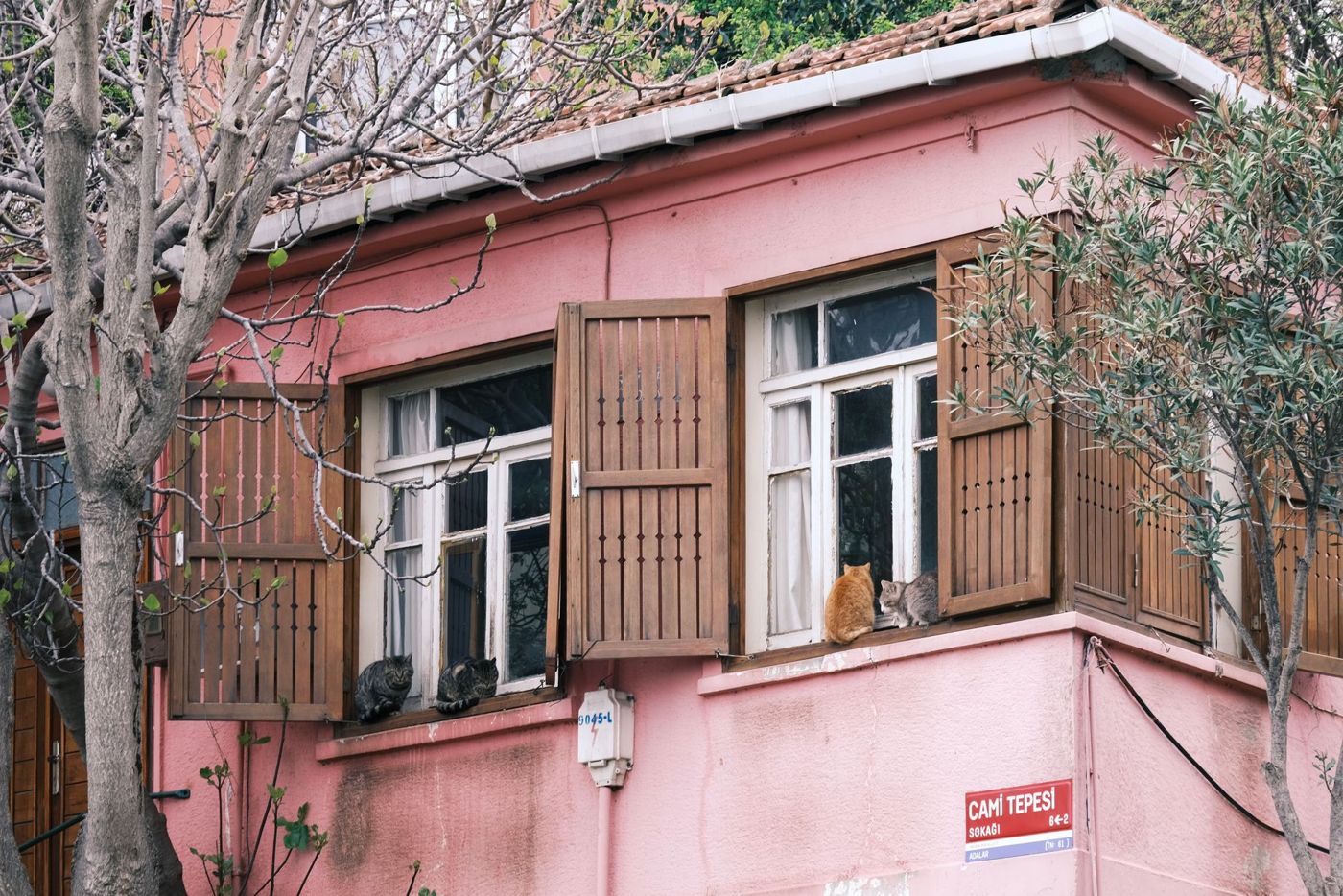
A cat crossing a quiet street in the old town is not unusual here. Reykjavik cats sit on doorsteps, doze on parked cars and walk along garden walls in daylight, closer to people than most visitors expect from a capital city. There is no fence keeping them in and no owner calling them back. This page settles why that is normal here and which parts of town make a short walk more likely to turn one up. It leaves the museums and photo spots to their own pages. The habit surprises first-time visitors most on the residential streets near the centre, where a cat sitting in a window looks as settled as a resident.
 Our pick
Golden Circle Full-Day Tour with Kerid Crater
4.76/5 (26,671 reviews) · Full-day coach tour, Kerid crater stop, Þingvellir and Geysir · Visitors adding a full day out of the city around a walk in the old town
4.76/5 (26,671 reviews) · Full-day coach tour, Kerid crater stop, Þingvellir and Geysir · Visitors adding a full day out of the city around a walk in the old town

South Coast Waterfalls, Black Sand & Glacier Tour
4.76/5 (12,274 reviews) · Full-day coach tour, waterfall stops, black sand beach, glacier viewpoint · Visitors staying in central Reykjavik who want one long day trip
4.76/5 (12,274 reviews) · Full-day coach tour, waterfall stops, black sand beach, glacier viewpoint · Visitors staying in central Reykjavik who want one long day trip
Why the streets are full of them
Visitors sometimes assume the cats are strays, fed by nobody and belonging to no one. Most are not. They belong to households along the streets they wander, and the wandering is the point: Icelandic cat owners have long let their cats out to roam rather than keeping them indoors, and the low-rise, low-traffic layout of the older neighbourhoods makes that easy to do safely. A cat seen sitting on a wall at midday is very likely somebody's pet on its own patrol, not an animal without a home.
The other assumption worth dropping is that the cats are shy of people. Many are not. Years of walking past pedestrians without being chased or startled have left a lot of Reykjavik cats comfortable sitting still while someone walks by, or wandering up to a bench where someone is sitting. That is a habit built by repeated, harmless contact with visitors and residents alike, not a trained tameness.
What a visitor gets wrong most often is timing. Cats that are visible at midday on a mild afternoon are often indoors or out of sight during heavy rain or the darker winter afternoons, when there is simply less reason for them to be out patrolling the same walls. A walk timed for a dry stretch of daylight, whatever the season, is more likely to produce a sighting than an evening walk in poor weather. None of this requires seeking out a particular address. It is a matter of walking the right kind of street at the right kind of hour.
Where a walk is worth it
The old town streets around Þingholt and the blocks just east of the main shopping street are the most reliable stretch for a slow walk. The houses here are low, close together and fronted by small gardens and low walls, exactly the kind of terrain a roaming cat prefers over busier, wider streets further out. A visitor expecting a park or a fenced enclosure built for cats will not find one; there is no single destination to aim for, only a neighbourhood where the odds are better than elsewhere.
It helps to walk slowly and look low: along the base of walls, under parked cars, on doorsteps and windowsills rather than out in the open middle of the street. Cats resting in these spots are easy to miss at a normal walking pace and easy to spot once a visitor knows to look for them. Quiet residential lanes work better than the harbour or the main shopping street, both of which carry far more foot and vehicle traffic across the day.
Anyone hoping to combine the walk with something indoors should not expect a fixed venue built around the animals; none is named here because none is confirmed. The walk itself, taken at an unhurried pace through the old town's quieter lanes, is the reliable part of the experience, and it costs nothing beyond the time it takes.
Common questions
Are the cats in Reykjavik owned or wild?
Most are owned pets that their households let roam rather than keeping indoors. Free movement through the neighbourhood is normal for them, not a sign of an animal without a home.
Is it safe to approach one?
Many are used to people passing close by and will sit still rather than run. Treating any animal as unpredictable and letting it approach first is the safer habit, since these are still someone's pets rather than trained attractions.
What time of day is best for spotting cats?
A dry stretch of daylight works better than a rainy afternoon or the darker winter hours, since there is less reason for a cat to be out patrolling in poor weather.
Which part of the city has the most cats?
The quieter residential streets in the old town, particularly around low garden walls and doorsteps, produce more sightings than the harbour or the main shopping street.