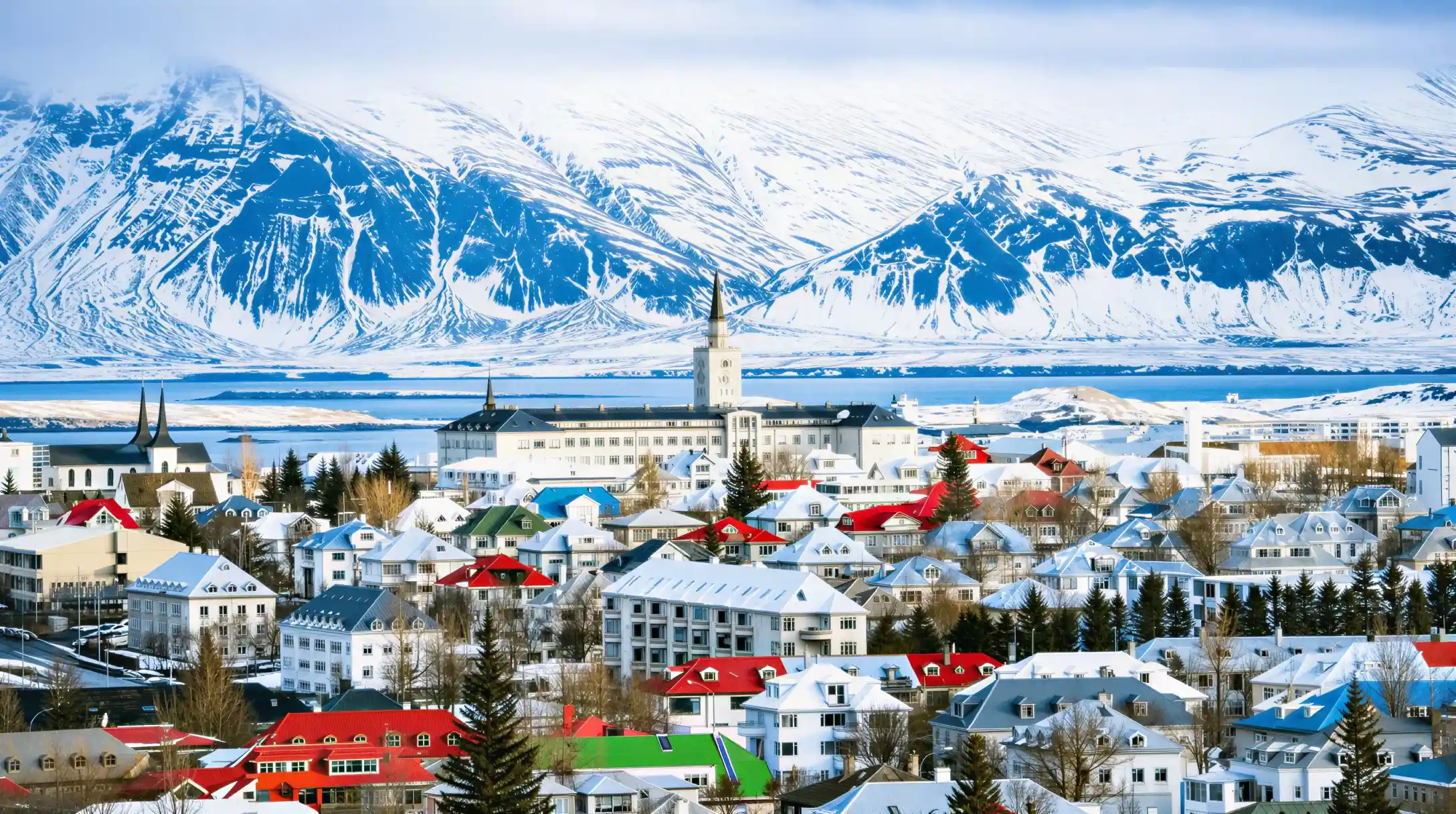
A rented car in Reykjavik gets billed as one price and then arrives with a second one attached, in the form of an insurance add-on the counter staff describe as essential. Some of that is genuine: Iceland's wind and loose gravel damage cars in ways a standard policy from home does not cover, and the excess on a basic collision waiver can run into hundreds of dollars if a stone chips the windscreen. Car rental Reykjavik decisions therefore come down to two questions before the vehicle class: what the base policy actually excludes, and whether the itinerary needs a 4x4 at all. This page works through both, plus where to rent, when winter tyres are fitted automatically and what parking downtown actually costs, so the counter conversation is a formality rather than a negotiation. Most visitors flying into Keflavik collect the car at the airport rather than in the city centre, since the desks sit a short walk from arrivals and the return process is built around the same terminal. A car bought for a week costs less per day than one booked for two, and the companies price accordingly, so the length of the trip changes which counter offer is worth taking. None of this replaces reading the rental agreement in full, but it means nothing on that agreement will be a surprise.
Ways to see the country without driving yourself

Deciding whether to rent at all
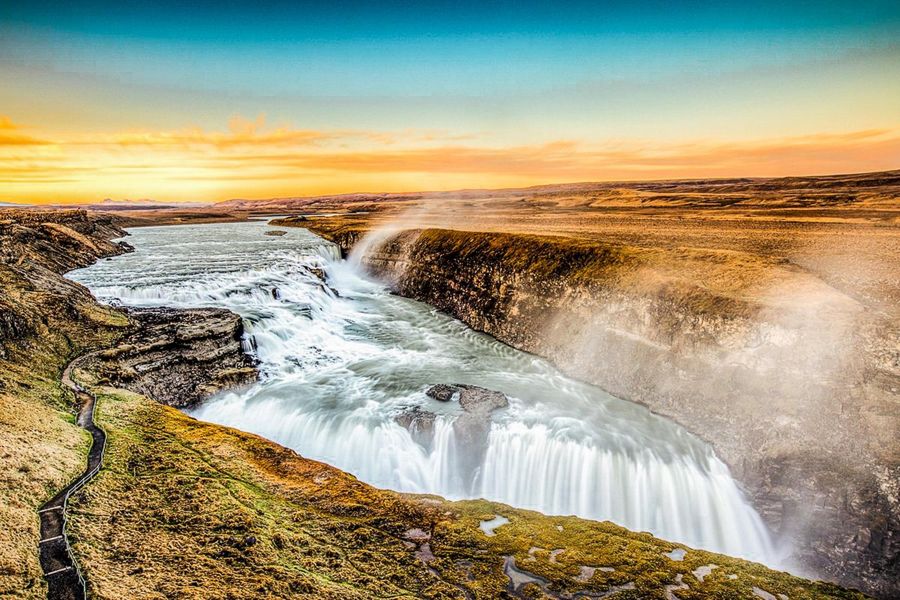
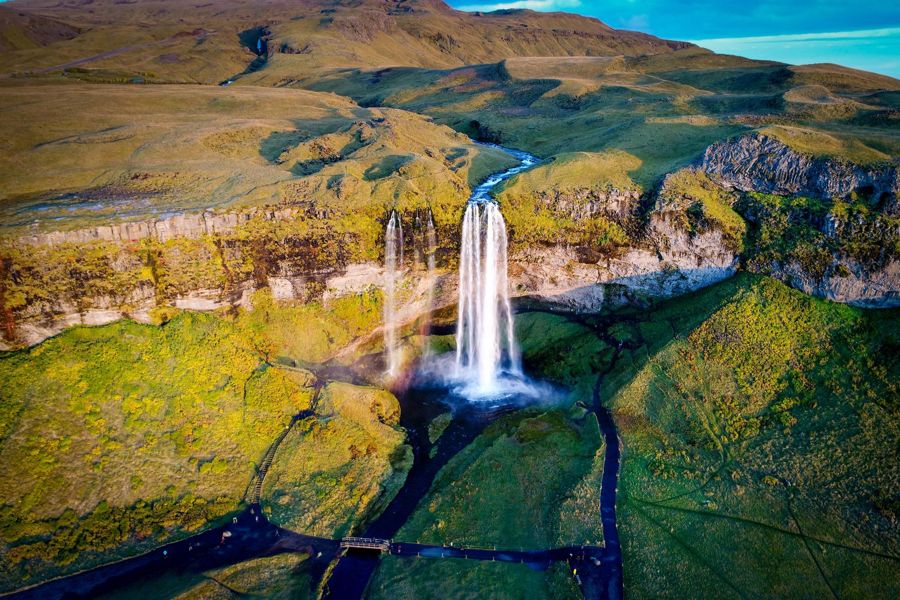
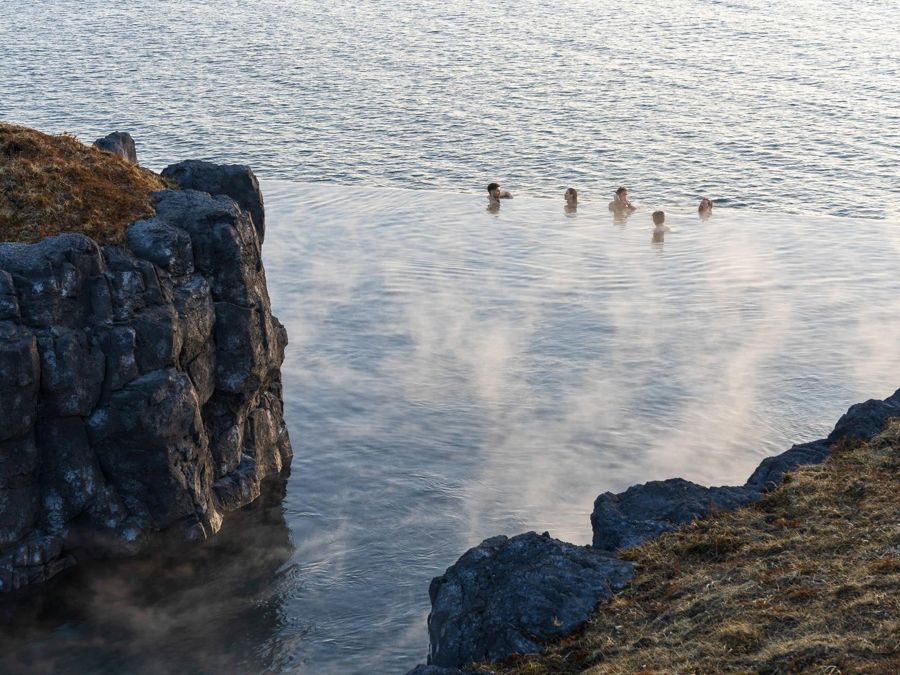
A first-time visitor often books a car because every guide assumes one, then finds half the trip spent on roads a bus or a guided tour would have covered just as well, for less stress and no fuel receipts to keep. The Golden Circle, the south coast as far as the glacier lagoon and the whale-watching harbours are all served by daily coach departures, and a driver unused to gravel shoulders and sudden crosswinds gains nothing by doing that stretch alone. Where a car earns its cost is flexibility: stopping at a waterfall the coach schedule skips, reaching a trailhead before the day groups arrive, or building a route around weather rather than a fixed departure time. The decision is really about how much of the trip is improvised. A traveller with four or five fixed sights and a return flight to catch loses little by joining a tour and gains a driver who already knows the road. A traveller planning to detour off the ring road on a whim, chase a clear sky for the aurora, or reach a fjord with no scheduled service needs the car, and needs to have booked it before the fleet sells out in high season. Iceland's peak months, June through August, see the smaller rental agencies run out of cars entirely, so the flexibility argument for renting only holds if the booking happens weeks ahead rather than at the arrivals hall. The same applies in reverse: a February trip built entirely around Reykjavik's pools, museums and the Sky Lagoon has no obvious use for a car at all, since the city itself is walkable and taxis cover anything outside it.
Figures worth checking before booking
- Blue Lagoon
- pre-booked, timed entry required; a transfer ticket alone does not admit anyone
- Sky Lagoon Saman pass
- 14,990 ISK; Sér pass: 17,990 ISK; minimum age 12
- Þingvellir parking
- 1,000 ISK; Geysir parking: 1,000 ISK; Skógafoss parking: 1,000 ISK; Seljalandsfoss parking: 900 ISK; Sólheimajökull parking: 750 ISK; Gullfoss parking: free
- Kerið crater entry
- 700 ISK flat, no child or senior rate
What the named rental companies actually offer
Shoppers comparing quotes assume every listed company is the same fleet with a different logo, and then discover the pickup point, the insurance defaults and the fuel policy differ enough to change the total by a meaningful margin. Blue car rental Reykjavik listings usually route through Keflavik's arrivals terminal rather than a city-centre branch, which matters for anyone landing late and planning to drive straight to a hotel rather than into town first. Reading the quote line by line before accepting it catches most of the gap between agencies: some bundle a gravel protection waiver into the headline price, others sell it as a separate add-on that only appears at the counter. The excess amount attached to each waiver also varies by company and by vehicle class, and a smaller car with a lower daily rate can carry a higher excess than a mid-size model from the same lot. None of the agencies publish identical terms for windscreen chips, which is one of the most common claims filed on Icelandic gravel roads, so it is worth asking directly rather than assuming the base policy covers it. A one-way rental, picked up at Keflavik and dropped in a different town, usually carries a separate fee that is not shown until the final step of checkout, and it is worth confirming before comparing two quotes that otherwise look identical. Fuel policy is the other quiet difference: some agencies charge a flat refuel fee regardless of the tank level returned, others require a full tank and check it at the counter. A quote that looks cheapest on the summary page is not always the cheapest one once these line items are added back in, so the total to compare is always the one after insurance, one-way fee and fuel policy are included, not the headline daily rate.
| Code | Covers | Note |
|---|---|---|
| CDW | Collision damage, standard excess applies | Base policy on most rentals |
| Gravel protection | Chips and cracks from loose stones on unpaved roads | Sold separately by most agencies |
| Sand and ash protection | Paint and undercarriage damage from wind-blown sand | Relevant on the south coast and near Vík |
| Theft protection | Vehicle theft, standard excess applies | Rarely the deciding factor in Iceland |
- Covers
- Collision damage, standard excess applies
- Note
- Base policy on most rentals
- Covers
- Chips and cracks from loose stones on unpaved roads
- Note
- Sold separately by most agencies
- Covers
- Paint and undercarriage damage from wind-blown sand
- Note
- Relevant on the south coast and near Vík
- Covers
- Vehicle theft, standard excess applies
- Note
- Rarely the deciding factor in Iceland
Booking through a comparison site versus direct
A quote pulled from a comparison site often looks like the final price and then changes once the agency's own booking page opens, because the comparison engine quoted the bare rental and left the mandatory extras for the next screen. Car hire Reykjavik searches on aggregator sites tend to surface the cheapest daily rate first, which is useful for narrowing down a shortlist but not for choosing a final booking without checking each agency's own terms. Booking directly with the rental company, rather than through a reseller, also makes it easier to reach someone if a change is needed close to the pickup date, since the reseller adds a layer of communication that slows down any amendment. The agency's own site is also the only reliable place to confirm which insurance is already included and which is optional, because aggregator listings summarise this inconsistently between providers. Where a comparison site earns its place is in surfacing options a traveller would not otherwise have found, particularly smaller local agencies operating out of Keflavik that do not advertise widely outside Iceland. The safest approach is to use the comparison site for the shortlist and finish the booking on the agency's own page, reading the terms in full before entering payment details. A cancellation policy is worth checking at this stage too, since some rates marketed as cheapest are non-refundable, while a slightly higher rate often allows a free change up to 24 or 48 hours before pickup. None of this is unique to Iceland, but the gap between quoted and actual price tends to be larger here than in markets with more competition among agencies, simply because the pool of operators serving Keflavik is smaller.
Reading the rental agreement before signing
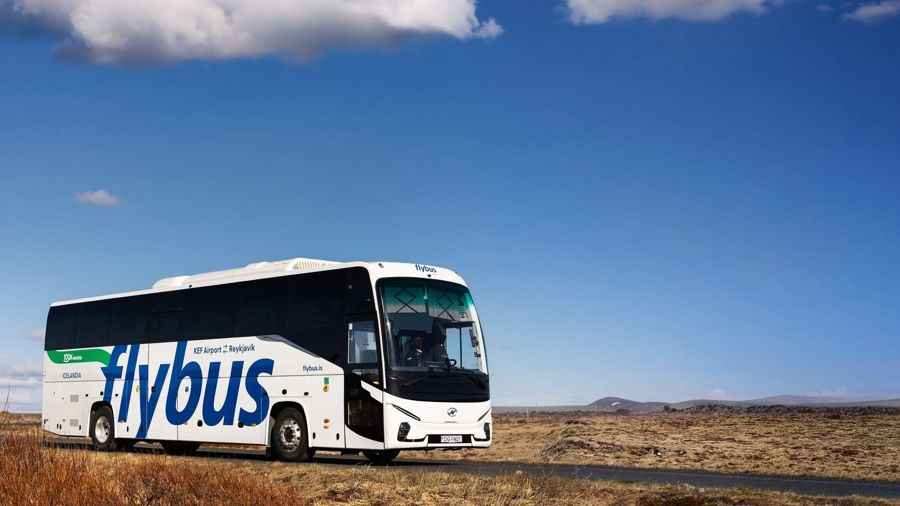
The agreement handed over at the counter is longer than most travellers expect, and the temptation is to sign without reading it because a queue has formed behind the desk. The clauses worth finding before signing cover three things: what counts as off-road driving, since some agreements void the entire policy if the car leaves a marked road, even a well-graded F-road open for the season; what the fuel and mileage terms are, since a handful of agencies still cap mileage on their cheapest tier; and what the excess amount is in the currency the traveller will actually be charged in, since some quotes are shown in ISK and charged in USD or GBP at a different exchange rate. A car returned with a chip in the windscreen or a scrape on the underside is inspected against photographs taken at pickup, so it is worth taking a full set of photos on a phone before driving off the lot, timestamped and covering every panel including the roof and undercarriage. Any existing damage should be pointed out to staff and noted on the paperwork before the keys are handed over, since an unnoted scratch found at return is treated as new damage. The excess itself is not a cap; it is the amount charged before the rest of the damage cost is absorbed by the waiver, so a gravel chip repaired for a modest amount can still trigger the full excess if a separate gravel waiver was not purchased. Reading this section before agreeing to any add-on at the counter, rather than after driving away, is the only point in the process where a traveller has real leverage to decline something unnecessary.
When the 4x4 is worth the extra daily cost
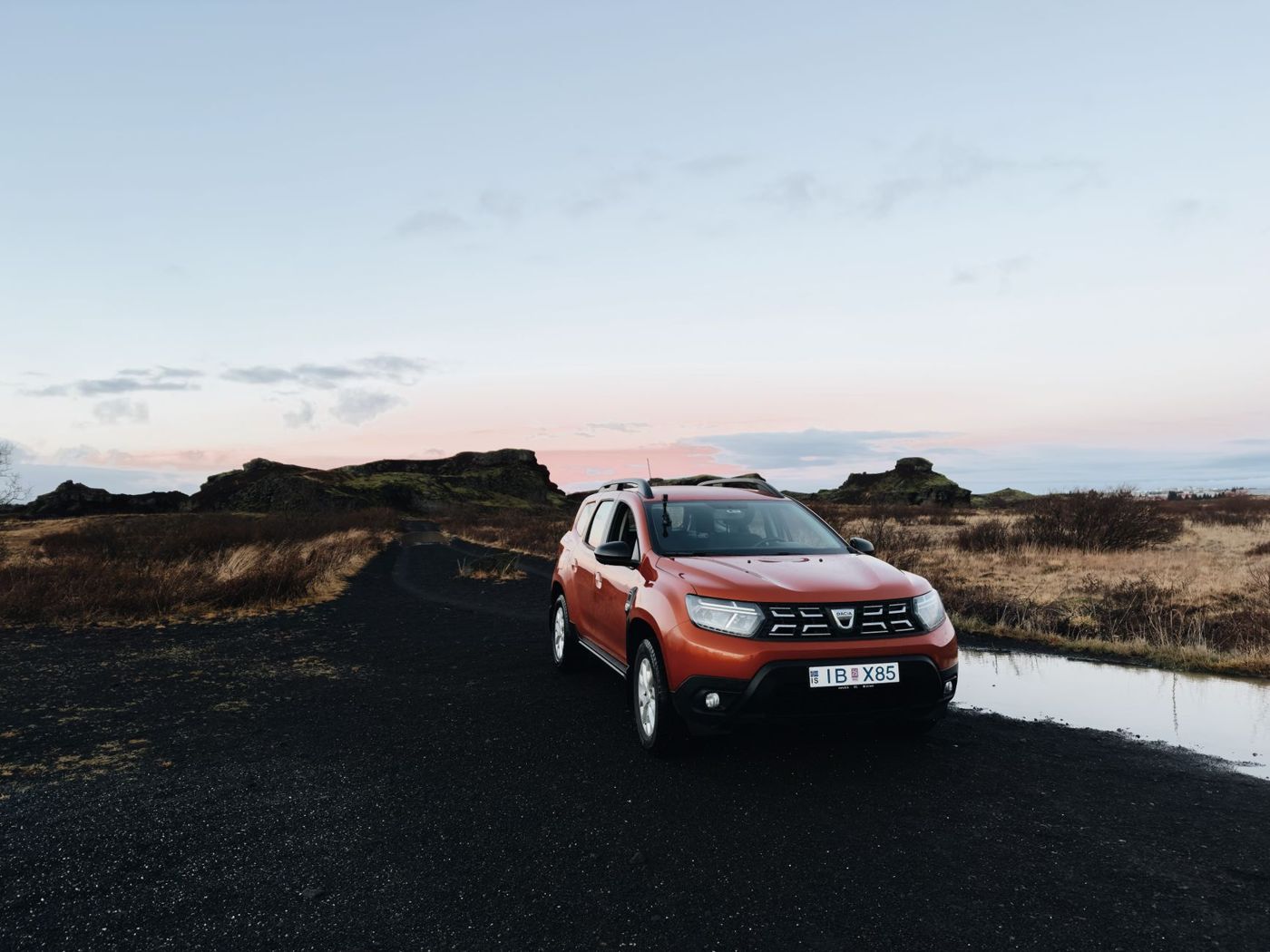
A traveller sticking to the ring road and the paved stretches of the Golden Circle and south coast has no functional need for a 4x4, and paying for one is paying for capability the trip never uses. Car rental Reykjavik airport 4x4 bookings make sense once the itinerary includes an F-road, since Iceland's highland routes are legally closed to two-wheel-drive vehicles and the closure is enforced, not advisory. Vegagerðin publishes the opening date for each F-road every spring, and driving one before it opens, or in a car not rated for it, is both illegal and the single most common cause of rental insurance claims being refused outright. A 4x4 also carries a genuine safety margin on ungraded gravel in wind, which is common enough on the south coast in shoulder season that some agencies recommend one even for travellers who never intend to leave paved roads. Ground clearance matters as much as drivetrain on Iceland's gravel: a compact 4x4 with low clearance can still bottom out on a rutted farm track, while a taller two-wheel-drive vehicle handles most graded gravel roads without difficulty. The honest guidance is to match the vehicle to the specific roads planned, not to the season or the general reputation of Icelandic roads, since a summer ring-road loop and a winter Westfjords trip have almost nothing in common in terms of what the car needs to handle. Anyone planning even one F-road, however short, should confirm both the opening date and the vehicle class required before booking, since neither is negotiable once on the road.
Vans and larger vehicles for bigger groups
A family or group of five or more quickly finds that Iceland's compact rental cars, the cheapest and most available class, do not have the luggage space for a week of layered winter clothing and hiking gear alongside the passenger count. Van rental Reykjavik options exist for exactly this gap, and they tend to book out earlier than standard cars in the same weeks, since the fleet of larger vehicles at any one agency is smaller to begin with. A van rented for a group trip is usually still a two-wheel-drive vehicle unless specifically booked as a 4x4 van, so the same F-road restrictions apply, and a group planning any highland driving needs to check that specifically rather than assuming size implies capability. Fuel cost is also higher proportionally, since a larger vehicle uses more per 100 km, though split across a full group of passengers it is often still cheaper per person than several smaller cars. Parking a van in central Reykjavik is more restricted than parking a standard car, since several of the older downtown streets and multi-storey structures have height or width limits that a van can exceed, so groups staying in the city centre benefit from checking the accommodation's own parking arrangements before booking the vehicle. Booking a van earlier than a standard car is the practical takeaway, since availability tightens first at the larger end of any agency's fleet during the peak summer months.
Where the cheapest quotes actually save money
The lowest daily rate on a comparison page is rarely the lowest total cost once insurance, one-way fees and a full tank of fuel are added, and a traveller comparing purely on the headline number ends up overpaying relative to a slightly higher quote that already includes the extras needed anyway. Cheap car rental Reykjavik listings are worth pursuing specifically for short, simple trips: a weekend confined to the city and the Golden Circle, with no F-roads, no one-way drop and no need for gravel protection beyond the basic waiver. For that itinerary, the cheapest available compact car with standard CDW is a reasonable choice, and paying extra for a larger vehicle or additional coverage adds cost without adding anything the trip will use. The saving disappears fast on a longer or more ambitious itinerary, where the extras that a cheap quote leaves out, particularly gravel and sand protection on the south coast, end up costing more if purchased separately at the counter than if bundled into a mid-tier quote from the start. Booking in the shoulder months, April to May and September to October, tends to produce genuinely lower rates rather than a low headline price with hidden extras, since demand across the whole fleet is lower and agencies compete more directly on total price. The most reliable way to find a genuinely cheap total, rather than a cheap-looking one, is to price out the same itinerary, same insurance level, across two or three agencies directly on their own booking pages rather than trusting a single aggregator's summary figure.
Comparing fleets before committing to one
A traveller who books the first available car assumes the fleets are interchangeable, then finds one agency's compact class is a genuinely small hatchback while another's compact class is a mid-size car with more boot space, both marketed under the same category name. Rental cars Reykjavik listings vary enough between agencies that the vehicle class name alone is not a reliable guide, and checking the specific make and model listed against the quote, rather than trusting the category label, avoids arriving to a car smaller than expected. Winter tyres are fitted as standard on Icelandic rental fleets during the colder months, but the exact date this switch happens differs slightly between agencies, so a traveller renting in the shoulder season, particularly October or April, should confirm the tyre type rather than assume it. Studded tyres, which grip better on ice but wear roads faster, are legal only within a set winter window in Iceland, and rental agencies switch their fleets to match, so a car collected just outside that window may have all-season rather than studded winter tyres. Automatic transmission is available across most agencies now but still commands a premium over manual, and the premium is proportionally larger on the cheapest vehicle classes than on mid-size cars. None of these differences show up clearly on a comparison page summary, which is the reason to open each shortlisted agency's own listing and check the specific vehicle, tyre policy and transmission before finalising a booking rather than after arriving to collect the car.
Picking up the car at the airport itself
Most visitors land at Keflavik and want the car in hand before the drive into Reykjavik, rather than collecting one later in the city, and the airport counters are built around that expectation. Rent a car Reykjavik airport pickups typically involve a short walk or a shuttle from the arrivals hall to a rental desk or a nearby lot, and the exact process differs by agency, with some requiring a phone call on arrival to arrange a shuttle rather than having a desk inside the terminal itself. Building in 30 to 45 minutes after landing for this process, on top of immigration and baggage claim, avoids the pressure of trying to make a tight same-day schedule immediately after a long flight. Returning the car at the airport before a departing flight works the same way in reverse, and agencies typically ask for the car back two to three hours before an international departure to allow time for inspection and the shuttle back to the terminal. A late-night arrival is worth checking against the agency's actual desk hours before booking, since not every counter at Keflavik operates 24 hours, and a flight landing in the small hours can arrive to a closed desk if the agency was not confirmed to be open. Isavia and kefairport.com publish the terminal's own operating information, which is the reliable source for arrival logistics rather than a rental agency's marketing page.
Driving conditions a rental agreement assumes are understood
Wind is the condition most visiting drivers underestimate, and Iceland's open landscape gives gusts nothing to break against, strong enough on exposed stretches to make opening a car door against the wind genuinely difficult, and capable of pushing a lightweight car across a lane on a bridge or an exposed pass. The Icelandic Meteorological Office publishes wind warnings alongside its general forecast, and checking it before a day's drive is a normal part of planning a route here, not an excess of caution. Sneaker waves, unusually large waves that reach further up a beach than the pattern before them, are a specific hazard on black sand beaches like Reynisfjara, and staying well back from the waterline is the standing safety guidance regardless of how calm the sea looks. Safetravel.is, run by Iceland's search and rescue organisation, covers this and river crossings in detail and is the source rental agencies themselves point travellers toward. Single-lane bridges are common on the ring road outside the capital area, and the rule is that the car already on the bridge has right of way, which catches out drivers used to assuming right of way defaults to the larger road. None of these conditions require special equipment beyond what a standard rental already provides, but they do require slowing down and checking conditions rather than driving at the speed the empty road seems to invite.
Returning the car and closing out the rental
A return inspection at the end of a rental is where disputed charges most often arise, and the traveller's position is strongest when the pickup photographs exist and the fuel or mileage terms from the agreement are already understood, rather than relying on memory of what was agreed at the counter. Arriving with enough time before the return deadline avoids a late fee, which most agencies charge per hour or per day past the agreed time, and the deadline is usually tied to the shuttle schedule at the airport rather than a fixed clock time. A car returned with a full tank when the agreement required it avoids a refuelling charge that is typically priced well above the local pump rate, so filling up at a station near the return point, rather than assuming a station further out will be cheaper, is worth the small time cost. Any damage the traveller believes is pre-existing and already noted should be pointed out again at return, referencing the paperwork from pickup, rather than assumed to be remembered by staff who were not present at the original inspection. A charge that appears on a card statement after the return, beyond what was expected, should be checked against the signed agreement first, since the agreement is the reference document for any dispute, not the verbal description given at the counter. Keeping a copy of the signed agreement and the pickup photographs until the final card statement clears is a small habit that resolves most disputes quickly if one does arise.
Insurance from a card or a travel policy versus the counter waiver
Some credit cards advertise rental car insurance as a benefit, and travellers arrive assuming this replaces the need for the agency's own collision waiver, only to find at the counter that many card policies exclude gravel roads specifically, which is precisely the damage most common in Iceland. A travel insurance policy bought separately before the trip sometimes covers rental excess more comprehensively than a card's built-in benefit, but the wording needs checking against Iceland's specific conditions, particularly gravel and volcanic sand exclusions, rather than assumed from a general summary of the policy. Where a card or travel policy genuinely does cover the excess, it is still standard for the rental agency to place a hold on the card for the full deposit amount at pickup, refunded after a clean return, so the traveller needs available credit for that hold regardless of which insurance ultimately pays out. Declining the agency's own CDW because of an external policy is a valid choice but shifts the burden of proof to the traveller if a claim is needed, since the agency will charge the deposit and expect the external insurer to be the one reimbursing it afterward, a process that can take weeks. The straightforward approach for a first Iceland rental is to confirm in writing, before travelling, whether the card or travel policy covers gravel and sand damage specifically, and to budget for the agency's own gravel waiver if it does not, rather than discovering the gap after a chip has already happened.
Common questions
Questions after booking
Is a 4x4 required to drive the ring road? No. The ring road is paved and maintained for standard vehicles year-round; a 4x4 becomes necessary only for F-roads and some winter conditions off the main route. Do rental cars in Iceland come with winter tyres automatically? Agencies fit winter tyres as standard through the colder months, with the exact switchover date varying by agency, so confirming it directly is worth doing for shoulder-season bookings. Is gravel protection included in the base insurance? Usually not. Gravel and sand protection are typically sold as separate add-ons on top of the standard collision waiver. Can an F-road be driven before its published opening date? No. Vegagerðin enforces closures until the road is graded and safe, and driving one early voids most rental insurance. Is it cheaper to book a car at the airport or in the city? Keflavik airport pickups are more common and often no more expensive, and they avoid the extra trip into town to collect the car separately.