A wetsuit from a beach shop will not keep anyone warm in Silfra. The water sits at 2 to 4 degrees Celsius (36 to 39°F) year round, and most people planning silfra snorkeling from Reykjavik assume the drive out is the only thing to arrange. It is not. Thingvellir National Park, not the tour operator selling the trip, sets who may enter the water, at what age, height and weight, and what a snorkeler must wear. A guided tour supplies the dry suit and the transport; the park decides whether a given person is allowed to put it on.
 Our pick
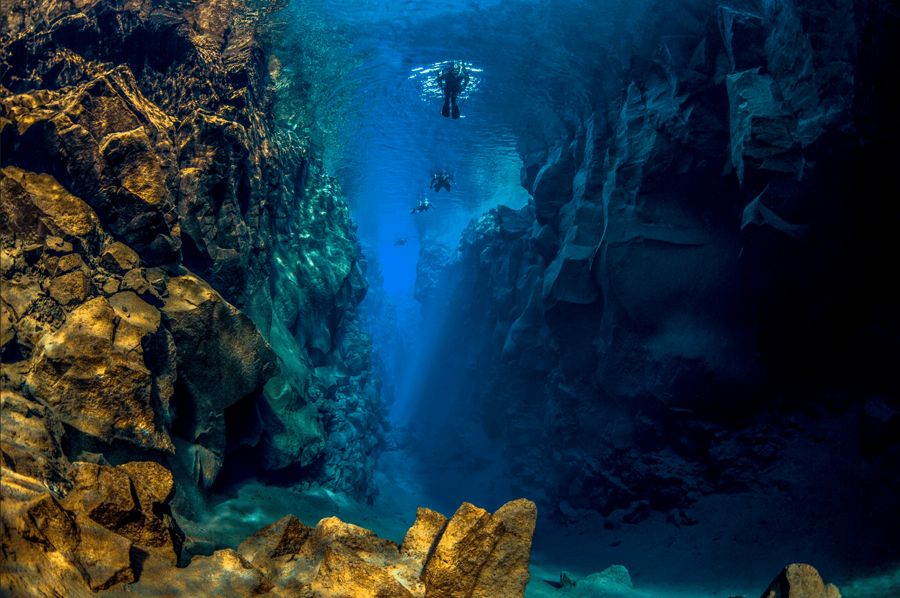
Reykjavik: Silfra Fissure Snorkeling between Two Continents
Dry suit and thermal underlayer · Guide · Transport from Reykjavik
First-time snorkelers wanting the highest-reviewed option
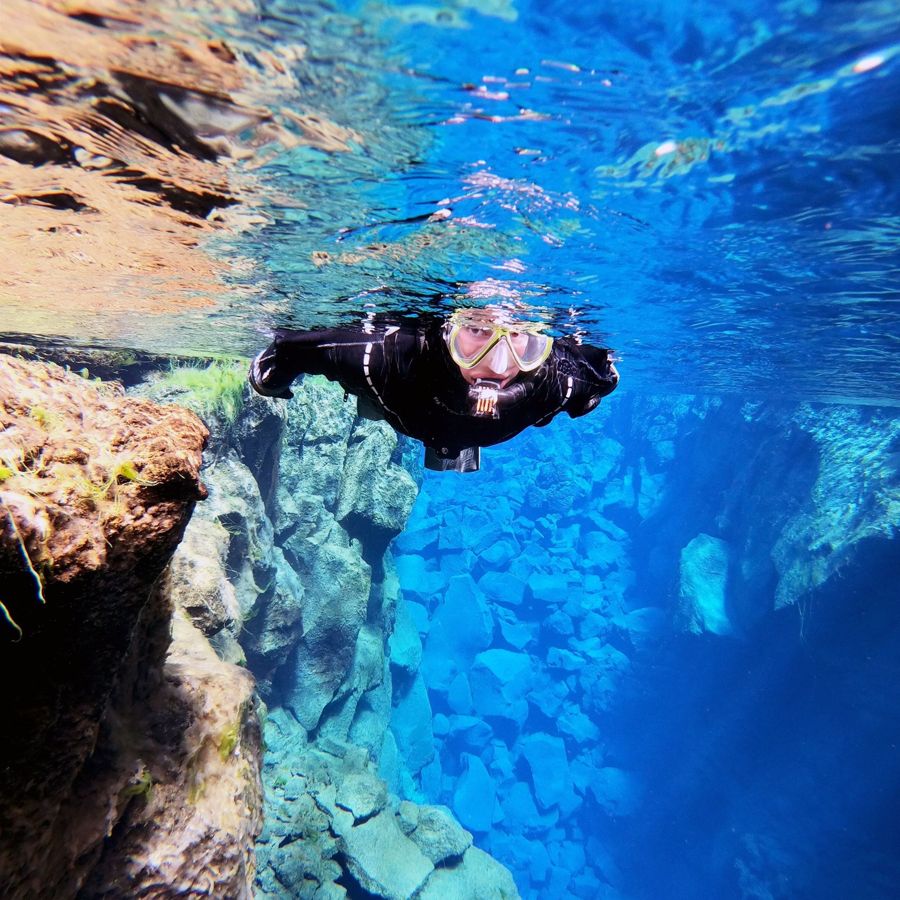
From Reykjavik: Silfra Snorkeling with Free Photos
Dry suit · Guide · Photos of the snorkel
Snorkelers who want a photo record included
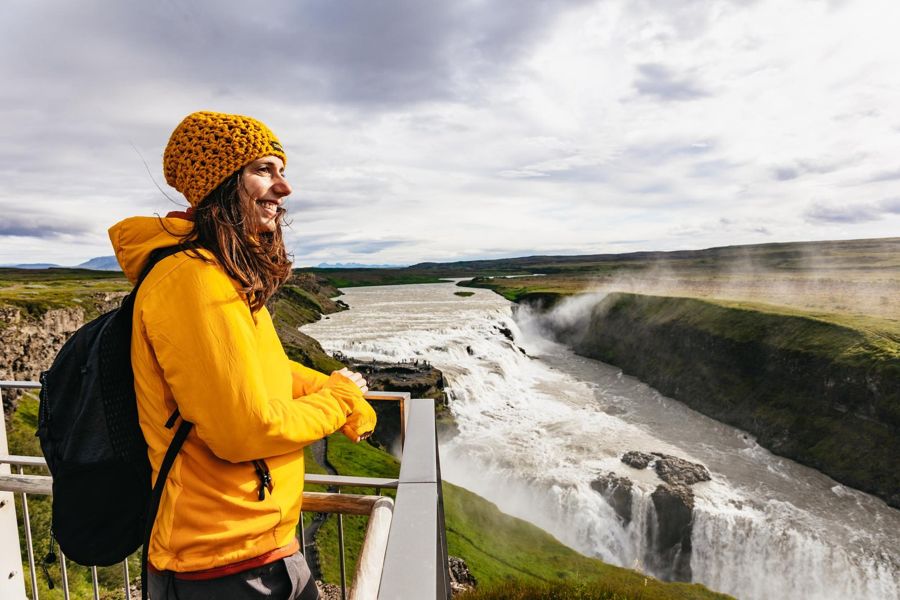
From Reykjavik: Golden Circle Tour and Silfra Snorkeling
Dry suit · Guide · Golden Circle sightseeing
Combining the snorkel with a full day at Þingvellir, Geysir and Gullfoss
What the water and the fissure are actually like
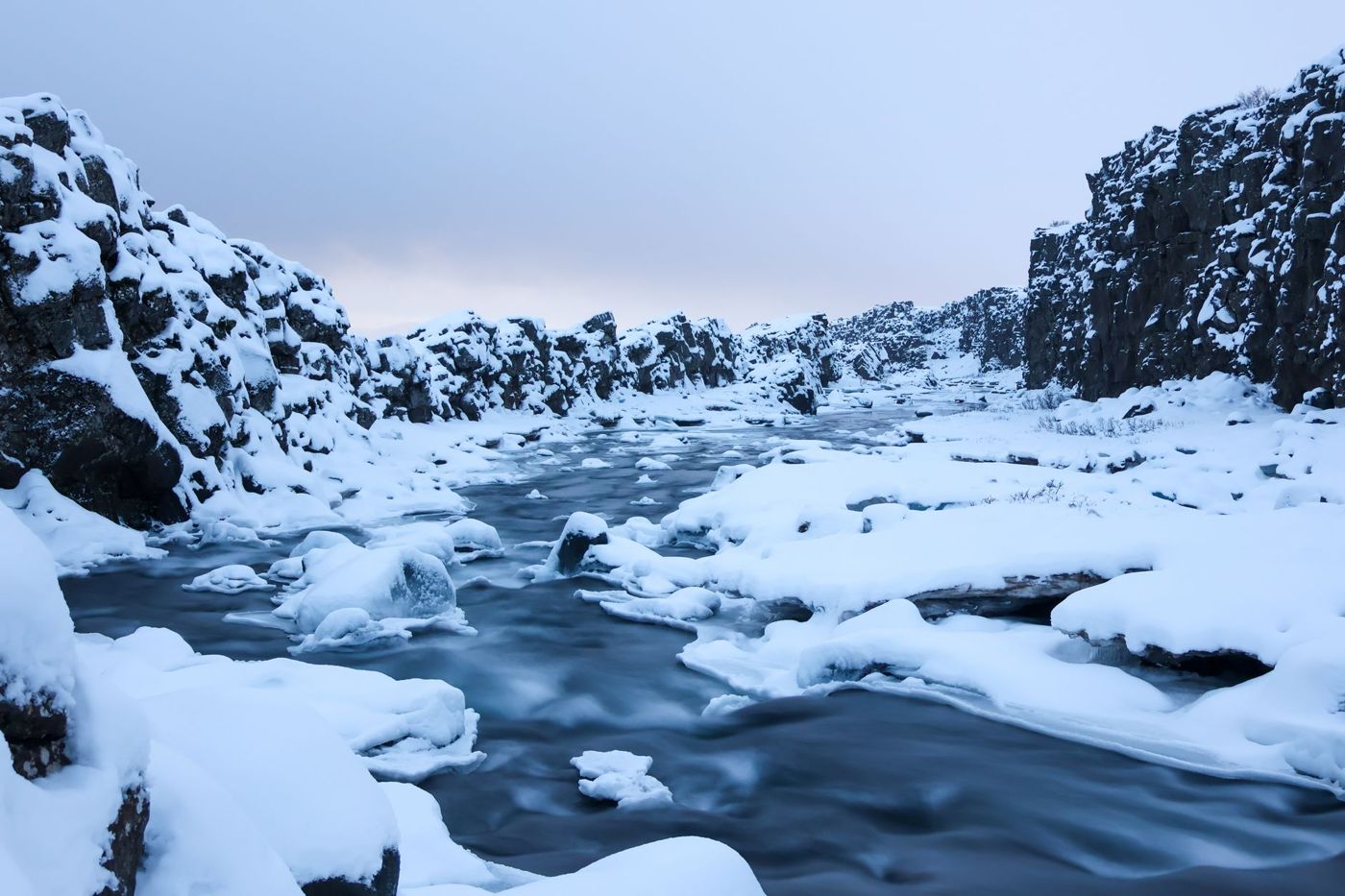
Visitors picture a short swim through a narrow crack. Silfra is wider and deeper than that: the fissure runs up to 10 m across and 60 m down at its deepest point, though a snorkeling tour, unlike a snorkeling tour iceland listing might suggest, keeps swimmers on the surface rather than at depth. The fissure sits between the North American and Eurasian tectonic plates at the northern end of Lake Þingvallavatn, inside Þingvellir National Park, and it widens by only 1 to 5 mm a year, which is not something a single visit will show.
Underwater visibility runs to 100 m, the longest of any dive or snorkel site most travelers will see, because the water arrives as glacial meltwater from the Langjökull glacier after roughly 30 years filtering through porous lava. The lava forming Silfra's walls is about 9,000 years old, and the fissure itself has existed for at least 1,500 years; the earthquakes of 1789 changed how water moves through it but did not create it. About 100 similar fissures run along a roughly 5 km stretch of the same plate boundary nearby, and Silfra was a fishing site before 1789, long before anyone dived it for recreation.
Snorkelers stay on the surface throughout, in a dry suit, thermal layer, hood and gloves supplied by the guided tour. Divers are permitted down to 18 m and never alone: Þingvellir National Park requires a buddy at all times and prohibits entering caves or any other overhead environment, on a guided tour or on an independent permit alike.
Silfra at a glance
- Water temperature
- 2-4°C (36-39°F)
- Visibility
- 100 m (328 ft)
- Maximum fissure width
- 10 m (33 ft)
- Maximum fissure depth
- 60 m (197 ft)
- Maximum diving depth permitted
- 18 m (59 ft)
- Minimum age to snorkel
- 12
- Minimum height to snorkel
- 150 cm (4 ft 11 in)
- Minimum weight to snorkel
- 45 kg (99 lb)
- Minimum age to dive at Silfra
- 18
- Park entry fee, per person
- from 1,500 ISK
- Parking, car up to 5 seats
- 1,000 ISK
- Road distance from Reykjavik
- 54.1 km (33.6 mi)
- Driving time from Reykjavik
- 55 min
Why the age and size limits exist before anyone reads them
Many travelers booking snorkeling Reykjavik iceland trips discover the age and size limits only after paying a deposit. The minimum age to snorkel Silfra is 12, and there is a minimum height of 150 cm (4 ft 11 in) and a minimum weight of 45 kg (99 lb), figures published by DIVE.IS rather than by the park itself. Diving is separate and stricter: divers must be at least 18 at Silfra specifically, above the general Icelandic diving minimum age of 17.
Every diver needs a certification equivalent to Autonomous Diver or Open Water plus a dry suit certificate, though Þingvellir National Park also accepts proof of 10 registered dry suit dives in the last two years, confirmed in writing by a recognised instructor, in place of the dry suit certificate. Snorkelers need no certification, only a well-fitting wetsuit or the dry suit a guided tour provides, and both divers and snorkelers complete a medical screening form before entering the water, with a doctor's approval required where the form calls for one.
Life jackets and other swimming aids are not permitted in Silfra: participants must be able to swim and be comfortable in open water without one. Qualified divers who prefer not to book through an operator can apply for a permit directly with the park, though the buddy requirement and the same health declaration still apply to that route.
What the guided trip covers that an independent permit does not
A booked silfra snorkeling tour from Reykjavik removes most of the planning a self-drive visit demands. The operator supplies the dry suit, thermal underlayer, hood, gloves and neoprene shoes fitted to the person wearing them, along with transport out to Þingvellir and back and a guide who checks the medical screening form on site. That guide also enforces the buddy system the park requires and keeps the group inside the open sections of the fissure, away from any overhead environment.
Diving and snorkeling at Silfra remain the participant's own responsibility and risk throughout: the park accepts no liability for accidents connected to the activity, whether booked through an operator or arranged independently. A guided tour does not remove that condition; it only adds a guide managing the group and equipment fitted on the day. Because the fissure sits inside a UNESCO World Heritage Site, inscribed in 2004, groups also follow marked entry and exit points rather than choosing their own.
Combined itineraries, such as a Golden Circle day with the snorkel added, cover the 54.1 km (33.6 mi) drive from Reykjavik, a journey of about 55 minutes each way, inside a single booking rather than requiring a rental car.
Choosing between snorkeling and diving
Readers comparing snorkeling tours Reykjavik options against a dive often assume the two cost the same effort to book. Snorkeling asks for no certification at all, only that a person meets the age, height and weight figures above and completes the medical form; diving asks for a recognised qualification plus the dry suit proof described earlier, and the age floor rises to 18. Both share the same buddy rule and the same restriction to open water rather than any cave or overhead space.
Silfra stays open all year, unlike Iceland's other dive sites, so the season is not the deciding factor between the two activities the way it is elsewhere in the country. The deciding factor is closer to fitness in cold water and comfort with a dry suit: snorkelers float at the surface throughout, while divers descend to a maximum of 18 m and need to manage buoyancy in gear that behaves differently from an open water wetsuit.
Neither activity permits a life jacket or other flotation aid, so anyone unsure about swimming ability in open, cold water is better matched to the snorkel, where a guide stays close throughout, than to an unguided dive permit.
Packing for the day matters more than most people expect from a guided activity. Warm base layers under the dry suit, wool socks and a swimsuit underneath the thermal layer keep the cold from being the main memory of the trip. Hair that will get wet benefits from being tied back before the dry suit hood goes on, and contact lens wearers sometimes prefer glasses left in the car, since the mask seals more easily without them.
A change of dry clothes and a towel belong in the car rather than the day bag, since the changing area at the site is basic and cold weather makes a quick change welcome. Anyone prone to claustrophobia should expect the dry suit hood and neck seal to feel tight at first; guides fit the suit before entering the water and adjust it if it is uncomfortable rather than leaving a snorkeler to manage it alone.
Cameras are usually not needed: several tours in this category include photos taken by the guide during the swim, which removes the problem of handling equipment in near-freezing water. Anyone with a cold-water phobia or a recent respiratory illness is better served checking with the tour operator before the day of the activity rather than on arrival at Þingvellir.
Common questions
Can children snorkel Silfra?
Only from age 12, and only if they also meet the minimum height of 150 cm (4 ft 11 in) and minimum weight of 45 kg (99 lb). All three limits apply together, not just the age.
Do I need diving experience to snorkel Silfra?
No. Snorkeling requires no certification, only the age and size minimums and a completed medical screening form. Diving is the activity that requires a certification and a separate age minimum of 18.
Is Silfra snorkeling possible in winter?
Yes. Silfra stays open year round and does not close for winter the way some of Iceland's other dive sites do, and the water temperature stays close to 2-4°C (36-39°F) regardless of season.
Who decides the rules at Silfra, the park or the tour company?
Thingvellir National Park sets the age, buddy and overhead-environment rules and the medical screening requirement. A tour operator supplies equipment, transport and a guide who enforces those same park rules on site.
Can I dive or snorkel Silfra alone?
No. A buddy is required at all times for both activities, whether booked through a guided tour or arranged as an independent permit directly with the park.