A page that quotes a road opening date or a lagoon price without saying where it came from is not worth trusting, and most travel pages on Reykjavik do exactly that. This site attributes each fact to the body that actually holds it: the Icelandic Meteorological Office for weather and the aurora, Vegagerðin for roads, the parks for their own rules, the operators for their own prices. Where two governments disagree, both are named. Nothing here is guessed, and nothing is copied from another guide's guess either.
 Our pick
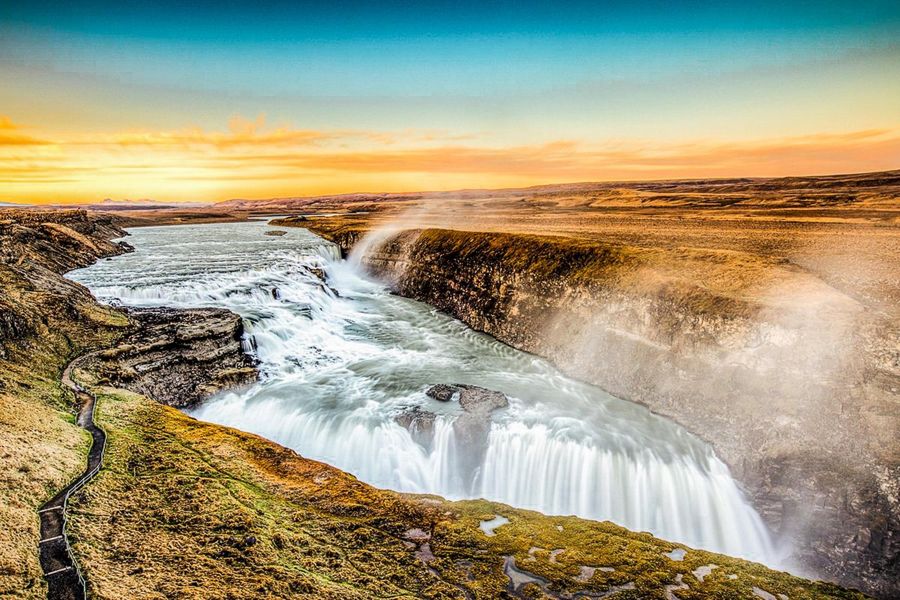
Reykjavik: Golden Circle Full-Day Tour with Kerid Crater
Golden Circle route, Kerið crater
A first full day out of Reykjavik
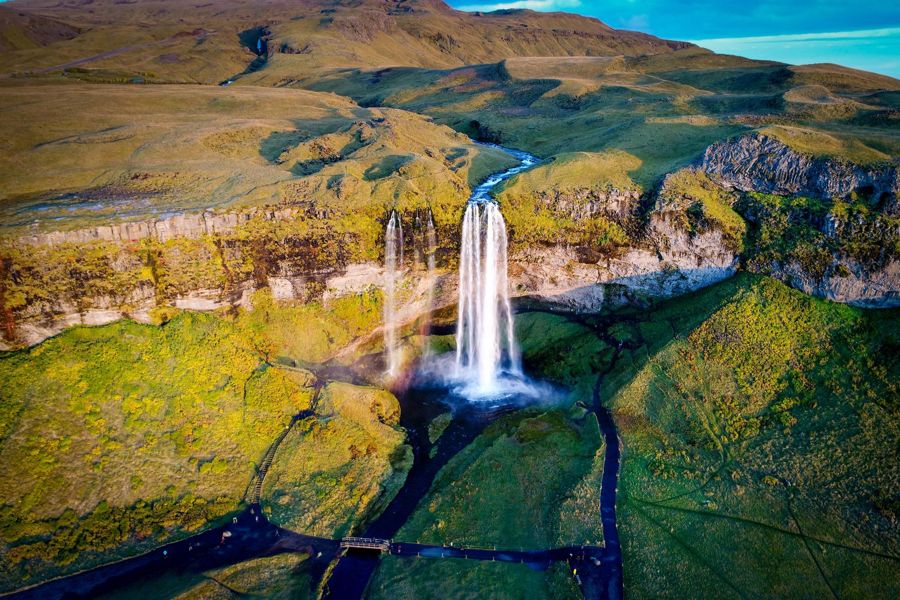
Reykjavik: South Coast Waterfalls, Black Sand & Glacier Tour
South coast waterfalls, black sand beach, glacier viewpoint
A day trip covering the south coast in one booking
Which body answers which question
A common mistake is treating any travel website as equally authoritative, so a road closure gets quoted from a blog post rather than from Vegagerðin, or an eruption's status gets stated as though it were permanent rather than dated and reassessed. This site separates the two home markets from the local record. Travel advice and entry rules cite the US Department of State first, since most readers here are American, and the UK FCDO second, for the British minority. When the two disagree, both positions are given rather than one silently dropped.
Everything about the landscape itself comes from Icelandic institutions. Weather, aurora forecasts, earthquakes and eruption status come from the Icelandic Meteorological Office, the source cited most often on this site after Wikipedia. Road conditions and the spring opening of the F-roads come from Vegagerðin, never from an operator's marketing calendar. Outdoor hazards such as sneaker waves and river crossings are attributed to safetravel.is, run by the search-and-rescue teams who respond to them. A national park sets the rules for its own site, not a tour operator selling access to it, and Statistics Iceland is the source for population and tourism figures rather than a number repeated from an older article.
- Travel advice
- US State Department, UK FCDO · Entry rules, safety notices
- Weather and aurora
- Icelandic Meteorological Office · Forecasts, eruption status
- Roads
- Vegagerðin · F-road opening dates
- Outdoor safety
- safetravel.is (ICE-SAR) · Hazards, rescue guidance
- Population, tourism
- Statistics Iceland · Figures used in prose
- Prices, hours, rules
- The operator's own site · Never a reseller
Why some sites are never linked
A reader might expect a guide to link Wikipedia for background or a booking aggregator for comparison, since both appear high in most search results. This site does neither. Wikipedia is treated as a source of record for a measurement or a founding date, useful to name in a sentence, but it is a summary of other sources rather than a primary one, so it is never the destination of a link. The same applies to a reseller quoting a price it does not set. A ticket price, an age limit or a safety rule belongs to the operator or the authority that owns it, and a reseller repeating that figure a season late is not evidence, so this site sends readers to bluelagoon.com or skylagoon.com rather than to a listings page reprinting last year's number.
A short list of sites is excluded outright regardless of what they publish: aggregators the site competes with, several tour resellers whose uncredited editorial this project exists to replace, and a handful of partners the owner has ruled out entirely. None of that changes what gets cited. A fact can still name any of these sites in a sentence where it is genuinely the source of record, such as Wikipedia for a measurement; what changes is that the sentence stops short of a markdown link. Citing and linking are different acts here, and the second is reserved for the authorities in the table above. The rule behind that distinction, and the rest of how this site decides what to print, is set out in the editorial principles.
Common questions
Why does this site cite the US State Department before the UK FCDO?
Most readers planning with this guide are American, with a smaller share from the UK, so the home-market source most readers hold a passport under is named first, with the other listed alongside it.
Why isn't Wikipedia linked if it's named as a source?
Wikipedia is treated as a source of record for a measurement or a date, not as a destination worth sending a reader to, so it is cited by name and never linked.
Where do lagoon and tour prices come from?
Directly from the operator's own site, such as bluelagoon.com or skylagoon.com, never from a reseller repeating an older figure.
What happens when the US and UK travel advice disagree?
Both positions are stated, since the two governments occasionally differ on points such as driving or insurance.