
A lot of trip plans still send people to Laugavegur looking for the penis museum Reykjavik search turns up, and that address has been wrong since 2020. The Icelandic Phallological Museum moved to Hafnartorg that year, a few streets away from its old home, and printed guides and blog posts have not all caught up. This page settles where it is now, what it costs to get in, and what the Reykjavik City Card actually buys you here, since the card does not buy free entry. It also covers the hours, the collection itself, the café attached to it, and whether it suits a visit with children.
The short version: the museum sits at Hafnartorg, in the city centre, open every day of the year, and the ticket price is separate from anything a city pass promises. The rest of this page works through the collection, the practical details and the questions that come up once those two points are out of the way.
 Our pick
Reykjavik: Golden Circle Full-Day Tour with Kerid Crater
Golden Circle sights including Kerid Crater, full-day guided coach tour
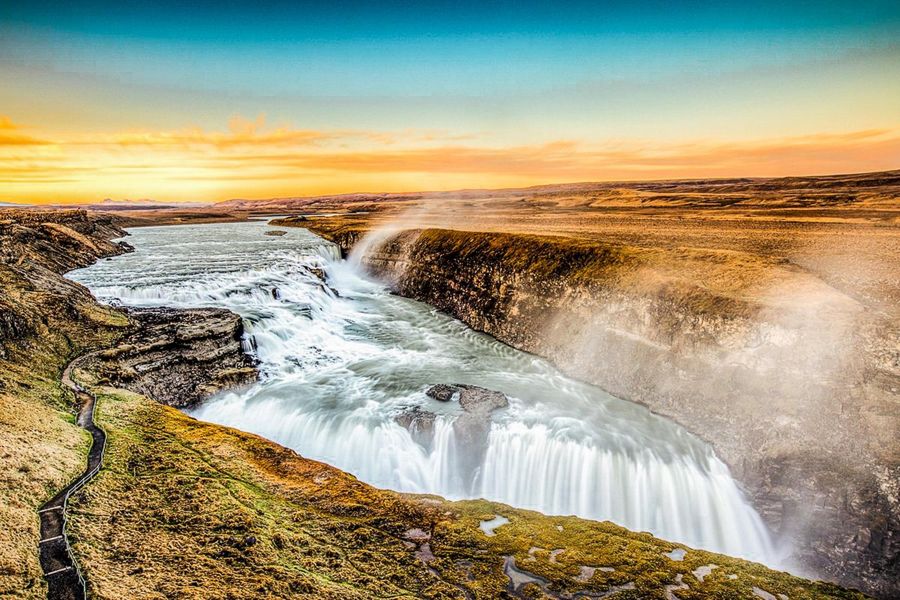
A first full day outside Reykjavik covering Þingvellir, Geysir and Gullfoss
Reykjavik: South Coast Waterfalls, Black Sand & Glacier Tour
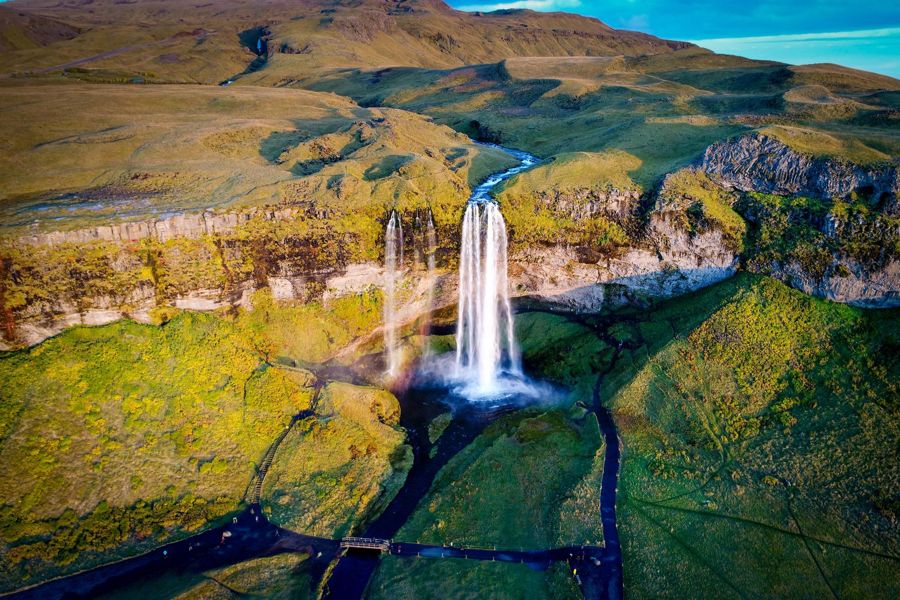
South coast waterfalls, black sand beach and glacier viewpoint, guided coach tour
Travellers pairing a city day with a day out to the south coast
Reykjavik: Sky Lagoon Entrance Pass With 7-Step Spa Ritual
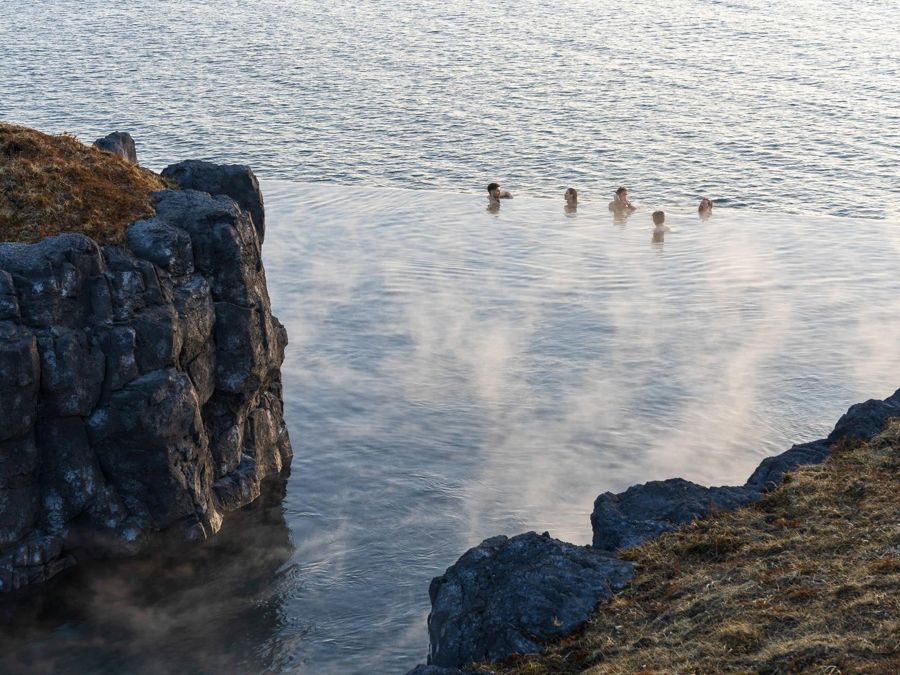
Timed entry to Sky Lagoon and the 7-step spa ritual
An evening of rest after a day of museums and coach tours
Where the museum actually is now
The wrong address is the single most repeated mistake about this museum, and it is worth being precise about. The Icelandic Phallological Museum operated on Laugavegur 116 from 2012, and a great deal of travel writing froze there. In 2020 the collection moved to Hafnartorg, at Reykjastræti 4, in the 101 Reykjavik postcode, and that is where it has stayed since. The Reykjavik phallological museum sits inside the Hafnartorg development, a short walk from the older shopping streets rather than on them, and a reader working from an old photo or an old blog post will end up outside the wrong building.
Before Laugavegur, the museum had two earlier homes: it opened in Reykjavik in 1997, moved to Húsavík in 2004, and returned to Reykjavik in 2011 before the Laugavegur years. The collection itself goes back further than any of its buildings. Sigurður Hjartarson began gathering specimens in 1974, more than two decades before the museum opened its doors, and his son Hjörtur Gísli Sigurðsson now runs it. None of that history changes where to actually go: Hafnartorg, Reykjastræti 4, in the city centre.
- Adult admission
- 3900 ISK
- Senior or disabled admission
- 3120 ISK
- Children free up to
- 12 years
- Opening hours
- 10:00 to 19:00, daily
- Bookable entry slots
- 10:00 to 18:00, hourly
- Reykjavik City Card discount
- 20 percent off, not free entry
Hours, booking and getting in
The museum opens every day from 10:00 to 19:00, with no separate winter or summer schedule to track, which is unusual among Reykjavik's ticketed sights. Entry itself is sold as hourly timed slots running from 10:00 to 18:00 through the museum's own booking engine, so the last bookable slot is an hour before closing rather than at the door. A reader who shows up at 18:45 expecting to buy a ticket on the spot is cutting it closer than the posted closing hour suggests.
Cancellation is flexible by the standards of Reykjavik's ticketed attractions: a booking can be cancelled free of charge up to 24 hours before the visit, which matters on a trip where weather or an earlier stop runs long. The building itself is step-free, reached by a lift down to floor 0, so a visitor with a pushchair or limited mobility is not working around stairs to see the collection. None of this requires booking weeks out the way a popular dinner reservation might; the constraint is the hourly slot, not scarce availability.
- Specimens on display
- over 300
- Species represented
- 120
- Museum opened
- 1997
- Collection began
- 1974
- Moved to current address
- 2020
- Largest exhibit
- sperm whale penis tip, 170 cm (67 in), 70 kg (154 lb)
What is actually in the collection
The scale of the collection is easy to underestimate from the name alone. Over 300 specimens are on display, drawn from 120 species, which makes this a far larger natural history collection than the novelty framing usually suggests. The single largest exhibit is the tip of a sperm whale penis, 170 cm (67 in) long and weighing 70 kg (154 lb), mounted as the collection's centrepiece. Species range across land and marine mammals, and the collection includes a human specimen, added in 2011, decades after Sigurður Hjartarson started collecting animal specimens in 1974.
A visitor expecting a single small room of jars is underestimating both the size of the museum and the seriousness with which the specimens are presented, labelled and preserved. This is a natural history and biology collection organised around a single anatomical theme, not a sequence of jokes with a gift shop attached. The scientific framing is the point: it is why the collection has grown for five decades rather than staying a curiosity from its opening year.
{'activity_id': '400146', 'title': 'Keflavik Airport (KEF): Bus Transfer to/from Reykjavik', 'includes': 'Direct bus transfer between Keflavik Airport and Reykjavik', 'best_for': 'Getting from the airport into the city before a first day of sightseeing', 'rating': '4.66/5 from 20,988 reviews', 'link': '{{AFF_GYG_PENIS_MUSEUM_8}}'}
The City Card discount, and why it is not free entry
The Reykjavik City Card is often assumed to cover every museum in the city outright, and for many of the card's 17 museums that assumption holds. It does not hold here. The card gives 20 percent off admission to the Icelandic Phallological Museum, not free entry, and a traveller budgeting a City Card day around a free stop at this museum will be short by four fifths of the ticket price at the door.
That discount still matters on a trip that stacks several paid sights in one day, since 20 percent off 3900 ISK adult admission adds up alongside pool and bus savings elsewhere on the card. The point is simply to plan with the right number: this museum is a discounted stop on the City Card, not a covered one, and the difference is worth knowing before arriving with the card as the only payment method in hand.
The café, and eating on site
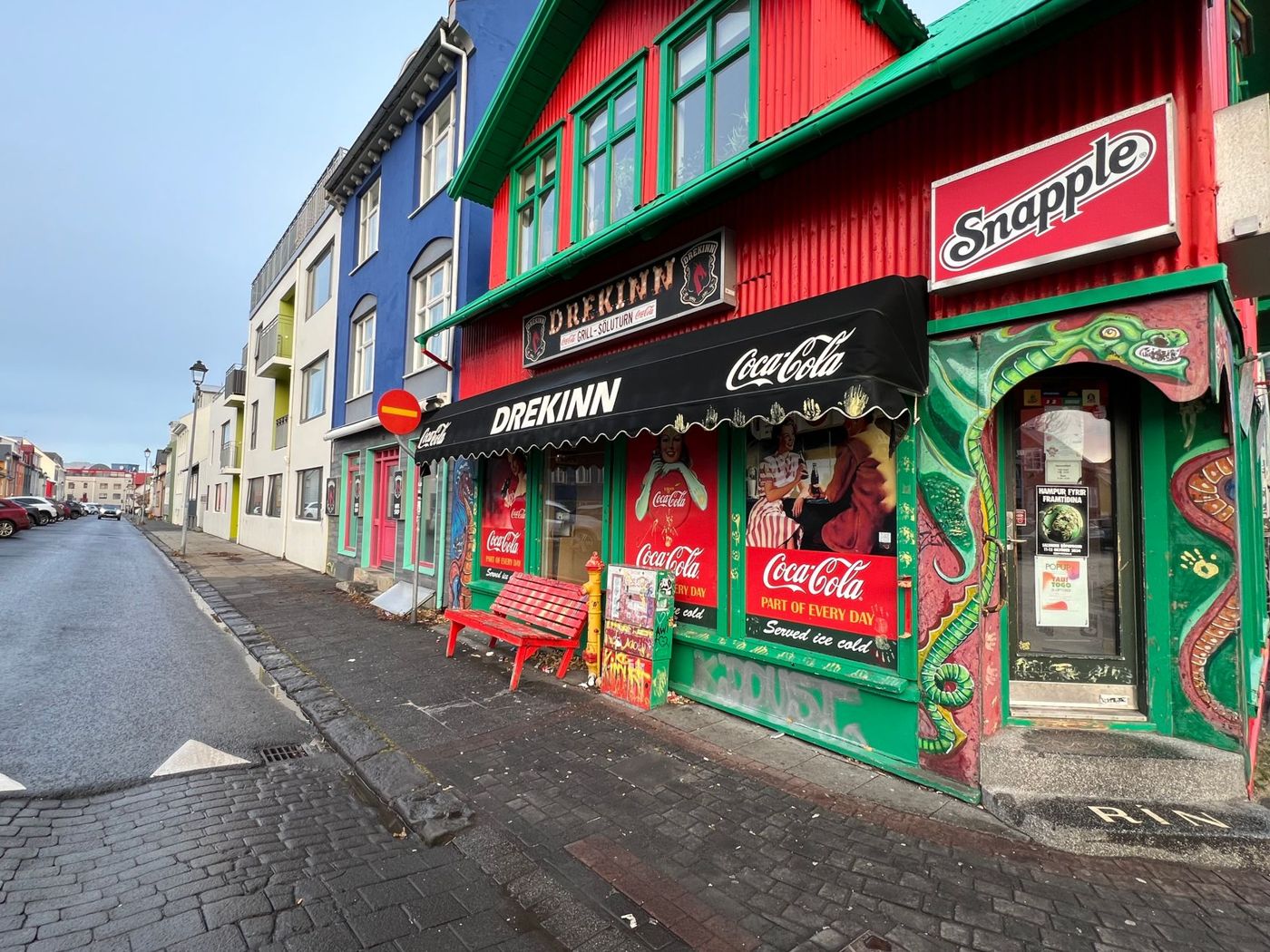
A café and bar operates inside the museum itself, called the Phallic Café and Bistro, so a visit does not have to be squeezed before or after a separate meal elsewhere. Its best-known item is a waffle shaped to match the museum's theme, priced at 3390 ISK. It functions as a normal café beyond the novelty item, serving coffee and light food to visitors moving through the exhibits or taking a break partway round.
Pairing the museum with a meal on site works well for a traveller building a half-day around the centre of Reykjavik, since it removes the need to time a visit around a restaurant booking elsewhere. The café is inside the ticketed area, so a stop there is part of the same visit rather than a separate errand across town.
Visiting with children
There is no minimum age for entry, and children aged 12 and under are admitted free when accompanied by an adult. That makes the museum considerably more accessible to a family itinerary than its reputation suggests, since the age policy sets no lower bound at all. Parents weighing whether the subject matter suits a family visit are working from the museum's own scientific, natural history framing rather than the novelty version of the name, and the free admission for children under 12 reflects that framing.
A senior or disabled visitor pays a reduced 3120 ISK rather than the full 3900 ISK adult price, which is worth checking against a City Card's 20 percent discount before choosing which to apply, since only one reduction applies per ticket. Families visiting together are likely to find the pricing more favourable than the standalone adult rate suggests, once the under-12 exemption is factored in for each child in the group.
{'activity_id': '248622', 'title': 'Reykjavik: Whale Watching and Marine Life Cruise', 'includes': 'Guided whale watching cruise from Reykjavik harbour', 'best_for': 'A marine wildlife outing to pair with a city-centre museum day', 'rating': '4.50/5 from 11,217 reviews', 'link': '{{AFF_GYG_PENIS_MUSEUM_14}}'}
Getting there and planning the visit
The museum sits within walking distance of most central Reykjavik hotels, in the Hafnartorg development at Reykjastræti 4, in the Miðborg neighbourhood of the 101 postcode. A traveller working from an older address, whether printed or online, should discard it in favour of Hafnartorg specifically, since the Laugavegur building has not held the collection since 2020. Reading general travel advice for Iceland before any trip is worth doing regardless of which sights make the list; the US Department of State country information for Iceland and the UK FCDO travel advice for Iceland both cover entry rules and general safety for the trip as a whole.
About 70,000 visitors come through the museum each year, a figure that puts it well inside Reykjavik's established museum circuit rather than at its fringe. Booking an hourly slot ahead of arrival avoids any wait at the door, and pairing the visit with the café inside means a stop here can occupy the better part of an hour or extend into a longer break depending on the pace of the visit.
Common questions
Is the penis museum in Reykjavik still on Laugavegur?
No. It moved to Hafnartorg, Reykjastræti 4, in 2020. The Laugavegur 116 address held the museum from 2012 to 2020 and no longer does.
Does the Reykjavik City Card cover entry for free?
No. The City Card gives 20 percent off admission here, not free entry. Full adult admission is 3900 ISK before the discount.
Is the museum suitable for children?
There is no minimum age, and children 12 and under enter free with an adult. The collection is presented as natural history and biology rather than as a novelty display.
How many specimens are on display?
Over 300 specimens from 120 species are on show, including the museum's largest exhibit, a 170 cm (67 in) sperm whale penis tip weighing 70 kg (154 lb).
Can entry be booked and cancelled easily?
Entry is sold as hourly timed slots from 10:00 to 18:00, and bookings can be cancelled free of charge up to 24 hours before the visit.