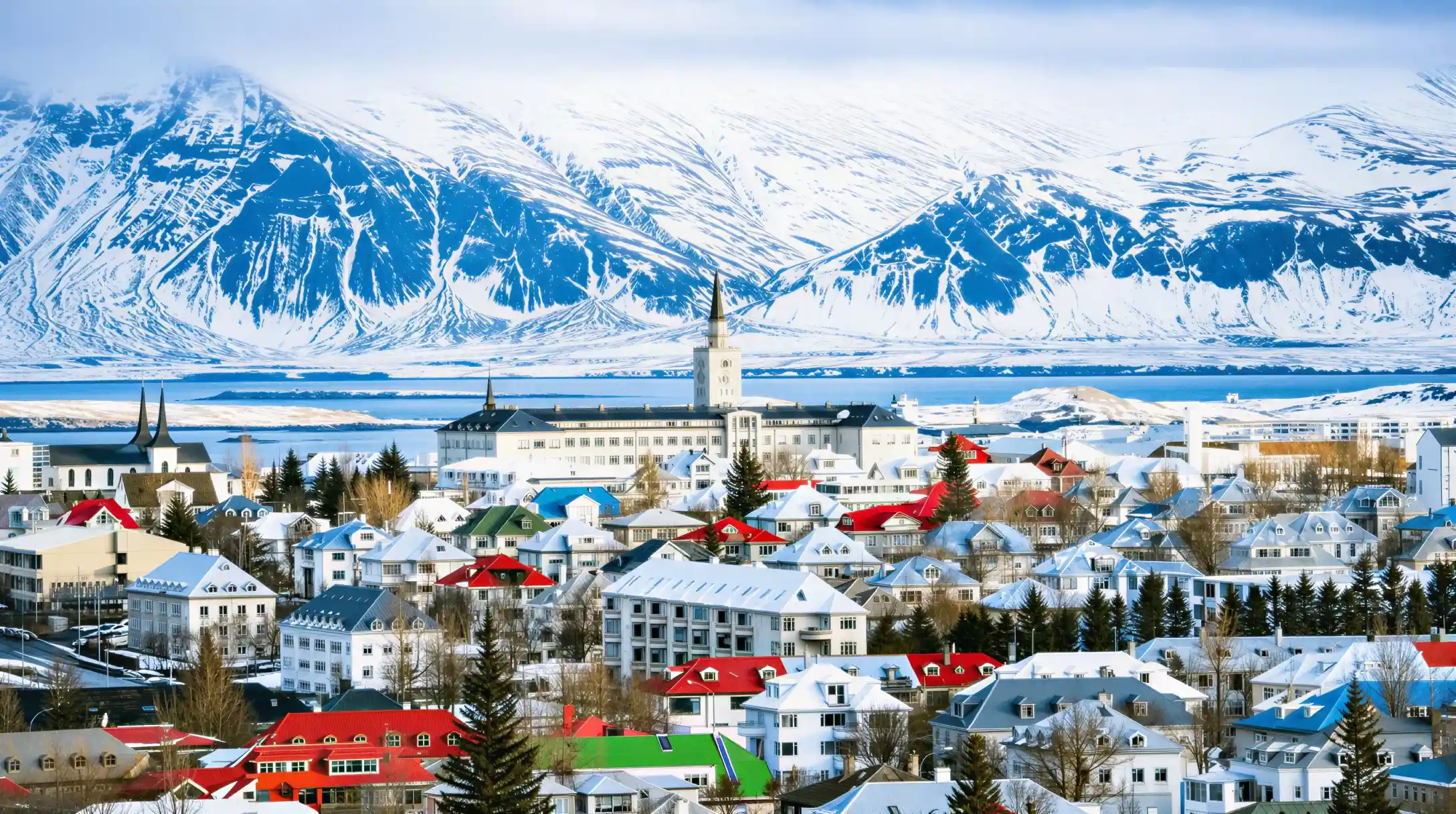
Booking a trip around a single date is the easiest way to miss what a Reykjavik festival week actually does to the city: rooms fill first, then flights, then the good tables at dinner. A traveller who checks only the headline act often finds the museum late-opening, the pop-up food market and the closed street around it already fully booked by the time they land on the page. This page settles which festivals shape which months, what fills hotels early, and what needs booking ahead versus what a visitor can decide on the day. Reykjavik runs some version of a festival in nearly every month of the year, but the pressure they put on rooms and tickets is not even across the calendar.
 Our pick
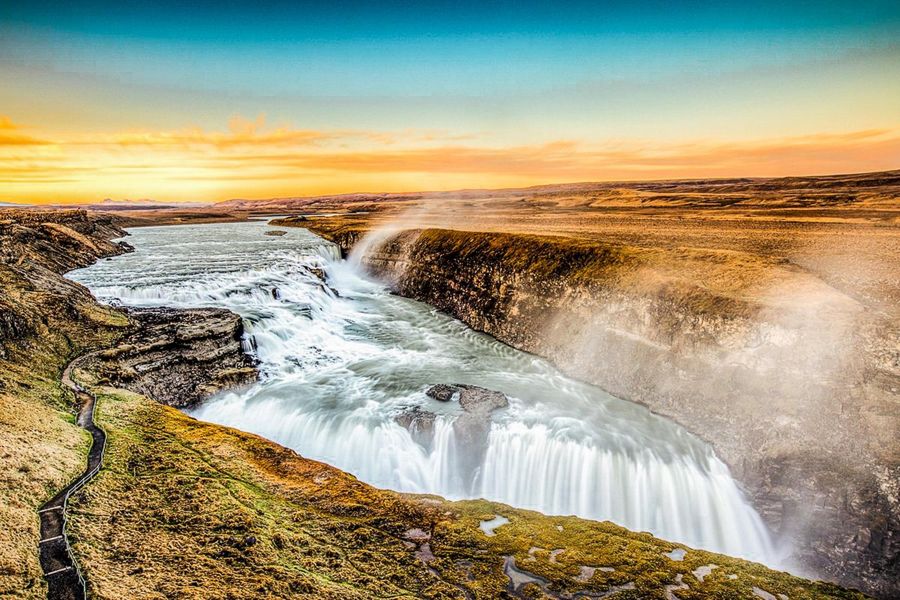
Reykjavik: Golden Circle Full-Day Tour with Kerid Crater
Golden Circle sights and Kerid crater entry
Travellers filling a free day around a festival weekend
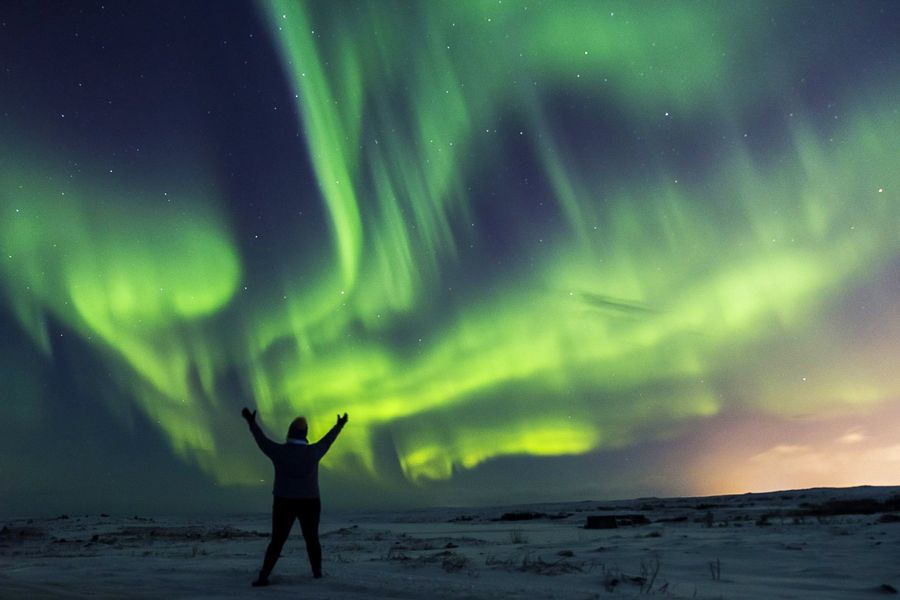
From Reykjavik: Northern Lights Bus Tour with Hot Cocoa
Evening coach transfer and guided aurora search
Winter festival visitors extending a night out
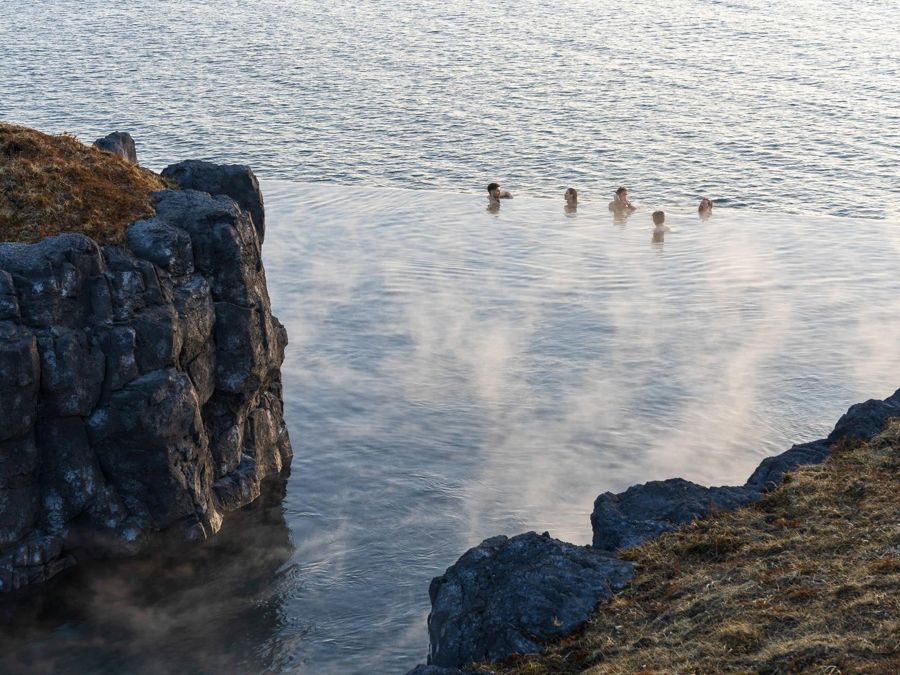
Reykjavik: Sky Lagoon Entrance Pass With 7-Step Spa Ritual
Lagoon entry and the seven-step ritual
Unwinding after a late festival night
Autumn: Film and Jazz Take Harpa
A visitor who plans an autumn trip around whale watching or the northern lights can walk past Harpa without knowing the building is mid-festival. The Reykjavik international film festival takes over several of the building's halls each autumn, screening features and shorts across the venue's four auditoria over a run of days, and tickets to the higher-profile screenings move faster than a first-time visitor expects.
A smaller, quieter event follows in the same season: the Reykjavik jazz festival brings performances into Harpa's smaller halls, among them Kaldalon, where the room seats well under two hundred. Seats at that scale sell out on a shorter notice than a larger concert hall, so anyone building an autumn trip around a specific evening should treat the smaller room as the one to book first, not last.
Both events sit inside a city that is already busy with whale-watching and glacier-tour traffic in the shoulder season, and hotel rates near Harpa and the old harbour tend to reflect the overlap rather than either event alone.
| Harpa hall | Seats |
|---|---|
| Eldborg | Up to 1,734 |
| Silfurberg | 729-857 seated, 1,200 standing |
| Nordurljos | 456-516 theatre-style |
| Kaldalon | 165-195 |
- Seats
- Up to 1,734
- Seats
- 729-857 seated, 1,200 standing
- Seats
- 456-516 theatre-style
- Seats
- 165-195
Music and Film Through the Year
Confusing Iceland's two best-known film and music events with a single autumn week is a common mistake. Reykjavik hosts more than one, spread across different seasons and different venues, and a Reykjavik music festival can land in a different month from the film screenings a visitor is thinking of. Checking the specific event name, rather than the season, saves a wasted booking.
Separately, a Reykjavik film festival built around shorter runs and smaller venues than the autumn showcase gives a visitor with less flexible dates another window to catch festival programming without competing for the same rooms near Harpa. Neither event publishes its exact dates far enough in advance for a guide to print them with confidence, so a visitor planning around either should check the organiser's own listing once travel dates are close to fixed.
What both share is a dependence on Harpa's halls and on the smaller stages scattered through downtown Reykjavik, which means accommodation within walking distance of the harbour carries the tightest supply whenever either event is running.
Pride Weekend
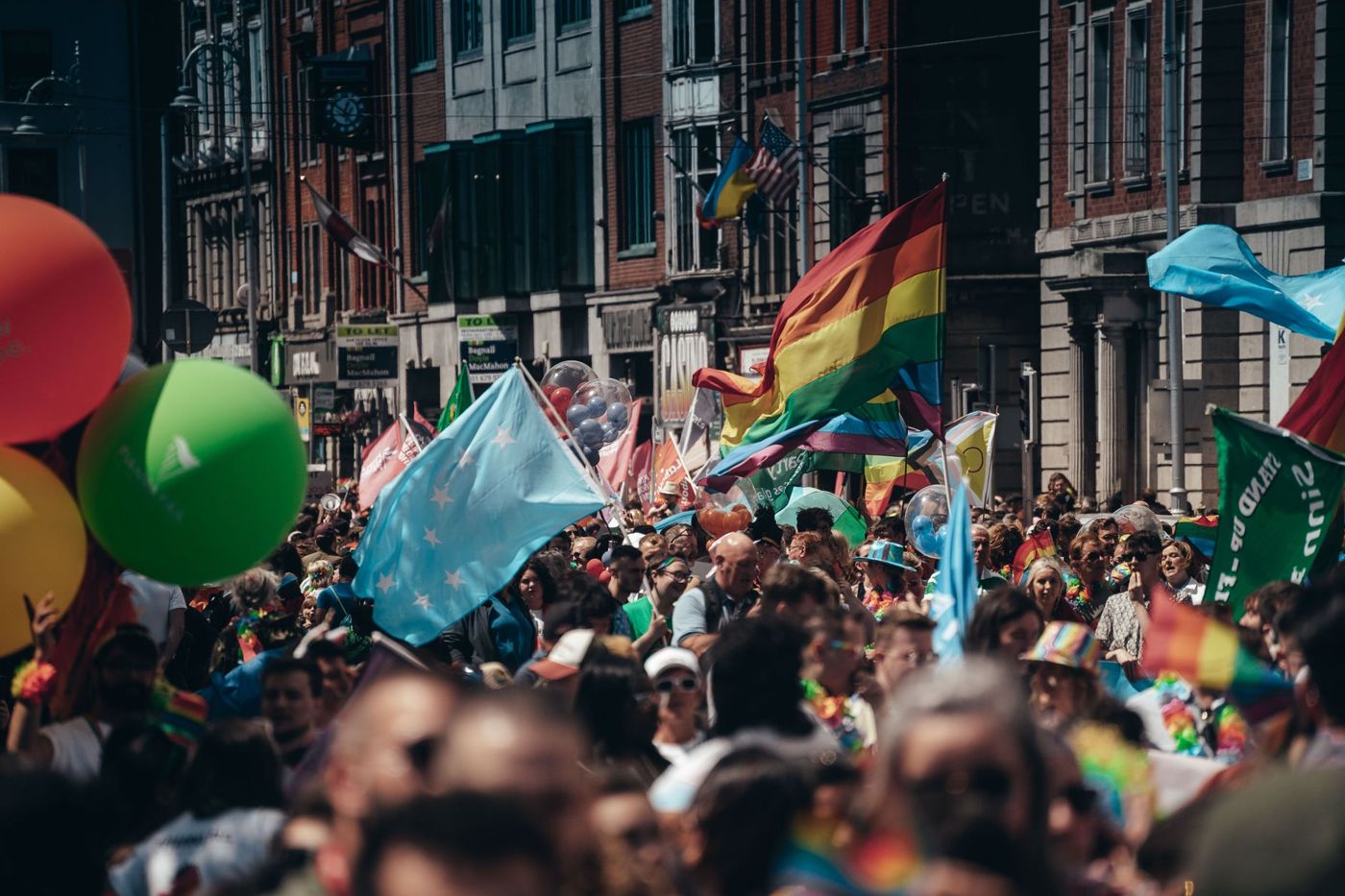
Travellers sometimes assume a single fixed date carries over year to year, which is a mistake with any Reykjavik festival and especially with this one: Reykjavik pride 2026 sits on its own dates, set by the organisers rather than by the calendar of the year before, and a visitor who books flights against last year's weekend risks landing on the wrong one entirely. The parade and the surrounding week draw large crowds into downtown Reykjavik, and hotels in the city centre are typically the first to fill.
Restaurants and bars along the parade route extend hours and add outdoor seating for the week, but tables at the more established kitchens still need booking ahead once the parade date is public. A visitor who waits until arrival to look for a table on the day itself should expect a wait or a walk to somewhere quieter.
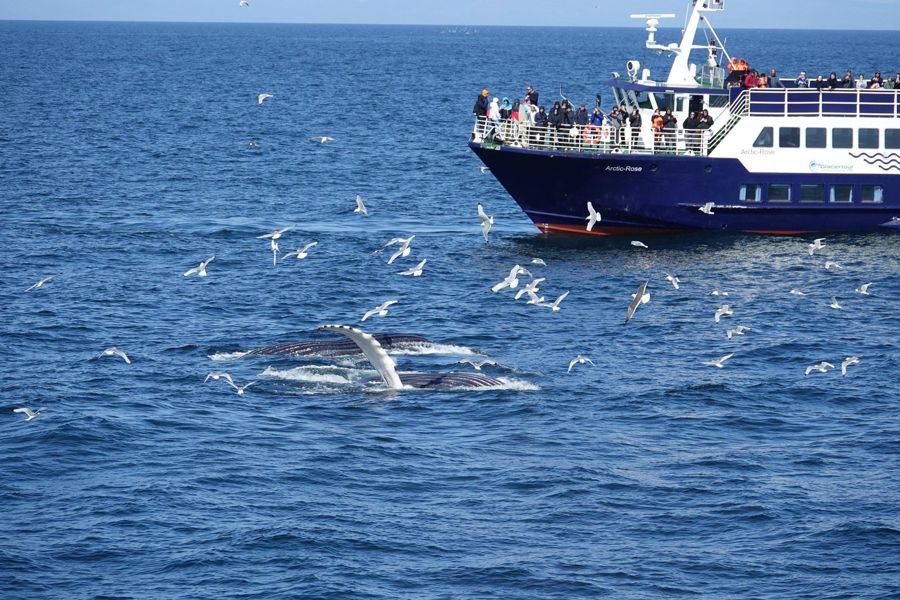
Public transport and taxis run at normal capacity through the weekend, though road closures along the parade route reroute buses for a few hours on the day itself.
Booking Ahead Versus Deciding on the Day
The instinct to leave everything open until arrival works less well in Reykjavik than in a larger capital, because the city's hotel stock is small enough that a single busy weekend can empty it. A visitor who has fixed travel dates around any named event benefits from booking accommodation before the flights, not after, since rooms in the city centre disappear from booking sites well before flights do.
Restaurant tables follow the same pattern on a shorter timescale. A kitchen with a dozen tables cannot expand for a festival weekend the way a stadium can, so the good ones take reservations for the whole week rather than the single night of the main event.
Tours and outdoor excursions are the most flexible part of a festival trip. Weather, not demand, is usually the limiting factor for whale watching, glacier walks and the northern lights, so these can generally wait until closer to the date without losing the best options, unlike a hotel room or a dinner table.
Car rental during any well-attended week is the exception worth planning early, since the fleet available in Reykjavik at any one time is fixed and does not expand for a busy weekend the way flights or restaurant seating can.
Spring: Arts Across the City
Spring in Reykjavik brings performances, exhibitions and installations into venues that stay closed to the public the rest of the year, and the Reykjavik arts festival is the reason many of them open at all. Galleries, disused buildings and public spaces around the city host work for the length of the festival, which means a visitor's itinerary should be built around a list of venues rather than a single address.
Because the festival spreads its programme across the whole city rather than concentrating it in one hall, hotel pressure during this period is lighter than during Pride or the autumn film weeks. A visitor with flexible dates can often find better rates in spring than in either of the other two seasons, even while events are running somewhere in the city every evening.
Tickets to individual performances and installations vary by venue, and some exhibitions are free to walk into during open hours. Checking each venue's own listing before travel remains the only reliable way to plan an evening around a specific piece rather than a whole festival.
Deep Winter: Light in a Dark City
A visitor arriving in January or February expecting long queues for festival tickets in the way summer travel guides describe Reykjavik is usually surprised by how quiet the streets feel after dark. The Reykjavik winter lights festival answers that directly, with museums and pools opening late, light installations placed around downtown, and events pulling residents and visitors out into a city that otherwise closes early in winter.
Daylight in Reykjavik runs to only 4.1 hours in December, according to the Icelandic Met Office, and the festival is timed to sit inside the darkest stretch of the year rather than around it. The same darkness that shortens the days makes the light installations and the museum late-openings the more striking for it.
The festival also falls within the aurora season, which the Icelandic Met Office sets as running from late August to mid-April, bounded by the hours of darkness rather than by aurora activity itself. A visitor combining a winter lights evening with an aurora tour on the same trip is working with the calendar rather than against it, unlike a summer visitor for whom no display is visible regardless of activity.
Late Summer: Culture Night
A visitor picturing a formal ticketed event misreads what happens on Reykjavik culture night, since the evening is built around free, open access to museums, galleries and public performances across the city rather than around any single paid programme. Streets in the centre close to traffic, and residents and visitors move between venues on foot for the whole evening.
Because entry to most venues is free that night, the pressure that shows up elsewhere on this page shifts from tickets to logistics: getting into a popular museum or gallery can mean a queue rather than a sold-out listing, and the busiest venues are the ones already well known before the night arrives. Arriving early at a first-choice venue avoids the longest waits later in the evening.
Accommodation in the city centre fills for the weekend the way it does for Pride, since both events draw a similar mix of local and visiting crowds into the same downtown streets on the same nights.
Common questions
Which Reykjavik festival needs a hotel booked furthest in advance?
Pride weekend and the autumn film and jazz events put the most pressure on city-centre rooms, since both concentrate visitors into the same downtown streets over a single weekend.
Is winter a quiet time to visit Reykjavik?
Deep winter has far shorter daylight hours than summer, but the winter lights festival and the extended aurora season give visitors reasons to be out in the dark rather than staying in.
Do festival tickets need booking before arrival?
Smaller venues, such as Harpa's Kaldalon hall, sell out faster than larger halls, so tickets to specific performances are worth securing before travel dates are fixed.
Does traffic in central Reykjavik change during festival weeks?
Parades and open-street events close some downtown roads for a few hours and reroute buses, while the rest of the city continues to operate normally.
What should a US or UK traveller check before booking festival travel?
Current entry rules and any travel advisories are worth checking with the US State Department and the UK FCDO before finalising a festival trip to Iceland.