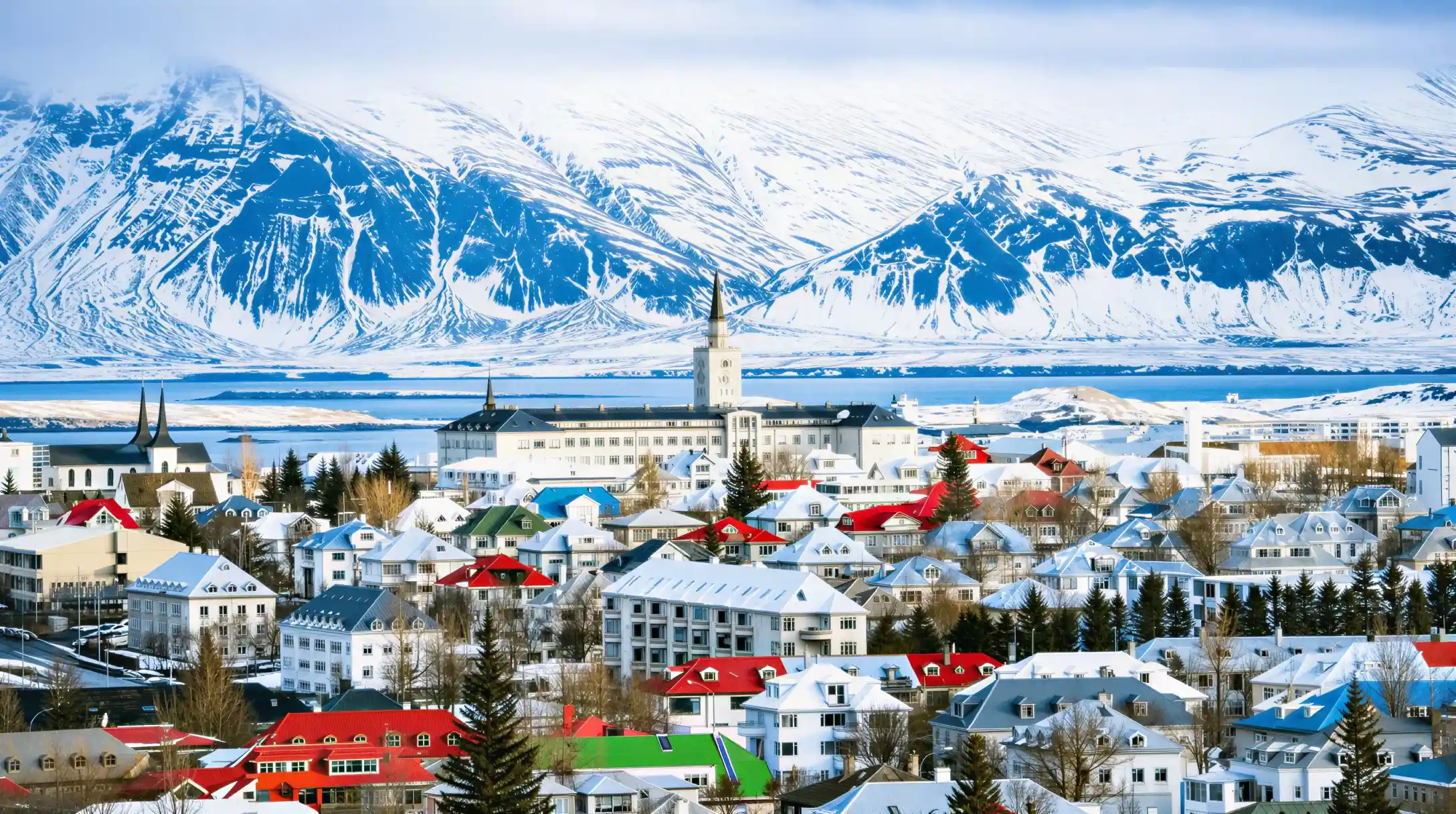
Most people booking a trip pick a Reykjavik hotel by star rating and price, then discover on the first morning that the walk to breakfast, a bus stop or the one restaurant they wanted takes twenty minutes into wind and rain. Where to stay in Reykjavik matters more than which hotel chain, because the city is small enough that a wrong neighbourhood costs you time every single day, not once. This page settles that question by area: what it is like to step outside each morning, how far the walk actually is to the places visitors go, and who each neighbourhood suits and who it does not. Reykjavik has no bad neighbourhoods for a short stay, but it has neighbourhoods that suit a couple on foot and neighbourhoods that suit a family with a rental car, and mixing those up is the mistake this page exists to prevent. Read the sections in order if this is a first visit, or jump to the area a specific plan points you toward.
 Our pick
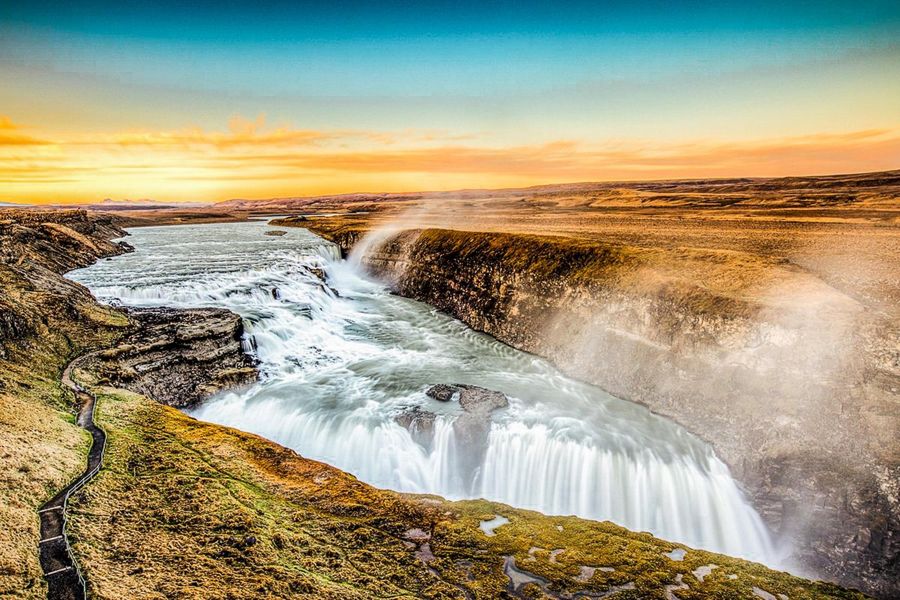
Reykjavik: Golden Circle Full-Day Tour with Kerid Crater
Full-day guided coach tour of Þingvellir, Geysir and Gullfoss, with Kerið crater
First-time visitors basing in central Reykjavik who want the Golden Circle done in one day without driving
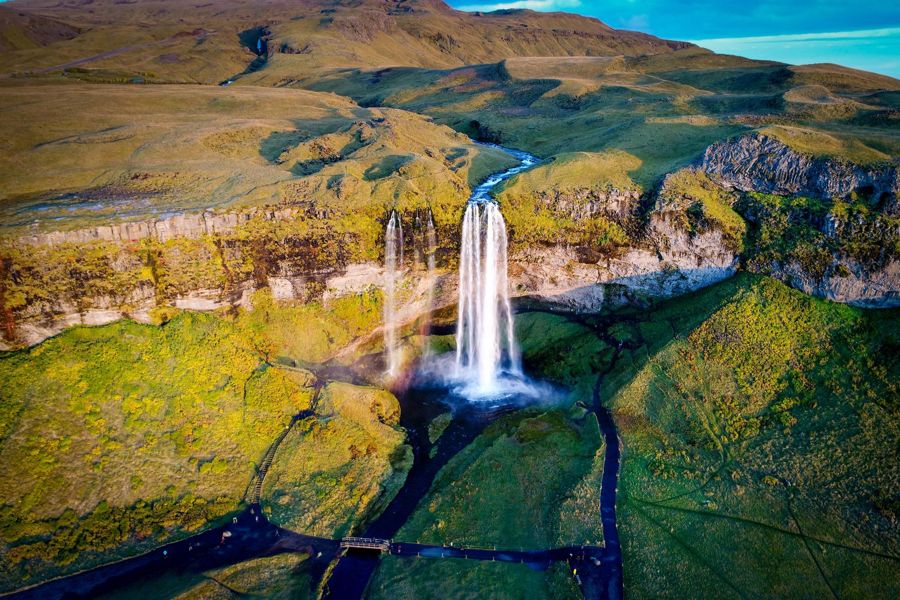
Reykjavik: South Coast Waterfalls, Black Sand & Glacier Tour
Full-day coach tour to the south coast waterfalls, black sand beach and a glacier stop
Visitors staying downtown who want a long day out without a rental car
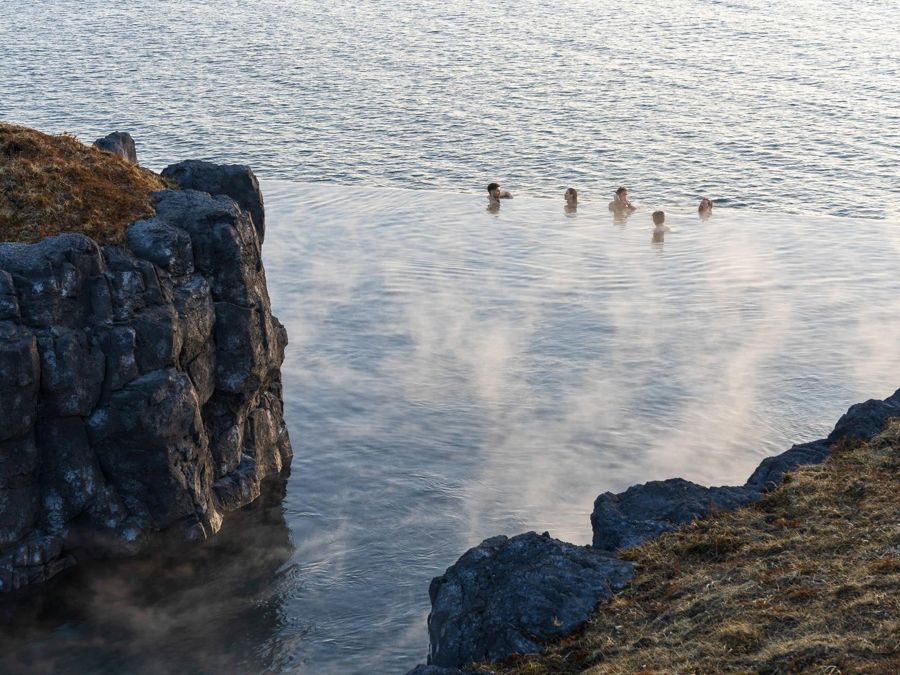
Reykjavik: Sky Lagoon Entrance Pass With 7-Step Spa Ritual
Timed entry to Sky Lagoon with the Saman or Sér spa ritual package
Anyone staying near the coast road who wants an evening slot within a short drive
What the map does not show
A street map of Reykjavik flattens the difference between a five-minute walk and a fifteen-minute one, and it says nothing about wind. The city sits on a peninsula with the sea on three sides, and a walk that looks short on a map can mean leaning into a headwind the whole way, particularly along the harbour and the coast road. It also says nothing about slope: the old town centre is close to flat, but several of the streets running up from Laugavegur toward Hlemmur climb steadily, which matters with a suitcase and matters more in ice.
The other thing a map does not show is what closes when. Reykjavik's restaurant and bar scene concentrates on a handful of streets in the old town and around Laugavegur, and a room ten minutes outside that cluster by day can feel like twenty-five at eleven at night once the direct routes are unlit and the wind has picked up. A family with small children and an early flight cares about none of this the way a couple planning three late dinners does, and that difference is the real reason to choose a neighbourhood on purpose rather than on the first search result. Public buses run from Hlemmur and along Miklabraut, but do not run late, so a plan built around bus timetables after dinner rarely survives contact with the actual timetable.
Parking is the other blind spot. Central Reykjavik streets are metered through the day, and several hotels in the older buildings have no on-site parking at all, which is fine for a walking trip and a real cost for a rental-car one. None of this is complicated once it is named, and naming it before booking is what separates a smooth first morning from a frustrated one.
The old town centre, 101 Reykjavik
Visitors expect the old town, postcode 101, to be quaint and quiet, and it is neither after about six in the evening. This is the densest concentration of restaurants, bars and small shops in the city, built around Austurvöllur square, the harbour front and the lower half of Laugavegur, and a room here puts almost everything on a ten-minute walk: Hallgrímskirkja, the harbour, the National Museum, the main shopping streets. Among the best places to stay in Reykjavik for a couple or a solo traveller without a car, this cluster is usually the first one worth checking, because nothing on a typical three-day itinerary sits more than fifteen minutes from it on foot.
The cost of that convenience is noise. Weekend nights bring a bar crawl through the streets around Austurstræti and Bankastræti that runs past midnight, and a room facing that stretch will hear it through double glazing. Rooms set back a block or two, or facing the harbour side rather than the bar streets, avoid most of it while keeping the same walk times. Parking is scarce and metered, so a rental car sitting outside a 101 hotel for three days is an ongoing cost rather than a convenience, and drivers doing a road trip after their city days are usually better placed picking the car up on departure rather than keeping it downtown the whole stay. Families with early bedtimes and anyone sensitive to street noise should look at a side street or move one section down this page.
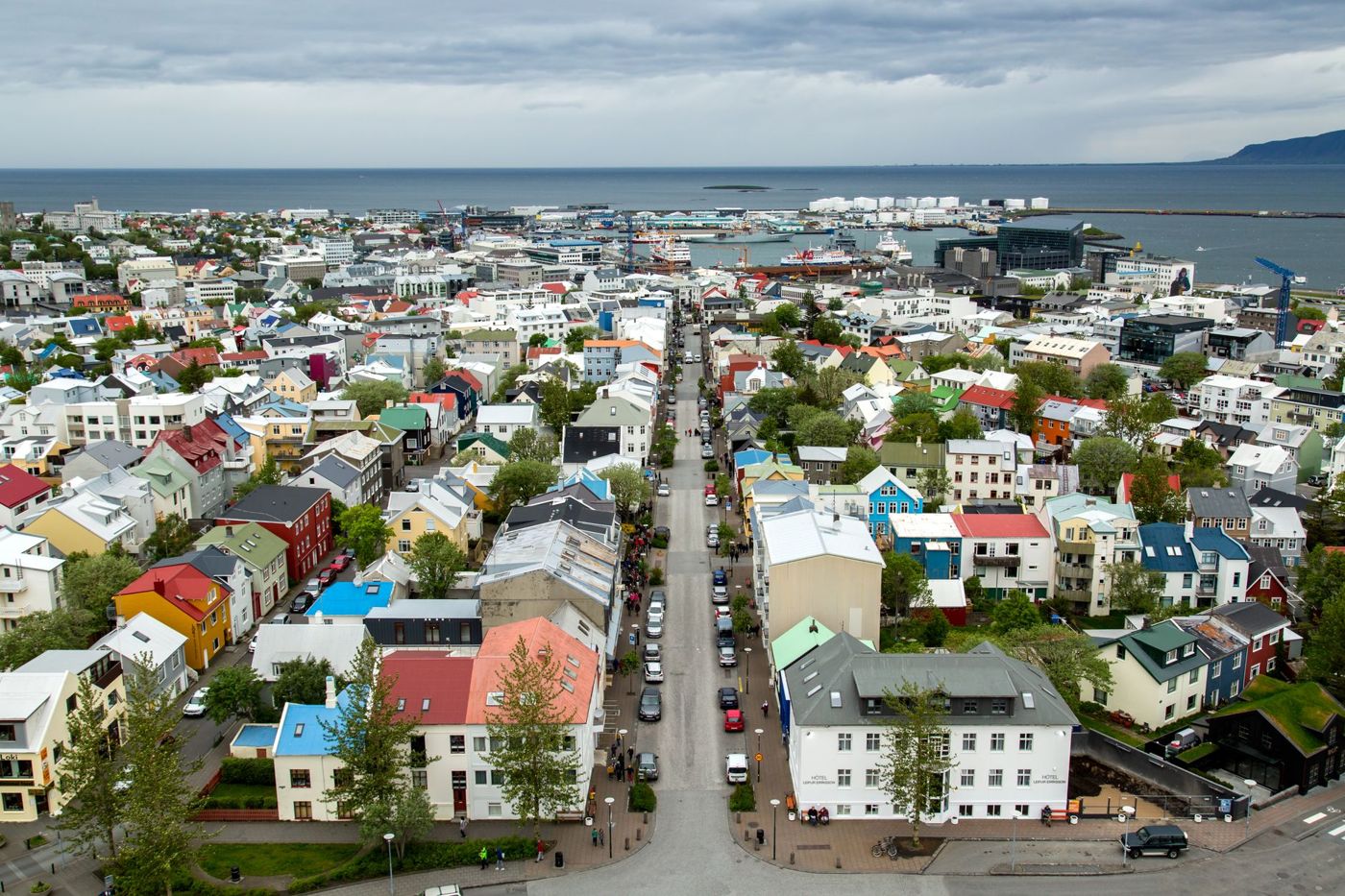
Laugavegur and the streets above it
Laugavegur itself runs as an extension of the old town, but the residential streets climbing away from it toward Hlemmur are a different proposition: quieter after dark, still a walkable ten to fifteen minutes from the harbour and the church, and generally cheaper per night than a room directly on the old town's bar streets. This stretch is where the best area to stay in Reykjavik question usually lands for visitors who want the walkability of downtown without paying its noise premium.
The trade-off is the slope and the wind. Several of these streets climb noticeably from Laugavegur up toward Skólavörðustígur and beyond, which is a minor inconvenience on a dry evening and a real one dragging a suitcase uphill on arrival, or on an icy morning in winter. Shops and cafes along Laugavegur itself close earlier than the bars in the old town proper, so this area suits a visitor who wants to be near the action rather than in the middle of it, out by eleven and asleep by midnight. Parking rules mirror the old town: metered, limited, and not worth arranging around unless the stay includes a multi-day road trip planned for the very end.
The Old Harbour
The Old Harbour sits a flat ten-minute walk from the old town centre, along the working fishing docks and the whale-watching piers, and it has become its own small hotel cluster over the last decade. Mornings here are quieter than the old town proper: the harbour wakes up with boat traffic rather than bar traffic, and the walk into the main old town streets is level the whole way, which matters for anyone who finds the Laugavegur slope a genuine obstacle.
For a visitor asking what is the best place to stay in Reykjavik for whale watching or a boat tour, the Old Harbour is the direct answer, since several operators depart from piers within walking distance of harbour-front hotels. The concert hall Harpa sits at the eastern edge of this stretch, extending the walkable cluster toward the old town rather than separating from it. What the Old Harbour does not offer is late-night dining density: restaurants here lean toward seafood and close earlier than the bars two streets inland, so a visitor planning long dinners followed by a night out is better served booking in 101 proper and treating the harbour as a daytime destination rather than a base.
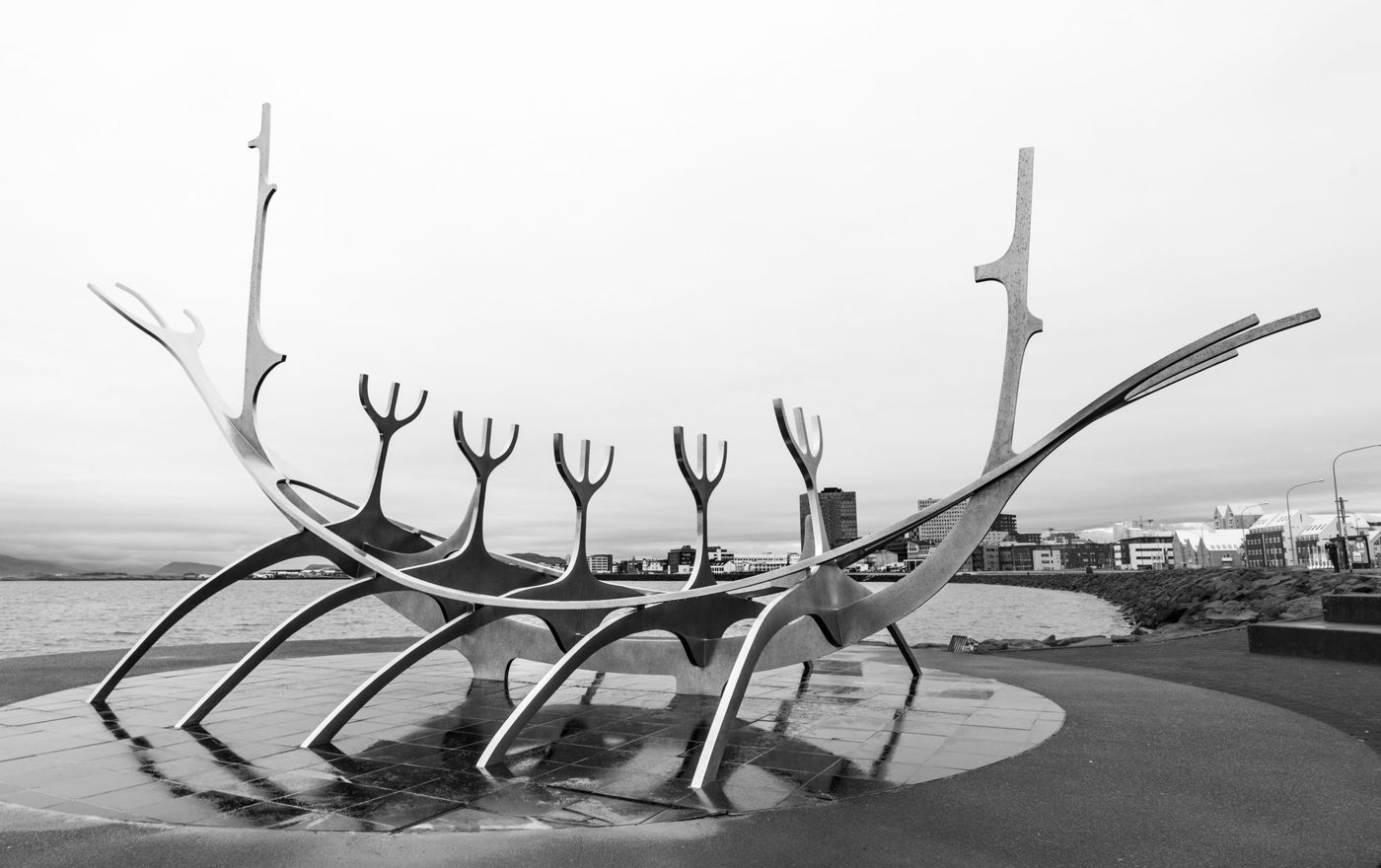
Hlemmur and the eastern edge
Hlemmur sits at the top of Laugavegur, marked by the food hall of the same name and the bus interchange that connects to the rest of the city. It is a fifteen to twenty-minute walk from the harbour, longer than most visitors assume once the slope is factored in, and it functions as the practical edge of what most people would call walkable downtown. Accommodation in Reykjavik around Hlemmur tends to price lower than the old town core for a comparable room, because the walk is longer and the immediate surroundings are more workaday: a transit hub, a food hall, apartment blocks, rather than boutique shopfronts.
The advantage is the bus interchange itself. Nearly every city bus route passes through or near Hlemmur, which makes this a workable base for a visitor planning day trips by public transport rather than a rental car or a tour pickup, though services thin out late at night as noted earlier. Parking is easier to find here than in the old town, with more on-street space away from the metered core. This area suits a traveller on a tighter budget who is comfortable with a longer walk or a short bus ride into the centre, and it suits less well anyone planning to walk back from dinner after dark without a car or a taxi arranged.
| Neighbourhood | Walk to old town centre | Walk to harbour |
|---|---|---|
| 101 old town | 0 to 10 minutes | 5 to 10 minutes |
| Laugavegur upper streets | 10 to 15 minutes | 15 to 20 minutes |
| Old Harbour | 10 minutes | 0 minutes |
| Hlemmur | 15 to 20 minutes | 20 to 25 minutes |
| Vesturbaer | 15 to 20 minutes | 10 to 15 minutes |
| Laugardalur | 25 to 35 minutes, bus recommended | 30 to 40 minutes, bus recommended |
- Walk to old town centre
- 0 to 10 minutes
- Walk to harbour
- 5 to 10 minutes
- Walk to old town centre
- 10 to 15 minutes
- Walk to harbour
- 15 to 20 minutes
- Walk to old town centre
- 10 minutes
- Walk to harbour
- 0 minutes
- Walk to old town centre
- 15 to 20 minutes
- Walk to harbour
- 20 to 25 minutes
- Walk to old town centre
- 15 to 20 minutes
- Walk to harbour
- 10 to 15 minutes
- Walk to old town centre
- 25 to 35 minutes, bus recommended
- Walk to harbour
- 30 to 40 minutes, bus recommended
When Reykjavik itself is the wrong base
Not every itinerary is built around city walking, and for a road trip that spends most of its days on the Golden Circle, the south coast or the Reykjanes peninsula, a Reykjavik hotel can mean driving back into evening traffic every night for a bed that is only used to sleep in. Places to stay in Iceland other than Reykjavik become the better plan once a trip's days are mostly spent an hour or more outside the city, since a base closer to the day's route saves the return drive and lets the day start earlier.
This does not apply to a typical three or four night city break, where Reykjavik's density of restaurants, museums and easy day tours outweighs any drive-time saving from basing elsewhere, and doubling back into the city each evening would cost more time than it saves. It applies specifically to longer trips with a ring-road or multi-region itinerary, where Reykjavik works better as the first and last night than as a nightly base. A visitor planning that kind of trip should treat this page as covering the city portion only, and plan the rest of the route separately rather than forcing every night back into the capital.
How the city is actually divided
Reykjavik neighborhoods do not follow official postcodes as cleanly as visitors expect: 101 covers the old town and stretches further than the walkable centre implies, while areas that feel distinct on the ground, like the Old Harbour or Vesturbaer, sit inside or beside that same postcode rather than forming their own. Locals and hotel listings both use the informal names, old town, Laugavegur, the Old Harbour, Vesturbaer, Hlemmur, Laugardalur, more consistently than the postal system, so a booking search by postcode alone misses the distinctions that actually matter for a stay.
Kopavogur and Hafnarfjordur are separate municipalities bordering Reykjavik to the south, connected by the main road and city bus routes rather than being part of the city proper, and Keflavik is the airport town, an hour's drive southwest and not a base for the city at all. Understanding this layout matters most for anyone comparing listings across booking sites, where a hotel described only by postcode or municipality can be materially closer to or further from the centre than its name suggests. The neighbourhood names used through this page, old town, Laugavegur, the Old Harbour, Vesturbaer, Hlemmur, Laugardalur, are the ones worth searching by rather than postcodes alone.
A first visit, kept simple
Where to stay in Reykjavik for first timers usually comes down to one trade-off: pay more and stay in the old town or the Old Harbour, where nearly everything is within walking distance and the wrong turn costs a few extra minutes, or pay less and stay near Hlemmur, where the same trip involves a longer walk or a bus ride each way. For a first visit of three or four nights, most visitors are better served paying for the shorter walk, because a first trip is usually the one packed with the most museum visits, restaurant bookings and evening plans, and the neighbourhood that minimises walking time pays for itself in the amount actually seen each day.
A first-time visitor without a rental car should also weigh proximity to a bus stop or tour pickup point, since most Golden Circle, south coast and Northern Lights tours collect from central hotels rather than from the outer neighbourhoods, and a pickup a block away beats one requiring a fifteen-minute walk before the tour has even started. Booking the first and last nights centrally, even for a trip that later moves to a rental car and other regions, keeps the arrival and departure days simple, since jet-lagged mornings and late flights are exactly when a short, flat walk from the hotel matters most.
- Quietest central option
- Old Harbour
- Best value for longer walk
- Hlemmur
- Best for a rental car stay
- Laugardalur
- Daylight in June
- 21.2 hours
- Daylight in December
- 4.1 hours
Comparing the areas side by side
Set against each other directly, the best areas to stay in Reykjavik split cleanly by what a visitor is optimising for. The old town wins on proximity to restaurants, bars and sights, at the cost of weekend noise and scarce parking. The Old Harbour matches the old town's proximity to the historic centre while trading bar noise for boat traffic and an earlier-closing dining scene. Laugavegur's upper streets sit between the two, cheaper than the old town core, quieter at night, but with a real uphill walk that is worse with luggage or in ice. Hlemmur trades walking distance for lower prices and easier parking, and works best paired with a plan to use the bus network rather than walk everywhere.
None of these is a wrong choice for a short stay, and the difference between the best and the worst fit for a given traveller is measured in walking minutes and noise level rather than in quality. A traveller who has not yet decided what matters most should default to the old town or the Old Harbour for a first stay and treat Hlemmur as the value option once the city's layout is already familiar from a previous trip.
- Late-night buses
- Do not run past evening peak hours
- Kopavogur, Hafnarfjordur
- Separate municipalities south of Reykjavik, not part of the city centre
- Keflavik
- The airport town, about an hour's drive from central Reykjavik
Vesturbaer, west of the centre
Vesturbaer sits immediately west of the old town, past the National Museum and the University of Iceland campus, and it reads as more residential than any of the areas covered so far: quieter streets, local cafes rather than tourist-facing restaurants, and the Vesturbaejarlaug geothermal pool as its main visitor draw. The walk into the old town centre from most of Vesturbaer runs fifteen to twenty minutes, similar to the upper Laugavegur streets, but along flatter ground and past the university rather than uphill past shops.
Visitors expecting a hotel strip find little of one here, since Vesturbaer's accommodation is mostly smaller guesthouses and apartments rather than larger hotels, and evening options are limited to a handful of neighbourhood restaurants rather than the density found downtown. This suits a traveller who wants a calmer base with a genuine residential feel and does not mind a longer walk for dinner, and it suits poorly anyone planning several nights of restaurant-hopping or late departures from bars, both of which are better served by a room closer to the old town core.
Laugardalur and a rental car
Laugardalur sits east of Hlemmur, home to the city's largest geothermal pool, a botanical garden and a family park, and it is built for a different kind of stay than anything covered so far: spread out, green, and clearly better suited to a car or a longer bus ride than a walk into the centre, which runs twenty-five to thirty-five minutes on foot. Families travelling with young children often find Laugardalur's space, the pool and the park worth the extra distance, particularly on a trip where a rental car is already booked for day trips outside the city.
Hotels here tend toward larger, more modern properties with on-site parking, a contrast to the converted townhouses common in the old town, and rooms are typically quieter at night simply because there is less foot traffic passing outside. The trade-off is straightforward: every evening meal or errand into the old town becomes a bus ride or a drive rather than a walk, which suits a traveller who has already accepted that pattern and wants a comfortable base to return to, and suits poorly anyone hoping to wander into dinner on foot without planning the return trip in advance.
Booking around the season
Winter and summer change what a neighbourhood costs a visitor in practical terms, even though the areas themselves do not move. In winter, ice on the uphill Laugavegur streets and the steps around Skólavörðustígur makes the old town's flatter, harbour-facing hotels a more comfortable choice than they are in summer, when the slope is a minor inconvenience rather than a hazard. Darkness also compresses the evening: with roughly four hours of daylight in December against over twenty-one in June, both figures from the Icelandic Met Office, a longer walk back to a hotel after dinner matters more in winter, when it happens in the dark from mid-afternoon onward.
Summer shifts the calculation toward noise rather than ice. Long daylight hours mean the old town's bar streets stay active later into what still feels like evening light, and a room facing that stretch will notice it more in July than in November. None of this changes which neighbourhood suits which traveller in general, but it is worth weighing the season against the trade-offs above rather than assuming a choice that worked well in one season will feel the same in the other.
Common questions
Is it better to stay in the old town or near the airport in Reykjavik?
The old town suits a city-focused stay with walkable restaurants and sights. Staying near Keflavik only makes sense for a single night before an early flight, since the airport town is about an hour from the city centre.
Do I need a rental car if I stay in central Reykjavik?
Not for a city-only stay: most museums, restaurants and tour pickups sit within walking distance of the old town, the Old Harbour or upper Laugavegur, and tours to the Golden Circle or south coast collect from central hotels.
Which Reykjavik neighbourhood is quietest at night?
The Old Harbour and Vesturbaer are quieter after dark than the old town's bar streets, since neither sits directly on the main nightlife strip.
Is Hlemmur too far from the sights to stay there?
It is walkable at fifteen to twenty minutes to the old town, and the bus interchange there covers the rest of the city, so it suits a visitor comfortable with a longer walk or a short bus ride in exchange for lower prices.
Should I split my stay between Reykjavik and elsewhere in Iceland?
For a trip built around a multi-day route outside the city, such as the ring road or the south coast, basing part of the stay closer to that route usually saves a return drive each night, while a short city break is better spent entirely in Reykjavik.