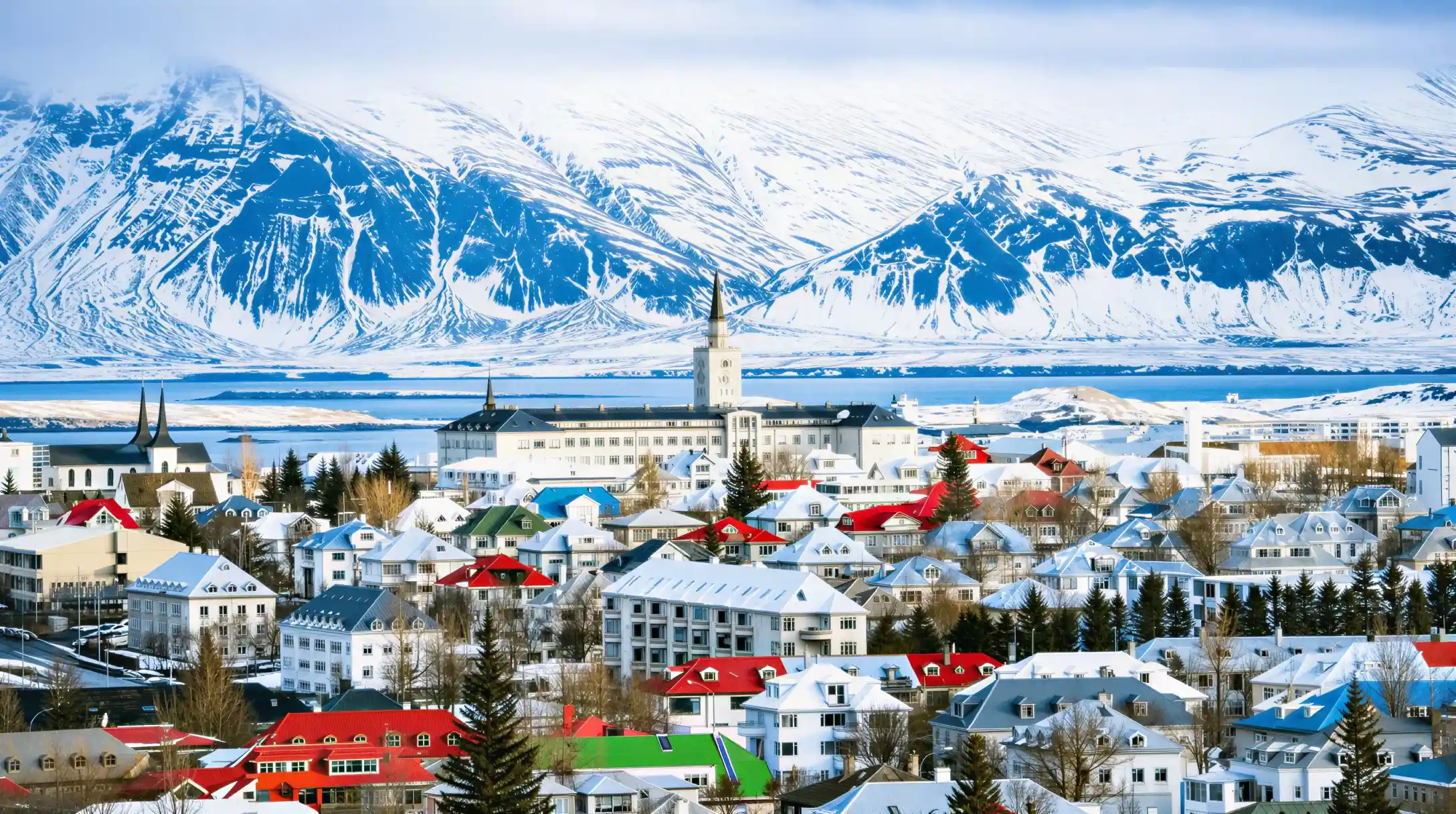
Most visitors give downtown Reykjavik an afternoon and end up rushing the harbour to catch a tour bus, when the grid rewards a slower, looped route more than a straight line from one landmark to the next. The old streets, the shoreline and the working harbour sit close enough together to cover on foot in a single unhurried day, without a car or a bus transfer between them. This page lays out that loop: where the grid starts, where the water changes the view, and roughly how long each stretch takes to walk. It settles the shape of a self-guided day and leaves the detail of any single museum, shop or church to its own page. Treat the timings as a starting point rather than a schedule, since a photograph stop or a coffee break adds minutes the loop itself does not need. The route below moves from the inland streets toward the water, because the light and the crowds both change as the afternoon goes on, and starting inland means finishing at the harbour rather than leaving it early.
Tours That Start From Downtown
 Our pick
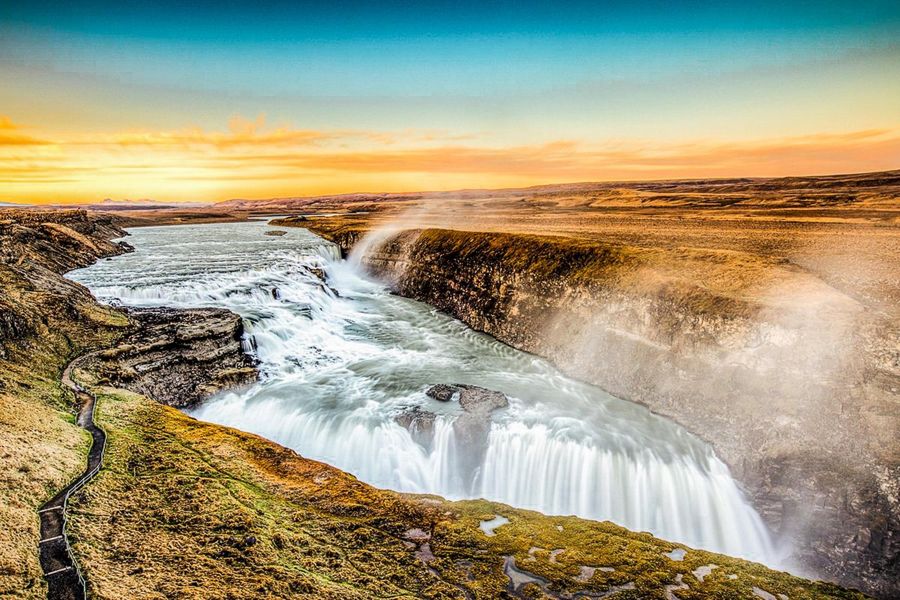
Golden Circle Full-Day Tour with Kerid Crater
4.76/5 (26,671 reviews) · Travellers with one day free for a loop outside the city · Kerið crater, the Golden Circle route
4.76/5 (26,671 reviews) · Travellers with one day free for a loop outside the city · Kerið crater, the Golden Circle route
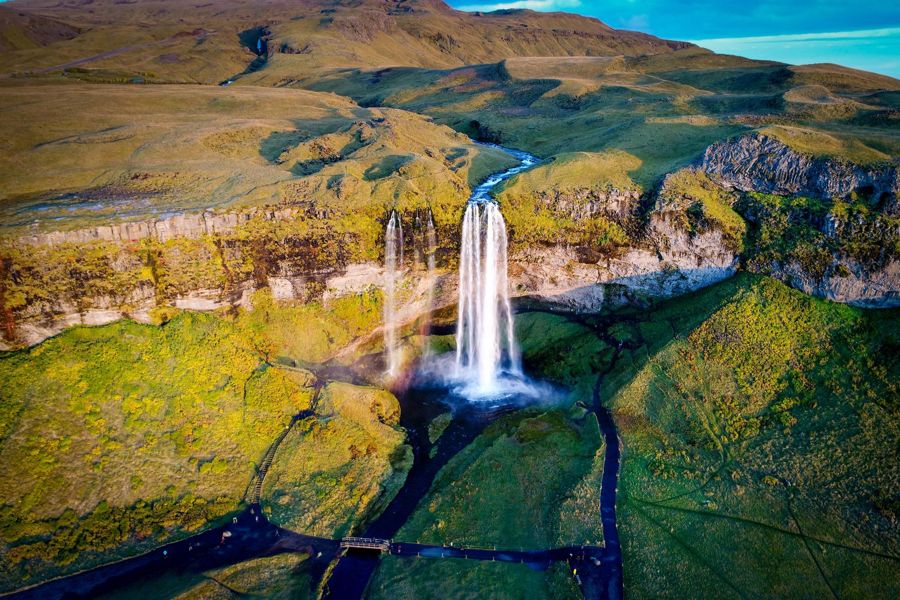
South Coast Waterfalls, Black Sand & Glacier Tour
4.76/5 (12,274 reviews) · Travellers wanting waterfalls and a glacier on one departure · South coast waterfalls, black sand beach, glacier stop
4.76/5 (12,274 reviews) · Travellers wanting waterfalls and a glacier on one departure · South coast waterfalls, black sand beach, glacier stop
Reading the Grid Before You Walk It
A map of the centre suggests a few blocks, and a first walk through them takes longer than that map implies, because the streets curve and double back rather than running in a straight American-style grid. The 101 postcode marks the old town, and inside it the pace on foot is slower than the distances on a map suggest, since narrow pavements and building fronts close to the street keep people to a walking speed rather than a stride.
The city centre earns its reputation for Reykjavik colorful streets from the corrugated iron cladding painted in solid, saturated colours down entire blocks, a building material chosen originally for the weather and kept for how it now looks against the grey sky. Walking the grid means noticing how often a street changes colour scheme from one block to the next, rather than expecting a single palette to run the whole way through downtown.
One stretch of pavement carries painted stripes running the length of the block, a fixed piece of the streetscape rather than a seasonal display, and it is commonly known as rainbow road Reykjavik by visitors comparing notes before their trip. It sits within easy reach of the rest of the grid, so it fits into a loop rather than requiring a separate outing.
Where the Grid Meets the Water
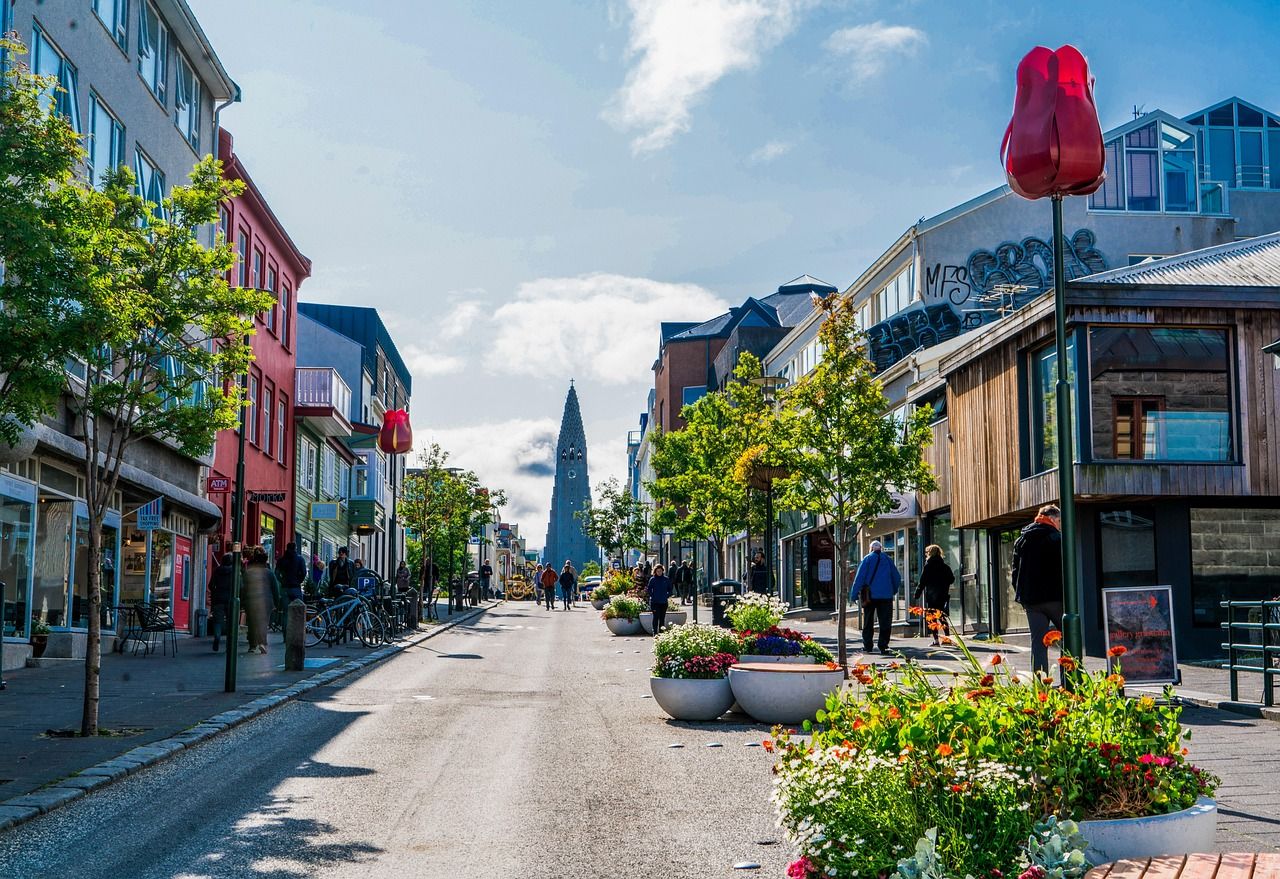
The streets do not simply end at the shore. The grid tilts toward the water gradually, and the last few blocks before the harbour carry a different mix of buildings than the ones further inland, with more glass and steel among the older painted fronts. Visitors walking straight through often miss the turn where the old town gives way to the working harbour, expecting a hard boundary that does not exist on the ground.
The painted stripes near the centre are sometimes confused with a second, separate stretch, but rainbow street Reykjavik and the rainbow-marked block described above are the same piece of pavement, referred to differently depending on which guide or map a visitor has read. Treat any reference to either name as pointing at the same short stretch of street.
Reaching the water, the working boats and fish-processing buildings sit alongside newer restaurants and galleries, and this mixed use is what gives Reykjavik iceland downtown harbor its character rather than any single feature. The harbour is still a working one, and the boats moored there are not there for visitors, which is part of what makes the walk along it different from a purpose-built waterfront.
Looking Back at the City From the Water
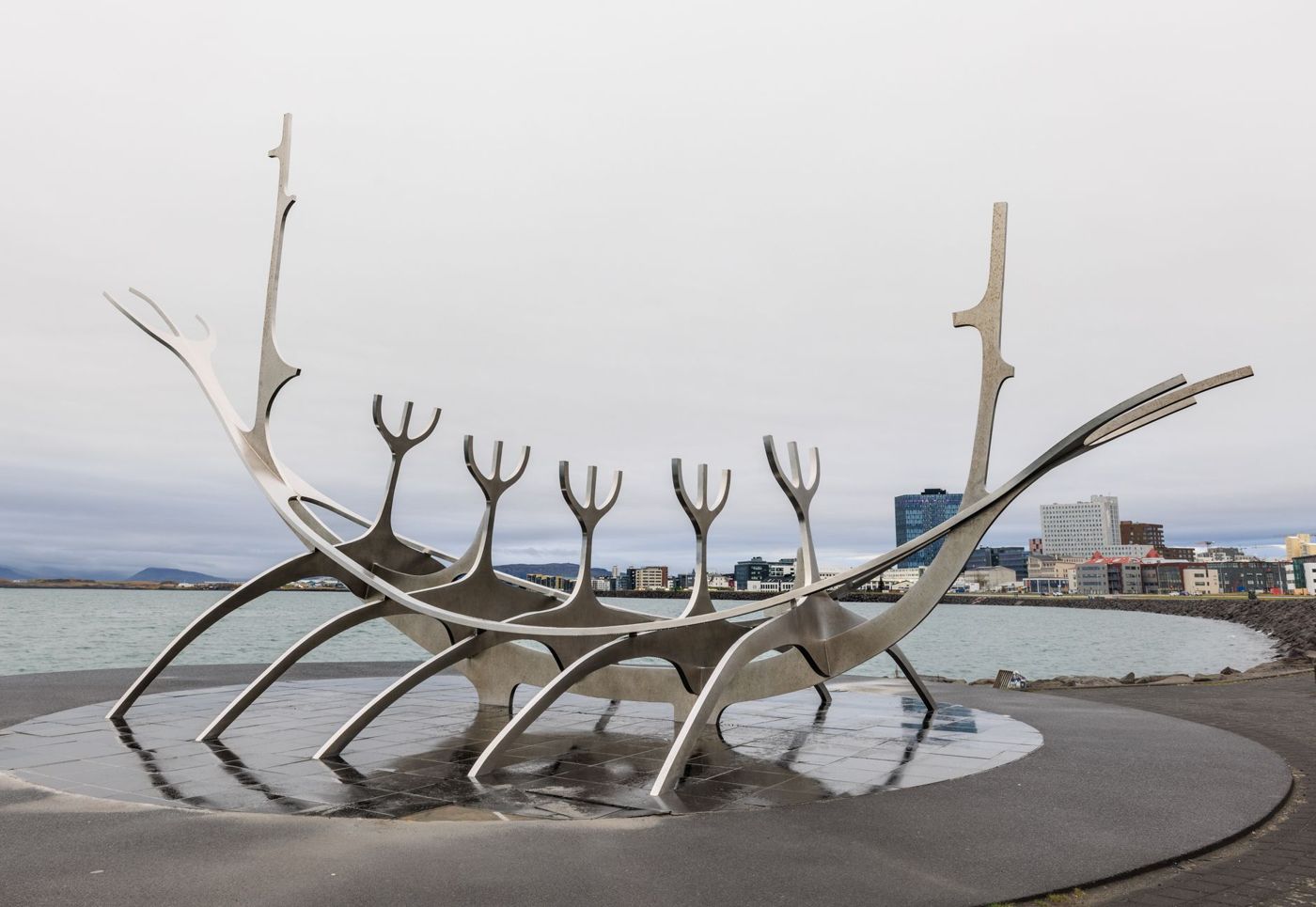
Visitors walking out toward Grandi expect the view to be mostly boats and warehouses, and it is, but turning back toward the centre from the far end of the harbour gives a wider look at the city than any street inside the grid does. From that distance the low rooflines and scattered spires read as a single skyline rather than a sequence of individual streets, and the Reykjavik iceland skyline seen from the water is a different image than the one built up walking block by block through downtown.
The light changes this view more than the season does. Iceland's daylight runs to about 21.2 hours in June and down to about 4.1 hours in December, so the same walk out to Grandi and back can happen in full daylight or largely in the dark depending on when in the year it is taken, according to the Icelandic Meteorological Office. A walk planned for late afternoon in winter should account for how quickly that light goes.
Grandi itself sits at the far end of the harbour walk, reachable on the same loop as the older streets without a separate trip, and it makes a natural point to turn back from before retracing the route toward the centre.

Fitting the Loop Into a Day
A single loop through the old streets and out to the harbour and back is enough for one day on foot, and trying to add a second district onto the same walk usually means rushing both. The Reykjavik city center is compact enough to cover without transport between stops, but compact is not the same as quick, since narrow streets and frequent stops for photographs both slow the pace down from what the map distance suggests.
Visitors arriving with a tight schedule often try to walk the loop and fit in a museum or a shopping stretch on the same afternoon, and end up seeing neither properly. Splitting the walking loop from any indoor stop, even by a single day, keeps both from being cut short.
The loop works in either direction, starting inland and finishing at the water or the reverse, but starting inland and finishing at the harbour means the walk ends somewhere with a wider view and more space, rather than back among narrow streets as the light starts to fade.
- Daylight in June
- about 21.2 hours
- Daylight in December
- about 4.1 hours
- Aurora season
- late August to mid-April
The Painted Houses and Where They Cluster
Visitors expecting a single postcard street of painted houses are usually looking for the wrong scale. The Reykjavik colorful houses are not concentrated on one block but spread in clusters through several streets of the old town, with corrugated iron fronts in red, blue, yellow and green standing next to each other in no fixed pattern. A short detour off the main route through downtown usually turns up another cluster that a straight-line walk would miss entirely.
Photographing the houses well depends more on the light than on finding a particular street, since the same building looks different under an overcast sky than in low sun. Because the season sets how much daylight is available at all, a winter afternoon gives a narrower window to catch good light on the houses than a summer one does.
Walking these streets slowly, rather than treating them as a route between two other stops, is what turns up the smaller clusters that do not appear on a shortlist of photo spots.
- Postcode
- 101 (the old town core)
- Harbour district
- Grandi, at the far end of the harbour walk
- Aurora visibility
- Bounded by darkness, not by aurora strength
Building a Day Around the Walk
Travellers searching for things to do in Reykjavik city centre often find long lists of individual sights without a sense of how they connect on foot, which is the gap a single walking loop fills. Treating the grid, the rainbow-marked street and the harbour as one connected route, rather than as separate stops requiring separate trips, is what makes a single day downtown feel complete rather than rushed.
The loop described on this page does not require booking ahead or arriving at a set time, unlike the tours and attractions that sit around its edges. That makes it a flexible piece to build a day around, whether the rest of the day includes a booked tour departing from the centre or nothing more structured than another walk.
Visitors on a short stay in Reykjavik often default to booking a full day tour out of the city on their first day, then discover downtown itself took longer to see properly than they expected. Walking the loop first, before committing to a day trip elsewhere, avoids that particular mismatch.
A Timed Route Through the Loop
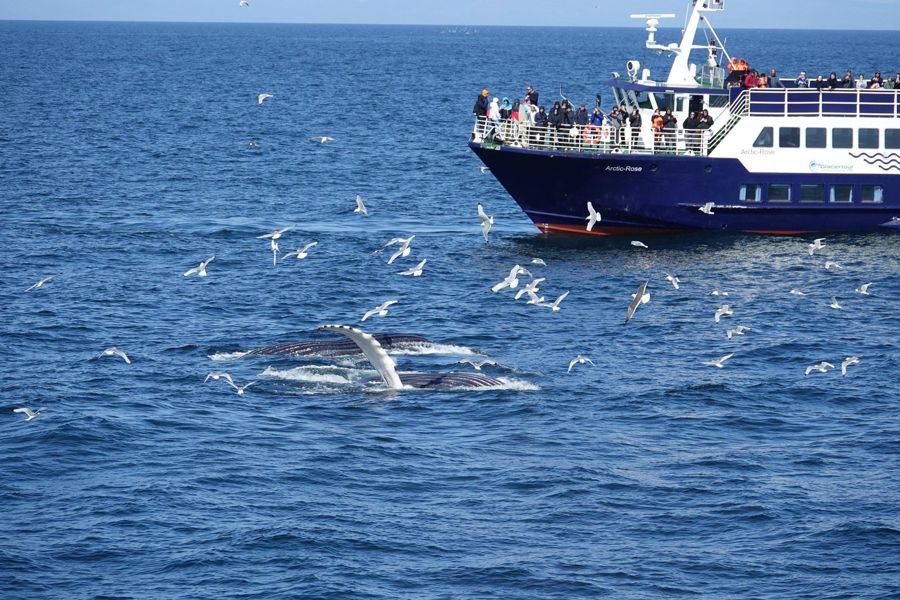
A realistic pace through the old streets, the rainbow-marked block and out to the harbour and back runs to a half day for most visitors, longer with stops for coffee or photographs. Starting at the inland edge of downtown and walking toward the water keeps the Reykjavik downtown colorful streets as the opening stretch of the route rather than an afterthought tacked onto the end of a harbour visit.
The middle of the loop, through the painted house clusters and the rainbow street, is where most visitors slow down regardless of how they planned the walk, and building in extra time here rather than at the start or the harbour matches how the walk actually unfolds. The final stretch out to Grandi and back is the longest single leg of the loop, and it is also the one most affected by how much daylight is available, so timing it earlier in a winter afternoon rather than later avoids finishing it in the dark.
None of this requires a fixed departure time or a booking, which is what makes the loop a reasonable first move on a first day in the city before any scheduled tour.
Common questions
Questions Readers Ask
Is downtown Reykjavik walkable without a car? Yes. The old town grid, the rainbow-marked street and the harbour are all reachable on foot from each other, and none of the loop described above requires transport between stops. How long does the full loop take? A half day covers the grid, the harbour and Grandi at a walking pace, longer with stops for photographs or coffee along the way. Is the walk different in winter than in summer? Yes. Daylight runs from about 21.2 hours in June down to about 4.1 hours in December, so the same route can be walked entirely in daylight or partly in the dark depending on the season, according to the Icelandic Meteorological Office. Do the painted houses cluster on one street? No. They appear in several clusters spread through the old town rather than on a single block, so a slower walk through more than one street tends to turn up more of them.