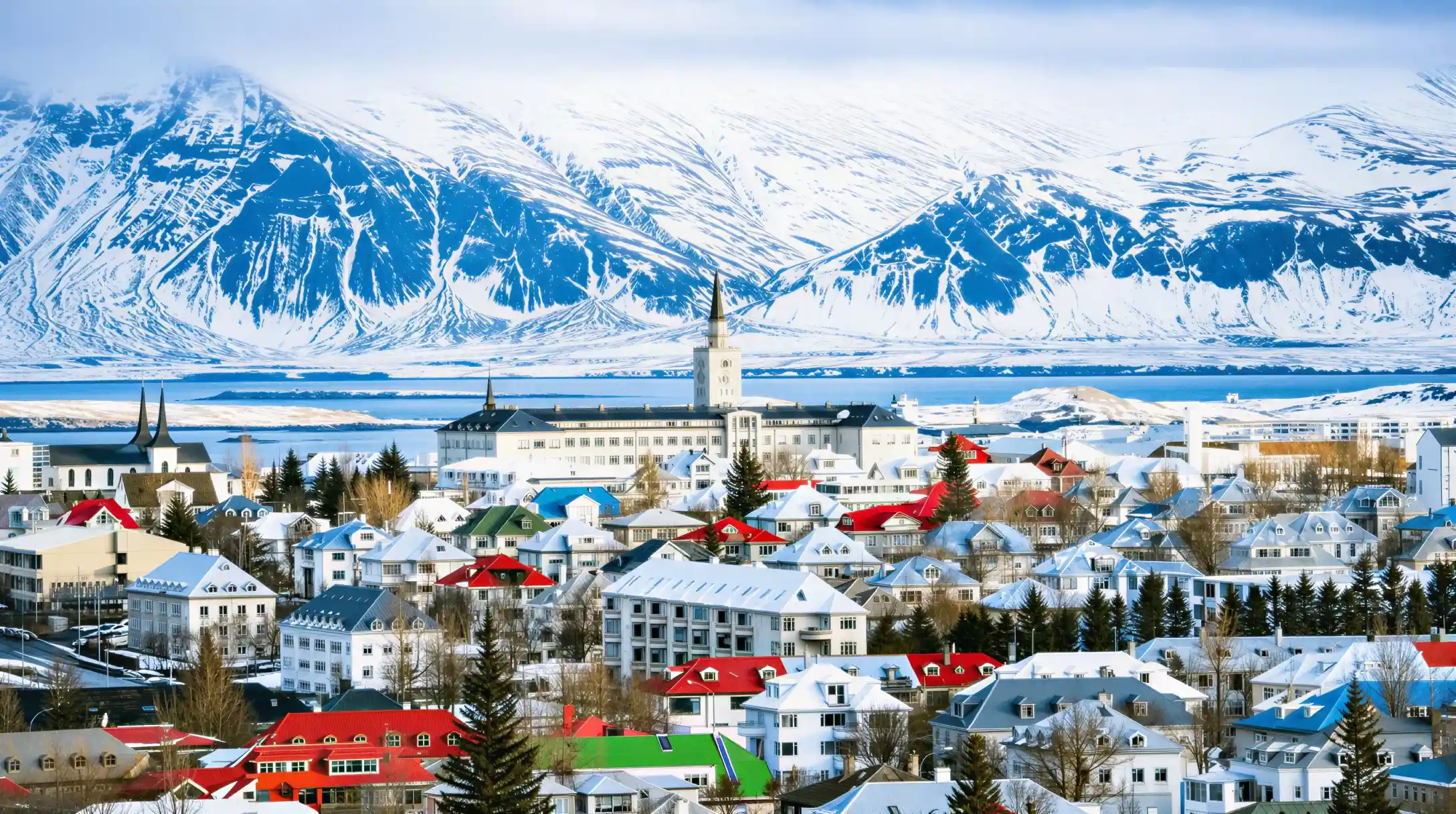
Reykjavik looks small on a map, and travellers often plan a single afternoon for it before heading out to waterfalls and glaciers. That undersells the city. Between a working harbour, a hilltop church tower, thermal pools locals use every day and a walkable old town, there are things to do in Reykjavik that fill two or three full days without a single day trip. The mistake is treating the capital as a stopover between the airport and the ring road, when several of its sights, particularly the geothermal pools, are better and cheaper than anything sold as a day tour. This page settles what is worth the time inside the city, roughly how long each thing takes, and which of them cost nothing at all. It does not cover the day trips out to the Golden Circle or the south coast, which get their own pages, and it does not cover Hallgrímskirkja or the downtown streets in the depth their own pages give them. What follows is ordered by how a visitor with two or three days would actually move through the city: pools and viewpoints first, museums and harbour activities next, and the free walking routes woven through both. Prices below are floors, since almost everything in Iceland moves with the season, and every schedule and fee is dated so it can be checked again before a booking is made.
 Our pick
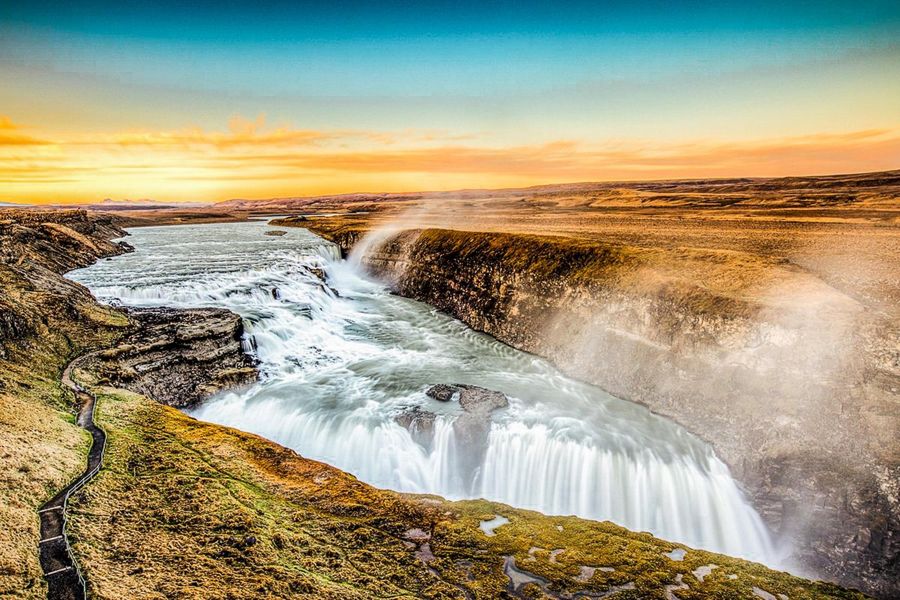
Golden Circle Full-Day Tour with Kerid Crater
4.76/5, 26,671 reviews · A first full day out of the city, covering Þingvellir, Geysir and Gullfoss in one loop
4.76/5, 26,671 reviews · A first full day out of the city, covering Þingvellir, Geysir and Gullfoss in one loop
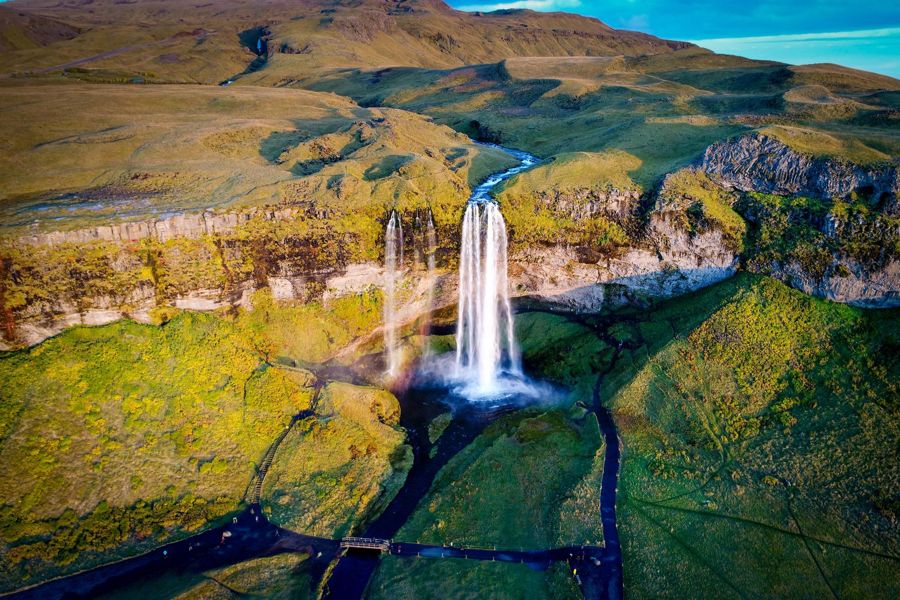
South Coast Waterfalls, Black Sand & Glacier Tour
4.76/5, 12,274 reviews · Travellers with a second day free for Seljalandsfoss, Skógafoss and Reynisfjara
4.76/5, 12,274 reviews · Travellers with a second day free for Seljalandsfoss, Skógafoss and Reynisfjara
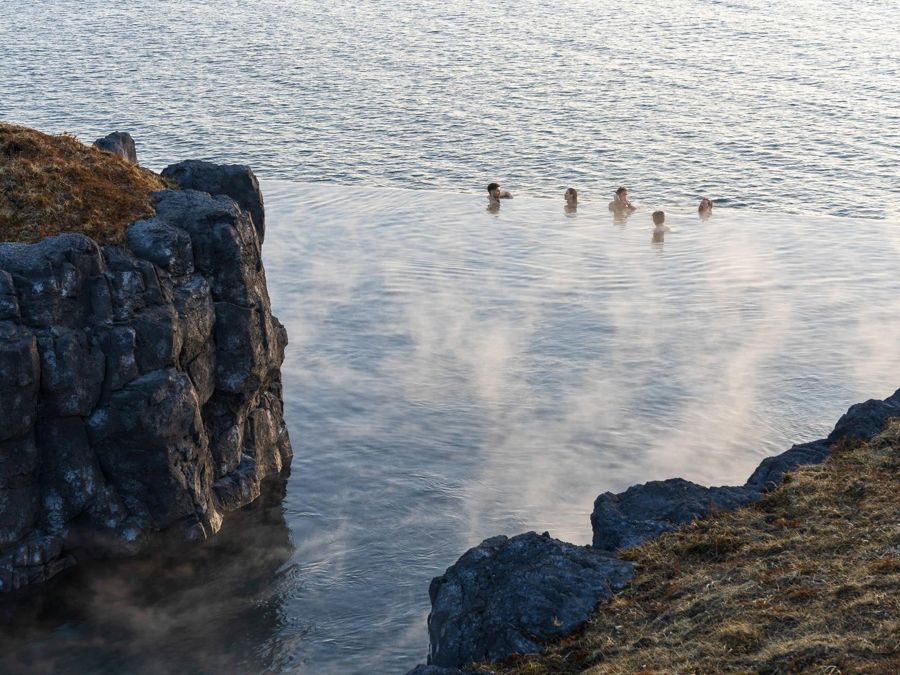
Sky Lagoon Entrance Pass With 7-Step Spa Ritual
4.83/5, 7,388 reviews · An evening close to the city rather than a bus transfer to the Blue Lagoon
4.83/5, 7,388 reviews · An evening close to the city rather than a bus transfer to the Blue Lagoon
Start with what the weather actually allows
Visitors planning by a summer photo of Reykjavik often build an itinerary that only works in July. The average high sits at 3.2°C (37.8°F) in January and climbs to just 14.9°C (58.8°F) in July, the warmest month on record here, so outdoor plans need a wet-weather backup at almost any time of year. Daylight swings even harder than temperature: 21.2 hours around the June solstice against 4.1 hours in December, which changes not what to do in Reykjavik but when you can realistically do it.
That daylight swing is also why the aurora season runs from late August to mid-April, bounded by darkness rather than by the Icelandic Meteorological Office's aurora activity itself, and why nobody sees a display in June however clear the sky is. A pool visit, a museum or a harbour walk fits any month; a northern lights tour or a whale watching cruise depends on the season, and it is worth checking which before building a short trip around one.
Rain gear matters more than a heavy coat most of the year, since the city's 875.9 mm of average annual precipitation falls in short bursts rather than long storms. Layering for a 10 to 15 degree swing between a sunny street and a windy harbour edge is the more useful habit than dressing for a single forecast number.
- Population, city proper
- 139,804
- Population, greater capital region
- 253,230
- Area of the city
- 244 km² (94.2 sq mi)
- City charter granted
- 18 August 1786
- Daylight, June solstice
- 21.2 h
- Daylight, December solstice
- 4.1 h
Weigh a paid pool against a paid tour before booking either
Visitors default to booking tours first and treating the city's own pools as an afterthought, when for many travellers the order should reverse. Sky Lagoon, a 13-minute drive from the centre, charges from 14,990 ISK for its Saman pass and from 17,990 ISK for the Sér pass with its seven-step spa ritual, checked against the operator's own pricing on 2026-09-07; it prices in the visitor's own currency online, so a booking made through skylagoon.com with `?currency=ISK` added to the url shows the Icelandic króna figure rather than a converted one. Nobody under 12 is admitted, a rule the operator enforces rather than suggests.
Among the best things to do in Reykjavik for a traveller without a full day to give to the Blue Lagoon, Sky Lagoon is the more honest use of an evening: close enough that it does not eat a travel day, and the geothermal water is the same idea without the 50-minute drive each way to Grindavík. The Blue Lagoon itself remains open, behind lava barriers built after the 2023 eruptions, but it requires pre-booked, timed entry; a transfer ticket alone does not admit anyone, and summer slots sell out days ahead.
A single Strætó city bus fare runs 690 ISK, which makes reaching either a downtown pool or the harbour cheaper than most guided transfers, provided the schedule lines up with the plan for the day.
| Site | One-way drive from Reykjavik |
|---|---|
| Sky Lagoon | 7.5 km, 13 min |
| Keflavík airport | 47.2 km, 47 min |
| Blue Lagoon | 49.2 km, 50 min |
| Þingvellir | 47.6 km, 47 min |
- One-way drive from Reykjavik
- 7.5 km, 13 min
- One-way drive from Reykjavik
- 47.2 km, 47 min
- One-way drive from Reykjavik
- 49.2 km, 50 min
- One-way drive from Reykjavik
- 47.6 km, 47 min
Treat the harbour as a working part of the city, not a backdrop
Photographs of Reykjavik's harbour make it look like a set piece, and visitors sometimes walk past it looking for something more dramatic. It is a working harbour, and that is the appeal: boats leaving for whale watching and puffin trips share the water with fishing vessels, and a walk along it costs nothing. A whale watching and marine life cruise from the harbour holds a 4.50/5 rating across 11,217 reviews, and it runs year-round with a strong summer skew, since that is when sightings are most reliable.
Among Reykjavik attractions that get skipped for being "just a walk", the shoreline path running past the harbour toward Höfði is one of the better free uses of a spare hour, especially in the long daylight of June, when 21.2 hours of light means an evening walk is really still an afternoon one. In December, with only 4.1 hours of daylight, the same walk needs to happen earlier in the day than a visitor used to longer winter afternoons elsewhere might expect.
A taxi from Keflavík Airport into the centre costs about 22,500 ISK, against a Flybus fare of 3,999 ISK one way; the airport bus takes about 45 minutes into downtown and is the cheaper way to bank the first hours in the city before deciding how to spend them.
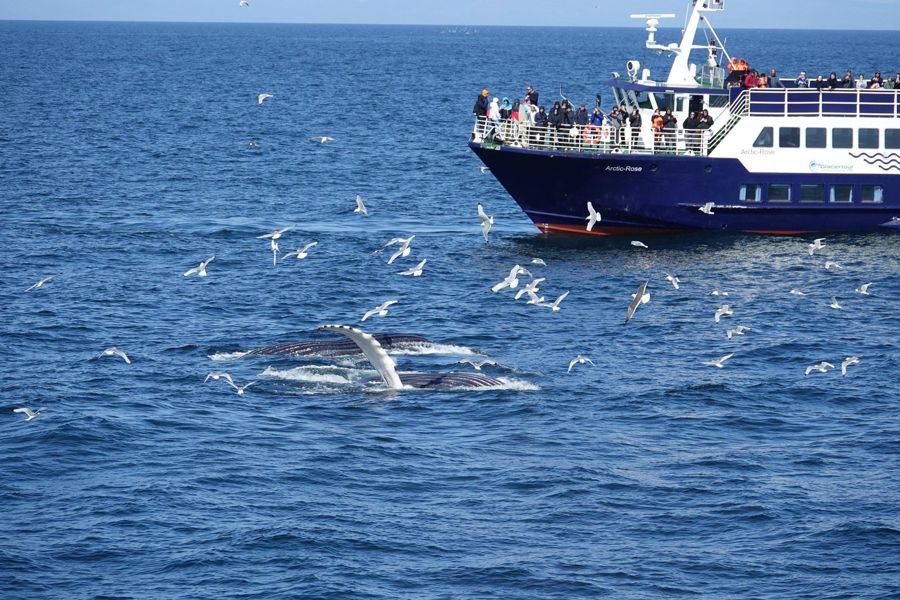
Whale Watching and Marine Life Cruise (), rated 4.50/5 from 11,217 reviews.
Do not save every museum for a rainy day
A common plan is to hold all the museums in reserve for bad weather, which crowds them into whichever single day turns out wet and leaves no time to see more than one properly. Reykjavik's museums are spread widely enough in subject, from the National Museum's collection to smaller design and photography houses, that spacing two or three across a trip works better than stacking them.
Among the things to see in Reykjavik that need less time than visitors budget for them, a well-chosen museum runs 60 to 90 minutes rather than a half day, which leaves room on the same afternoon for a pool or a harbour walk. The old town itself is compact, about 1.5 km across, so moving between a museum, a café and a viewpoint on foot rarely costs more than fifteen minutes.
Opening hours shift by season at several sights in the city, the same way they do at Hallgrímskirkja, whose winter hours run 10:00 to 17:00 against summer hours of 09:00 to 20:00 for the church; checking a specific museum's hours the same week as a visit avoids arriving to a locked door.
- Main gateway airport
- KEF
- Flybus, KEF to Reykjavik
- 45 min, from 3,999 ISK one way
- Taxi, KEF to Reykjavik
- about 22,500 ISK
- City bus fare (Strætó)
- 690 ISK
Separate a viewpoint from a destination
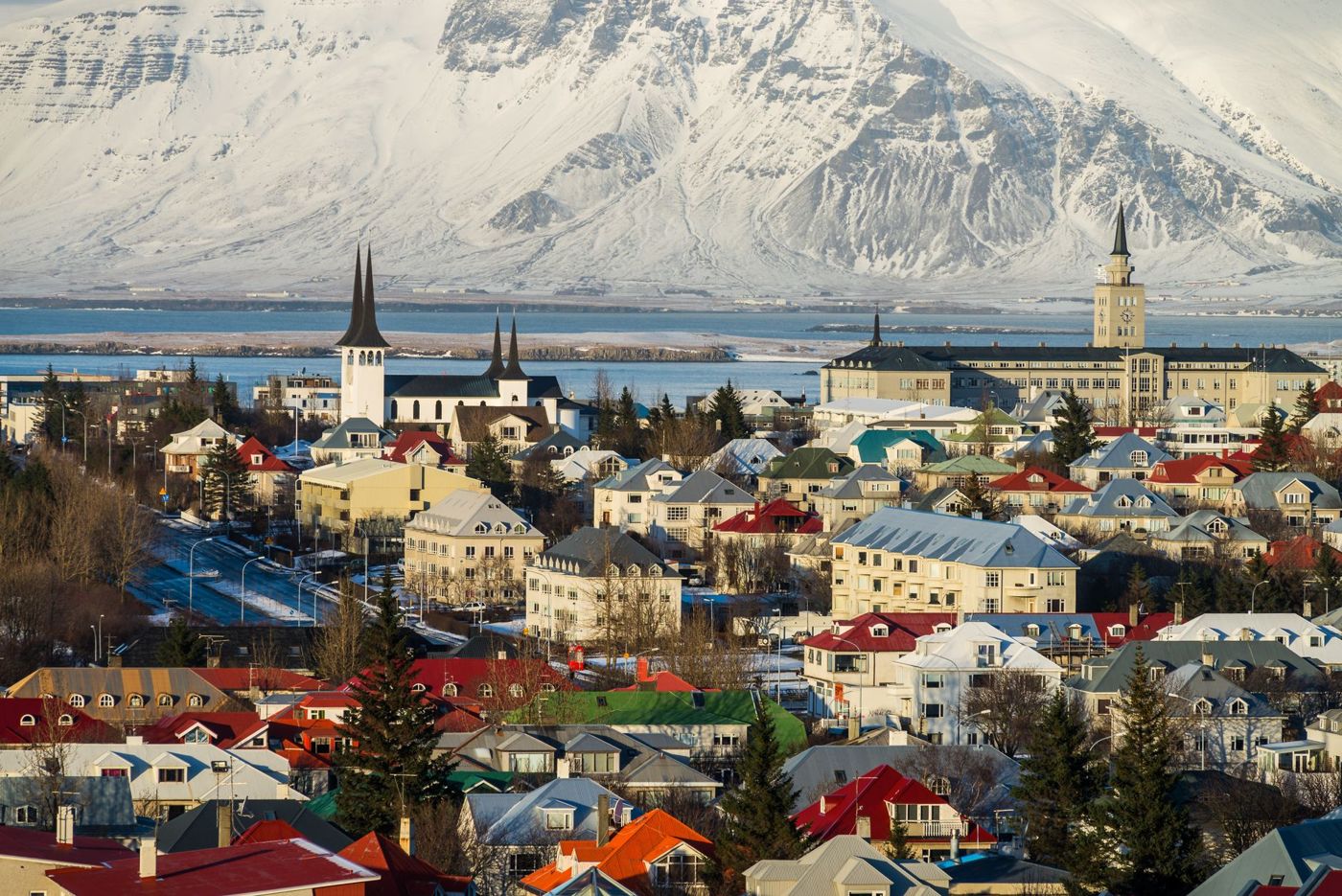
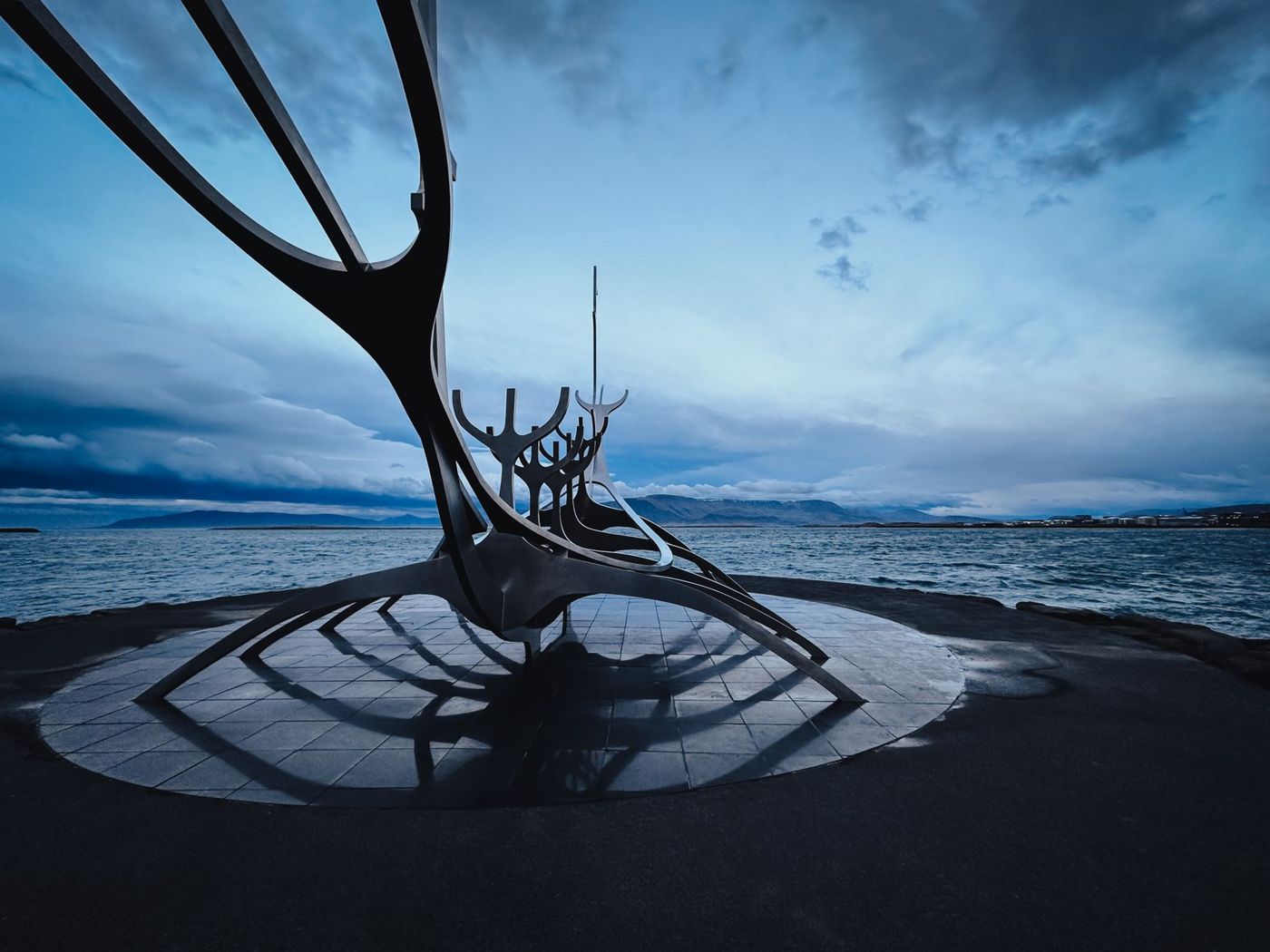
Some of what to see in Reykjavik works as a five-minute stop rather than a planned outing, and treating every sight as worth a dedicated visit wastes time better spent elsewhere. A hilltop viewpoint or a harbourside sculpture rewards a short stop on the way to something else more than it rewards a special trip.
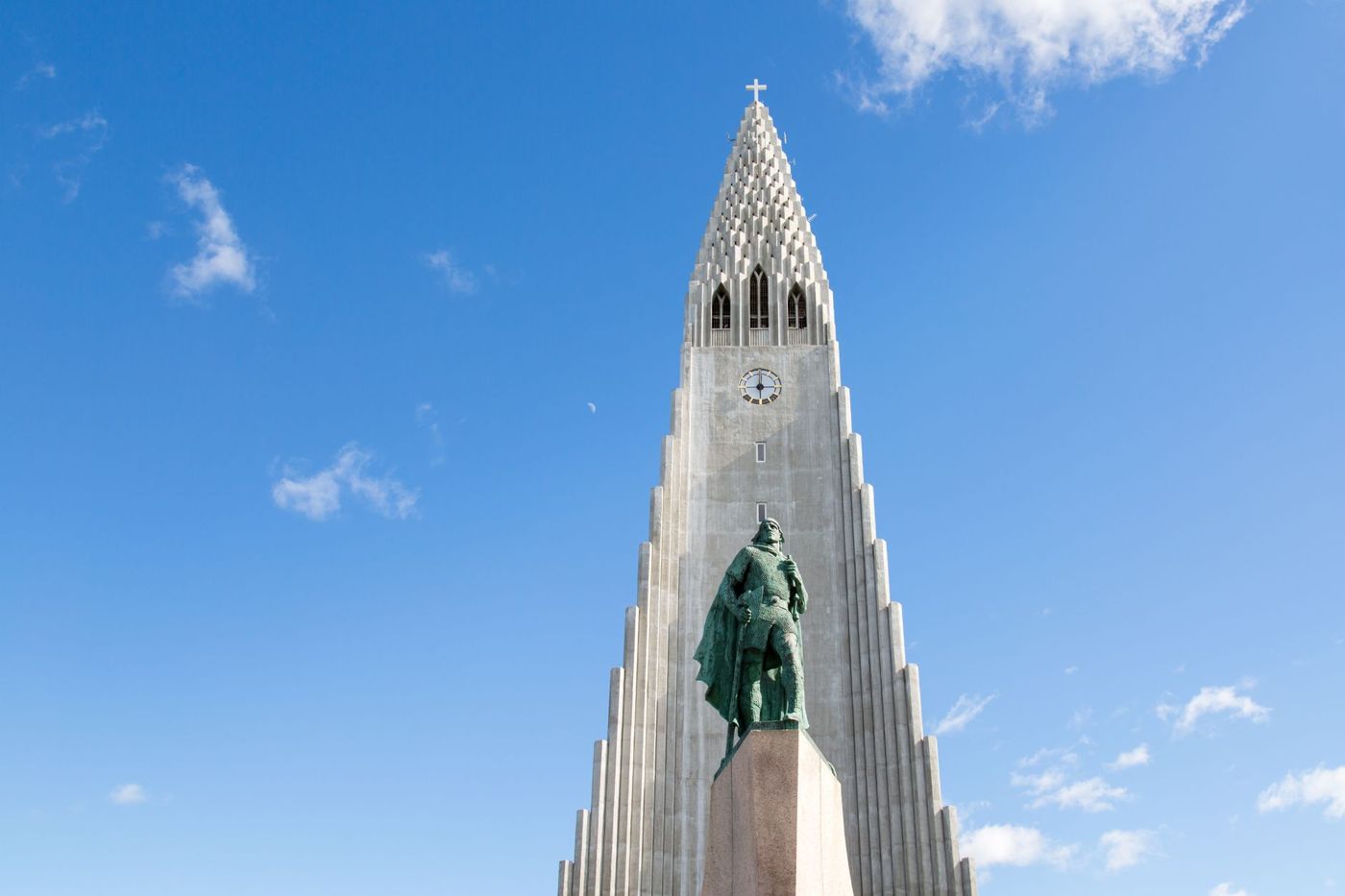
Hallgrímskirkja's tower is the clearest example: the church itself, its nave and the lift up the 73 m (240 ft) tower are wheelchair accessible, but the open-air viewing deck at the top is not, and the tower lift ticket costs 1,400 ISK for an adult, 1,000 ISK for students, seniors and disabled visitors, and 200 ISK for children aged 7 to 16. That is a stop of perhaps 30 minutes including the queue, not a destination in itself, and it sits well alongside a longer museum visit or a harbour walk on the same day.
The US State Department's country information for Iceland and the UK FCDO's travel advice are worth checking before travel for any current entry or safety notices, since conditions around the country change and neither source stays fixed for long.
Rank by time available, not by a fixed list
A visitor with one afternoon and a visitor with four days need different answers to the same question, and a single ranked list serves neither well. With half a day, a harbour walk, one museum and the Hallgrímskirkja tower cover the centre without rushing. With a full day, add a pool, whether Sky Lagoon or one of the city's own geothermal pools, and a longer walk through the old town's streets.
Among the top things to do in Reykjavik for a visitor with three or more days, the calculation changes again: a day trip becomes worth the drive, since the Golden Circle loop of Þingvellir, Geysir and Gullfoss runs about 3 hours 45 minutes of driving and fits comfortably inside one day out from the city. A visitor without that extra day is better served staying inside the city limits, where nothing on this page requires more than an afternoon.
The distances involved are worth stating plainly rather than guessing at: Þingvellir sits 47.6 km (29.6 mi) one way, about 47 minutes' drive, while Gullfoss is 123.1 km (76.5 mi) one way, about 1 hour 52 minutes. Both numbers matter more when deciding whether a day trip fits than any ranking of sights within the city itself.
Walk before booking a bus tour
A hop-on sightseeing bus gets sold to every visitor regardless of how much walking they actually plan to do, and for a city this size it buys comfort rather than distance. Since the old town is about 1.5 km (0.9 mi) across, most of what a visitor wants for sightseeing Reykjavik trips is within a twenty-minute walk of the harbour, and a bus route mostly retraces streets a pedestrian covers just as fast.
Where a bus earns its cost is bad weather or limited mobility, not distance, given how compact the centre is. For everyone else, a paper map or a phone and a morning are enough to link the harbour, the old town streets and Hallgrímskirkja without paying for transport between them.
Bicycle and small-group walking tours exist as a middle option, moving faster than walking alone without the fixed stops of a bus route, though neither replaces simply setting out from the harbour on foot for a first pass through the centre.
Sky Lagoon Entrance Pass With 7-Step Spa Ritual (), rated 4.83/5 from 7,388 reviews.
Match a day trip to the season it actually runs in
Some of the best-known places to visit in Reykjavik's surrounding region are not open, or not sensible, year-round, and building a fixed itinerary before checking the season is one of the more common planning mistakes. Natural ice caves run roughly November to March; the man-made Langjökull ice tunnel is open all year, and the two get sold under similar-sounding names, so it is worth confirming which one a listing actually covers.
Puffins are found on the islands off Reykjavik roughly May to August, and whale sailings run all year with a stronger showing in summer; outside the puffin months, no operator can show a visitor one regardless of what a listing promises. The highland roads that lead to Landmannalaugar open only in June on average, with Vegagerðin publishing the F208 and F225 opening dates each spring, so a highland day trip planned for winter or early spring is not possible regardless of how it is marketed.
Checking Vegagerðin's road conditions the week of travel, rather than relying on a fixed itinerary built months earlier, is the difference between a day trip that runs and one that gets cancelled at the car park.
Budget for what a tour price leaves out
A quoted tour price rarely covers everything a visitor assumes it does, and the gap shows up at the worst moment, usually at an entrance gate with a card machine that will not take a booking confirmation. Among Reykjavik sights bundled into day tours, admission to a lagoon or a museum at the end of the drive is the most common thing left out, followed by food and, on a self-drive itinerary, the parking fee at the site itself.
Parking fees at Iceland's best-known free sights are a recent and specific example: Þingvellir and Geysir both charge 1,000 ISK to park, Seljalandsfoss charges 900 ISK, Sólheimajökull charges 750 ISK and Skógafoss charges 1,000 ISK at a car park about 500 m from the falls. Gullfoss remains free to park at, which is worth knowing before assuming every stop on a Golden Circle loop costs the same. Kerið charges a flat 700 ISK just to walk in, with no reduced rate for children or seniors, and publishes no fixed opening hours beyond being open, in its own words, when the sun is shining.
None of these fees appear in a tour's headline price, and building a small cash or card buffer for them avoids an awkward stop at the gate.
Travellers arriving with a fixed nightly budget sometimes forget that Reykjavik's own attractions are cheaper, on the whole, than the day trips sold around them. A pool visit or a museum ticket runs a few thousand krónur; a full-day tour with a lagoon admission bundled in runs considerably more once every extra fee is added. Building the trip around the city first and adding day trips only where the budget and the days allow keeps the total closer to what was planned rather than what got added at each booking.
Currency is worth a mention here too, since several operators price in euros or dollars by default online and only show Icelandic krónur once a currency parameter is added to the url. Checking the actual settlement currency before a card is charged avoids a surprise on the statement later, particularly on a booking made from a phone in a hurry.
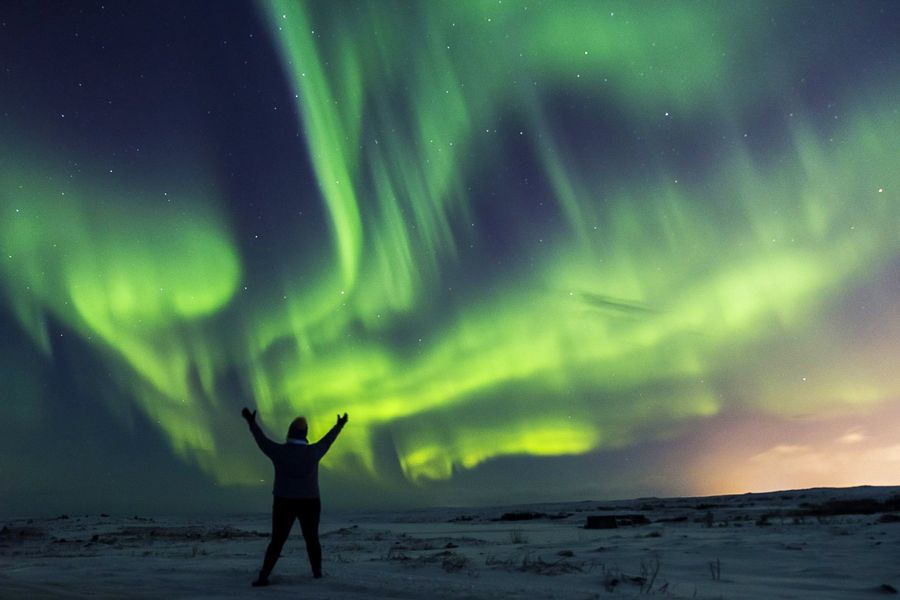
Northern Lights Bus Tour with Hot Cocoa (), rated 4.27/5 from 14,847 reviews.
Packing for Reykjavik gets built around a single weather forecast far too often, when the more useful habit is packing for the swing rather than the day. A waterproof outer layer earns its space in the bag more reliably than a heavy coat, since the city's rain tends to arrive in short, wind-driven bursts rather than settling in for a full day. Sturdy, closed shoes matter for the cobbled and often wet streets of the old town as much as they do for anywhere outside the city.
A swimsuit belongs in the bag from the first day, not packed only for a planned pool visit, since a spare hour near almost any part of the city usually turns up a geothermal pool worth stopping at. Evenings cool quickly even in July, when the average low sits at 9.1°C (48.4°F), so a layer for after dark is worth keeping accessible rather than buried at the bottom of a suitcase.
Golden Circle Full-Day Tour with Kerid Crater (), rated 4.76/5 from 26,671 reviews.
Building the days in order rather than by a fixed checklist tends to produce a better trip than working straight down a list of names. The first day, close to the airport bus route, suits the harbour, a first museum and the Hallgrímskirkja tower. A second day suits a pool afternoon and the old town's streets at a slower pace, once the first day's travel fatigue has worn off. A third day, if there is one, is where a day trip earns its place, since the driving distances involved mean a rushed half-day version of the Golden Circle or the south coast trades comfort for coverage.
None of this needs booking months in advance for the city itself; pools, museums and the harbour take visitors as they come. The exceptions are the Blue Lagoon, which requires pre-booked, timed entry with no walk-up option, and summer whale watching sailings, which can sell out on short, sunny stretches of the season. Building those two bookings early and leaving the rest of the city loose gives a trip more room to adjust once the actual weather in Reykjavik shows itself.
Common questions
How many days does Reykjavik itself need, apart from day trips?
Two full days cover the harbour, the old town, a museum or two and a pool visit without rushing. A third day allows for a slower pace or an extra museum.
Is the Blue Lagoon inside the city?
No. It sits about 49.2 km (30.6 mi) from central Reykjavik, around 50 minutes' drive, and requires pre-booked, timed entry rather than a walk-up visit.
What is free to do in the city?
Walking the harbour, the old town streets and most viewpoints costs nothing; paid stops are mainly the Hallgrímskirkja tower lift, museum admissions and the geothermal pools.
Does the sightseeing bus save time in a city this size?
Rarely. The old town is about 1.5 km (0.9 mi) across, so most stops are within a twenty-minute walk of each other, and the bus mainly helps in bad weather or with limited mobility.