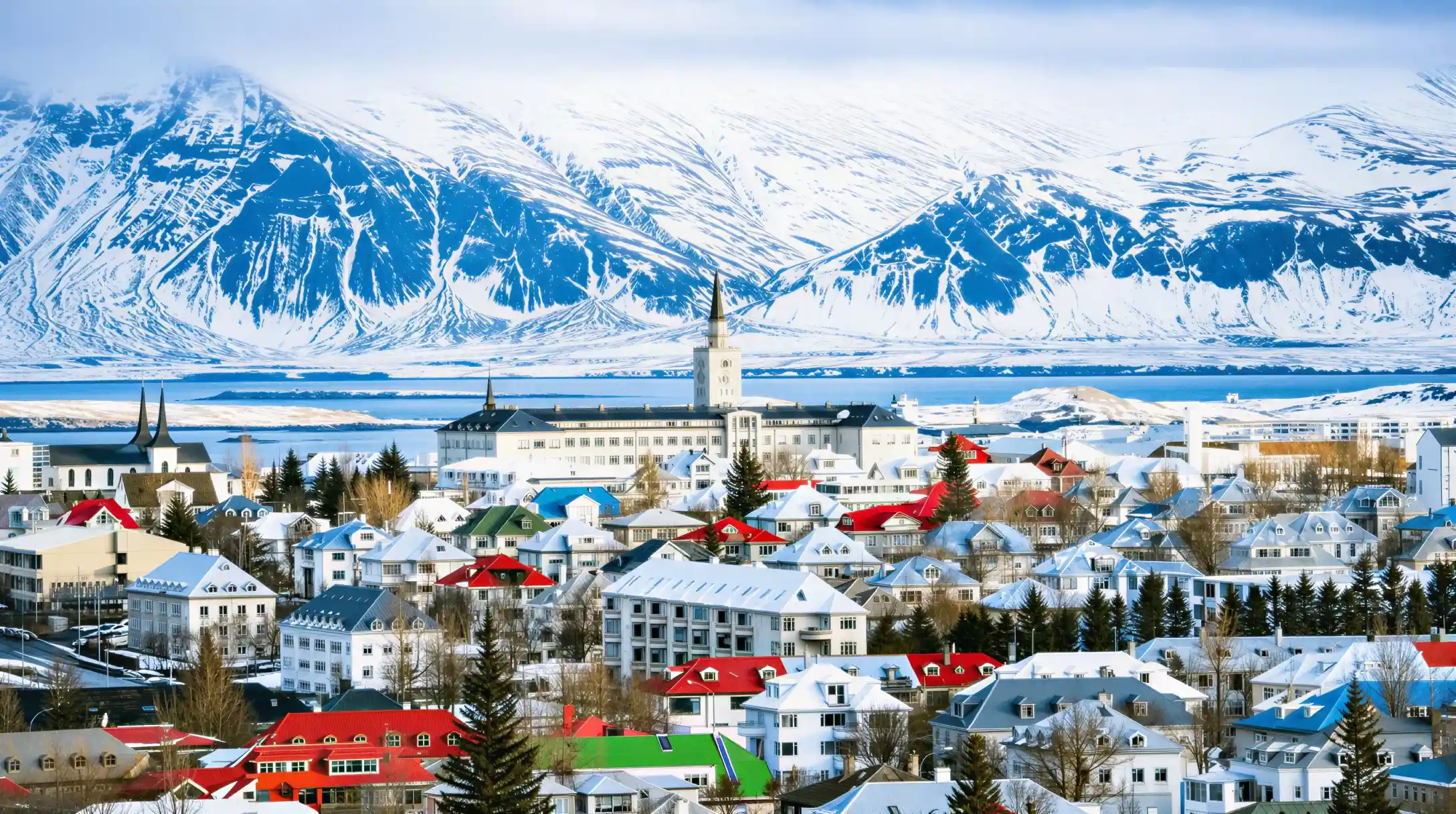
Most visitors assume the biggest risk in Reykjavik is the weather, and the weather is real, but the questions that actually matter are simpler: what the entry rules require, whether the roads and sights advertised online are open, and what changed since the last eruption. Is Reykjavik safe for a first trip. For the city itself, yes, in the ordinary sense that a traveller checks before any capital: pickpocketing is uncommon, violent crime is rare, and the everyday risks are cold, wind and uneven ground rather than people. What is not settled by that answer is Iceland's wider situation, where a dormant volcano, a booking-only lagoon and a highland road that opens on its own schedule each change the plan more than any city hazard does. This page settles those pieces one at a time, starting with what the two home-market authorities actually say before it moves to language, connectivity, luggage and the parts of a first visit that trip people up.
 Our pick
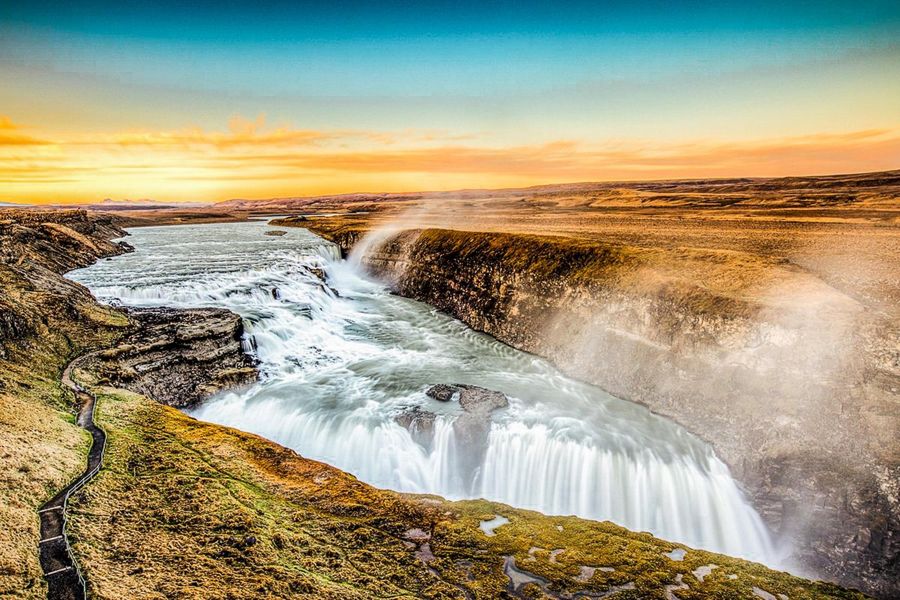
Golden Circle Full-Day Tour with Kerid Crater
4.76/5 from 26,671 reviews · A first day outside the city, covering Þingvellir, Geysir and Kerið in one trip · Full-day coach route with stops at the main Golden Circle sites
4.76/5 from 26,671 reviews · A first day outside the city, covering Þingvellir, Geysir and Kerið in one trip · Full-day coach route with stops at the main Golden Circle sites
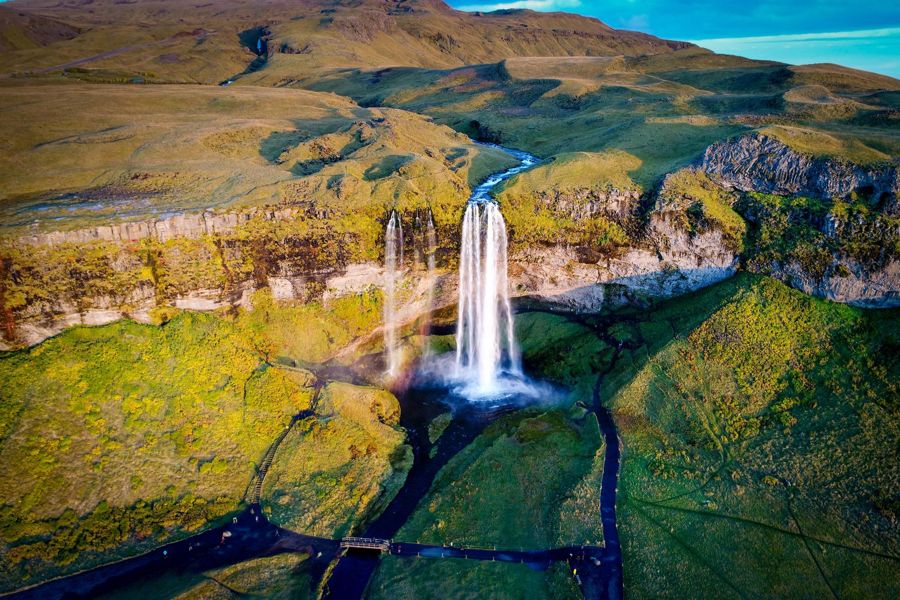
South Coast Waterfalls, Black Sand & Glacier Tour
4.76/5 from 12,274 reviews · Travellers who want waterfalls and a glacier view without renting a car · Full-day coach route along the south coast
4.76/5 from 12,274 reviews · Travellers who want waterfalls and a glacier view without renting a car · Full-day coach route along the south coast
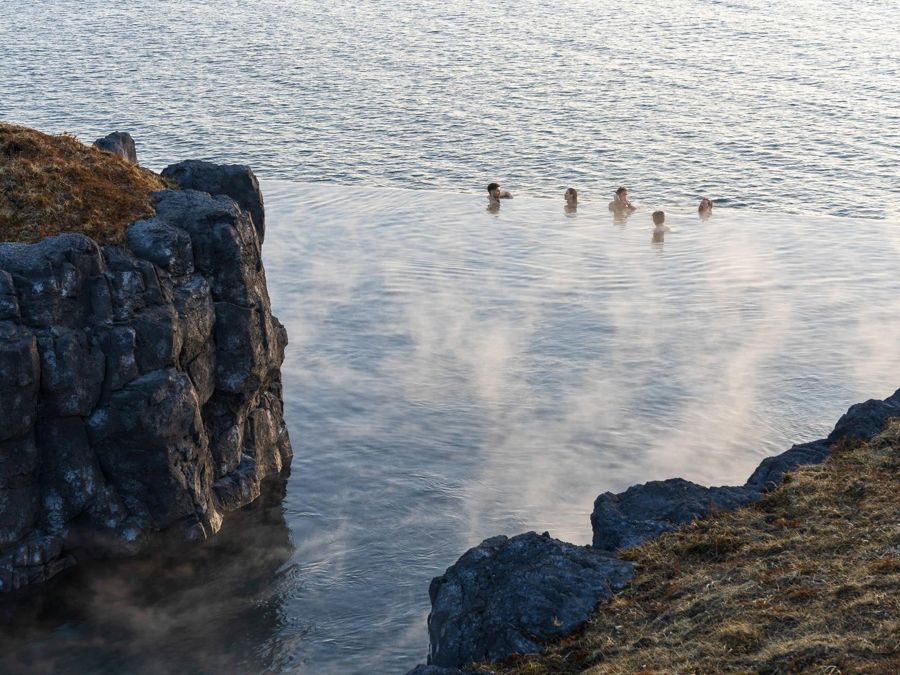
Sky Lagoon Entrance Pass With 7-Step Spa Ritual
4.83/5 from 7,388 reviews · A single evening of downtime close to the city · Entry pass and the multi-step spa ritual
4.83/5 from 7,388 reviews · A single evening of downtime close to the city · Entry pass and the multi-step spa ritual
What to expect on arrival
Visitors from the United States and the United Kingdom often assume they need a phrasebook. Reykjavik language use makes that unnecessary for almost every practical situation: English is spoken fluently at hotels, restaurants, tour desks and shops, and Icelandic street signage rarely gets in the way of finding a bus stop or a pharmacy.
The bigger gap is paperwork, and it is worth closing before departure rather than at the check-in desk. The US Department of State country information for Iceland and the UK FCDO travel advice for Iceland both publish the current Reykjavik visa requirements for their citizens, and the two occasionally differ on driving and insurance detail, which is a reason to check both rather than one. Iceland is a Schengen country, so the rules that apply are the Schengen entry conditions rather than a bilateral arrangement with either country, and the State Department and FCDO pages are the two sources this page treats as current.
Two conditions catch people out. A passport has to be valid for at least three months beyond the day you leave the Schengen area, which most travellers know, and it also has to have been issued less than ten years before the day you arrive, which most do not. Those are separate tests, and a passport renewed early can pass the first while failing the second: it shows years of validity on the page and is still refused at the desk. The UK FCDO sets out both rules alongside the Schengen allowance of 90 days in any 180-day period, which counts every earlier Schengen visit inside that rolling window, not just this trip.
Neither authority's page is something to paraphrase from memory: entry conditions change, and a rule that was correct last year is not evidence for this one. Reading both before booking flights costs a few minutes and settles the paperwork question completely.
- Reykjanes eruption
- None active. The last one ran 16 July to 4 to 5 August 2025, the ninth at Sundhnúkur since December 2023
- Grindavík
- Open, behind lava barriers, with marked paths only because of crevasses
- Blue Lagoon
- Open, pre-booked timed entry required; closed twice in the prior two years, 8 to 16 February 2024 and 20 November to 6 December 2024
- Highland F-roads
- F208 opens around 2 June, F225 around 16 June, on average
- Aurora season
- Late August to mid-April, bounded by darkness
Staying connected and staying oriented
A common assumption is that a European SIM works the same way in Iceland as it does on the continent; roaming rules and coverage are worth checking against the plan a traveller already carries rather than assumed. Pocket wifi Reykjavik rental is one option travellers weigh against a local SIM at the airport, though the choice between the two comes down to how many devices need a connection rather than coverage, since both work across the capital area.
Is Reykjavik safe to visit is a question that also covers natural hazards outside the city, and the honest answer separates the two. Within Reykjavik, the concerns are the same as any northern capital: dress for wind, watch footing on ice in winter, and keep valuables out of sight in a parked car. Outside the city, the hazards are geological and weather-driven, which is why checking the status of any site before driving to it matters more here than in most destinations.
For anything that moves week to week, from road openings to an active hazard assessment, the Icelandic Meteorological Office at en.vedur.is publishes the current picture, and Almannavarnir, the Department of Civil Protection and Emergency Management, decides access to any hazard area rather than an individual tour operator.
| Site | Parking fee |
|---|---|
| Þingvellir | 1,000 ISK |
| Geysir | 1,000 ISK |
| Skógafoss | 1,000 ISK, from a car park about 500 m out |
| Seljalandsfoss | 900 ISK |
| Sólheimajökull | 750 ISK |
| Gullfoss | Free |
| Kerið | 700 ISK flat entry, no child or senior rate |
- Parking fee
- 1,000 ISK
- Parking fee
- 1,000 ISK
- Parking fee
- 1,000 ISK, from a car park about 500 m out
- Parking fee
- 900 ISK
- Parking fee
- 750 ISK
- Parking fee
- Free
- Parking fee
- 700 ISK flat entry, no child or senior rate
Bags, buses and the airport run
A traveller with a late flight and an early checkout usually assumes hotels alone can hold a bag for the day, and most will for a few hours, but a full day or an overnight gap is a different problem. Luggage storage Reykjavik options exist in the city centre for exactly that gap between checkout and a late departure, letting a visitor spend a last afternoon walking the harbour or a museum without hauling a suitcase along.
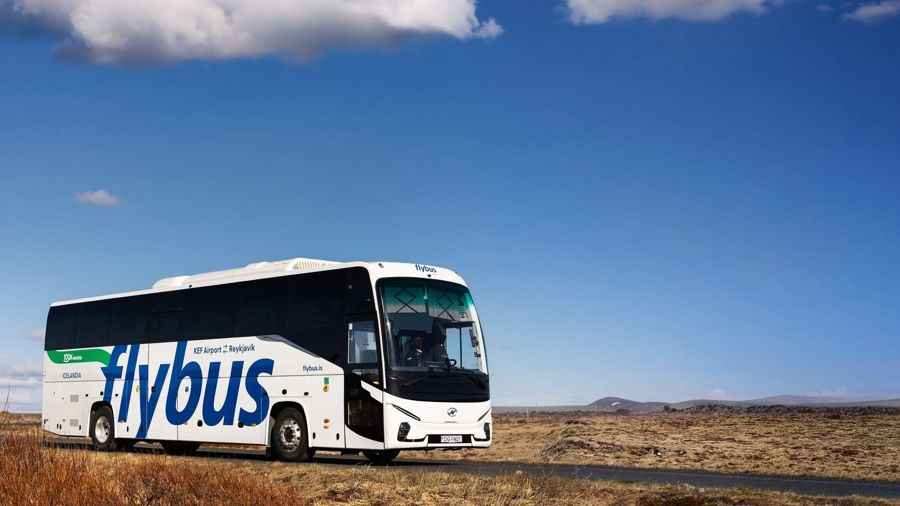
The airport transfer itself is a fixed, well-reviewed route rather than something to overthink: a scheduled bus connects Keflavik Airport (KEF) to Reykjavik in both directions, and it is worth booking the transfer separately from any lagoon or day tour, since a transfer ticket alone does not admit anyone to the Blue Lagoon, which requires its own pre-booked, timed entry.
The Icelandic Meteorological Office is also the source to check before any drive between the airport and the city in winter weather, since conditions on that stretch of road can change faster than a flight schedule allows for.
Weighing a short stay
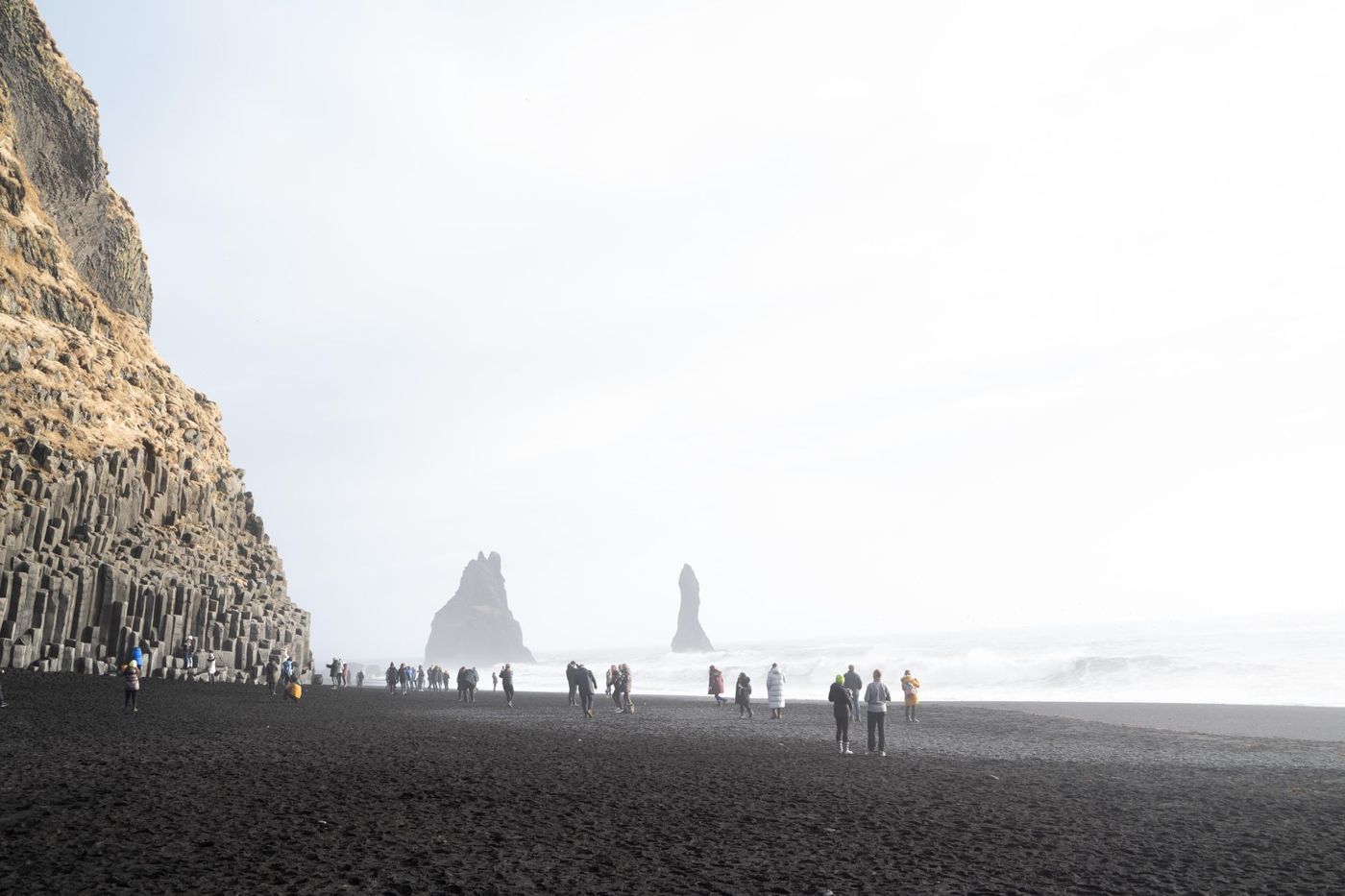
Some travellers planning a stopover wonder whether a day or two is enough to justify the trip. Is Reykjavik worth visiting on a short layover depends mainly on what a visitor wants from it: the compact city centre, harbour and museums fit comfortably into a single day, while the sights that draw most travellers back, the Golden Circle, the south coast and the lagoons, need at least a full extra day each to reach and enjoy without rushing.
The mistake worth avoiding is booking a tight stopover and assuming both the city and a day trip fit into it comfortably. A same-day return from the airport, a night in the city and a full day out is a more realistic minimum than a single overnight, particularly once winter daylight hours are factored in: Reykjavik has 21.2 hours of daylight in June and 4.1 in December, which changes how much can be seen after a midday arrival.
Before departure
Most of what catches first-time visitors out is not the city but the assumptions they arrive with. Things to know before traveling to Reykjavik start with the two entry-rule sources, continue through the current status of any active hazard, and end with the practical detail of what is open and what requires booking ahead.
The Blue Lagoon is the clearest example: it is open, but only to visitors with a pre-booked, timed slot, and summer slots sell out days in advance, so a plan built around walking in is a plan that fails at the door. The same booking-first logic applies to any highland route: the F-roads are closed until Vegagerðin, Iceland's road authority, opens them each spring, and a June itinerary built around Landmannalaugar before the road is open will need to change on arrival.
Packing for the range of weather a single day can produce, rather than for the season on the calendar, avoids most of the discomfort visitors report afterward. Layers, a windproof shell and sturdy footwear cover the ordinary case; nothing about the current hazard status changes what a city visit needs to carry.
Putting it together
The practical shape of a first visit comes down to a short list, and treating it as a checklist rather than a set of assumptions is what separates a smooth trip from a frustrating one. Reykjavik travel tips worth acting on before departure: confirm entry requirements with both home-market authorities, check the current status of Reykjanes and any site on the itinerary, book the Blue Lagoon and any highland route only within its open season, and arrange luggage storage or an airport transfer as a separate booking rather than assuming a hotel or tour operator covers it.
None of this requires special expertise, only checking sources that publish current information rather than relying on a blog post or a forum thread written for a different season. The Icelandic Meteorological Office, Almannavarnir, Vegagerðin and the operators' own pages are the sources that move with the country; the two travel advisories are the ones that move with the traveller's home country's own rules.
Travelling alone
Reykjavik solo travel is common enough that hotels, tours and restaurants are set up for a single traveller without extra charges or awkwardness, and the same city-safety picture applies: normal precautions, well-lit central streets and no particular pattern of crime aimed at tourists. The bigger planning question for someone travelling alone is logistics rather than safety, since day tours and transfers are typically priced and seated for a single person exactly as they are for a group.
Where a solo traveller benefits most is in booking ahead rather than deciding day to day: the Blue Lagoon's timed entry, any highland route's open season and a lagoon pass's minimum age, where one applies, all reward the same advance planning as they would for a group, and a solo schedule has less flexibility to absorb a sold-out slot than a group splitting across dates.
Common questions
Is Reykjavik safe at night?
The city centre is well used and lit after dark, and the ordinary precautions of any capital apply rather than any specific local risk.
Do I need a car to see the Golden Circle?
No. Full-day coach tours cover Þingvellir, Geysir and Kerið without a rental, and a guided option removes the parking-fee and route-planning steps entirely.
Is the Blue Lagoon still open after the 2025 eruption?
Yes, it is open behind lava barriers built around Svartsengi, and it still requires a pre-booked, timed entry regardless of the current hazard status.
What plugs and connectivity should I plan for?
This page covers pocket wifi and SIM choices; specific plug types are outside its scope and belong with the country's broader practical guide.