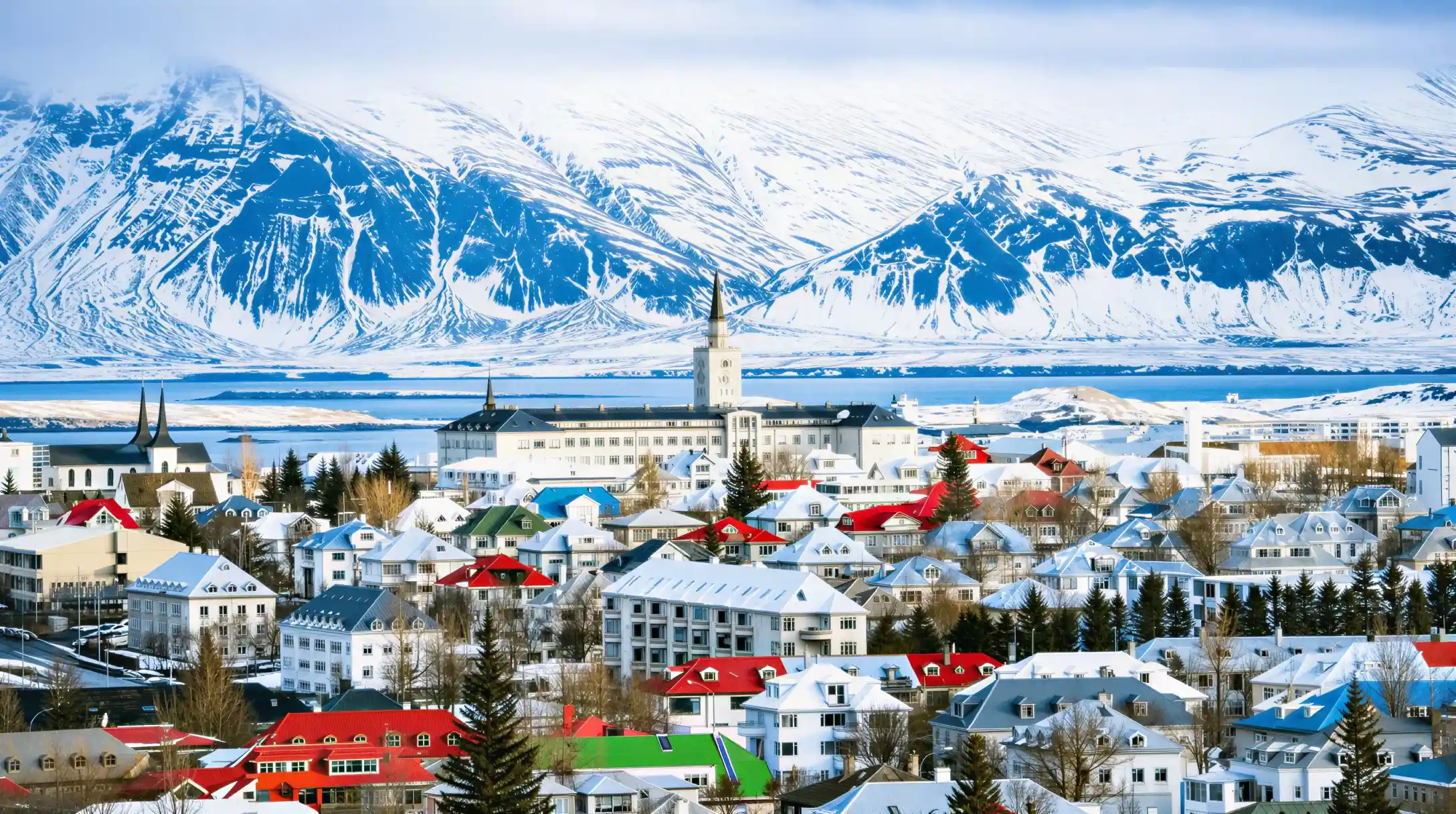
Most travellers planning a trip to Iceland's capital are unsure how to say its name out loud before they ever book a flight. The letters look unfamiliar in English and the spelling on a boarding pass rarely matches what a gate agent or a tour guide says. This page settles how to pronounce Reykjavik, breaks down where the two halves of the name come from, and leaves the rest of the trip planning, timing and booking to the other pages linked below. Reading the word correctly once removes the small hesitation that otherwise follows a visitor through every check-in desk and every tour pickup in the city. It also helps when asking for directions, since locals respond more easily to a name said with the right shape even from a visitor with an obvious accent. Nothing here requires fluency, only a working sense of how the syllables sit together.
 Our pick
Reykjavik: Golden Circle Full-Day Tour with Kerid Crater
4.76/5 (26,671 reviews) · Golden Circle sights and Kerið crater on one full-day route · First-time visitors wanting the classic route in a single day
4.76/5 (26,671 reviews) · Golden Circle sights and Kerið crater on one full-day route · First-time visitors wanting the classic route in a single day

Keflavik Airport (KEF): Bus Transfer to/from Reykjavik
4.66/5 (20,988 reviews) · Scheduled bus transfer between Keflavik Airport and Reykjavik · Travellers arranging the airport leg before or after the trip
4.66/5 (20,988 reviews) · Scheduled bus transfer between Keflavik Airport and Reykjavik · Travellers arranging the airport leg before or after the trip
Reykjavik: South Coast Waterfalls, Black Sand & Glacier Tour
4.76/5 (12,274 reviews) · South coast waterfalls, black sand beach and glacier viewpoint · Visitors with one day to cover the south coast highlights
4.76/5 (12,274 reviews) · South coast waterfalls, black sand beach and glacier viewpoint · Visitors with one day to cover the south coast highlights
Why the spelling misleads English speakers
The written form is not a guide to the sounds in it, which is the first thing that catches out an English reader. The "R" is rolled rather than swallowed, and the "y" that opens the second syllable is not the vowel sound it would carry in English; it sits closer to a short "i". The "j" is not a soft English "j" either, it behaves the way a "y" does in words like "yes", so the middle of the name moves quickly rather than pausing on a hard consonant. The double "k" in the middle is not doubled in sound, it is a single, slightly harder stop than an English "k" would suggest. None of this is written down anywhere on a map or a ticket, so a visitor who sounds the word out letter by letter in English will land somewhere the locals do not recognise. Reykjavik pronunciation problems for English speakers almost always trace back to these same four points: the rolled R, the shifted vowel, the soft "j" and the single hard "k". Getting those four right closes most of the gap, even without attempting a full accent. Locals are used to visitors approximating the word and will usually understand an attempt that is close rather than exact, so the goal is a reasonable approximation rather than a perfect match. Staff at hotels, tour desks and the airport hear the name mispronounced constantly and rarely correct a guest unprompted, which means a visitor who wants to improve has to actively listen for the local version rather than wait to be corrected.
What the name is built from
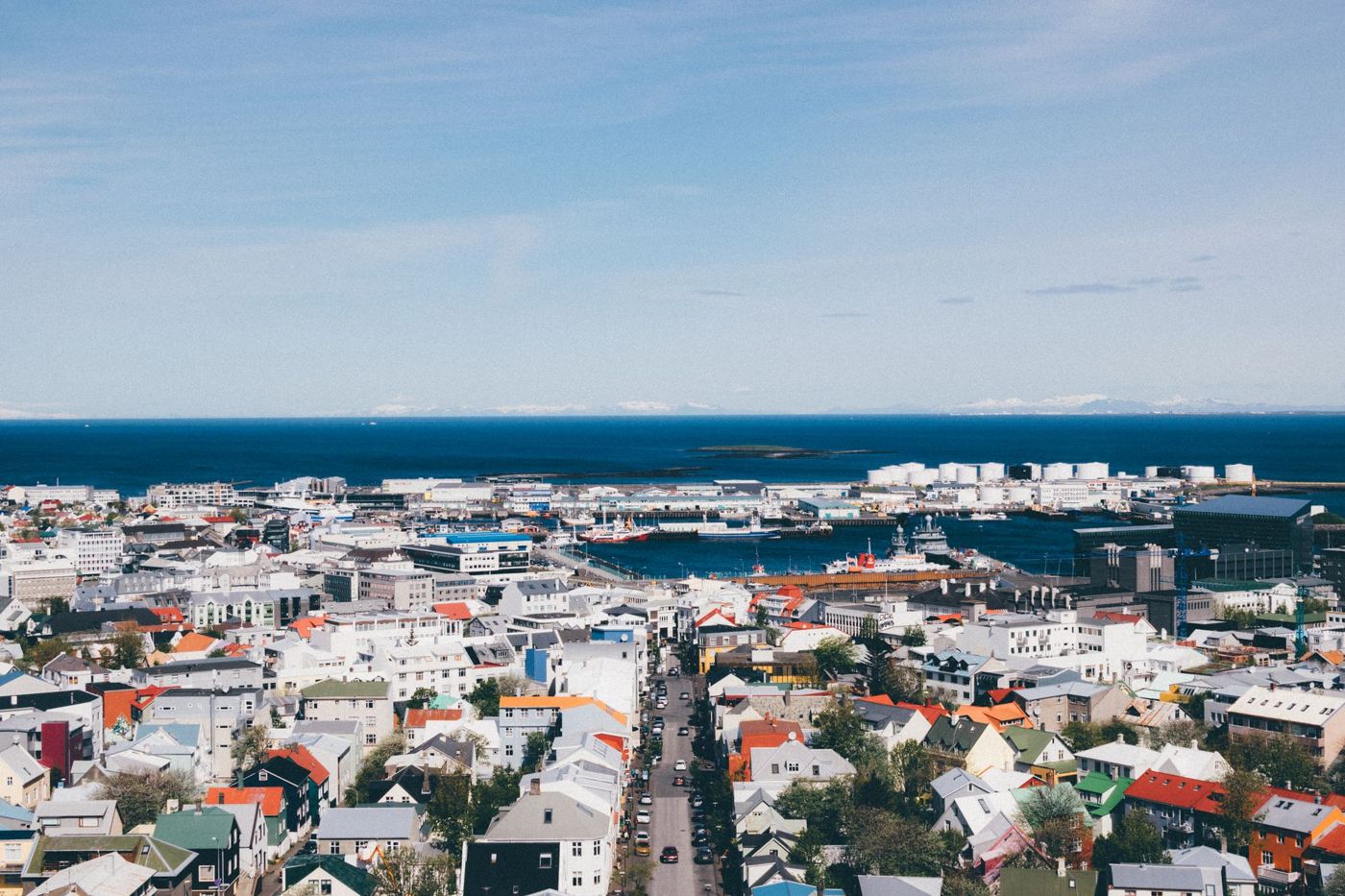
Reykjavik is a compound of two Icelandic words, and knowing what they mean makes the shape of the name easier to hold onto. The first part, "reykja", relates to smoke or steam, and the second, "vík", means a bay or cove. Together the name describes a smoking bay, a reference to the geothermal steam rising from the ground near the shoreline where the earliest settlement stood. Visitors who know this often find the name sticks better than one memorised as a string of unfamiliar sounds, because the two halves each carry a plain meaning rather than being arbitrary syllables. How do you pronounce Reykjavik is usually asked by someone who has already seen the word written down and wants to check it against what they hear locally, rather than someone starting from nothing. The two-word structure also explains why the stress falls where it does: the emphasis sits on the first syllable of each part rather than sliding evenly across the whole word. Other Icelandic place names follow the same pattern, built from plain descriptive words joined together, which is worth knowing before attempting names like Þingvellir or Jökulsárlón later in a trip. The city's name is not unusual by Icelandic standards; it is simply the first one most visitors have to say out loud.
Common questions
Is Reykjavik pronounced the way it looks in English?
No. Several letters carry sounds that do not match their English equivalents, particularly the "y", the "j" and the doubled "k".
Does stress fall on the first syllable?
Yes, broadly, since the name is built from two shorter words each stressed on its own first syllable.
Will locals understand an imperfect attempt?
Yes. An approximation that gets the rolled R, the shifted vowel and the soft "j" close is understood without difficulty.
Is the accented spelling, Reykjavik, required when writing to Icelanders?
It reflects the correct Icelandic spelling and is worth using when writing the name formally, though English text commonly drops the accent.