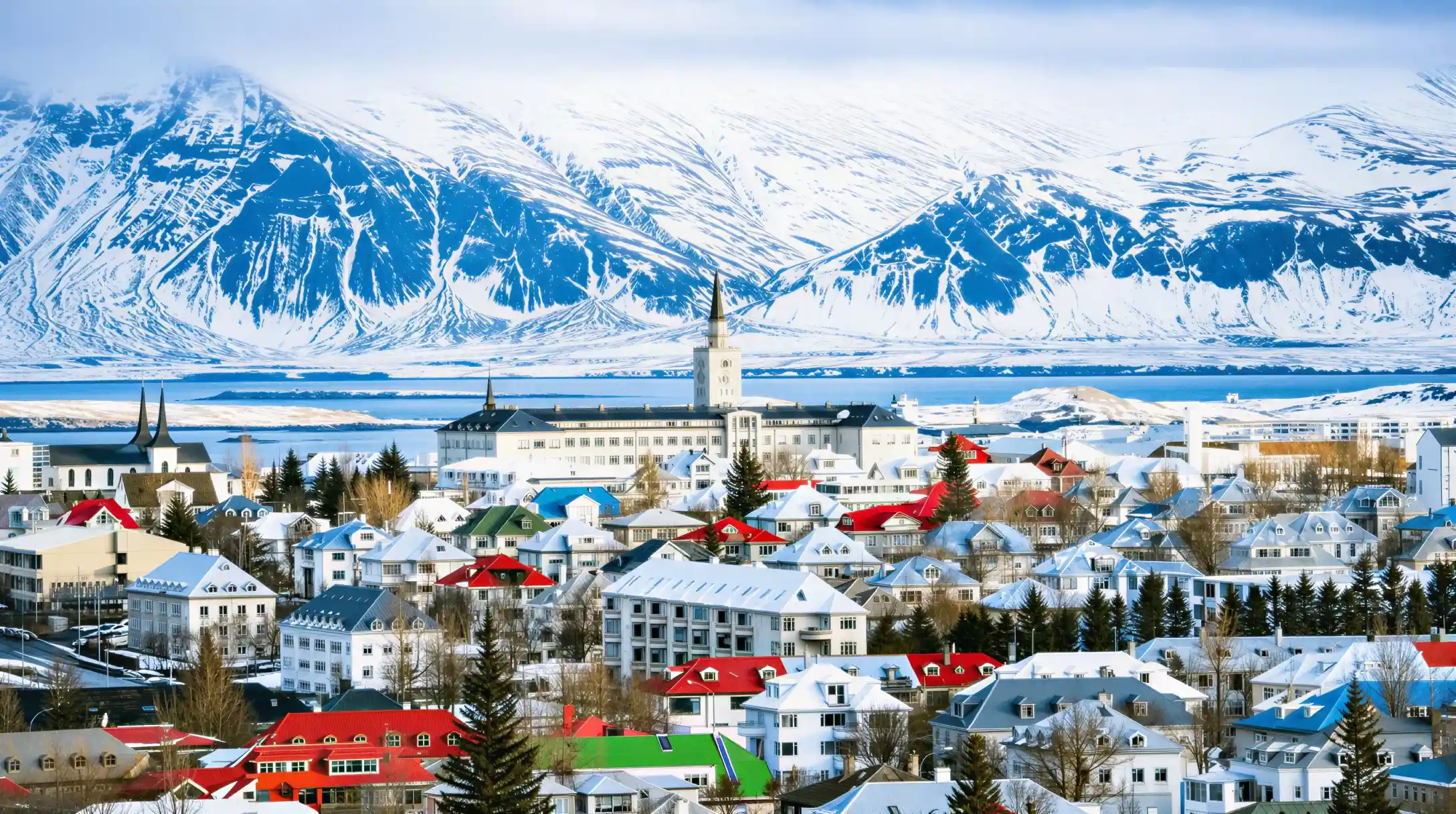
Packing for Reykjavik in February on the assumption that the worst of winter has passed by month two is the most common mistake in the planning. The average high is 3.3°C (38°F) and the average low is -1.9°C (28°F), both close to January's figures and colder than either November or March by the low. What changes is the light: sunrise moves noticeably earlier and sunset noticeably later across the month, handing back several hours of usable daylight compared with December and January. The cold has not broken, but the dark has, and that is the trade a February visit actually makes.
 Our pick
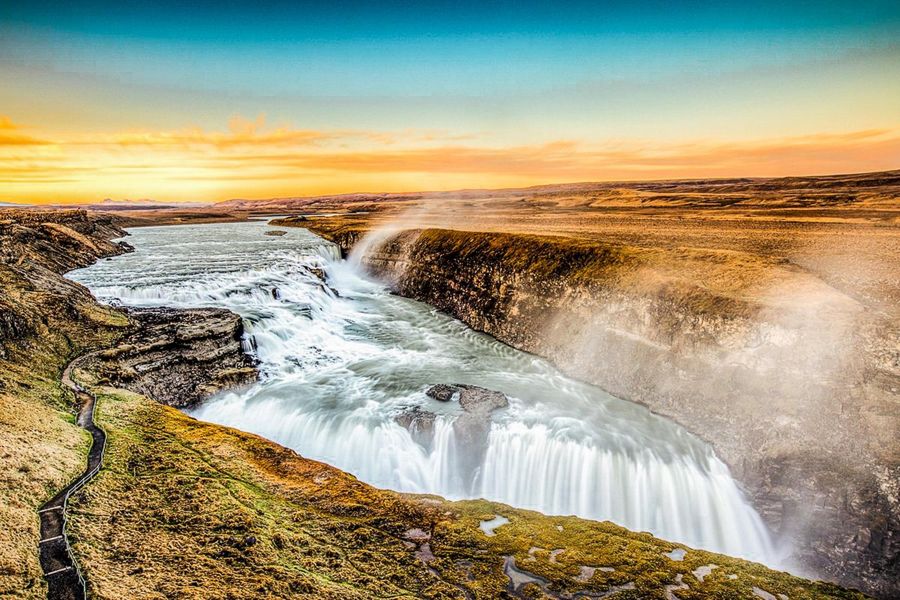
Reykjavik: Golden Circle Full-Day Tour with Kerid Crater
Full-day coach tour covering the Golden Circle route and Kerið crater
A first daylight outing that covers Þingvellir, Geysir and Gullfoss in one day
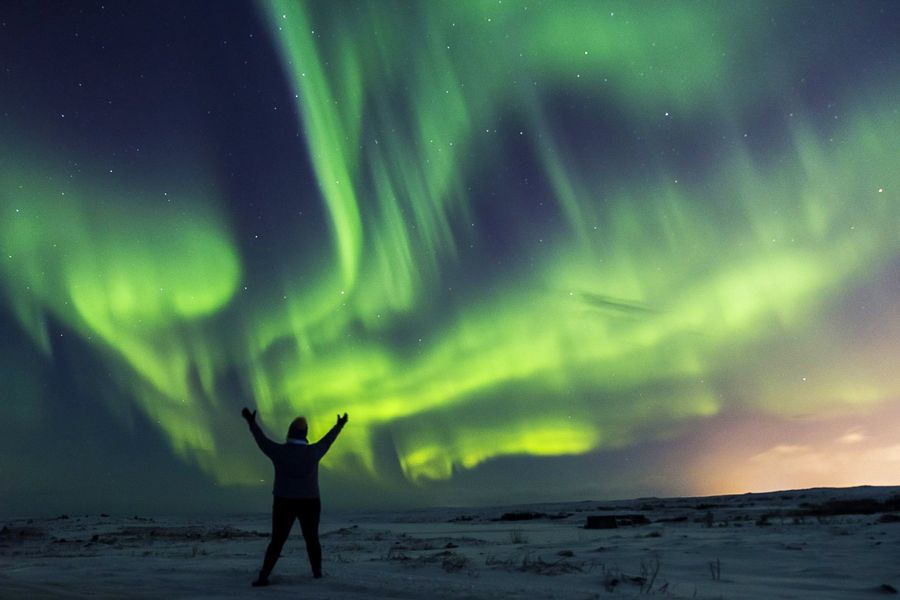
From Reykjavik: Northern Lights Bus Tour with Hot Cocoa
Evening coach departure from Reykjavik with a guide watching for aurora activity, hot cocoa included
Evenings when the skies are clear and the aurora season is active
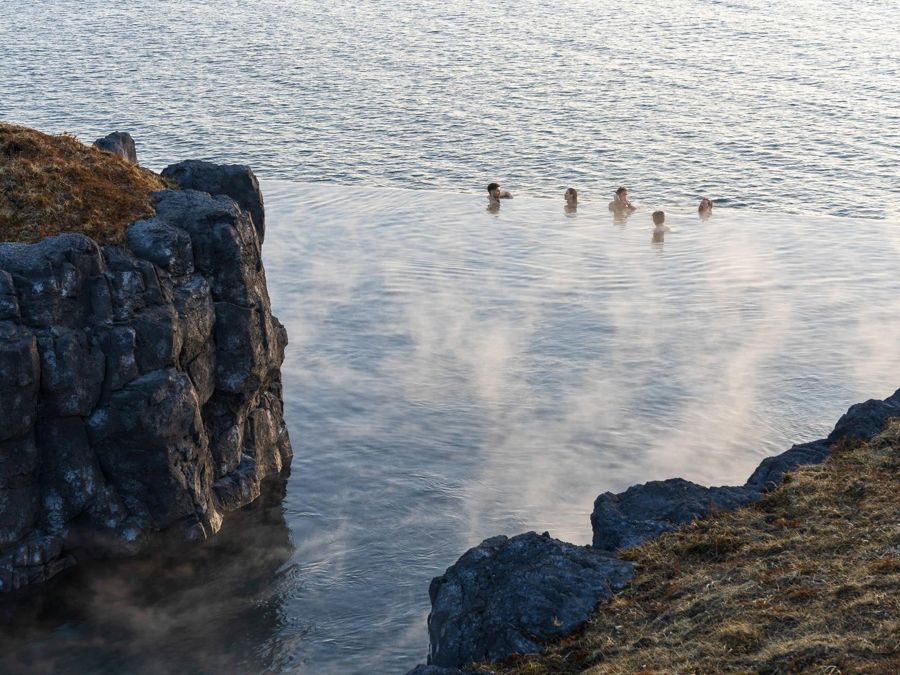
Reykjavik: Sky Lagoon Entrance Pass With 7-Step Spa Ritual
Entry to Sky Lagoon and the seven-step spa ritual
A warm, low-effort afternoon on a short-daylight day
The Numbers Behind a February Trip
Reykjavik weather february is often read off a single average and treated as a promise, when the Icelandic Meteorological Office normals behind that average cover a full month of swings. The 1991-2020 normal for the Reykjavik station puts the average high at 3.3°C (38°F) and the average low at -1.9°C (28°F), both taken from the standard climate baseline rather than any single year's readings.
Those two figures sit almost exactly where January's do: 3.2°C (38°F) by day and -1.7°C (29°F) by night. February is not a warmer month than January by the thermometer; it is close enough that packing for one means packing for the other. Layers that hold up against wind matter more than a jacket rated for a specific low, since the average conceals days on either side of it.
Rain, sleet and snow all show up in a Reykjavik February, and which one falls on a given day depends on temperature swinging either side of freezing within the same week. A coastal city at this latitude does not hold a single weather pattern for long, and the forecast a few days out is more useful than the monthly normal for deciding what to wear on a specific outing.
- Average high
- 3.3°C (38°F)
- Average low
- -1.9°C (28°F)
- Average high, January (comparison)
- 3.2°C (38°F)
- Average low, January (comparison)
- -1.7°C (29°F)
- Daylight, December solstice (comparison)
- 4.1 h
- Daylight, June solstice (comparison)
- 21.2 h
Planning Around the Cold and the Light
Reykjavik in february things to do gets answered differently depending on whether a visitor is chasing daylight hours or aurora darkness, and February is one of the few months that offers a real amount of both. Daylight lengthens fast across the month: the gap between the 4.1 hours around the December solstice and the 21.2 hours around the June solstice is closed steadily through late winter, and by late February the city has several times the light it had at Christmas.
That earlier sunrise and later sunset opens up more of the day for outdoor sightseeing than a December or January trip allows, without giving up the dark evening hours that make the aurora season worth planning around. The season itself runs from late August to mid-April and is bounded by darkness rather than by the aurora, so February sits well inside it on nights with a clear sky.
Snow and ice on pavements and roads outside the city are the part of a February plan that catches visitors from milder climates off guard. Footwear with real grip matters downtown, and any drive beyond Reykjavik should account for road conditions changing quickly; Vegagerðin publishes current conditions and closures for routes outside the city.
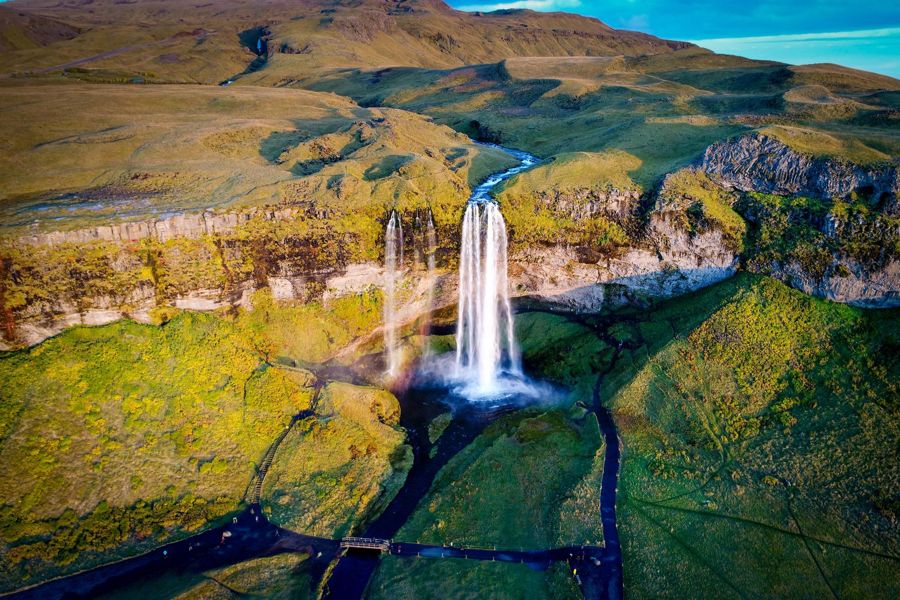
Sunrise, Sunset and How Fast It Changes
Reykjavik sunrise february 27 2026 falls close to the shortest local daytime that late February offers, and the clock time behind it explains why the month reads as brighter than January even though the temperature has not moved. Sunrise around this date is already well past the near-midday sunrise the city sees around the December solstice, and sunset is correspondingly later in the afternoon.
The shift is not gradual in the way a mid-latitude spring feels gradual. Reykjavik sits far enough north that day length changes by several minutes each day through February, and a visitor at the start of the month notices a visibly shorter day than one arriving at the end of it. Anyone timing an outdoor plan around usable light should treat early and late February as close to two different months.
This is also the stretch where a clear late afternoon can still carry a low sun for photography, something the depth of winter in December and January rarely offers at any hour.
Daylight Context
- Daylight, December solstice
- 4.1 h
- Daylight, June solstice
- 21.2 h
- Average precipitation, annual normal
- 875.9 mm
Getting Into the City
Arriving expecting a short hop from the airport to a hotel is the wrong assumption for a February trip as much as any other month. Keflavík International Airport (KEF) sits about 50 km (31 miles) southwest of the city, and the drive to downtown Reykjavik takes about 45 minutes by car or airport bus in normal conditions, longer if winter weather is moving through.
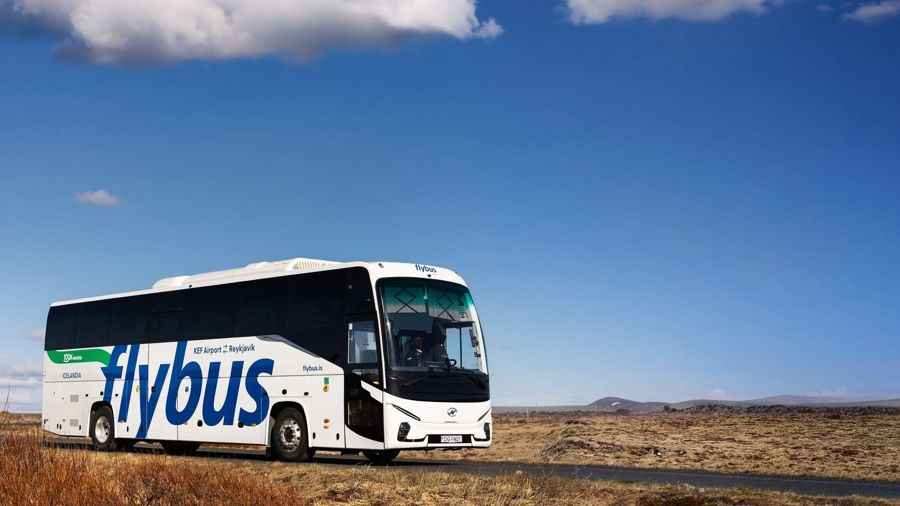
The Flybus one-way fare from Keflavík to Reykjavik is 3,999 ISK, with a return ticket priced at 7,298 ISK and a reduced fare for children aged 6 to 15. A fixed-rate taxi from Hreyfill runs 22,500 ISK for one to four passengers, or 29,250 ISK for five to eight, and a metered ride from another operator can come in lower depending on traffic and company. None of these fares assume ISK cash changes hands: Iceland runs on cards almost everywhere, and there is no reason to carry local currency for any of this.
Once in the city, a single Strætó bus fare is 690 ISK, valid 75 minutes including transfers, with reduced fares for ages 12 to 17 and 67 and over, and free travel for children 11 and under.
What Else a February Visit Involves
Entry rules are the same in February as any other month: US and UK passport holders travel visa-free for up to 90 days in any 180 under the Schengen rule, with a passport valid three months beyond departure. Iceland sits inside Schengen but outside the EU, a distinction worth keeping straight since the two are often assumed to be the same thing. ETIAS pre-travel authorisation is not yet in force as of this writing; the EU dropped its earlier launch target and 2027 is now the likelier year.
No eruption is currently active on the Reykjanes peninsula. The most recent one ran from 16 July to early August 2025, the ninth at Sundhnúkur since December 2023, and magma is still accumulating under Svartsengi. Grindavík and the Blue Lagoon remain open behind lava barriers, and the Blue Lagoon requires pre-booked, timed entry regardless of season.
Tipping is not expected in Iceland and service is generally included in the bill. The emergency number is 112, and the same number runs the app that ICE-SAR asks anyone heading outdoors to carry.
Common questions
Does it snow in Reykjavik in February?
Snow is common but not constant, since temperatures swing either side of freezing through the month. Rain and sleet fall on other days within the same week.
Is February colder than January in Reykjavik?
The two months are close. February's average high is 3.3°C (38°F) against January's 3.2°C (38°F), and February's average low of -1.9°C (28°F) is slightly colder than January's -1.7°C (29°F).
How many hours of daylight does Reykjavik get in February?
Daylight lengthens steadily across the month from a starting point well short of nine hours, moving toward the longer days of March, a sharp contrast with the 4.1 hours around the December solstice.
Is February a good month to see the northern lights in Reykjavik?
The aurora season runs from late August to mid-April, and February sits inside it with enough dark evening hours for a clear-sky sighting.
What should I pack for Reykjavik in February?
Layers built for wind and temperatures near freezing, waterproof footwear with real grip for icy pavements, and a European type F adapter for any American appliance.