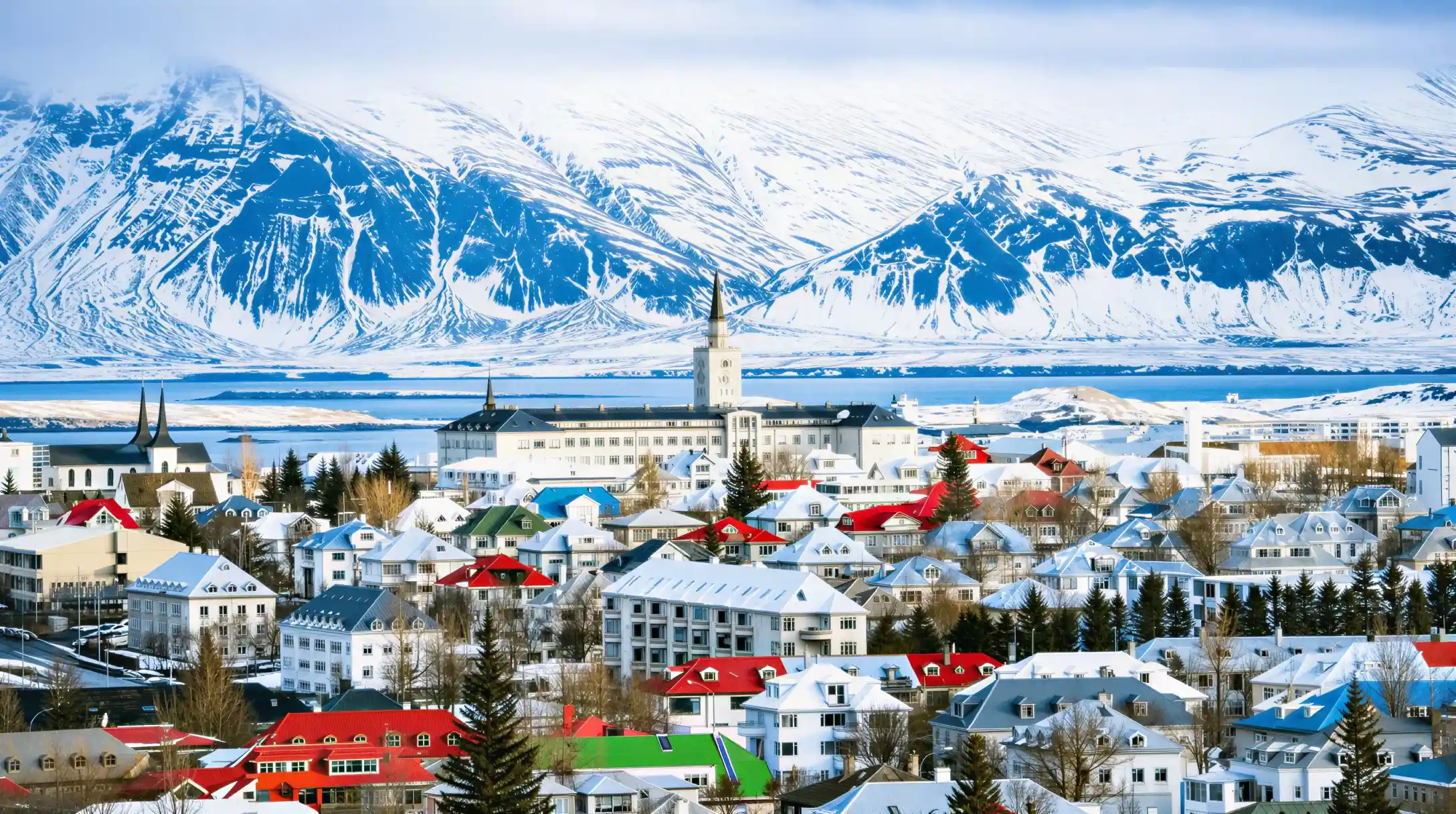
Packing for Reykjavik in September means guessing wrong in two directions at once: too many summer layers, not enough for a night outside watching the sky. The city holds onto mild days while its nights turn properly dark again for the first time since April, and that single change is what the month is built around. Daytime highs average 11.4°C (52.6°F) and nights cool to 6.2°C (43.2°F), a narrower spread than midsummer but still workable without full winter gear. What this page settles is what to expect from the temperature, the daylight and the roads, and what that combination is actually good for.
 Our pick
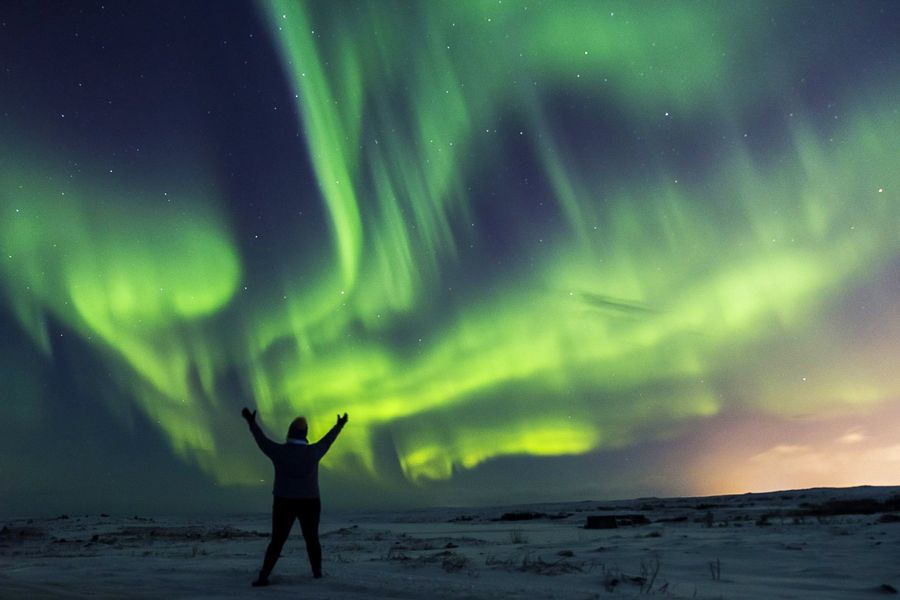
From Reykjavik: Northern Lights Bus Tour with Hot Cocoa
Guided bus tour departing Reykjavik, aurora viewing, hot cocoa
First-time aurora chasers who want a guide and a warm drink included
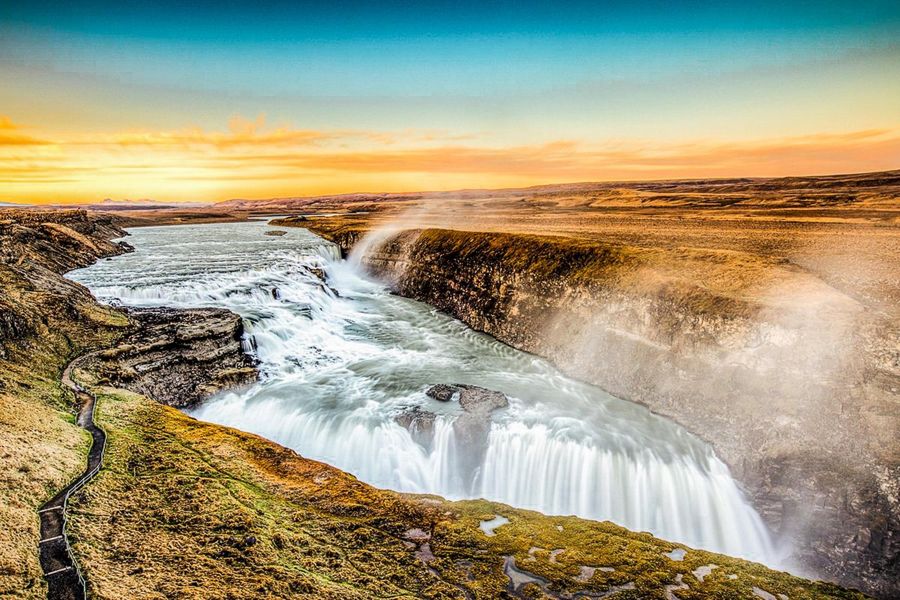
Reykjavik: Golden Circle Full-Day Tour with Kerid Crater
Full-day guided tour of Þingvellir, Geysir, Gullfoss and Kerið
Daytime sightseeing on the same trip as an evening aurora tour
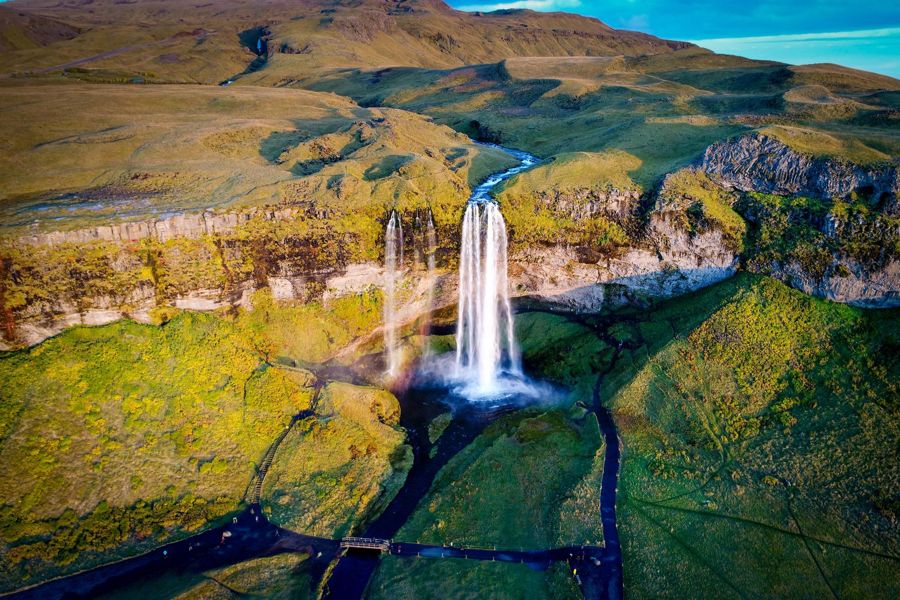
Reykjavik: South Coast Waterfalls, Black Sand & Glacier Tour
Full-day guided tour of south coast waterfalls, black sand beach and glacier viewpoint
Travelers who want the south coast covered before the F-roads close
What the numbers actually mean for a September trip
A reader planning around August's weather assumes September will be close behind it, and by temperature it is: the average high drops from 14.1°C (57.4°F) in August to 11.4°C (52.6°F) in September, a gentle step down rather than a cliff. What changes faster is the light, not the heat. Reykjavik weather september brings average lows of 6.2°C (43.2°F), still well above freezing, so layers rather than a heavy coat cover most days.
The bigger shift is daylight. By late September the nights are dark enough, for the first time since spring, for the aurora to become visible again, since the season is bounded by darkness rather than by the display itself. None of this means the sky performs on schedule. It means the conditions that block a sighting in June, the near-permanent daylight, are gone. Rain is a near-daily possibility rather than an exception, since the Reykjavik station's normal annual precipitation of 875.9 mm (34.5 in) is spread unevenly but rarely absent for long, so a forecast checked the morning of a trip matters more than a seasonal average.
Road access is the other piece a reader misjudges. September still falls inside the window Ferðafélag Íslands drives the Landmannalaugar route, which runs from about 20 June to 15 September in an average year, so the very start of the month can still catch it while the back half likely will not. Vegagerðin, not a tour operator, is the authority for whether an F-road is actually open on a given date, and that status is worth checking before booking anything that depends on it.
- Average high
- 11.4°C (52.6°F)
- Average low
- 6.2°C (43.2°F)
- August average high, for comparison
- 14.1°C (57.4°F)
- October average high, for comparison
- 7.6°C (45.7°F)
- Average annual precipitation (Reykjavik station)
- 875.9 mm (34.5 in)
Deciding what to book once the weather is clear
A traveler who plans things to do in Reykjavik in September around a single fixed evening for the aurora usually loses that evening to cloud cover, since a single night's odds depend on a clear sky as much as on the season being open at all. Spreading the trip across several nights, rather than pinning hopes on one, matches how the season actually behaves.
Daytime plans are less fragile. Golden Circle and south coast routes both run on paved, all-season roads, so an 11.4°C (52.6°F) afternoon supports a full day outdoors without the layering a January trip would need. Whale sailings run all year with a strong summer skew, so September still falls inside a workable window, though the puffin colonies that draw boats out in June and July have largely emptied by August and stay that way through the month. A traveler chasing puffins specifically in September is chasing a season that has already closed.
Evening plans need more caution than day plans. A cloudy forecast does not rule out clearing skies later, and an operator that cancels or reschedules for weather is following a real constraint, not being unhelpful. Building one flexible evening into a multi-night stay, rather than a single non-refundable booking, matches how the aurora actually shows up this time of year.
What to actually pack
A traveler used to European summer weather brings clothes for warmth and forgets that Reykjavik's weather changes within a single day rather than across a season. Waterproof layers matter more than heavy ones: the temperature swing between an 11.4°C (52.6°F) afternoon and a 6.2°C (43.2°F) evening is manageable with a mid-layer and a shell, while an unexpected shower without one ruins a day outdoors faster than the cold does.
Footwear is the item most visitors underpack for. Waterfalls, crater rims and lava fields are uneven and often wet underfoot regardless of the forecast that morning, so shoes with real grip matter more than their appearance. A warm hat and gloves are worth carrying even on a mild-looking day, since an evening spent standing still outside waiting for the sky to clear feels colder than a walking day at the same temperature.
Iceland uses Celsius and the metric system throughout, so a forecast in Fahrenheit is not something a visitor will find locally; converting the daily highs and lows in advance avoids confusion once there. Layers that can be added or removed cover more of the month's range than any single heavy coat would.
- Single Strætó bus fare
- 690 ISK
- Flybus one-way, KEF to Reykjavik
- 3,999 ISK
- Taxi, KEF to Reykjavik (1-4 passengers)
- 22,500 ISK
- Drive time, KEF to downtown
- 45 min
Getting from the airport into a September evening
A traveler landing at Keflavík late in the day and hoping for an aurora tour the same night misjudges how much of the evening the transfer itself takes. The drive from Keflavík Airport to downtown Reykjavik runs about 45 minutes by car or airport bus in normal conditions, but that figure assumes clear roads rather than a wet or windy September evening, and it does not include the time spent collecting luggage or reaching a hotel before heading back out.
The Flybus one-way fare from Keflavík to Reykjavik is 3,999 ISK, with a return ticket at 7,298 ISK and a reduced fare for children aged 6 to 15. A taxi from Hreyfill runs a fixed 22,500 ISK for one to four passengers, faster and simpler but far costlier than the bus for a solo traveler or a couple. Once in the city, a single Strætó bus fare costs 690 ISK, valid 75 minutes including transfers, which covers most short trips between a hotel and the city centre.
Booking an evening tour for the first night after a long flight is optimistic. Building in a day to adjust before committing to a late aurora departure leaves more energy for standing outside in September air waiting for the sky to clear.
Entry rules and safety worth checking before the trip
Americans and Britons need no visa for stays up to 90 days in any 180-day period, under the Schengen rule that Iceland shares with 28 other countries, though a passport valid at least three months beyond the departure date is expected and proof of onward travel can be requested. The US State Department's Iceland page and the UK FCDO's travel advice for Iceland are the two to check before departure, in that order, since they occasionally differ on details like driving and insurance.
Iceland runs on the króna and is close to cashless: cards and contactless work almost everywhere, and carrying ISK in cash is rarely necessary. A US or UK driving licence is valid for a visit, though rental insurance usually excludes sand and ash damage under the rental company's own terms, worth reading before signing for a car. Plugs are the European type F at 230V, so American appliances need an adapter.
The emergency number is 112, and the same number runs the app that ICE-SAR asks hikers to carry. Tipping is not expected anywhere, since service is already included in the price.
Common questions
Is September a good time to see the northern lights in Reykjavik?
Nights are dark enough by September for the aurora to be visible again, since the season is bounded by darkness rather than the display itself. A clear sky on a given night still is not guaranteed.
How cold does it get in Reykjavik in September?
Average highs run 11.4°C (52.6°F) and average lows 6.2°C (43.2°F), mild enough for layers rather than a heavy winter coat.
Are the highland roads still open in September?
Some are, briefly. Ferðafélag Íslands drives the Landmannalaugar route roughly 20 June to 15 September in an average year, so early September can catch it while later dates likely will not. Vegagerðin publishes the actual status.
Do I need a visa to visit Iceland from the US or UK?
No, stays up to 90 days in any 180-day period are visa-free under the Schengen rule, though a passport valid three months beyond departure is expected.
How much rain should I expect in September?
The Reykjavik station's normal annual precipitation is 875.9 mm (34.5 in), spread across the year rather than concentrated in any single month, so rain gear is worth packing regardless of the forecast.