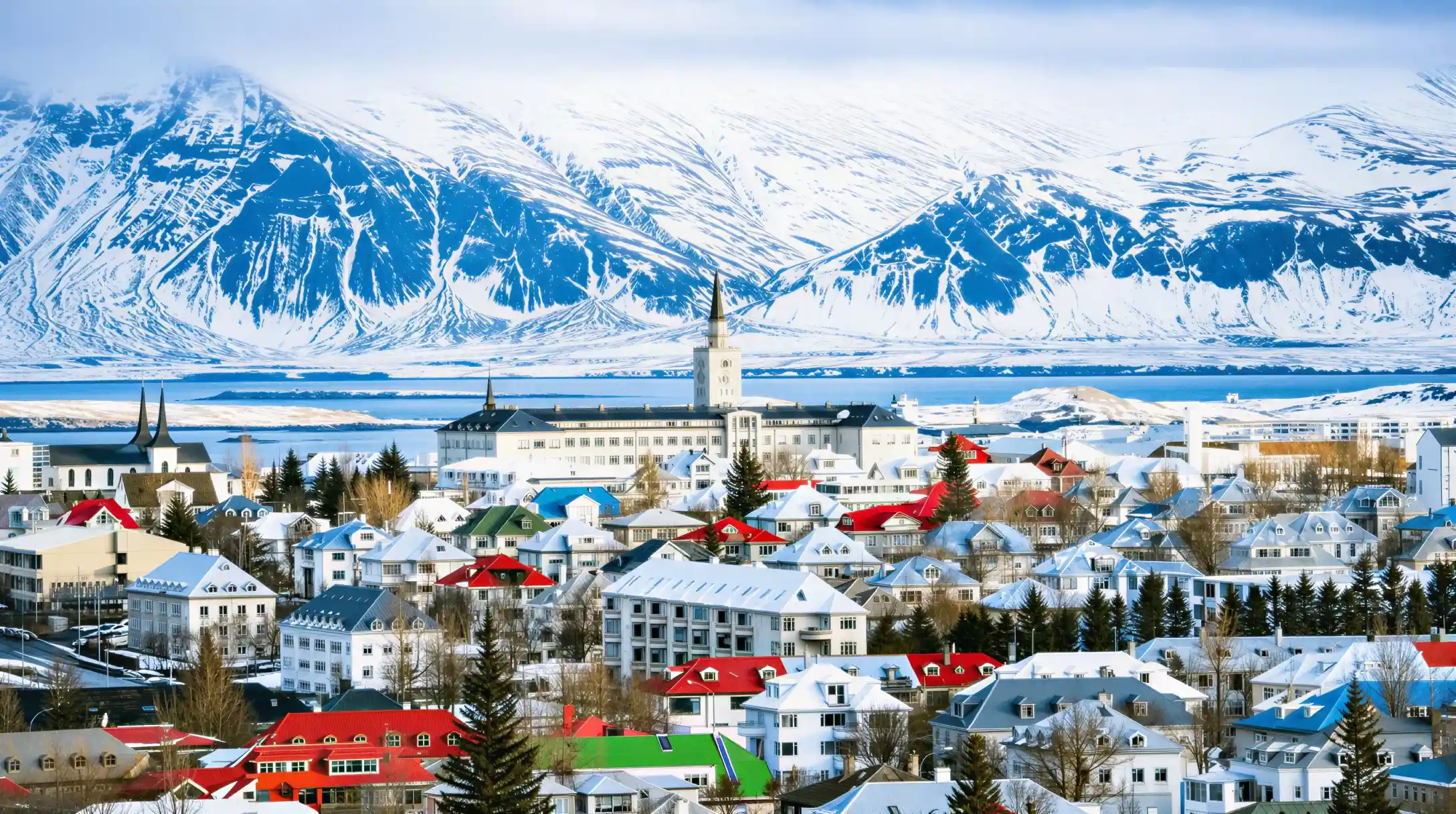
Packing for warmth is only half the problem. Reykjavik weather in january swings inside a narrow band, but a calm morning can turn to sideways sleet within an hour, and the wind chill does more damage than the thermometer suggests. The month sits at the coldest point of the year here, with short days and a real chance of ice on the pavements downtown. This page sets out what the average temperatures and daylight actually are, what that means for getting around the city, and which tours still run through it. None of it requires giving up on the trip; it requires dressing and planning for the actual conditions rather than a generic idea of a Nordic winter.
 Our pick
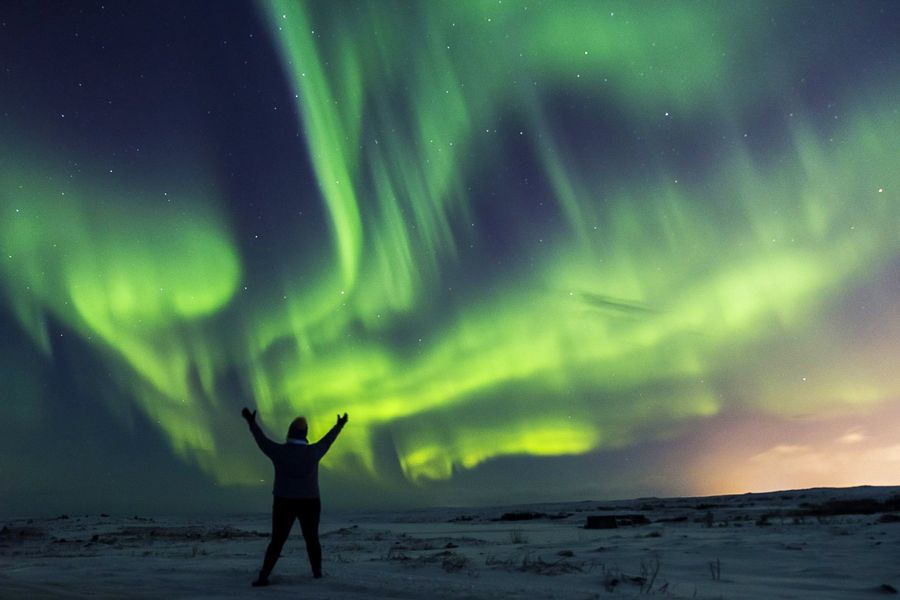
From Reykjavik: Northern Lights Bus Tour with Hot Cocoa
Bus tour from Reykjavik with hot cocoa, guide, and northern lights viewing stops
Evening visitors chasing the aurora without driving themselves
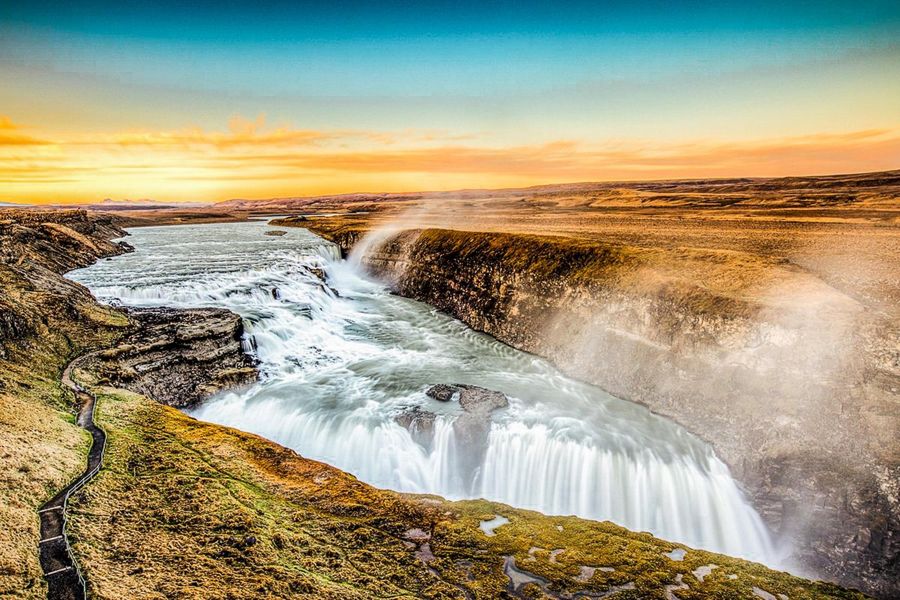
Reykjavik: Golden Circle Full-Day Tour with Kerid Crater
Full-day guided tour to Thingvellir, Geysir, Gullfoss and Kerid crater
Daylight hours spent covering the Golden Circle in one trip
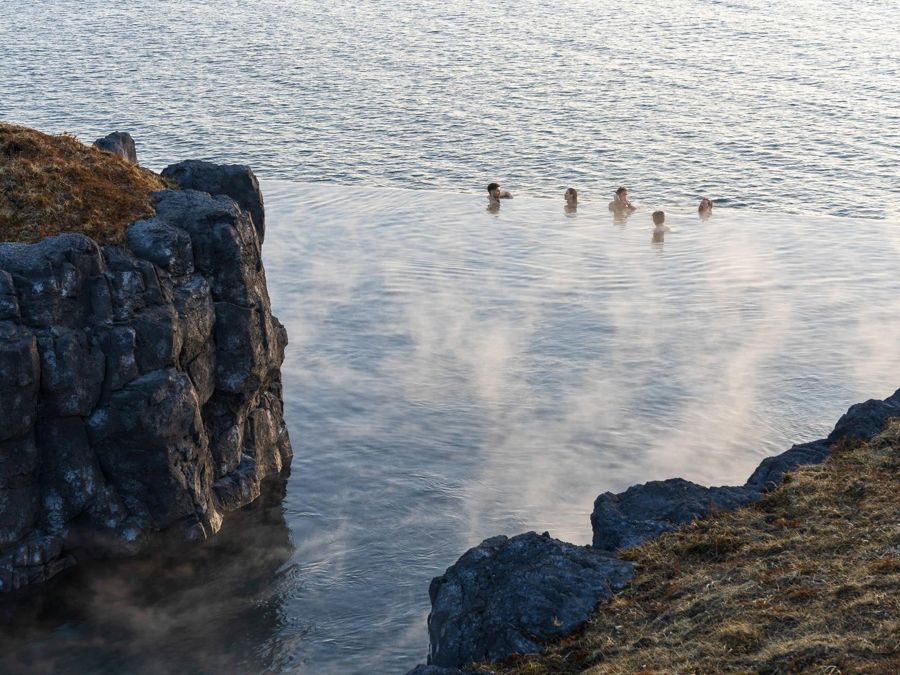
Reykjavik: Sky Lagoon Entrance Pass With 7-Step Spa Ritual
Entry to Sky Lagoon and the 7-step spa ritual
Warming up outdoors in geothermal water after a cold day
What January actually feels like
Visitors expect Reykjavik in January to be brutally cold, on a par with the interior of Scandinavia or the American Midwest in deep winter. It is not. The average high sits at 3.2C (37.8F) and the average low at -1.7C (28.9F), figures set out by the Icelandic Meteorological Office for the Reykjavik station. The city sits close enough to the coast, and to the warmth the Gulf Stream carries north, that January rarely produces the kind of hard, prolonged freeze that a similar latitude further inland would. What does the damage is not the raw temperature but the wind: gusts off the North Atlantic can make a morning at 1C feel far colder than the number implies, and forecasts change quickly.
The bigger adjustment is not the cold but the wet and the changeable. January brings a mix of rain, sleet and snow rather than a settled blanket of white, and days rarely pass without at least a shift in the sky. Streets that were dry at breakfast can carry a layer of ice by mid-morning once slush refreezes, and this is the detail most itineraries built from a packing list miss: the risk downtown is underfoot, not overhead. Waterproof boots with real tread matter more here than a heavier coat. Reykjavik's hills and its stone and cobbled stretches are the parts of the city where that ice sits longest, since they get the least sun even during the brief hours the sky offers one.
| Month | Average high | Average low |
|---|---|---|
| January | 3.2 C (37.8 F) | -1.7 C (28.9 F) |
| December | 3.3 C (37.9 F) | -1.6 C (28.9 F) |
- Average high
- 3.2 C (37.8 F)
- Average low
- -1.7 C (28.9 F)
- Average high
- 3.3 C (37.9 F)
- Average low
- -1.6 C (28.9 F)
Where to spend the short days
Travellers assume a January trip has to be built entirely around the aurora forecast, with everything else filling in gaps between clear nights. Daylight is genuinely short this close to the winter solstice, running to about 4.1 hours around 21 December, and January stays close to that low point before days begin lengthening again through February. That leaves a narrow window of usable light each day, roughly mid-morning to mid-afternoon, and it changes how a visit has to be paced rather than how much there is to do.
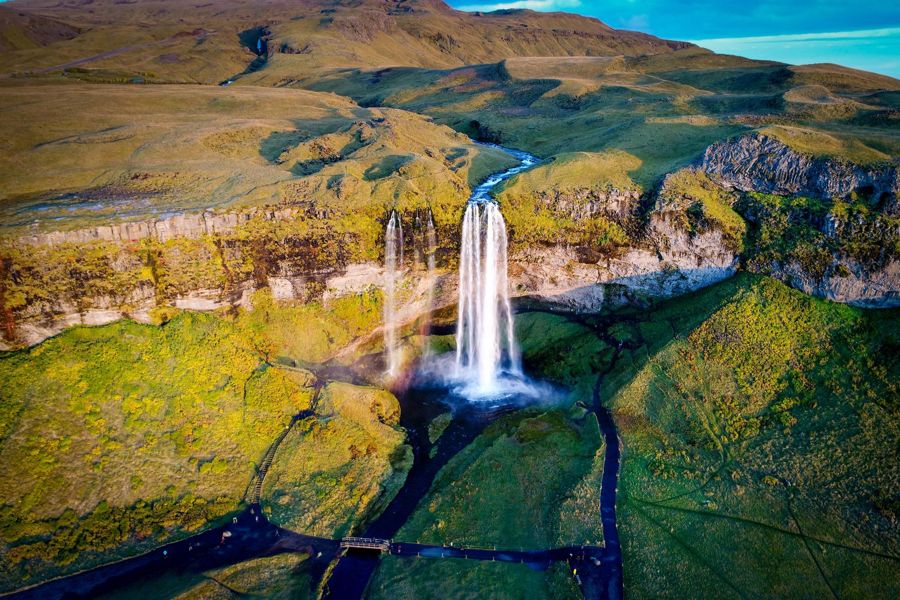
Most of the things to do in Reykjavik in January sit indoors or close to it by design, not as a fallback. The geothermal pools and lagoons run through the winter regardless of the weather outside, since the water itself stays warm, and a swim under falling snow is one of the more distinctive things a January visit offers. Museums, galleries and Hallgrimskirkja's nave are all open on their winter hours and make sensible use of the dark mid-afternoon stretch when outdoor light has already gone. Daytime tours that head out of the city, toward the Golden Circle or the south coast, are built around the same short window and tend to leave earlier in the morning than their summer equivalents to make full use of it.
Getting the timing right
Visitors often plan a single night for the northern lights and treat everything else as backup. The aurora season runs from late August to mid-April, and January sits close to its middle, with the long nights giving more dark hours to watch than either edge of that season offers. What to do in Reykjavik in January if the sky stays overcast, which it often does, is plan more than one evening for it rather than one, since a clear window can appear on short notice and disappear just as fast. A bus tour that repositions away from the city's own light pollution improves the odds more than staying downtown and hoping.
The cold itself rarely cancels plans, but wind and heavy snow do close roads and delay tours, particularly routes that leave the capital region. Checking the operator's own notice on the morning of a booked tour is more useful than checking a forecast from days before, since conditions here shift within hours rather than days. Layering matters more than any single heavy item: a windproof outer shell over a warm mid-layer holds up better through a day that moves between drizzle, wind and brief sun than one thick coat.
- Average high
- 3.2 C (37.8 F)
- Average low
- -1.7 C (28.9 F)
- Daylight near solstice
- 4.1 h
- Single Straeto bus fare
- 690 ISK
Getting around in the cold
Visitors renting a car for a January trip often plan a route the way they would in summer, without accounting for how much slower winter driving is here. A US or UK driving licence is valid for a visit, but the conditions that matter are the weather and the state of the roads rather than the licence itself, and a rental's insurance usually excludes damage from sand and ash carried on the wind. Anyone unsure about winter driving has a straightforward alternative in the city's own bus network and in guided tours that handle the roads themselves.
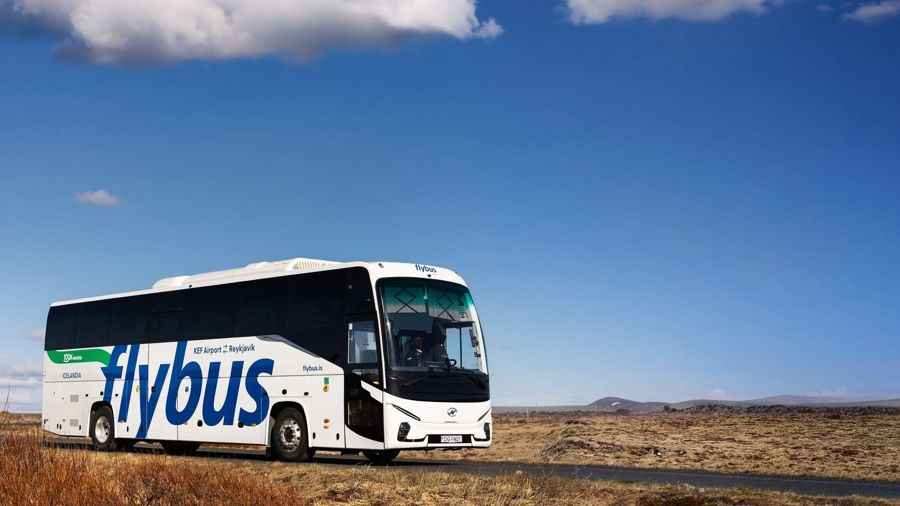
Getting from Keflavik Airport into the city takes about 45 minutes by car or airport bus in normal conditions, though winter weather can stretch that. The Flybus runs a one-way fare from 3,999 ISK, a taxi from Hreyfill runs a fixed 22,500 ISK for one to four passengers, and within the city a single Straeto bus fare is 690 ISK. None of these depend on daylight, which makes them the more reliable choice on a short January day when losing an hour to slow roads eats into the little usable light there is.
What to pack and expect
Visitors from the US or the UK often pack for the temperature on the label and end up cold anyway, because Reykjavik's January weather punishes gaps rather than mild averages. A waterproof, windproof outer layer beats a single heavy coat, and boots with real grip matter as much as warmth once ice sets in on pavements and steps. Iceland runs on European type F plugs at 230V, so American appliances need an adapter and often a converter, worth sorting before departure rather than after arrival.
Entry itself is straightforward: US and UK citizens need no visa for stays up to 90 days in any 180 under the Schengen rules, though passports should be valid at least three months beyond the departure date, a point confirmed by both the US State Department and the UK Foreign, Commonwealth and Development Office. Iceland runs on cards and contactless payment almost everywhere, so carrying ISK in cash is not necessary, though unmanned petrol pumps need a card with a PIN. Tipping is not expected, since service is already included in the price.
Common questions
Is Reykjavik very cold in January?
Not as cold as the latitude suggests. The average high is 3.2C (37.8F) and the average low is -1.7C (28.9F), figures set by the Icelandic Meteorological Office, with wind chill doing more than the raw temperature to make a day feel colder.
How many hours of daylight does Reykjavik get in January?
January sits close to the winter solstice figure of about 4.1 hours of daylight, with the sky brightening slightly as the month moves toward February.
Are the northern lights visible in January?
January sits near the middle of the aurora season, which runs from late August to mid-April, and the long nights give more dark hours to watch than either end of that season, though clear skies are never guaranteed on any single night.
Is it safe to walk around Reykjavik in January?
Streets and steps can ice over once slush refreezes, particularly on hills and shaded stone or cobbled stretches, so boots with real tread matter more than a heavier coat.
Do tours still run in January?
Most tours run through January, including day trips to the Golden Circle and the south coast, though operators can delay or reroute a tour around heavy snow or high wind, so checking the operator's own notice on the day is worth more than an older forecast.