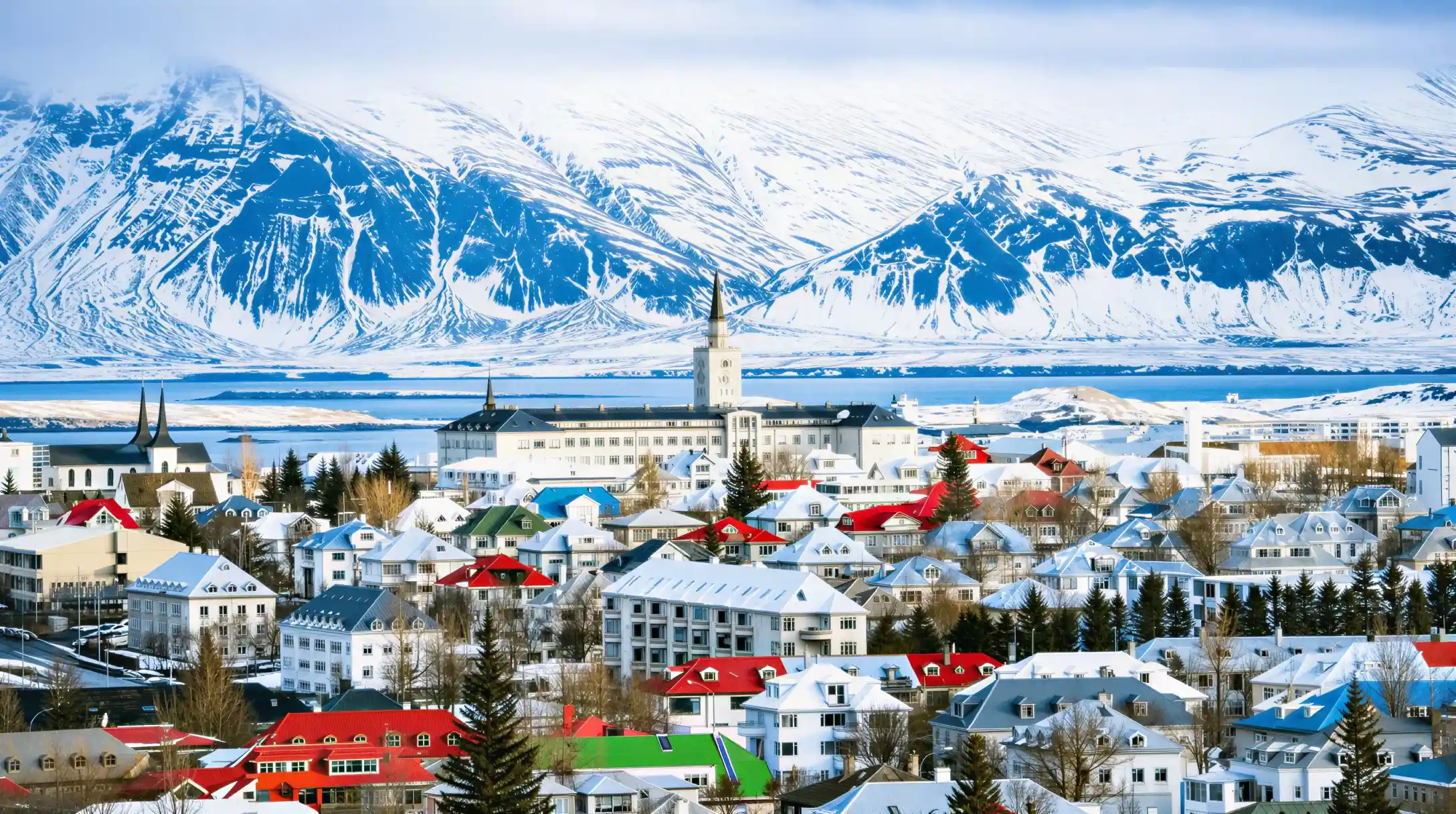
Reykjavik's city centre costs very little to walk through, but the list of free things to do in Reykjavik gets shorter the moment a car is involved. Harpa, the churches, the harbour and most of downtown ask nothing at the door. The sights that made Iceland famous, from Gullfoss to Skogafoss, sit an hour or more outside the city, and several of them now charge for parking even though the waterfall itself is still free to look at. This page separates what is genuinely free in Reykjavik from what only used to be.
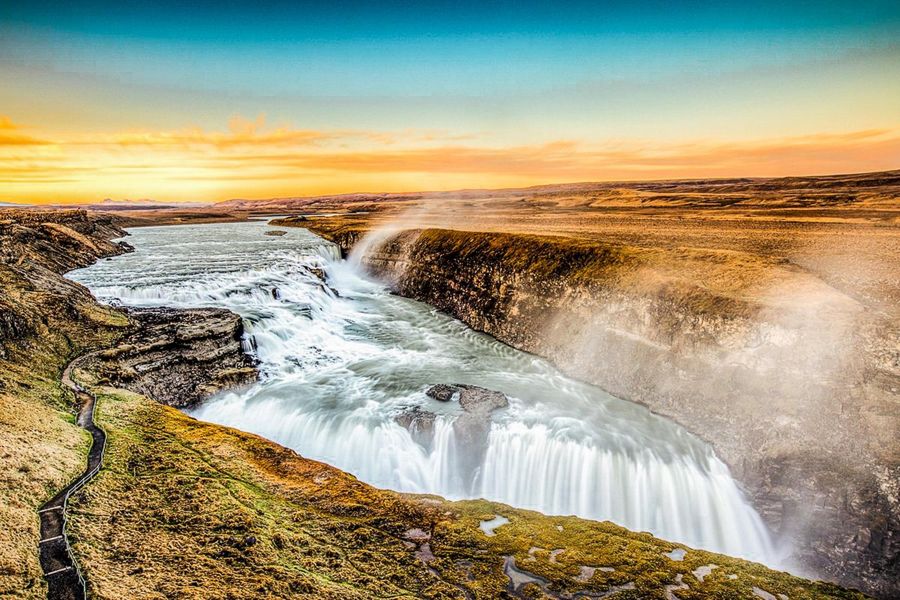 Our pick
Reykjavik: Golden Circle Full-Day Tour with Kerid Crater
Thingvellir, Geysir, Gullfoss and Kerid crater on one full-day route
Readers who want the paid and unpaid Golden Circle stops covered in one trip
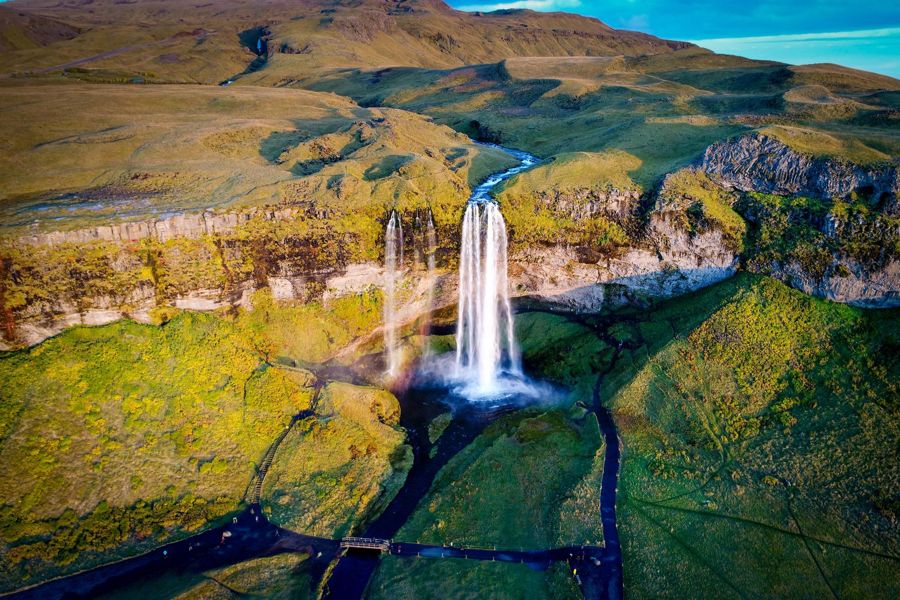
Reykjavik: South Coast Waterfalls, Black Sand & Glacier Tour
Skogafoss, Seljalandsfoss and the black sand coast on a guided day route
Readers who would rather not drive to the paid parking at Skogafoss and Seljalandsfoss themselves
The city centre free, the day trips less so
A reader planning around Reykjavik alone can fill a day without spending anything on entry. Harpa's concert hall is free to walk into, look around and photograph, with no ticket required for the lobby and the harbour-facing glass front. Hallgrimskirkja's nave is free to enter, the tower charges. The harbour path, Laugavegur's shopping street and the geothermal steam vents around Grjotathorp cost nothing to see on foot.
A shortlist of a top ten free things to do in Reykjavik usually reads well until the writer gets to the day trips, because the entries billed as free are frequently free only to look at, not to park at. Gullfoss is the exception worth naming directly: it is still free to park at, unlike the other headline stops on the same route. The Icelandic Meteorological Office is the reference for anything about the roads or weather that changes those plans on short notice.
Among the free things in Reykjavik itself, the National Museum and several smaller galleries waive admission on certain days, and the city's outdoor sculpture walk along the shoreline is unticketed at any time of year.
| Site | Parking fee |
|---|---|
| Þingvellir | 1,000 ISK |
| Geysir | 1,000 ISK |
| Skógafoss | 1,000 ISK |
| Seljalandsfoss | 900 ISK |
| Sólheimajökull | 750 ISK |
| Gullfoss | Free |
- Parking fee
- 1,000 ISK
- Parking fee
- 1,000 ISK
- Parking fee
- 1,000 ISK
- Parking fee
- 900 ISK
- Parking fee
- 750 ISK
- Parking fee
- Free
Where the free label stops applying
Most guides to sightseeing on a budget in Reykjavik list Thingvellir, Geysir and the south coast waterfalls as free stops on a day out, and that was true until parking fees were added at each of them: 1,000 ISK at Thingvellir, 1,000 ISK at Geysir, and 1,000 ISK at Skogafoss from the new car park about 500 metres (1,640 ft) out. Seljalandsfoss charges 900 ISK to park and Solheimajokull 750 ISK, so a single day covering all four adds several thousand ISK before anything else is spent.
None of this makes the sights themselves paid attractions. The waterfall, the geyser and the national park are still free to view; only the car park has a price now. Someone arriving by tour bus rather than a rented car pays none of these fees directly, since the fee is charged per vehicle at the gate.
What to do in Reykjavik for free without a car comes down to the city centre list: Harpa, the churches' naves, the harbour, the shoreline sculpture walk and the free museum days. The Vegagerðin road authority publishes current road and route conditions for anyone driving out to the paid car parks instead.
Mixing free stops with the paid ones nearby
A day built around free and cheap things to do in Reykjavik does not need to avoid the paid sights entirely, since several of the region's best-known stops sit close enough together that only one parking fee applies for a whole cluster. Kerid crater charges 700 ISK flat to walk in, with no child or senior rate, and no published opening hours beyond being open in daylight. That fee sits on the same Golden Circle route as the free-to-view, paid-to-park Thingvellir and Geysir.
Reading the two lists side by side matters more than treating either as complete. A sight can be free to enter and still cost money to reach by car, and a sight that charges at the gate, like Kerid, is a genuinely paid stop rather than a free one with an added fee. Confusing the two is the most common budgeting mistake on a Golden Circle day.
The US State Department's Iceland page and the UK FCDO's Iceland travel advice are the reference points for entry rules and any driving advisories that affect a self-driven day out to these sites.
Building a free-first itinerary
A list of the best free things to do in Reykjavik works better arranged by neighbourhood than by rank, since the free sights cluster downtown and around the harbour rather than scattered across the city. Harpa, the shoreline path, Hallgrimskirkja's nave and Laugavegur can all be covered on foot in a single loop without a car or a bus ticket.
Outside the city, the honest version of a top free things to do in Reykjavik list has to include the parking fees alongside the sights, because leaving them off is what makes so many older guides read wrong today. Gullfoss stands out precisely because it has not followed the others onto a paid car park, and a reader building a day trip around free entry should weigh that when choosing which waterfalls to prioritise.
Whale watching and the Sky Lagoon are not free, but they sit close enough to the free city-centre list that a single day can combine both without much extra travel time.
What a free day actually looks like
Asked plainly, what can you do for free in Reykjavik comes down to walking: the harbour, the churches' naves, Harpa's lobby and glass front, the shoreline sculpture walk and Laugavegur's shopfronts and street art. None of it needs a booking or a ticket, and none of it is affected by the parking fees charged out at Thingvellir, Geysir or the south coast.
The gap between a free city day and a free day trip is the car park, not the sight. A reader who plans to stay inside Reykjavik spends nothing on entry fees at all; a reader driving out to the Golden Circle or the south coast should budget for parking at every stop except Gullfoss, and for the flat entry fee at Kerid if that crater is on the route.
Public buses run between the city and several of these sites, and a fare replaces the parking fee rather than adding to it. Straeto publishes current routes and fares for anyone planning to reach the free sights without a rental car.
Common questions
Is Reykjavik itself free to explore?
The city centre costs nothing to walk through. Harpa's lobby, the harbour, church naves and the shoreline path are all free to enter, though ticketed attractions like church towers and museums still charge.
Which Golden Circle stop is still free to park at?
Gullfoss. Thingvellir, Geysir, Skogafoss, Seljalandsfoss and Solheimajokull all now charge a parking fee even though the sights themselves remain free to view.
Does Kerid crater charge an entry fee?
Yes, a flat 700 ISK to walk in, with no discount for children or seniors and no published fixed opening hours.
Is Harpa free to visit?
Yes. Entry to Harpa's public lobby and glass-fronted concert hall building is free, with no ticket required to walk in and look around.