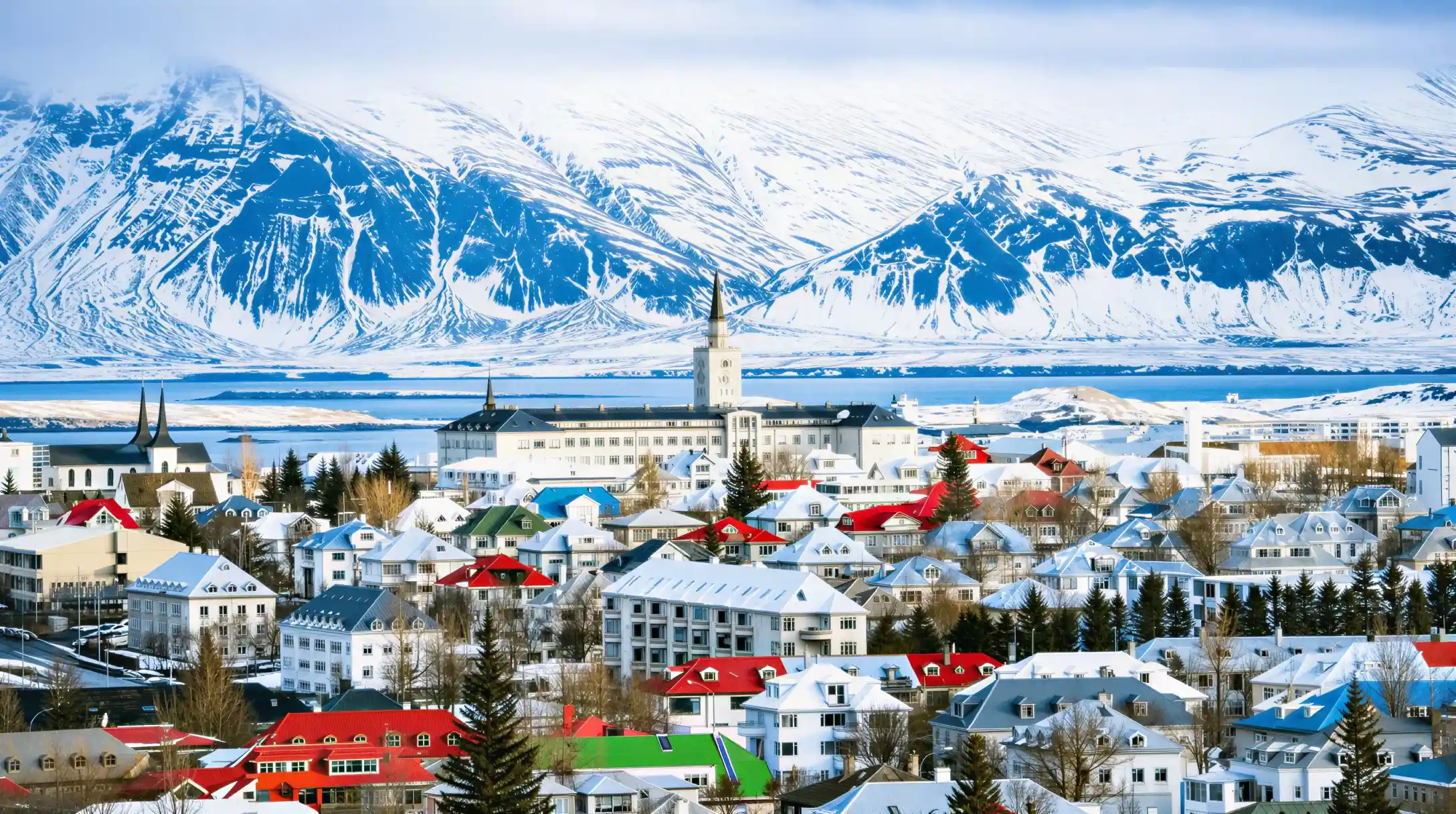
Most travellers guess at Reykjavik's size before they land, and the guess is usually wrong in both directions: too small a village in the mind, or too large a capital. The city proper holds around 140,000 people, and the wider capital region, which includes Kópavogur, Hafnarfjörður and the neighbouring towns, holds around 240,000, a majority of Iceland's population of roughly 400,000 (Statistics Iceland). The municipality covers about 274.5 square kilometres (106 square miles). None of that is a large city by American or British standards, and the figures below fill in the rest: how old the settlement is, what the climate does across a year, and how far daylight swings between June and December.
See it for yourself
 Our pick
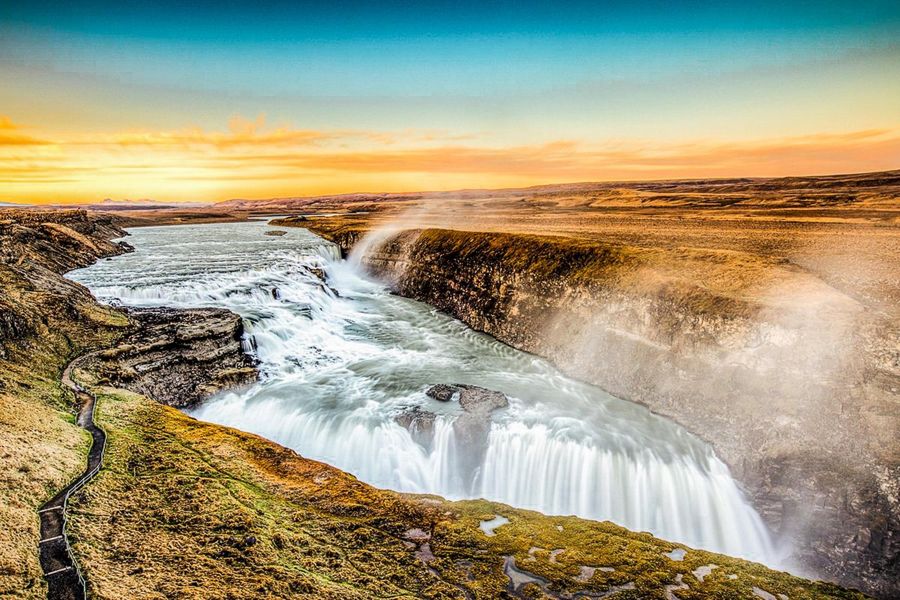
Golden Circle Full-Day Tour with Kerid Crater
4.76/5 (26,671 reviews) · Þingvellir, Geysir, Gullfoss and Kerið in one day, coach transport · First-time visitors wanting the classic route in a single outing
4.76/5 (26,671 reviews) · Þingvellir, Geysir, Gullfoss and Kerið in one day, coach transport · First-time visitors wanting the classic route in a single outing
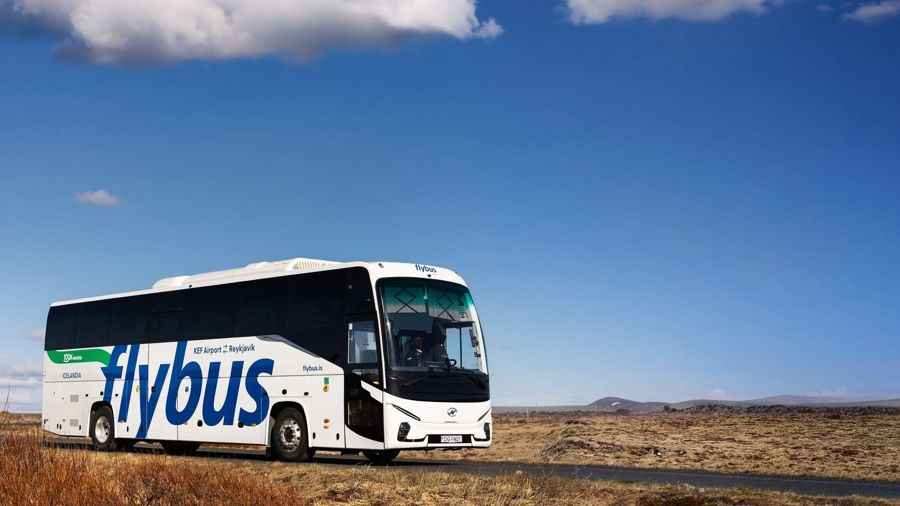
Keflavik Airport (KEF) Bus Transfer to/from Reykjavik
4.66/5 (20,988 reviews) · Scheduled coach between the airport and the city · Travellers arriving or leaving without a rental car
4.66/5 (20,988 reviews) · Scheduled coach between the airport and the city · Travellers arriving or leaving without a rental car
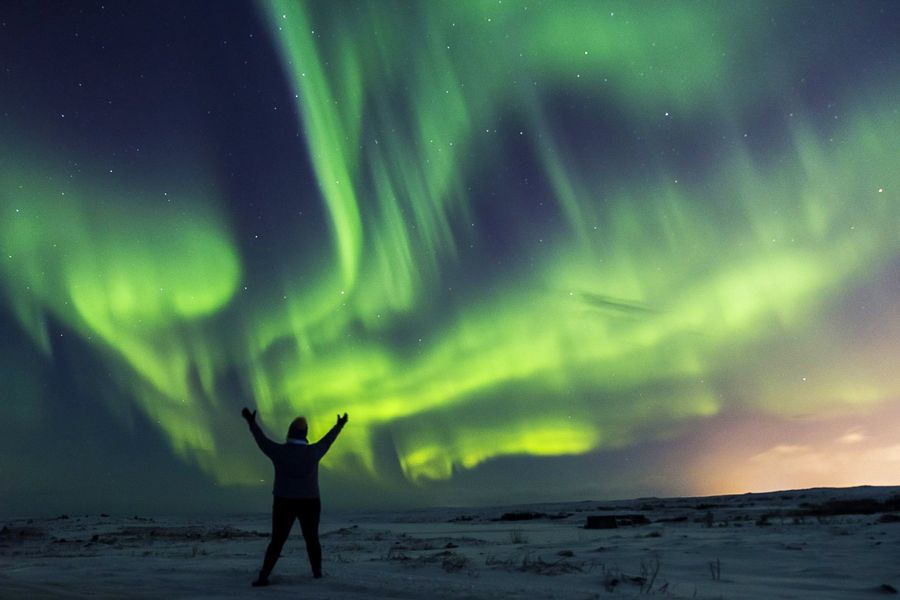
Northern Lights Bus Tour with Hot Cocoa
4.27/5 (14,847 reviews) · Evening coach drive away from city lights, hot cocoa · Visitors in Reykjavik between late August and mid-April
4.27/5 (14,847 reviews) · Evening coach drive away from city lights, hot cocoa · Visitors in Reykjavik between late August and mid-April
When the city began, and how
Reykjavik's founding is usually flattened into a single legend, the settler Ingólfur Arnarson throwing his high-seat pillars overboard and building where they washed ashore. The date attached to that story is 874 CE, and it is the traditional founding date for Iceland's first permanent Norse settlement rather than a recorded, documented one; Wikipedia and Icelandic sources both carry it as the accepted tradition rather than an archaeological certainty. What is documented is later and more municipal: Reykjavik was granted status as a trading town in 1786, and it became a city with its own charter in 1908. The name itself means "smoky bay," a reference to the geothermal steam early settlers saw rising from the ground, the same geothermal activity that now heats the city's water and buildings rather than burning fuel for it.
The population climbed slowly for most of that span. Iceland was a rural, fishing-dependent society into the twentieth century, and Reykjavik's growth into a capital of size is a modern story, concentrated in the decades after the Second World War. Today's population figures sit in Statistics Iceland's registers and are updated regularly rather than fixed, which is why any number printed here carries a date rather than standing as permanent.
The climate and the daylight, across a year
Visitors expecting Reykjavik's weather to track its northern latitude are usually surprised at how mild it runs. The North Atlantic Current keeps winters from the extremes a similar latitude would suggest elsewhere; average temperatures in Reykjavik sit close to freezing in the coldest winter months and rise into the low teens Celsius (roughly 50s Fahrenheit) at the height of summer, with cool, changeable conditions the norm in both seasons. Rain and wind are more consistent features of the climate than deep cold.
Daylight is the number that actually shifts a trip's plans, and it moves further here than most travellers expect. Reykjavik gets about 21.2 hours of daylight in June and only about 4.1 hours in December (Icelandic Meteorological Office, en.vedur.is). That swing is a function of latitude, 64.15°N, close to but not inside the Arctic Circle at 66.56°N, which is why the city gets long twilight rather than a true midnight sun in summer. A June visit means daylight for nearly the whole trip; a December one means planning around a short window in the middle of the day.
Common questions
Is Reykjavik the northernmost capital in the world?
Yes, it is the northernmost capital city of a sovereign state, sitting at 64.15°N.
Why does Reykjavik smell like sulphur sometimes?
The hot water tap draws on geothermal water, which carries a sulphur smell; the cold tap is glacial water and does not carry it.
Does Reykjavik really have no mosquitoes?
Iceland is one of the very few places with no native mosquito population, Reykjavik included.
How big is Reykjavik compared to other capitals?
The city proper holds around 140,000 people over about 274.5 square kilometres (106 square miles), making it small by the standard of most national capitals.
When was Reykjavik actually founded?
Tradition dates the settlement to 874 CE, though its documented history as a town starts with trading status in 1786 and a city charter in 1908.