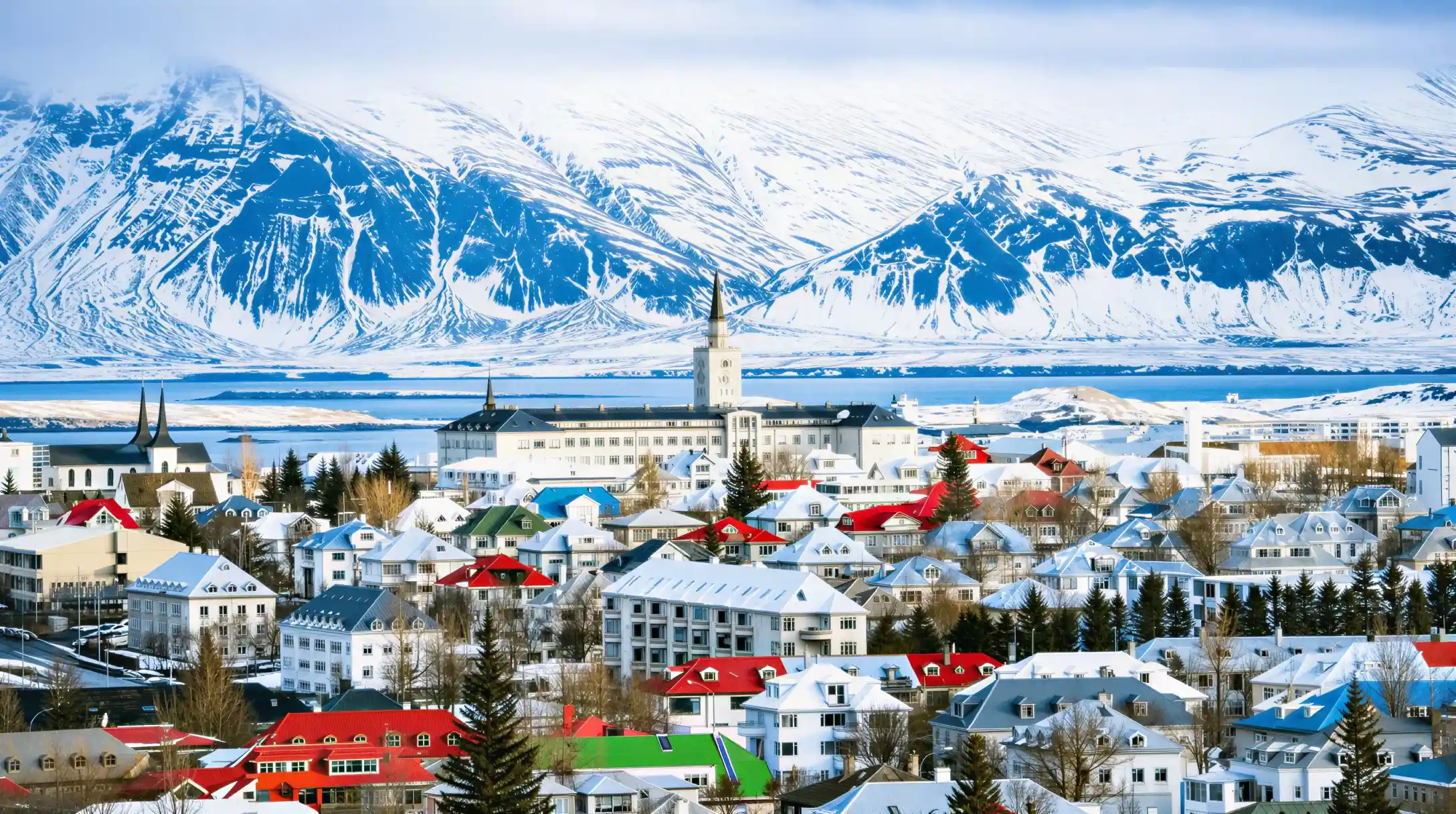
Three days in Reykjavik is not enough time to do the city, the Golden Circle and the south coast at a comfortable pace, and most visitors try anyway. The mistake is booking the Golden Circle and a south coast trip back to back, which leaves no slack if the weather turns or a flight lands late. 3 days in Reykjavik works best as one city day, one Golden Circle day, and a third day split between the south coast and the Blue Lagoon, decided the night before once the forecast is in. That order also matches how the roads actually run: the Golden Circle loop returns to the city, so the south coast or the lagoon can follow without doubling back. What this plan settles is the sequence and the drive times behind it; what it leaves alone is a full week's worth of detours, covered on the five to seven day page.
 Our pick
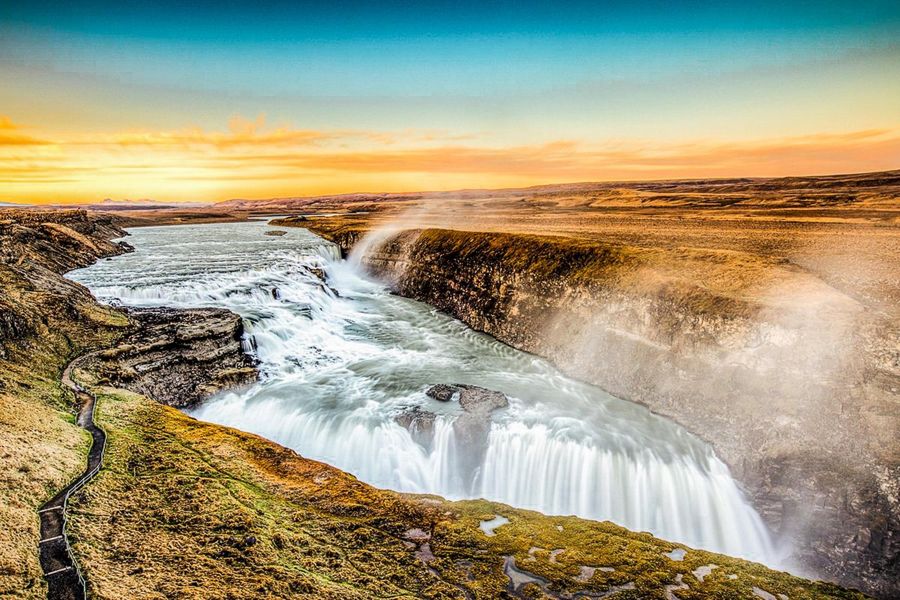
Golden Circle Full-Day Tour with Kerid Crater
Þingvellir National Park · Geysir geothermal area · Gullfoss waterfall · Kerið crater
Travellers who want the Golden Circle covered in one guided day without driving
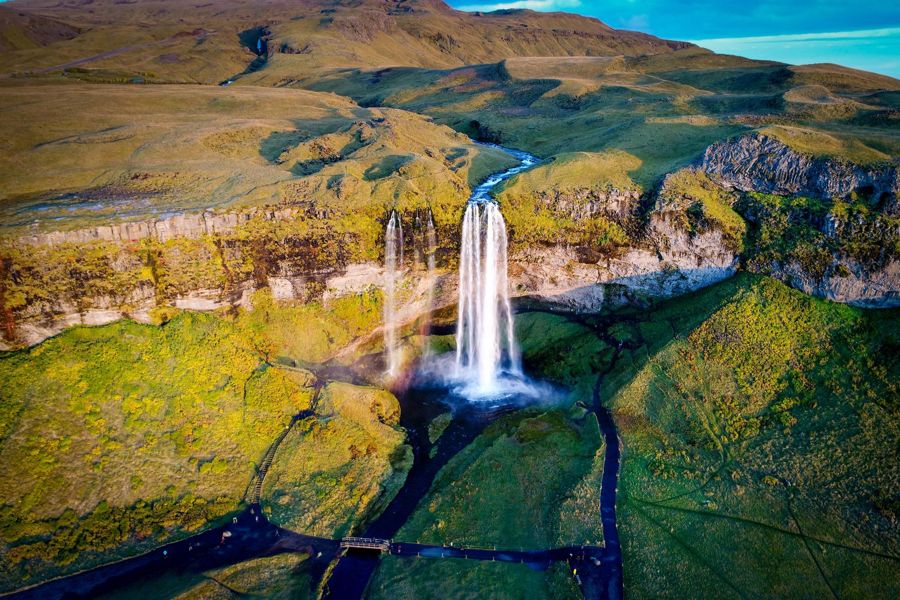
South Coast Waterfalls, Black Sand & Glacier Tour
Seljalandsfoss · Skógafoss · Reynisfjara black sand beach · glacier viewpoint
Travellers using the third day for the south coast instead of the Blue Lagoon
Deciding the order of the three days
A reykjavik itinerary 3 days long is usually built around the Golden Circle first, on the assumption it has to happen early in case of bad weather. That reasoning is backwards for most visitors, since the Golden Circle route sits closer to the city and is easier to reschedule than a south coast day that depends on a clear run past Reynisfjara. Day one is best kept inside Reykjavik: the harbour area, Hallgrímskirkja, and a walk through the older streets, none of which depends on road conditions outside the city. Day two is the Golden Circle loop: Þingvellir National Park, the Geysir geothermal area, and Gullfoss waterfall, in that order or reversed depending on tour pickup times. Parking is no longer free at any of these three stops except Gullfoss. Þingvellir charges 1,000 ISK, Geysir charges 1,000 ISK, introduced in late 2024, and Kerið, a short detour off the main loop, charges 700 ISK flat with no child or senior rate. Kerið publishes no fixed opening hours, so build in slack rather than a strict slot. Day three is where the plan has to bend around the forecast: the south coast waterfalls and black sand beaches on a clear day, or the Blue Lagoon and a slower morning if the weather or the roads say otherwise. Both options are covered below with what each one actually costs and requires.
Parking fees on the Golden Circle and south coast
- Þingvellir
- 1,000 ISK
- Geysir
- 1,000 ISK
- Gullfoss
- Free
- Kerið entry
- 700 ISK
- Skógafoss
- 1,000 ISK
- Seljalandsfoss
- 900 ISK
- Sólheimajökull
- 750 ISK
Day one, inside the city
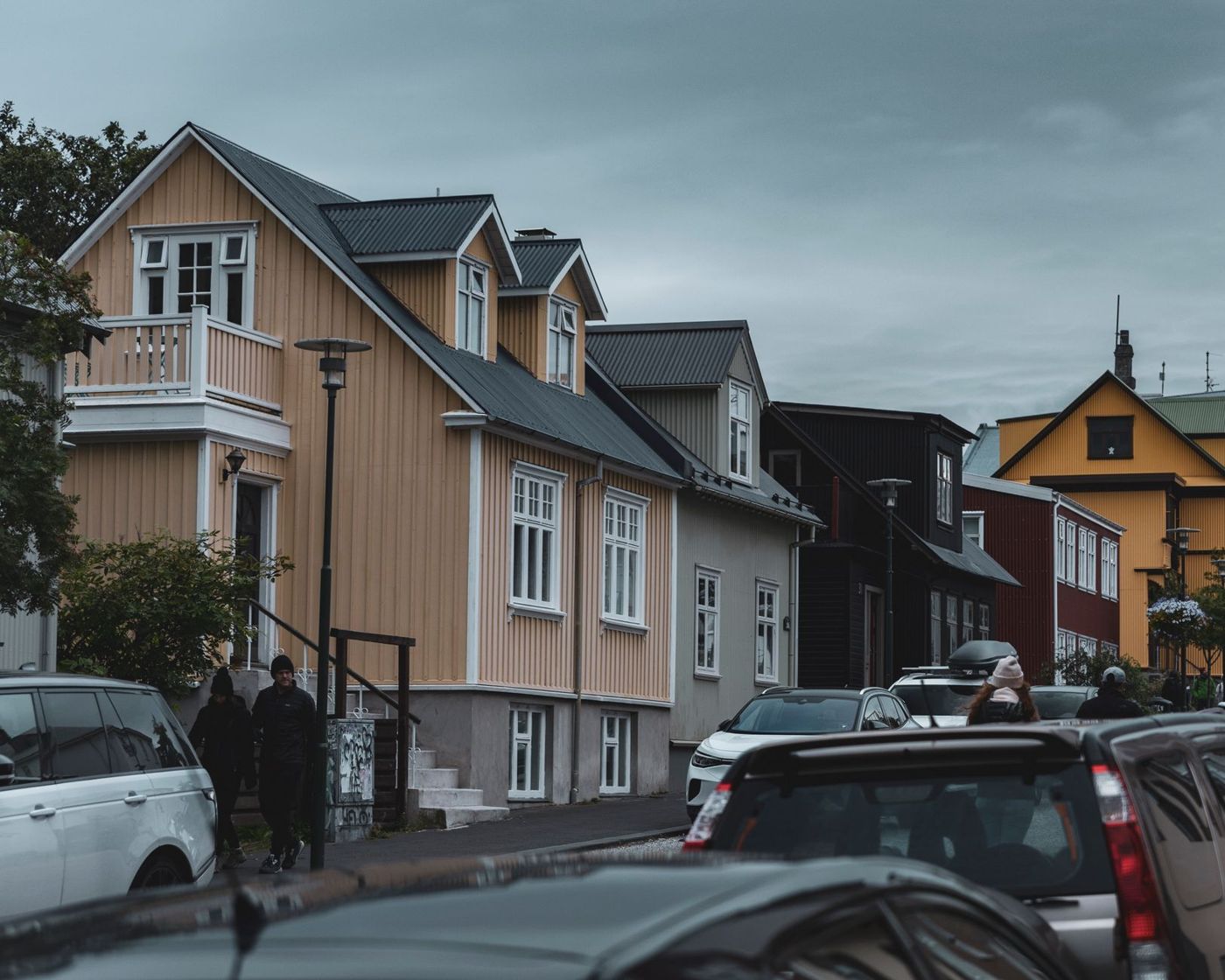
The first day is the one to keep unhurried, since the other two are built around roads and fixed pickup times. A common mistake is packing the city day with museums back to back and arriving at day two already tired. Reykjavik rewards a slower walk more than a checklist: the harbour, the older grid of streets around Laugavegur, and Hallgrímskirkja, which sits high enough to orient the rest of the visit. Daylight is the real constraint here, not opening hours. Reykjavik gets 21.2 hours of daylight in June and as little as 4.1 hours in December, so a December city day has to be planned around a short window in the middle of the day rather than spread loosely from morning to evening. A geothermal pool is worth building into the afternoon rather than saving for later in the trip, since it is one of the few plans that works regardless of weather. Iceland is effectively cashless, so there is no need to carry króna for any of this; cards work everywhere, including at the pools.
Day two, the Golden Circle
The Golden Circle looks like a short loop on a map and takes longer in practice than most plans allow, once stops at Þingvellir, Geysir, Gullfoss and Kerið are all included. Þingvellir is a national park as well as a historic site, and its own published rules apply to anything beyond a footpath, including the dive site at Silfra, which needs a dry-suit certification the operator checks before anyone gets in the water. Geysir is a walk-through geothermal area with no ticket beyond the parking fee, and Gullfoss remains free to park at, which is worth planning around if the day's budget is tight elsewhere. Kerið is the one stop with a fixed entry charge rather than a parking fee, at 700 ISK per person with no reduced rate for children or seniors. None of these four stops needs more than an hour on a clear day, but the driving between them, plus the walk down to Gullfoss and back up, is where a loosely planned day loses its slack. A guided day removes the driving decision entirely and returns to Reykjavik by evening, leaving the third day open.
Day three, south coast or Blue Lagoon
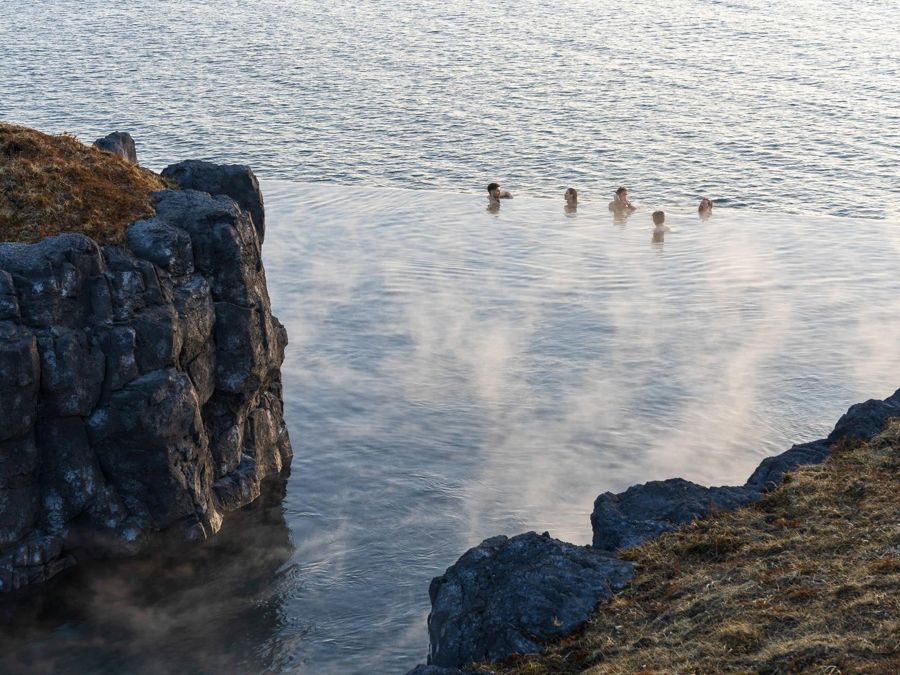
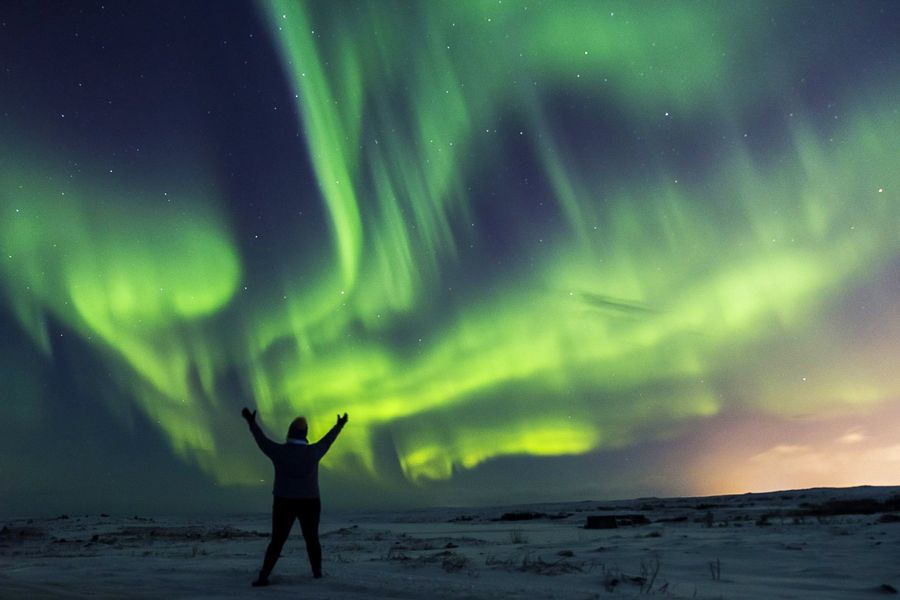
This is the day to leave undecided until the forecast is in, rather than book weeks ahead. The south coast route runs past Seljalandsfoss, which charges 900 ISK to park, Skógafoss, which charges 1,000 ISK at a car park about 500 metres (1,640 ft) from the falls, and on to Reynisfjara's black sand beach, where ICE-SAR's own guidance on sneaker waves applies and is worth reading before the trip rather than at the beach. A stop at Sólheimajökull glacier adds a further 750 ISK to park. The alternative is a slower day built around the Blue Lagoon, which requires pre-booked, timed entry; a transfer ticket alone does not admit anyone, and summer slots sell out days ahead. The lagoon sits behind lava barriers built around Svartsengi and the town of Grindavík after the Sundhnúkur eruptions, and both remain open, though marked paths should be kept to near Grindavík because of crevasses. Either choice for day three works as a full day on its own; combining both in one day is where most three-day plans overreach.
Getting between the stops
Most three-day plans assume a rental car and then discover the insurance terms exclude sand and ash damage, which matters on gravel-adjacent stretches of the south coast route. A US or UK driving licence is valid for a visit, but the driving conditions, not the licence, are the real planning question. Guided tours remove that decision for the Golden Circle and south coast days, and a bus transfer covers the airport leg on arrival or departure without adding a rental to the plan at all. Tipping is not expected on any of these tours and service is already included in the price shown. Emergency number 112 covers the same app ICE-SAR asks hikers and drivers to use if conditions change on the road. For a three-day trip with one flexible day, the time saved by not driving usually outweighs the cost of a seat on a coach, since it turns the weather-dependent day into a booking decision rather than a driving one.
Common questions
Is three days enough for the Golden Circle and the south coast both?
Yes, if they are split across separate days rather than combined into one. Day two covers the Golden Circle loop and day three covers the south coast or the Blue Lagoon, decided closer to the date based on the forecast.
Do I need a car for three days in Reykjavik?
No. Guided tours cover the Golden Circle and south coast routes, and a bus transfer covers the airport leg, which avoids the rental insurance exclusions on sand and ash damage.
Can I visit the Blue Lagoon without a rental car?
Yes, but entry must be pre-booked for a timed slot before arrival. A transfer ticket alone does not admit anyone, and summer slots sell out days ahead.
Should I book the south coast or the Blue Lagoon in advance?
The Blue Lagoon needs a pre-booked, timed slot regardless of the weather. The south coast is easier to shift by a day, which is why it works better as the flexible third-day option.