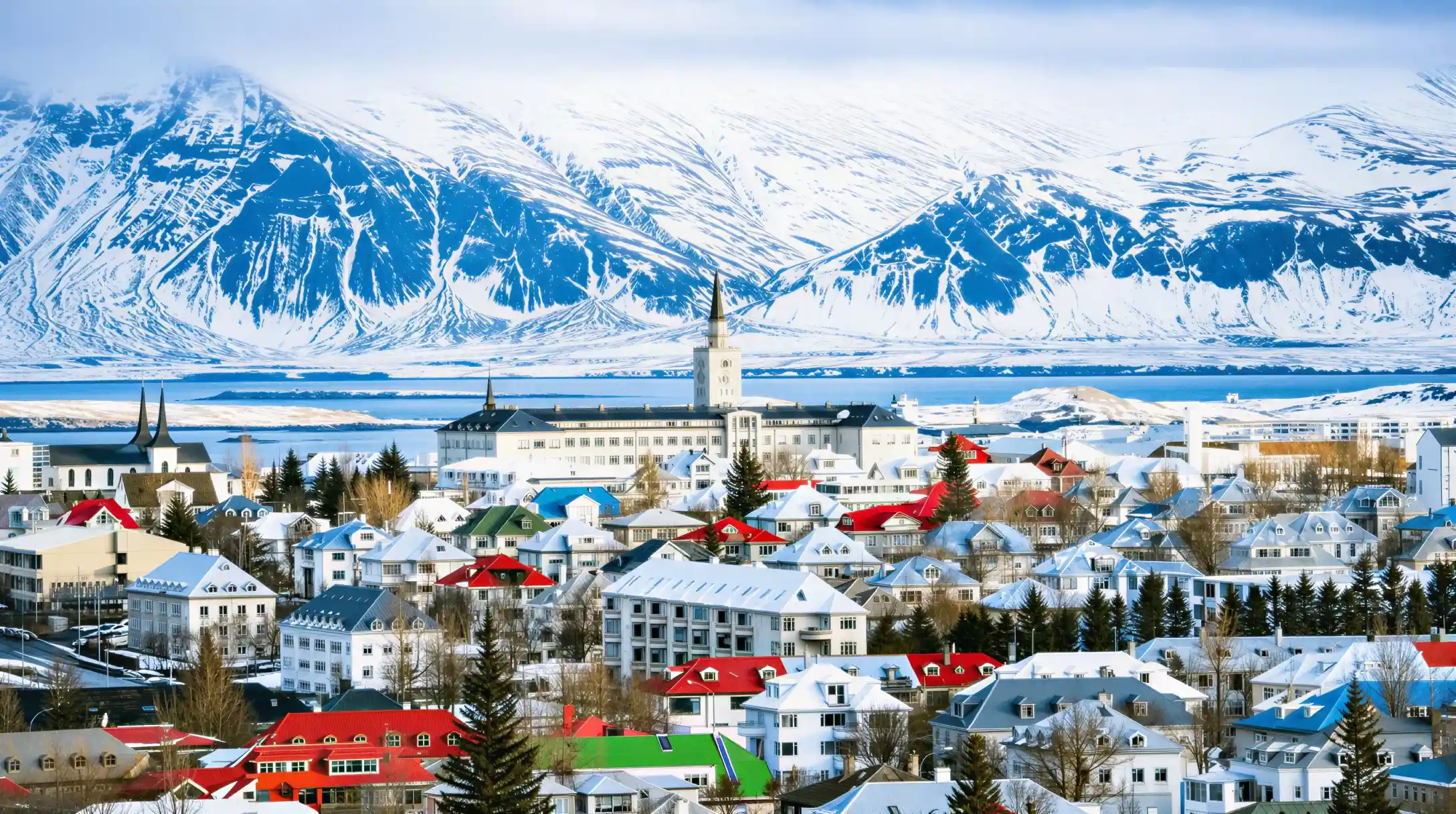
Packing for March in Reykjavik on the strength of what November or January needed is the common mistake: the month sits between the two, warmer than either but no less changeable, and the sky is doing something neither of them can. Anyone planning Reykjavik march northern lights viewing around a fixed date is planning around the wrong variable, because the sky itself is not the limit here. What decides the trip is darkness, and March still has plenty of it after sunset while gaining it back fast during the day. This page settles what the month's temperatures, daylight and aurora odds mean for a visit, and what to book around them.
 Our pick
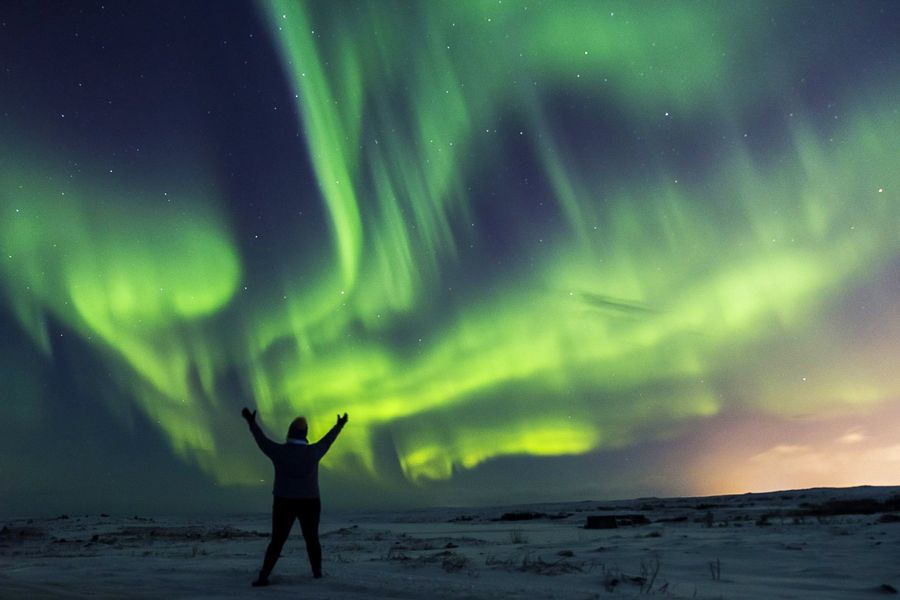
From Reykjavik: Northern Lights Bus Tour with Hot Cocoa
Guided coach transport out of the city to a dark-sky viewing spot, with hot cocoa included
Visitors without a rental car who want a guided evening chase with a backup date if the sky does not cooperate
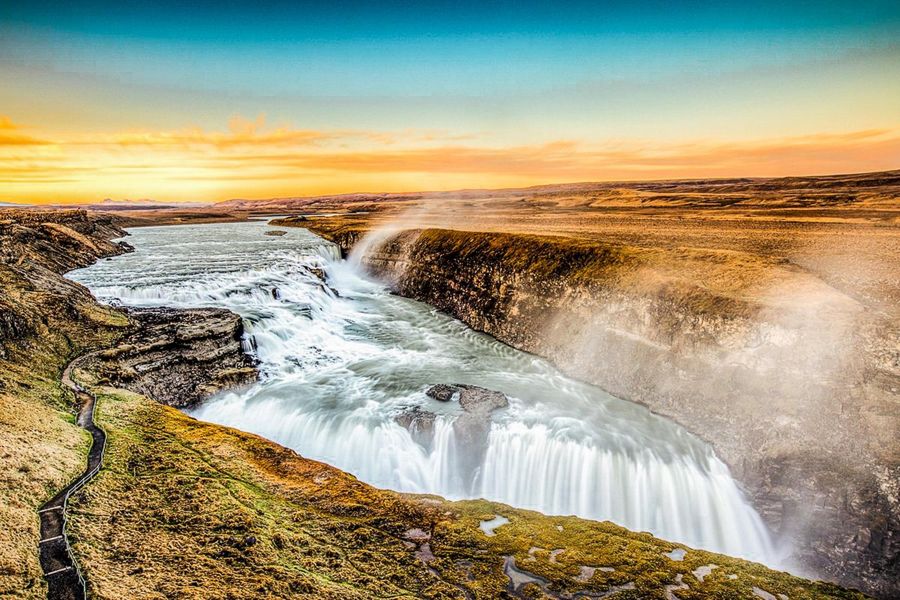
Reykjavik: Golden Circle Full-Day Tour with Kerid Crater
Full-day coach tour to Þingvellir, Geysir, Gullfoss and Kerið crater
Visitors who want the classic day route covered in one booking with transport handled
What March weather in Reykjavik is actually like
A traveller checking the average high of 4.2 degrees C (40 degrees F) can assume the days feel like a mild version of a European spring. They do not always. The average low is minus 1.3 degrees C (30 degrees F), so a single day in March can swing from just above freezing to well below it, and wind makes the difference feel larger than the numbers alone suggest. Rain, sleet and snow all remain possible in the same week, sometimes the same afternoon, because March sits at the point where the Reykjavik station's winter and spring patterns overlap rather than replace each other.
The mistake is dressing for the average and not for the range. A warm midday sun does not rule out a squall an hour later, and streets that were dry at breakfast can carry slush by evening. Layering matters more than any single heavy coat: a windproof outer layer, a warm mid layer that can come off, and waterproof footwear cover most of what the month does. Gloves and a hat are worth carrying even on a mild-looking morning, since the average low is still below freezing and outdoor plans, whether a walk along the harbour or a day trip inland, run for hours rather than minutes.
Comparing March to April is the more useful check than comparing it to January. April's average high reaches 6.9 degrees C (44 degrees F) and its average low climbs to 1.0 degrees C (34 degrees F), a real step up from March's figures. A visit planned for the very end of March can still feel closer to deep winter than to the milder shoulder season that April brings, so travellers choosing between the two months for warmth alone are better off waiting.
March at a glance, Reykjavik station
- Average high
- 4.2 °C (40 °F)
- Average low
- -1.3 °C (30 °F)
- Average high, April (for comparison)
- 6.9 °C (44 °F)
- Average low, April (for comparison)
- 1.0 °C (34 °F)
- Daylight, December solstice
- 4.1 h
- Daylight, June solstice
- 21.2 h
Planning days around the changing light
The assumption that March days behave like December ones is the second common error. They do not: December sits near the low point of 4.1 hours of daylight around its solstice, while March is well past that low and climbing toward the long days of summer, moving faster through the calendar than any other month on this stretch. A schedule built around short, dark days in early March can be wrong by the time the visit happens later in the month, with sunrise noticeably earlier and sunset noticeably later than the trip's first week suggested.
This is also why March keeps a full slate of things to do in Reykjavik in march that a purely dark winter month cannot support. There is enough daylight most of the month to fit a full day trip, a walk through the older streets, and an evening activity into the same day without rushing between them, while the evenings are still dark enough for the sky-dependent plans that draw people to Iceland in the first place. Building the day around what the light allows, rather than assuming a fixed sunset time across the whole month, keeps an itinerary from running short or standing around unfilled.
Where March sits in the aurora season
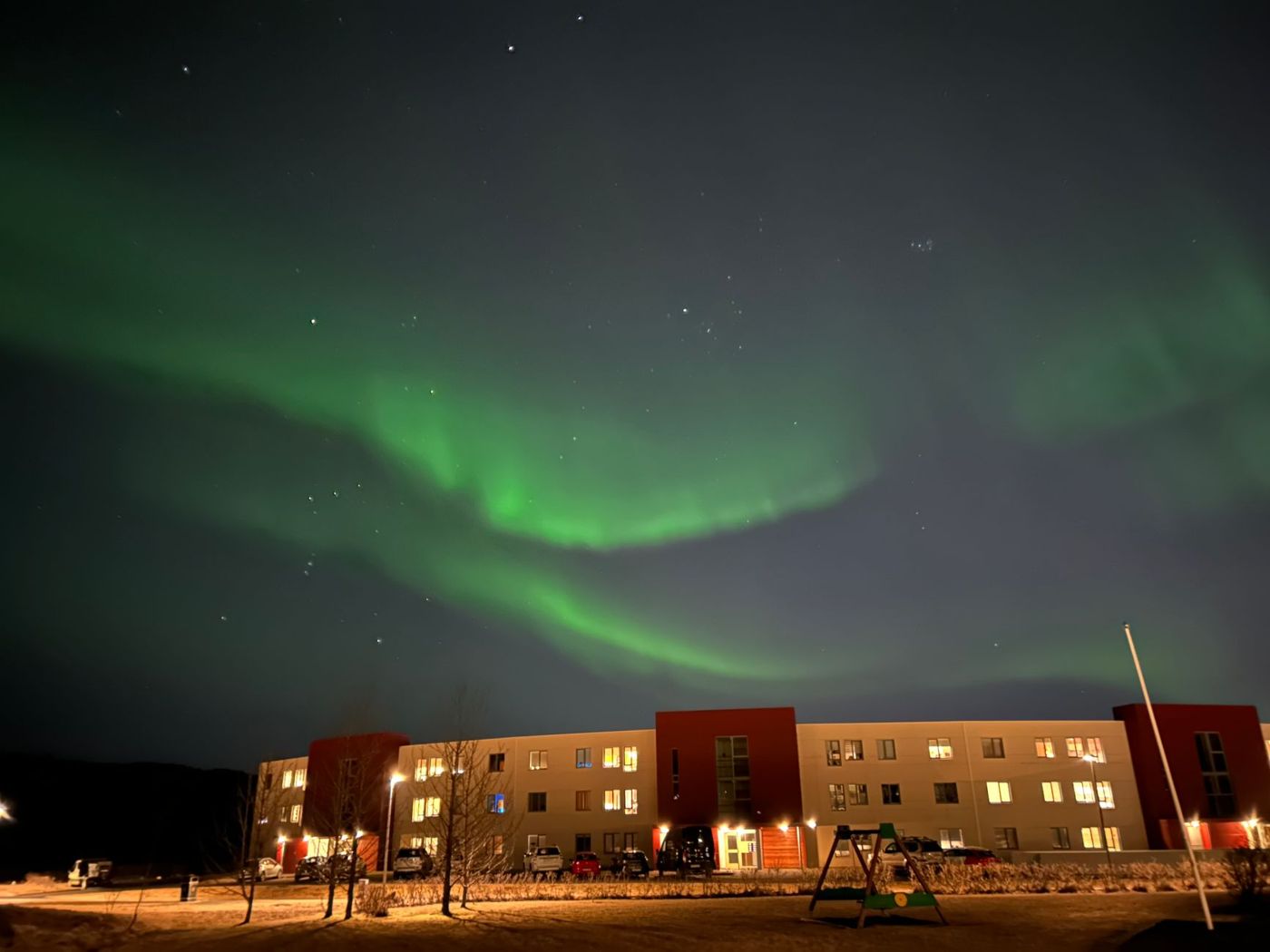
Assuming the aurora runs all year, or only in deep winter, is the error that costs people a trip. The season is bounded by darkness rather than by the Icelandic Meteorological Office's aurora forecast alone, and it runs from late August to mid-April. March falls near the end of that window, which makes it the last full month where the sky is dark enough, for long enough each night, to give a realistic chance. April still carries a few weeks of season, but the nights shorten quickly enough that the odds thin out fast after March closes.
None of that guarantees a display on any single night: Reykjavik weather march conditions, specifically cloud cover, still decide whether a clear dark sky is on offer at all, and a forecast of high aurora activity is worthless under an overcast one. Checking the short-range cloud outlook the same evening, rather than trusting a weekly forecast made days out, is the more reliable habit. A guided tour that moves to a clearer patch of sky, rather than staying fixed at one viewpoint, improves the odds further than waiting it out from a single spot in the city.
What the road and outdoor conditions still restrict
Assuming March opens up the highlands the way a mainland European spring would is a mistake worth correcting early. The F-road network that reaches places such as Landmannalaugar stays closed through March; those roads open only from around early to mid June depending on the specific route, and Vegagerðin sets and publishes the exact dates each year rather than a fixed calendar date. A March itinerary has to stay on the ring road and the paved network, which still reaches the Golden Circle, the south coast and the capital region comfortably.
Natural ice caves remain a live option in March, since that activity runs roughly from November to March and the month sits inside that window rather than at its edge. The man-made Langjökull ice tunnel runs year round regardless of season, which is worth knowing if a visit lands on the wrong side of the natural caves' window. Outdoor plans should also account for wind and daylight together: an afternoon that starts clear can turn while a group is still on a trail, and the extra daylight March offers over deep winter still runs out well before a June evening would.
Getting around and staying comfortable
Assuming a rental car is required to see anything beyond the city centre in March overstates the case. Strætó's city buses run a single adult fare of 690 ISK, valid for 75 minutes including transfers, which covers most in-town plans without a car at all. For arrival, the Flybus runs from Keflavík to the city in about 45 minutes for a one-way fare from 3999 ISK, and a taxi from Hreyfill runs a fixed fare from 22500 ISK for one to four passengers, both reasonable alternatives to a rental in a month when road conditions can still turn quickly.
Clothing choices matter as much as transport ones. Waterproof, wind-resistant outer layers hold up better in March than a single heavy coat, since the month mixes rain, sleet and occasional snow within the same week. Footwear with real grip matters too: pavements and trails can carry ice patches even on days that otherwise feel mild, particularly in the morning before the day's higher temperature has had time to work. None of this is different from a UK or US winter kit in principle, but the swings between a 4.2 degrees C afternoon and a below-freezing morning make the layering approach worth planning before departure rather than after.
Common questions
Is March a good month for the northern lights in Reykjavik?
March sits near the end of the aurora season, which runs from late August to mid-April, so nights are still dark enough for a real chance. Cloud cover on a given night decides more than the calendar date does.
How cold does it get in Reykjavik in March?
The average high is 4.2 degrees C (40 degrees F) and the average low is minus 1.3 degrees C (30 degrees F), with rain, sleet and snow all possible in the same week.
Can I drive to the highlands in March?
No. The F-road network, including the route to Landmannalaugar, stays closed until around early to mid June depending on the road, with the exact dates set each year by Vegagerðin. March visits stay on the paved ring road network.
How many daylight hours does Reykjavik get in March?
Daylight is increasing quickly through the month, moving from the winter range toward the far longer days later in spring. It sits well above the December solstice figure of 4.1 hours and well below the June solstice figure of 21.2 hours.