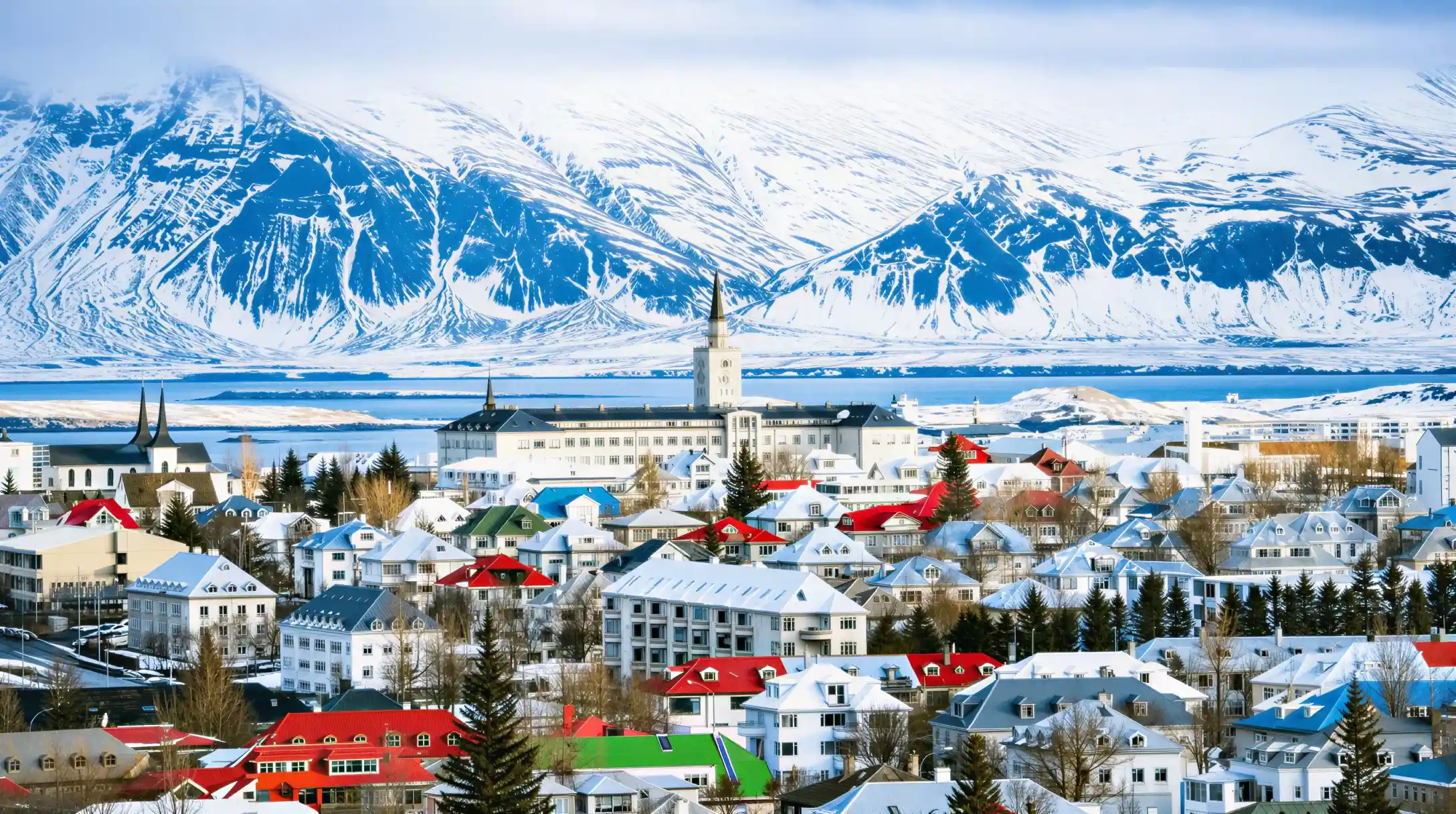
Most visitors assume the nature around Reykjavik means a bus tour and a full day gone. A surprising amount of it sits within an hour of downtown, reachable by a city bus, a rental car, or in a couple of cases on foot from the outer neighbourhoods. Mount Esja rises directly across the bay, the Heidmork reserve sits behind the eastern suburbs, Reykjadalur's warm river is a valley away in Hveragerdi, and Blafjoll's ski slopes are closer to the city centre than Keflavik Airport. Even the best beaches in Reykjavik, small and black-sand rather than postcard white, are a short ride out, not a day trip. This page settles what is worth reaching alone and how each place is actually reached, not just that it exists on a map.
The distinction that matters is between places that need a guide and places that do not. A glacier walk or an ice cave needs an operator for safety equipment and access; the places below need only a bus ticket, a car, or, in one case, a decent pair of boots and daylight. Weather changes the calculation more than distance does, since a clear morning over the city can turn to horizontal rain on Esja within the hour. None of this is exotic. It is the ordinary geography that Reykjavik residents use on a free Saturday, and a visitor with a car or a Straeto card can use it the same way.
 Our pick
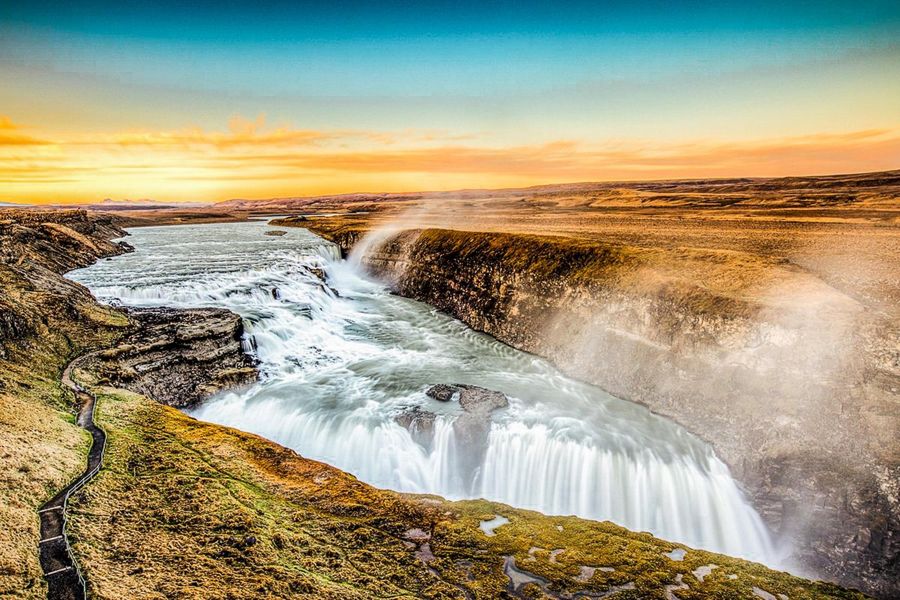
Reykjavik: Golden Circle Full-Day Tour with Kerid Crater
Kerid crater entry, Thingvellir, Geysir, Gullfoss, a full day of transport from Reykjavik
Travellers without a car who still want the classic route and Kerid's crater lake in one day
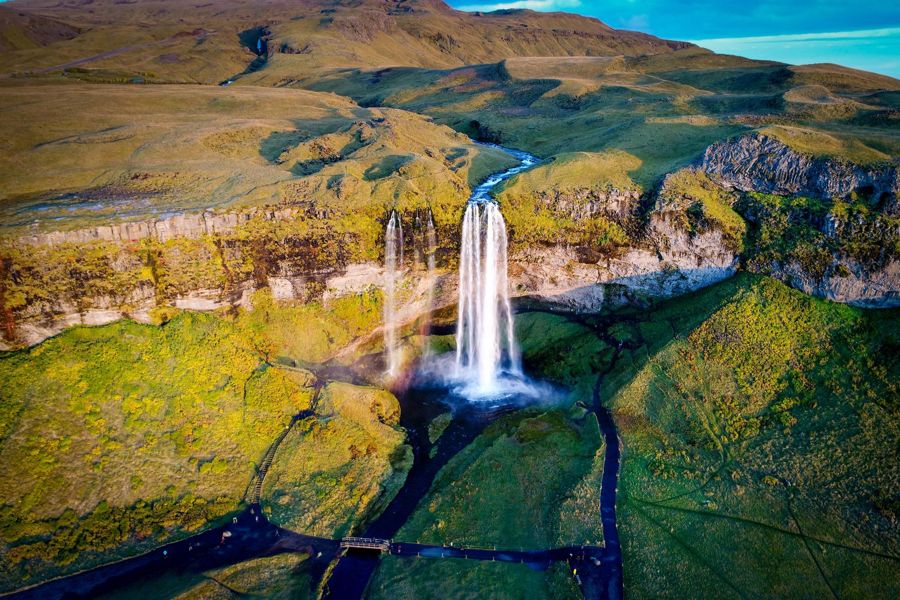
Reykjavik: South Coast Waterfalls, Black Sand & Glacier Tour
Transport to the south coast, black sand beach stop, waterfall stops, glacier viewpoint
A day that pairs a black sand beach with the south coast's waterfalls without self-driving
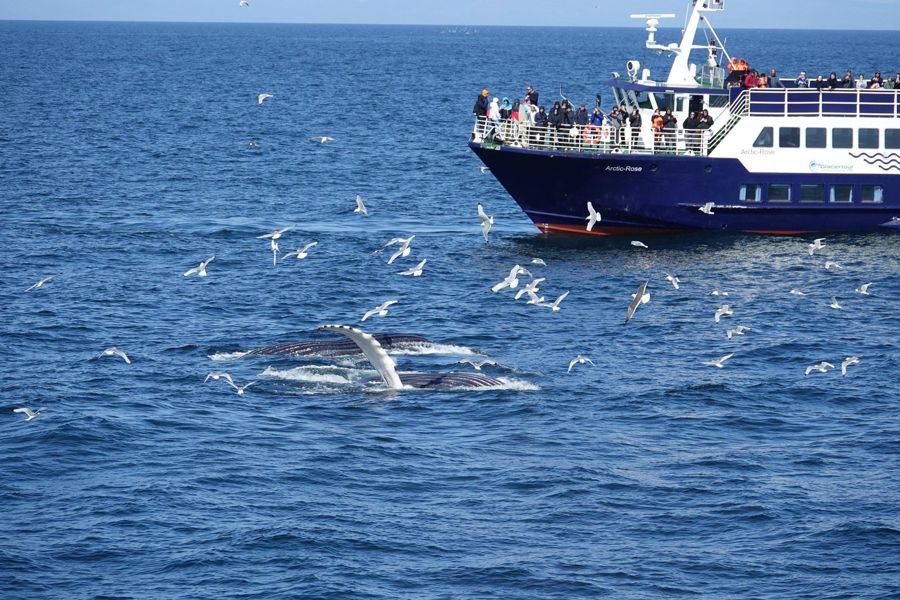
Reykjavik: Whale Watching and Marine Life Cruise
A marine life cruise departing the Reykjavik harbour
Travellers who want open water and wildlife rather than land routes
Reading the terrain before you plan a route
A common mistake is treating the land around Reykjavik as flat and uniform, when in fact it changes character within a few kilometres. The city sits on a peninsula with open water on three sides, a scatter of low hills to the south and east, and a steep-sided mountain, Esja, filling the view to the north across Faxafloi bay. Between the city and the mountain lies open water that a car has to go around, so Esja reads as close on a map and takes real driving time on the ground. To the east, the land rises gently into moss-covered lava fields and birch scrub before climbing into the Blafjoll range, and to the southeast the geothermal valleys around Hveragerdi sit in a different kind of terrain again, cut by rivers and steam vents rather than lava rock.
This iceland landscape Reykjavik combination, coastal city, open bay, lava field and mountain, all inside an hour's drive, is unusual among European capitals and it is the reason so much nature reads as close on paper. What the map does not show is which of these places has a marked path, which has parking, and which has neither. Heidmork, for instance, has maintained trails and picnic areas because it was set aside as a reserve; a lava field beside a main road may have none of that, and walking off a marked path onto lava rock is a way to turn an ankle rather than a way to see anything better. The sections below separate what is set up for a visitor from what only looks that way on a satellite image.
Where the skiing actually is
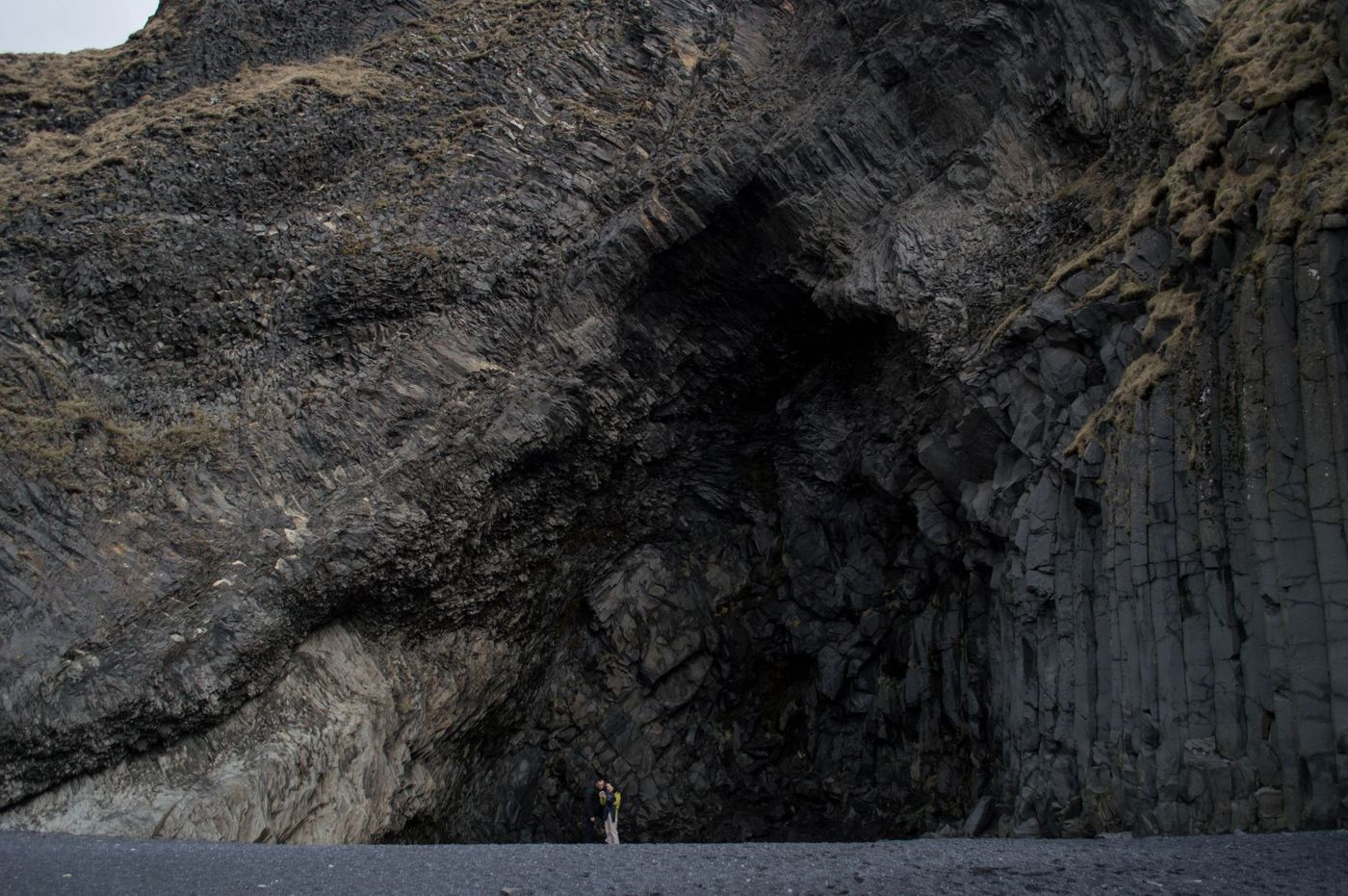
Visitors searching for iceland ski resorts near Reykjavik usually expect something on the scale of an Alpine resort, and Blafjoll is not that. It is a modest ski area in the hills southeast of the city, run for locals rather than for tourism, with lift-served slopes rather than backcountry terrain. It sits closer to central Reykjavik than the airport does, which surprises visitors who assume skiing in Iceland means a long drive into the interior. The trade-off is that Blafjoll depends entirely on snow cover and wind, both of which are unpredictable at sea level in a maritime climate, so a slope open one weekend can close the next.
The practical difference between Blafjoll and a resort abroad is that nothing about it is built for a first-time international visitor: there is no international rental desk network, no resort village, and no guarantee the lifts are running on the day of a trip. A car is close to essential, since public transport to the ski area is limited and unreliable in exactly the weather that makes skiing possible. Anyone planning around this should treat a Blafjoll day as a bonus if conditions allow it, not as a fixed plan booked weeks ahead from another country. Because Reykjavik has no resort of its own inside the city, Blafjoll is also the only reasonable answer to whether there is skiing near the capital at all.
The reserve behind the suburbs
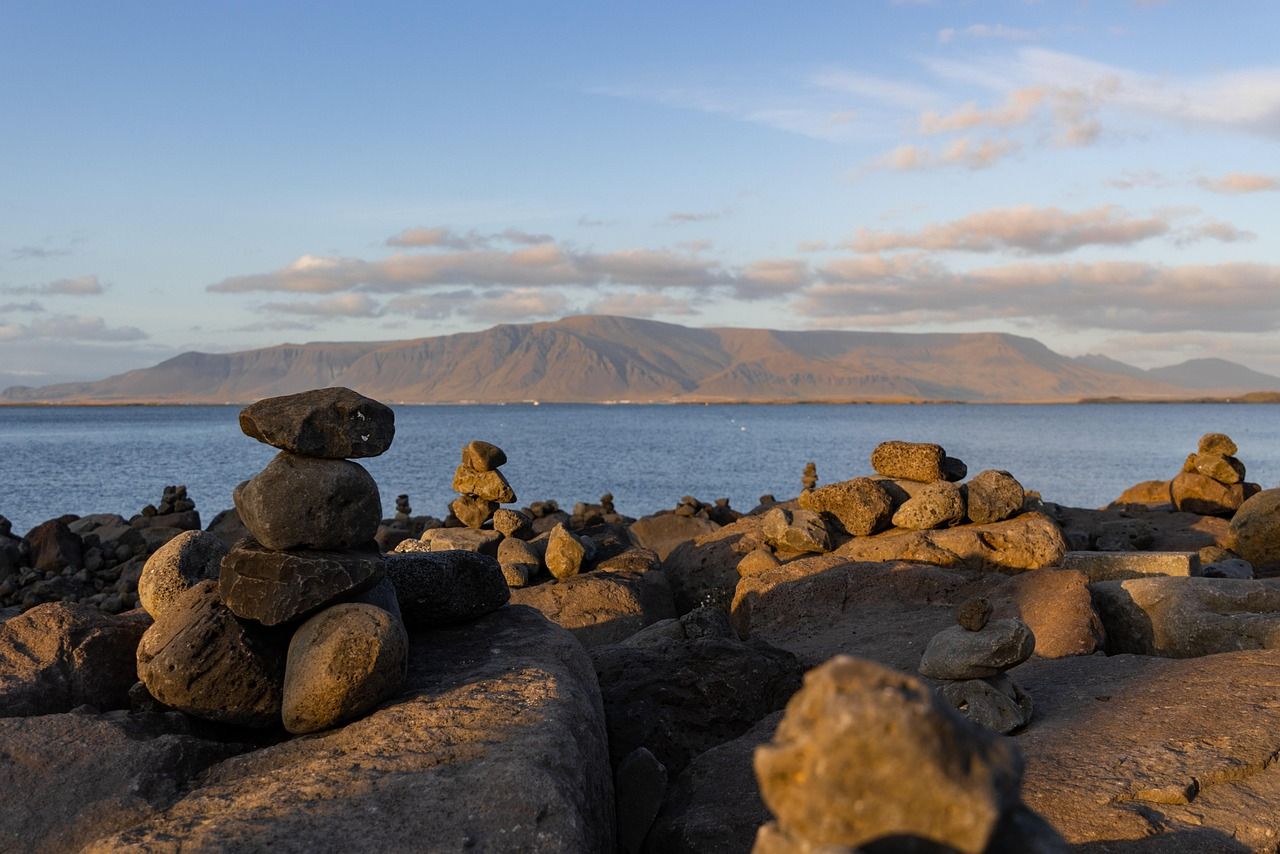
Heidmork is easy to miss because it does not appear on the postcard version of Iceland: no waterfall, no glacier, no crater. It is a large forested and lava-field reserve on the eastern edge of the city, set aside for recreation and water protection rather than for a single dramatic feature, and it functions as the closest thing Reykjavik has to a national park Reykjavik visitors can reach without leaving the capital area. Trails cross lava fields planted with birch and pine, past small lakes, with routes long enough for a half day or short enough for an hour.
What catches visitors out is expecting Heidmork to be wild in the way a highland trail is wild. It is closer to a large managed woodland than a wilderness, planted deliberately over decades to green land that was bare lava a century ago, and it is used by Reykjavik residents for the same reasons a city park is used anywhere: a run, a walk, a picnic. That makes it a low-effort outing rather than a highlight of a trip, best treated as a way to spend a spare afternoon or a place to stretch legs on the way to somewhere else, not as a destination worth restructuring an itinerary around. A car or a bicycle covers it far more easily than the city bus network, which was not built with the reserve's interior in mind.
{'activity_id': '67019', 'title': 'From Reykjavik: Northern Lights Bus Tour with Hot Cocoa', 'rating': 4.27, 'reviews': 14847, 'includes': 'Evening bus tour out of the city, a guide watching for clear, dark sky', 'best_for': 'Visitors without a car who want to get away from city light after dark', 'link': '{{AFF_GYG_NATURE_NEAR_REYKJAVIK_8}}'}
Whether it is worth planning a ski day at all
The honest answer to skiing near Reykjavik is that it is possible, not that it is reliable. Snow at Blafjoll's elevation depends on a cold enough winter and enough of it falling to hold, and a warm spell can strip a slope bare within days even in the depths of winter. Visitors coming from countries with consistent alpine snowpack sometimes plan a ski day the way they would plan one in the Rockies or the Alps, booking equipment and blocking a date weeks out, and that approach does not transfer well to a maritime hill range at sea level.
A better approach is to treat any skiing as a same-week decision rather than a same-month one, checked once arrival is close enough for a real forecast to matter. This also means a trip built entirely around skiing near the city is fragile in a way that a trip built around the geothermal valleys or the coastline is not, since those places do not depend on a specific weather window to be worth visiting. Visitors who care about skiing specifically and want a guaranteed outcome are generally better served by dedicated ski regions further from Reykjavik, but for anyone already in the city with a free day and cooperative weather, Blafjoll remains the only option inside easy reach.
Answering the plain question
Can you ski in Reykjavik itself, inside the city boundary, is a question with a plain no: the terrain within the built-up area is flat to gently rolling, and the nearest slopes are in the hills to the southeast, not the city. The confusion is understandable, since some tour listings advertise skiing "from Reykjavik" or "near Reykjavik" in a way that reads as if the activity happens in the city. What that phrasing actually means is a short drive out to Blafjoll, not a resort inside the urban area.
For a visitor without a car this distinction matters more than it might seem, because it changes whether skiing fits into a single afternoon or needs a half day set aside for getting there and back. Reykjavik's own recreation, by contrast, leans toward its geothermal pools, which are inside the city and open on a fixed, published schedule regardless of snow. A traveller choosing between the two on a short trip is generally better served picking whichever one does not depend on weather cooperating on a specific day, and the pools have the advantage there.
- Average high, June to August
- 13.0-14.9 °C
- Average low, June to August
- 7.2-9.1 °C
- Daylight, June solstice
- 21.2 h
- Daylight, December solstice
- 4.1 h
- Single Straeto city bus fare
- 690 ISK
- Average annual precipitation
- 875.9 mm
The coastline itself
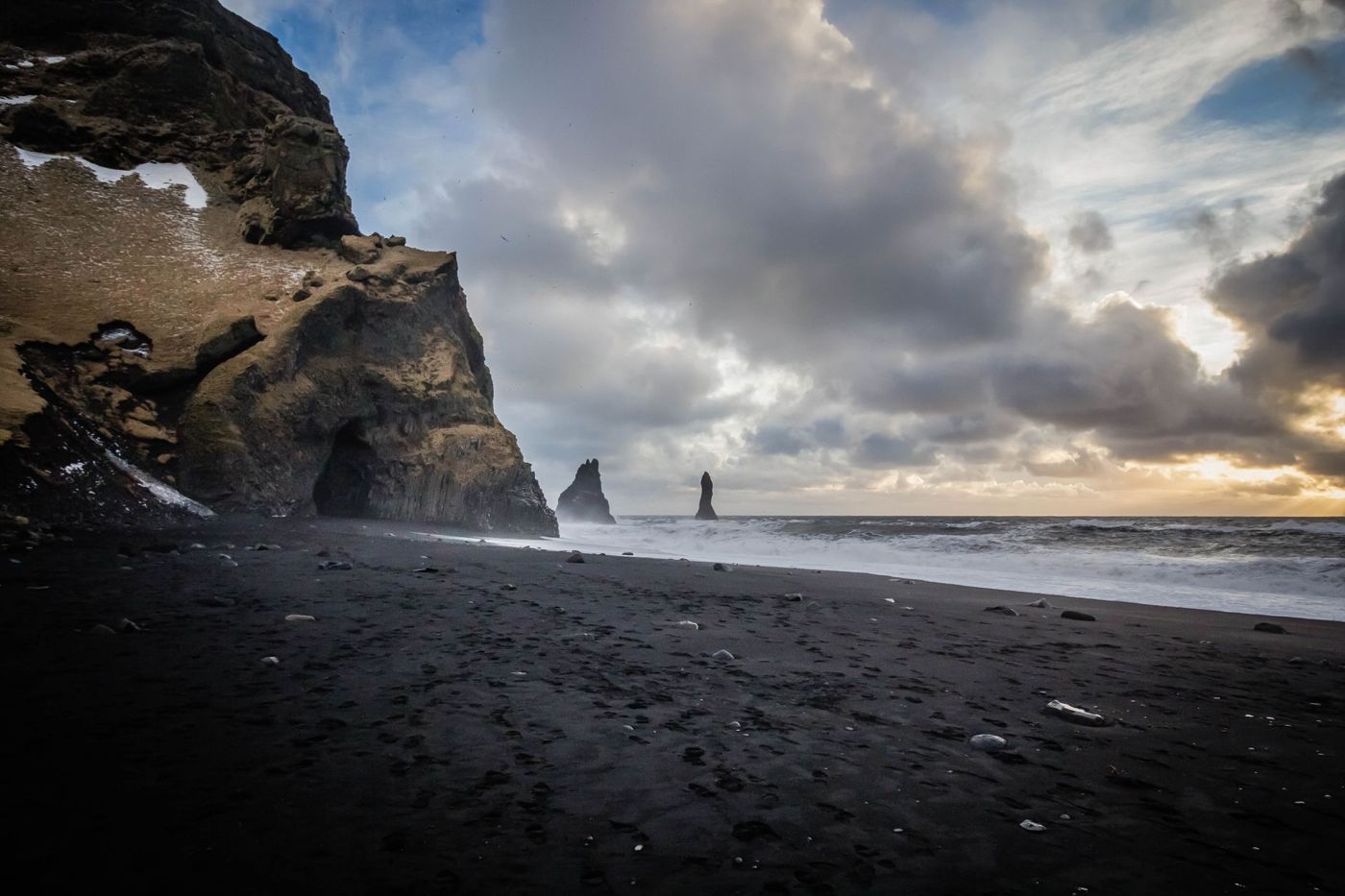
A reykjavik beach does not mean what the word suggests to a visitor picturing sand and sun loungers. The city's shoreline is mostly black volcanic sand and rock, cold water, and short stretches rather than long open beaches, and the closest of them sit inside or just outside the built-up city rather than requiring a day trip. Nautholsvik, on the southern shore near the university, is the one exception built for actual swimming: it has a geothermally heated seawater lagoon fenced off from the cold open bay, making it usable for a dip even when the open sea is far too cold for anyone.
Visitors expecting to sunbathe should adjust that plan, since the appeal here is the contrast between black sand, grey water and green hills rather than a warm-climate beach experience. The best use of these stretches of coast is a walk at low tide or a short visit to Nautholsvik's lagoon rather than a full beach day, and neither needs booking or a guide. What they do reward is checking conditions before setting out, since wind off the open bay changes a pleasant walk into an unpleasant one faster than most visitors expect from a coastal city.
What belongs to winter, not to this list
Dog sledding Reykjavik searches usually turn up operators offering the activity on a glacier rather than in the city or its immediate surroundings, since sledding needs snow cover reliable enough to run a season on, and the low-lying land around Reykjavik does not hold snow the way a glacier's surface does. Where it is offered near the capital it typically uses wheeled carts over snowless ground or is bundled with a longer excursion out to glacier terrain, which is a different trip than a short outing from the city.
This is worth stating plainly because it changes what a short stay near Reykjavik can realistically include. A visitor with only a day or two in the capital area, relying on the places covered on this page, is not in range of the terrain that makes sledding work, and treating it as a same-day add-on to a Blafjoll or Heidmork outing sets up a disappointment. It belongs with the multi-day, further-afield trips rather than with the nature reachable directly from the city.
{'activity_id': '67012', 'title': 'Reykjavik: Golden Circle Full-Day Tour with Kerid Crater', 'rating': 4.76, 'reviews': 26671, 'includes': 'Kerid crater, Thingvellir, Geysir, Gullfoss, transport from Reykjavik', 'best_for': 'Seeing lava terrain, a rift valley and a crater lake without driving', 'link': '{{AFF_GYG_NATURE_NEAR_REYKJAVIK_15}}'}
Weighing the options against each other
Asked to name the beautiful places near Reykjavik worth an unguided day, the honest shortlist is short: Esja for the view back over the city and the bay, Heidmork for an easy walk through planted lava-field woodland, Reykjadalur for the warm river, Nautholsvik for the one heated stretch of coastline, and Blafjoll on the rare day the snow and the schedule line up. Each rewards a different kind of day and none of them requires booking equipment or a guide, which sets them apart from a glacier walk or an ice cave.
The mistake to avoid is trying to combine several of these into a single day out of enthusiasm rather than logistics. Esja and Reykjadalur sit in opposite directions from the city and both reward unhurried time on the trail rather than a rushed visit squeezed between two other stops. A visitor with two or three days spare is better served picking one of these a day, driving or taking the bus out in the morning, and building the rest of the day's plans around it, rather than chaining them together and spending most of the day in transit between them.
| Mount Esja trailhead | 20-25 min | Car, or a city bus toward Mosfellsbaer |
| Heidmork reserve | 20 min | Car; limited bus access to the interior |
| Reykjadalur (Hveragerdi) | 40-45 min to Hveragerdi, then a walk | Car, or a bus to Hveragerdi followed by the trail on foot |
| Nautholsvik geothermal beach | 10 min | Car or city bus |
| Blafjoll ski area | 25-30 min | Car; public transport limited |
- 20-25 min
- Car, or a city bus toward Mosfellsbaer
- 20 min
- Car; limited bus access to the interior
- 40-45 min to Hveragerdi, then a walk
- Car, or a bus to Hveragerdi followed by the trail on foot
- 10 min
- Car or city bus
- 25-30 min
- Car; public transport limited
The warm river valley
Reykjadalur sits above the town of Hveragerdi, itself about 40 to 45 minutes' drive southeast of Reykjavik, and the valley itself is reached on foot from a car park at the edge of town rather than by any road. A river fed by hot springs runs through the valley, warm enough in stretches to sit in, and the walk up follows a marked path through steaming ground and geothermal vents before reaching the section where people wade in. It is one of the few places within range of the city where a natural hot spring can be reached without a tour bus and without paying an entry fee.
The walk in is longer than it looks on a map and climbs steadily, so this is not a stop for anyone expecting a car park beside the water. Weather on the walk changes faster than it does in the valley floor's more sheltered stretch, and rain turns the path to mud in a way that a light shoe does not handle well. None of this makes the valley inaccessible, but it rewards planning the walk as the main activity of the day rather than as a quick add-on before or after something else nearby.
- Main gateway airport
- KEF
- Drive time, Keflavik Airport to downtown
- 45 min
- Population of Reykjavik (city proper)
- 139,804
- Population of the greater capital region
- 253,230
- Area of the city
- 244 km2 (94 sq mi)
What a car changes, and what it does not
A rental car turns every place on this page into a same-day option and removes the dependency on bus schedules that limits a visitor without one. It also removes the single biggest constraint on reaching Reykjadalur and Blafjoll in particular, both of which sit at the edge or beyond the reach of convenient public transport. For a short stay, the car is the difference between fitting two of these places into a trip and fitting one.
What a car does not change is the weather or the season. Snow cover at Blafjoll, the comfort of a coastal walk at Nautholsvik, and the state of the trail up to Reykjadalur all depend on conditions that a car cannot fix, and driving out to any of them on a bad-weather day produces the same disappointing result as arriving by bus. The car buys flexibility to change plans at short notice, which matters more here than raw speed, since the best response to a poor forecast for one place is usually to substitute another rather than to push ahead regardless.
{'activity_id': '400599', 'title': 'Reykjavik: Sky Lagoon Entrance Pass With 7-Step Spa Ritual', 'rating': 4.83, 'reviews': 7388, 'includes': 'Timed entry to the Sky Lagoon and its multi-step spa ritual', 'best_for': 'Geothermal water without the walk to Reykjadalur', 'link': '{{AFF_GYG_NATURE_NEAR_REYKJAVIK_21}}'}
Building a realistic day
The places on this page work best treated as options for specific kinds of weather and specific kinds of energy, not as a checklist to complete. A clear, calm morning suits Esja or the coastline at Nautholsvik, since both depend on visibility and comfort outdoors. An overcast day with light rain still suits Reykjadalur reasonably well, since the reward there is a warm river rather than a view, and Heidmork's tree cover offers some shelter that open coastline does not.
Anyone building a short trip around these places should pick based on the forecast a day or two out rather than locking in a full week ahead, since conditions at sea level around Reykjavik shift over the course of a single day more often than visitors from more stable climates expect. A flexible plan, with one or two of these as the primary option and the rest as a fallback, gets more out of a short stay than a fixed itinerary that assumes the weather will cooperate on schedule.
{'activity_id': '400146', 'title': 'Keflavik Airport (KEF): Bus Transfer to/from Reykjavik', 'rating': 4.66, 'reviews': 20988, 'includes': 'Transfer between Keflavik Airport and Reykjavik', 'best_for': 'Arriving into the city without losing the day to a rental car pickup', 'link': '{{AFF_GYG_NATURE_NEAR_REYKJAVIK_23}}'}
Safety and the practical checks worth making
Reykjadalur's trail crosses geothermal ground, and the marked path exists because some of the ground beside it is genuinely hazardous, not merely off-limits by convention. Safetravel.is, run by ICE-SAR, covers the outdoor hazards that matter most here, including how conditions change fast enough to catch out a walker who set out in clear weather. The same applies to a coastal walk at low tide or a hillside route up Esja: conditions that look manageable from a car park can turn quickly once the wind picks up over open water or higher ground.
Before travelling, it is worth checking the US State Department country information for Iceland, and the UK FCDO travel advice, since both cover entry rules and any current safety notices that sit outside the scope of a single trail or beach. None of the places on this page require a permit or a guide, but each rewards checking current conditions rather than assuming a description written in advance still holds on the day of the visit.
Common questions
Is it possible to reach Mount Esja without a car?
Yes, a city bus runs toward Mosfellsbaer close enough to the trailhead for a short walk in. A car cuts the approach time considerably.
Do any of these places charge an entry fee?
None of the places covered here charge to walk in. Nautholsvik's heated lagoon and the Reykjadalur trail are both free to use.
Is Blafjoll worth planning a trip around?
Only if the snow and schedule cooperate on short notice. It depends on conditions that cannot be booked or guaranteed weeks in advance.
How warm is the water in Reykjadalur?
Warm enough to sit in along part of its length, since it is fed by hot springs, though temperature varies by spot along the river.
Is Nautholsvik open outside summer?
It is a geothermally heated lagoon rather than an open swimming season, which is what makes it usable even when the open bay is too cold.