A transfer ticket to the site is not the same as a ticket to get in the water, and travellers who book only a coach seat can find themselves outside the gate with nowhere to change. The blue lagoon Reykjavik trip runs on pre-booked, timed entry: a slot is reserved for a specific hour, and turning up without one is not a fallback plan. This page settles what to book, when the water is open, what the last two years of closures looked like, and how the site compares with Sky Lagoon. It does not cover downtown sights, shopping or the northern lights, which have their own pages. The lagoon sits about 49.2 km (30.6 miles) from Reykjavik, roughly a 50 minute drive, and 21 km (13 miles) from Keflavik International Airport, about 15 minutes by road. Both routes are straightforward, and the geothermal water itself runs 37 to 40°C (99 to 104°F) year round, so the weather outside rarely changes the plan.
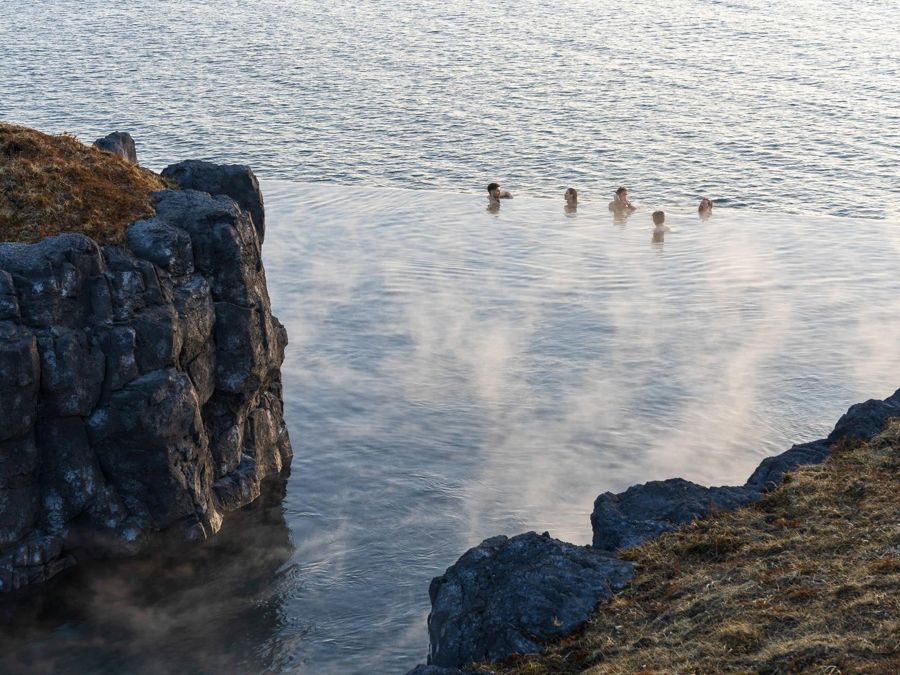 Our pick
Reykjavik: Sky Lagoon Entrance Pass With 7-Step Spa Ritual
Entry to Sky Lagoon and the 7-step spa ritual
Travelers comparing lagoons before choosing one
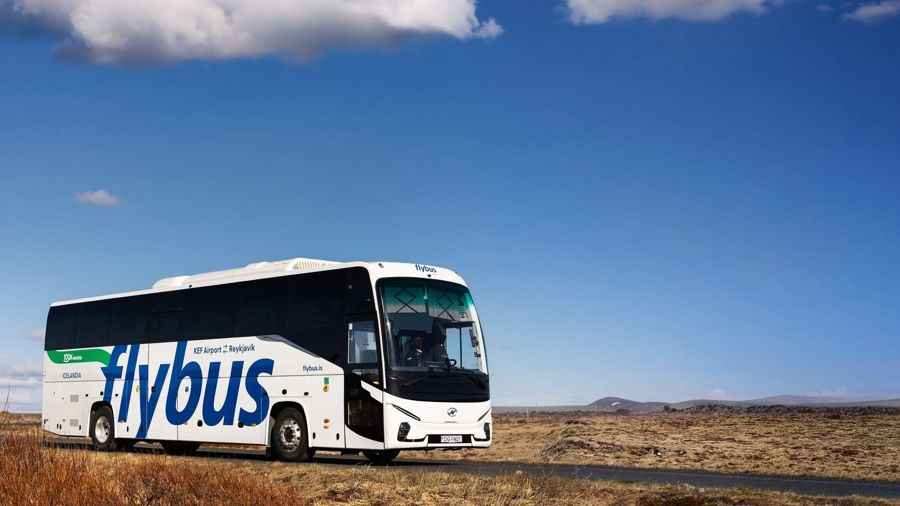
Keflavik Airport (KEF): Bus Transfer to/from Reykjavik
Return bus transfer between the airport and Reykjavik
Travelers who need transport but still must book lagoon entry separately
Getting In: Why a Transfer Ticket Is Not Enough
A common mistake is treating a coach or transfer booking as proof of admission. It is not. Entry to the lagoon is sold as a separate, timed ticket, and the two have to be booked independently, ideally for hours that line up with each other. Among the lagoons in Reykjavik and the wider Reykjanes peninsula, the Blue Lagoon is the one that sells out fastest, and summer slots can be gone days ahead of a visit.
Three package tiers are sold for a day visit: Comfort at 11,990 ISK, Premium at 14,990 ISK and Signature at 18,490 ISK, and all three include a towel. A child aged 11 or younger enters for 2,000 ISK, and the minimum age to enter the water at all is 2 years. Children up to 13 need adult supervision in the water, and free flotation armbands are provided for children up to age 8.
Opening hours shift through the year: 07:00 to 23:00 from mid-June to 20 August, 08:00 to 22:00 from 21 August to 31 January, and 08:00 to 20:00 from 1 February through late spring. Guests must be out of the water 30 minutes before the stated closing time, which catches people who assume the closing hour is the last moment to swim.
Getting There From the City
Renting a car and driving without checking the road first is the error that costs people time here. The Reykjavik lagoon route covers about 49.2 km (30.6 miles) each way, roughly 50 minutes of driving, and there is no charge to park once you arrive. Coming from Keflavik International Airport instead, the drive is shorter: 21 km (13 miles), about 15 minutes, and the nearest town, Grindavik, is just 6 km (3.7 miles) from the site.
Travelers without a rental car can book a return coach transfer from Reykjavik or Keflavik Airport for 4,395 ISK, though as with the entry ticket, the transfer alone does not admit anyone into the lagoon. Luggage storage is available in a building by the parking lot, which matters for anyone stopping on the way to or from a flight. The site is wheelchair accessible: the parking lot and walkways are paved throughout, with about a 5 minute walk from parking to the main building.
Anyone planning the drive independently should check current road conditions before setting out, since Vegagerðin publishes closures and conditions for the roads around the Reykjanes peninsula, including any affected by the ongoing volcanic activity in the area.
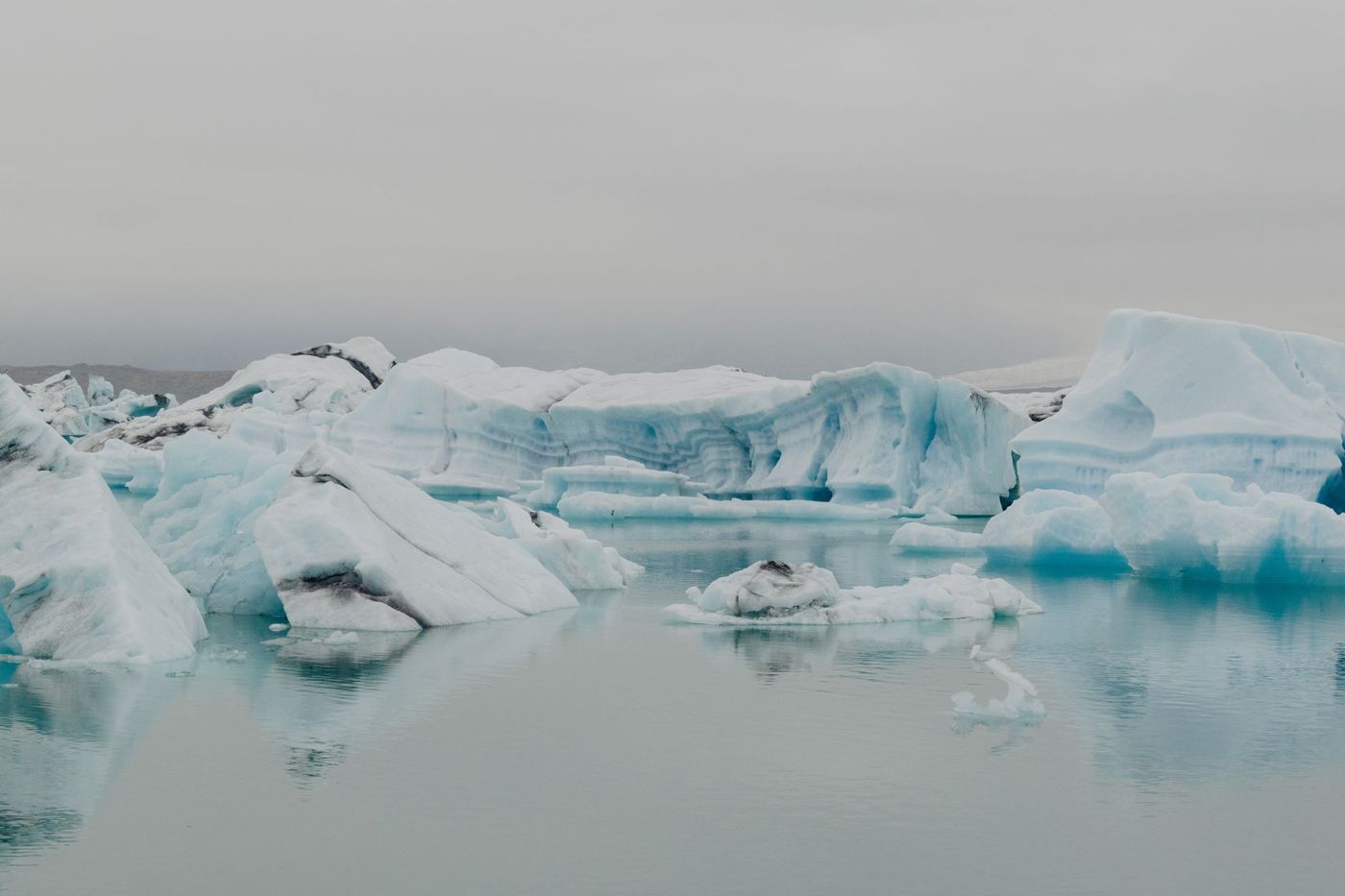
The Reykjanes Eruptions and What They Mean for a Visit
Assuming the lagoon is a fixed, unchanging fixture is the wrong way to plan around it. The current volcanic unrest on the Reykjanes peninsula began on 25 October 2023, and the blue lagoon blue lagoon Reykjavik area has closed twice since as a direct result. The first closure ran from 8 to 16 February 2024, and the second from 20 November to 6 December 2024, both tied to nearby eruptions.
The site now sits behind purpose-built lava protection barriers constructed around the Svartsengi geothermal area to shield the lagoon and its infrastructure from lava flows. As of the most recent check, no eruption is active, though magma is still accumulating beneath Svartsengi according to the Icelandic Meteorological Office, whose hazard assessment carries a publication date and an expiry and should be checked again close to any travel date.
Access decisions in an actual emergency rest with Almannavarnir, the Department of Civil Protection and Emergency Management, not with the lagoon operator or any tour company. A booked slot is not a guarantee against a closure driven by volcanic activity, and travelers with tight schedules should keep that possibility in mind rather than building a single irreplaceable day around it.
Blue Lagoon Versus Other Options
Booking the first lagoon that comes up in a search is how travelers end up paying more than they needed to, or waiting in a line they could have skipped. Among lagoons near Reykjavik, Sky Lagoon sits inside the city itself, with its Saman pass priced at 14,990 ISK and the Sér pass at 17,990 ISK, both including its 7-step spa ritual. Sky Lagoon admits nobody under 12, which rules it out for families with younger children, while the Blue Lagoon allows entry from age 2.
The city's own swimming pools are a different category entirely: an adult ticket costs 1,500 ISK, a child aged 10 to 17 pays 400 ISK, and children under 10 swim free, with a ten-visit adult pass priced at 7,000 ISK. That fee schedule took effect on 5 May 2026. A pool visit is not the same experience as a geothermal lagoon day, but it is the option Icelanders actually use, and it is worth knowing before assuming a lagoon is the only way to get in warm water in Iceland.
Group floating sessions at the Blue Lagoon are sold separately at 5,900 ISK per person. Anyone choosing between the two main lagoons is really choosing between a city-centre pass with a strict age floor and a Reykjanes site with a longer history of closures but no age floor beyond toddler age.
- Comfort package
- 11,990 ISK
- Premium package
- 14,990 ISK
- Signature package
- 18,490 ISK
- Child (11 and under)
- 2,000 ISK
- Distance from Reykjavik
- 49.2 km (30.6 mi), about 50 min
- Distance from Keflavik Airport
- 21 km (13 mi), about 15 min
- Water temperature
- 37-40°C (99-104°F)
What to Pack and What Not to Bring
Arriving without a plan for wet hair or valuables is the most common regret travelers report after a lagoon day. The silica-rich water is hard on hair, and most repeat visitors condition heavily beforehand and avoid letting hair soak loose in the water for long stretches. A swimsuit and a change of clothes are essential, and since all three packages include a towel, packing one from a hotel is unnecessary weight.
Valuables are best left in the free luggage storage near the parking lot rather than carried onto the pool deck, since lockers inside are meant for clothing and everyday items rather than a full bag. Waterproof phone cases are useful for anyone who wants a photo without risking a device in mineral-rich water that is not kind to electronics.
Because the water sits at 37 to 40°C (99 to 104°F) regardless of the season, there is no wrong month to visit for temperature reasons, though outdoor air temperature affects the walk between changing rooms and the water. Winter visits mean stepping out into cold air over wet skin for a short distance, which some travelers find bracing and others prefer to avoid by choosing a summer date instead.
- Booking required
- Yes, timed entry, pre-booking essential
- Minimum age (water)
- 2 years
- Adult supervision required to
- age 13
- Free armbands provided to
- age 8
- Water depth
- 0.9-1.45 m (3-4.8 ft)
- Surface area
- 10,000 m2 (107,600 sq ft)
- Exit water before closing
- 30 minutes
Timing a Visit Around Opening Hours
Showing up close to the stated closing time and expecting a full session is a frequent disappointment. Hours run 07:00 to 23:00 from mid-June through 20 August, narrow to 08:00 to 22:00 from 21 August through 31 January, and narrow further to 08:00 to 20:00 from 1 February into late spring. Guests must be out of the water a full 30 minutes before whichever closing time applies, so the practical last entry to the water is earlier than the posted hour suggests.
Morning slots tend to be quieter than midday and early evening, particularly in the long-daylight summer months when the site stays open past 22:00. Travelers combining a lagoon visit with an airport departure or arrival should account for the fact that the site is close to Keflavik but that the transfer, entry and changing process together take longer than the drive time alone implies.
Anyone planning international travel around a lagoon day should also check standard entry requirements ahead of departure. The US Department of State publishes country-specific travel information for Iceland, and the UK FCDO publishes its own advice for British travelers, and the two are worth checking together since they occasionally differ.
Building the Rest of the Day Around It
Treating the lagoon as an isolated stop rather than part of a route wastes a lot of driving. Since the site sits closer to Keflavik Airport than to central Reykjavik, it works well as a stop on the way in from a flight or on the way out to one, provided luggage storage and timing are arranged in advance. Travelers based in the city for several days more often treat it as a half-day trip, combining the drive with a stop in Grindavik or a nearby stretch of the Reykjanes peninsula.
Because entry is timed and separate from any transfer, the safest order of operations is booking the lagoon slot first and then arranging transport around it, rather than the reverse. A late-afternoon slot leaves a buffer before the last entry cutoff, and pairing it with an evening return avoids the crowds that build during the middle of the day in peak season.
Given that parking is free and the site is fully paved from the parking lot to the main building, travelers driving themselves have more flexibility than those relying on the coach transfer, whose schedule is fixed. Either way, the entry ticket, not the transport, is the piece of the day that has to be locked in first.