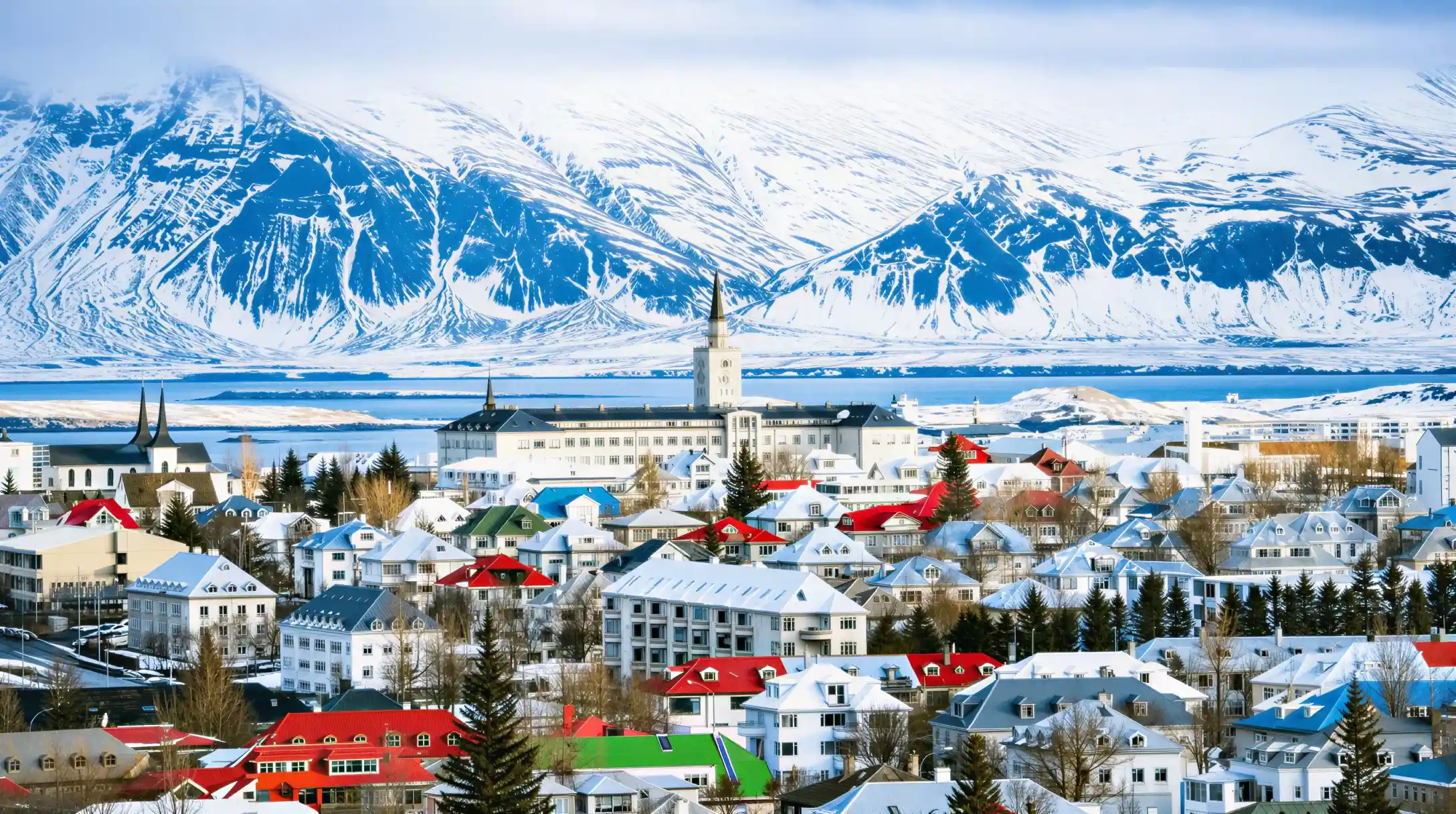
Card machines are the default in Iceland, not a backup for when cash runs out, and that surprises visitors who arrive with a pocket of freshly exchanged krona and nowhere obvious to spend it. Understanding money in Reykjavik means adjusting to a country where a contactless card pays for a bus ticket, a coffee and a campsite fee with equal ease, and where withdrawing cash is a step most trips skip entirely. This page settles what to expect at the till, what is already built into a posted price, and where a currency conversion can quietly cost more than it should.
 Our pick
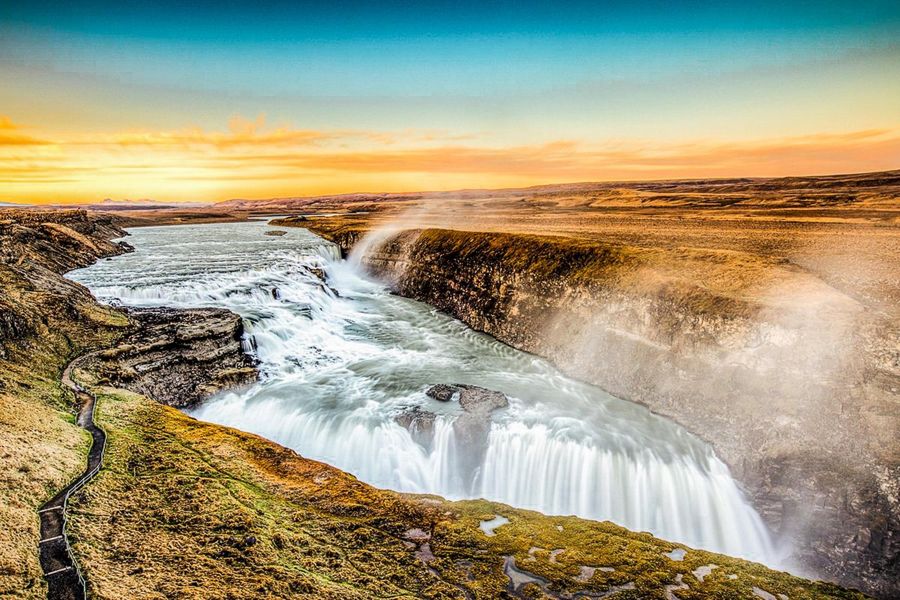
Reykjavik: Golden Circle Full-Day Tour with Kerid Crater
Golden Circle route · Kerið crater stop · Full-day guided coach
First-time visitors wanting the Golden Circle in one paid, guided day
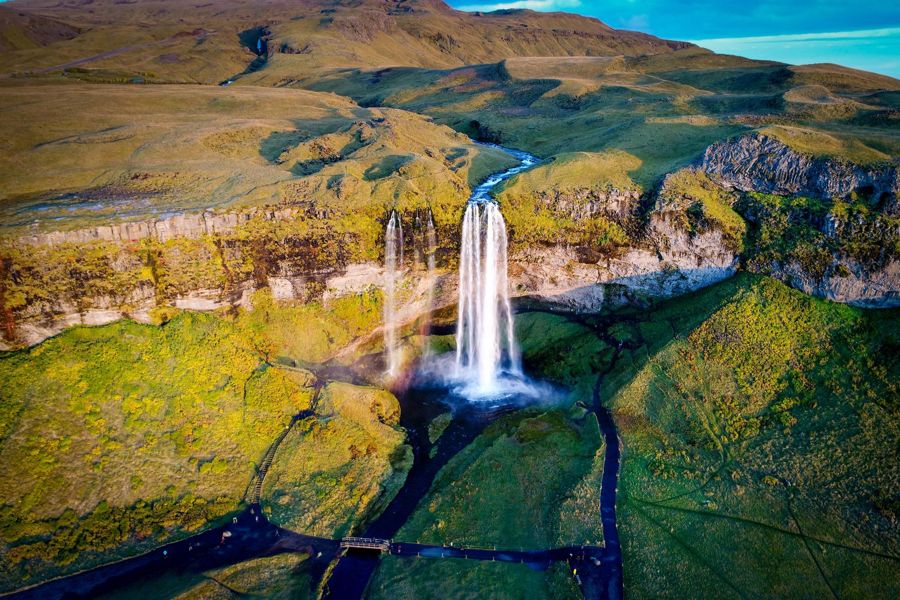
Reykjavik: South Coast Waterfalls, Black Sand & Glacier Tour
South coast waterfalls · Black sand beach · Glacier viewpoint
Travellers who want a paid tour rather than a rental car and fuel costs
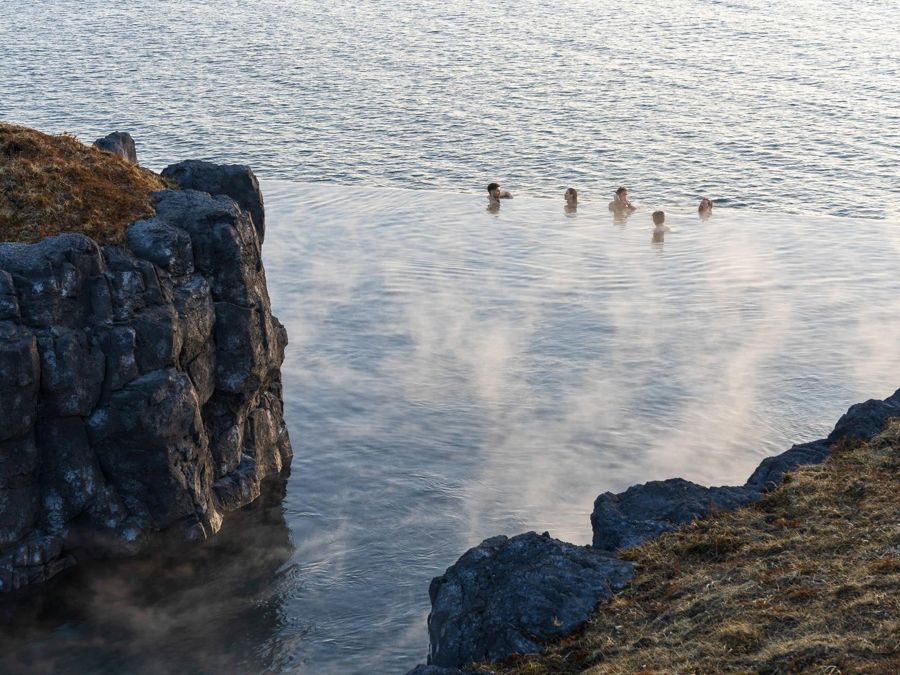
Reykjavik: Sky Lagoon Entrance Pass With 7-Step Spa Ritual
Timed lagoon entry · 7-step spa ritual · Saman or Sér package
Visitors who want a pre-booked, fixed-price lagoon entry instead of a currency guessing game
What the krona actually does on a trip
A common mistake is assuming a trip to Iceland needs a stack of local notes before departure. Reykjavik currency is the Icelandic króna, but the country runs on cards so completely that many visitors never touch a note or coin during the whole stay. Contactless payment is accepted at kiosks, taxis, pools and even some unmanned parking machines listed on the free-sights pages.
The one place a card can stall is an unmanned petrol pump, where a foreign card is only accepted if it carries a PIN rather than relying on a signature or a phone tap. Outside fuel stops, there is no everyday situation on a standard sightseeing trip that requires cash in hand.
Prices in shops, cafes and on tour listings already include Iceland's value added tax; nothing is added at the till. The VAT rate that Iceland Revenue and Customs applies is baked into every sticker price a visitor sees, which is worth knowing before comparing a number here against a pre-tax price back home.
- Sky Lagoon Saman pass
- from 14,990 ISK
- Sky Lagoon Sér pass
- from 17,990 ISK
- Þingvellir parking
- 1,000 ISK
- Geysir parking
- 1,000 ISK
- Skógafoss parking
- 1,000 ISK
- Seljalandsfoss parking
- 900 ISK
- Sólheimajökull parking
- 750 ISK
- Kerið entry
- 700 ISK flat, no child or senior rate
Where a currency conversion goes wrong
The instinct to change money at the airport before a taxi or bus ride is understandable, but currency exchange Reykjavik options are limited outside bank branches and the airport counter itself, and a traveller who assumes every high street has a bureau will be looking for a long time. Iceland's card-first habits mean exchange counters exist mainly for the rare cash need, not as a routine stop.
The trap that catches more visitors than any pricing quirk is a booking page that quietly switches currency. Sky Lagoon prices its passes in the visitor's own currency by default, showing euros to a browser set outside Iceland unless the url is given the `?currency=ISK` parameter directly. Two people comparing the same pass in two different browser sessions can see two different currencies without realising it, and a price screenshot taken in euros is not directly comparable to one taken in ISK.
Statistics Iceland and Eurostat both track how Icelandic prices sit against other markets, and Eurostat's price level index places Iceland above the EU average, a fact worth having in mind before assuming a menu price is a typo.

What exchanging cash actually involves
Travellers sometimes plan a stop at a money exchange Reykjavik counter as though it will be the first errand after landing, then find that a debit or credit card handles the entire day without one. Bank branches in the city centre and the counter at Keflavík airport are the two places this kind of exchange is routinely available, and neither is designed for large volumes of walk-in tourist trade the way exchange bureaus in some other capital cities are.
Because the country is effectively cashless, the more useful question is usually not where to exchange money but whether to bother at all. A short city stay built around cards, contactless pool entry and pre-booked tours can run without a single krona note changing hands.
Cash still has a role for anyone visiting a small rural cafe, a farm shop or a self-service honesty box in the countryside, where a card reader may not be installed. Keeping a small amount of ISK on hand for that kind of stop is a reasonable exception to an otherwise cashless plan.
Tipping, service charges and what is already paid for
Visitors from the United States in particular tend to reach for a tip calculator out of habit, then feel unsure when nobody at the till expects one. Tipping is not expected in Iceland and service is already included in the listed price at restaurants, bars and tour operators. Rounding up for exceptional service is welcome but never assumed, and no one working a counter or driving a coach is relying on a tip to make up their wage.
This extends to taxis and guided tours booked through operators: the fare or the tour price on the booking page is the full amount, with no separate gratuity line expected at the end. Adding one is a personal choice, not a local convention, which is a relief for readers used to calculating percentages in restaurants at home.
Because service is folded into the price rather than added at the end, a bill in a Reykjavik restaurant reads closer to a final total than the same bill would in the United States, where tax and tip both arrive after the fact.
Reading a price tag without guessing
A number on a menu or a tour listing in Iceland is the number paid, since tax and service are both already inside it, unlike a trip where sales tax and tip are calculated separately at the end. That single habit change removes most of the budgeting confusion visitors bring with them.
Where prices differ is not in what is added at the register but in the level of prices generally. Eurostat's comparison of price levels across Europe puts Iceland well above the EU average, which explains why a coffee, a meal out or a taxi ride can feel steep compared with mainland Europe even before any currency conversion is applied.
Building a daily budget around card payments, a handful of pre-booked activities and no assumption of cash withdrawals is the simplest way to avoid both a scramble for an exchange counter and a mismatched price comparison caused by a booking page defaulting to the wrong currency.
Common questions
Do I need to bring cash to Iceland?
No everyday situation on a standard Reykjavik trip requires it. Cards are accepted almost everywhere, and even unmanned parking machines at natural sights take cards.
Why does a foreign card sometimes fail at a petrol pump?
Unmanned pumps require a card with a PIN rather than a signature or a phone tap. A card without a PIN set up may be declined there even though it works everywhere else.
Is tax already included in prices in Reykjavik?
Yes. Iceland Revenue and Customs' value added tax is built into the price shown on menus, tickets and tour listings, with nothing added at the till.
Why did a Sky Lagoon price look different online than expected?
Sky Lagoon's own site shows prices in the visitor's browser currency by default and switches to Icelandic krona only when the url includes the currency parameter for ISK.
Is tipping expected in restaurants and on tours?
No. Service is included in the listed price, and any extra amount left is a personal choice rather than a local expectation.