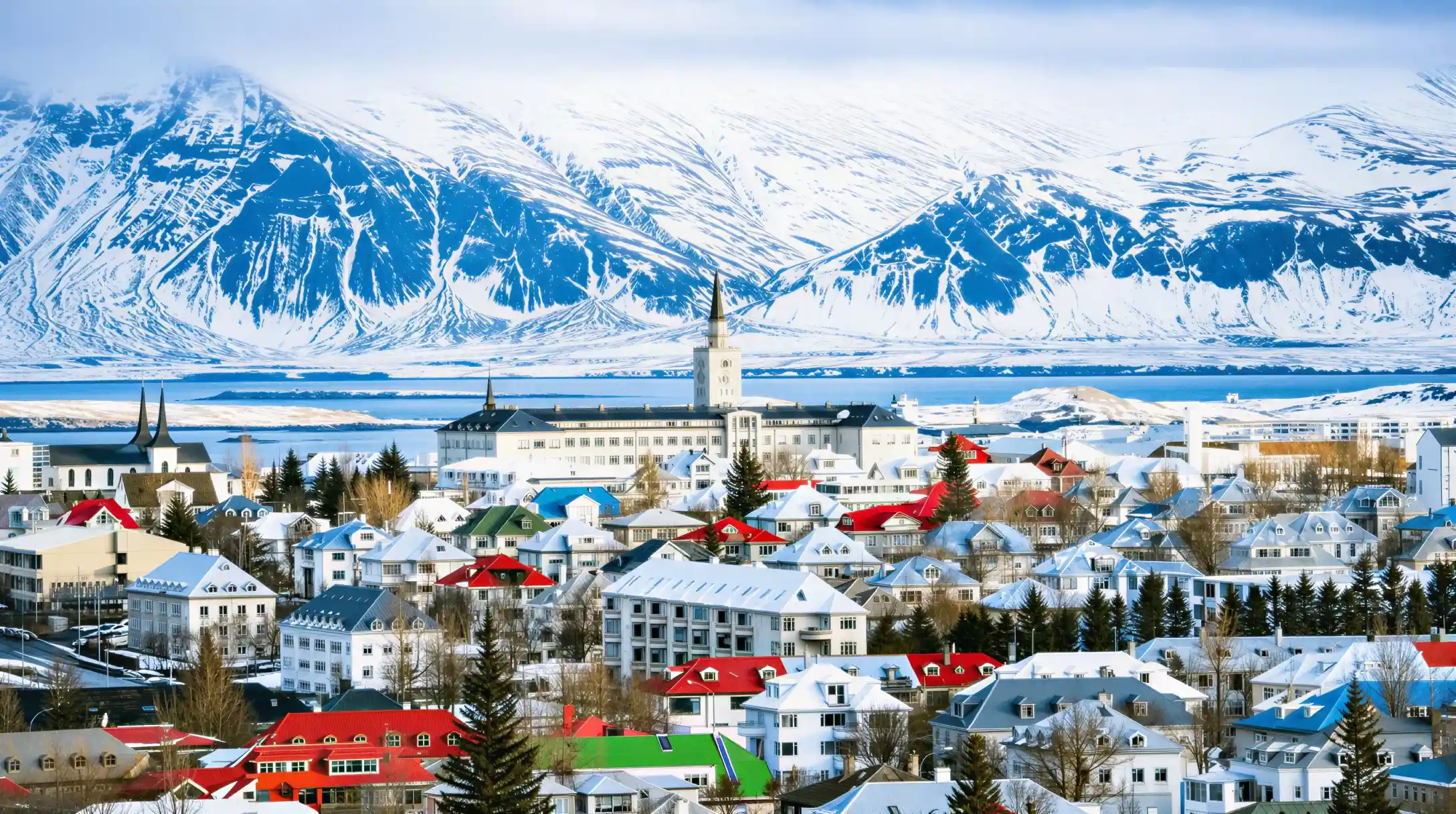
Most people assume a port call and a departure are the same thing, and they are not. A reykjavik cruise that starts or ends in the city is a different trip from a ship that simply calls for a day: the passenger has already flown in, or is about to fly out, and the city is the start or close of the whole voyage rather than a few hours ashore. That distinction decides where the ship docks, how much time is built around the sailing, and what a traveller needs to arrange before or after. This page settles the shape of those departures and returns: the routes that begin or end in the city, the seasons they run in, and the two docks a ship might use. It does not cover what to do during a single day ashore on a ship calling at the port, which sits on its own page. What follows is the framework for anyone booking a sailing that starts in Iceland's capital rather than merely stopping there, plus what the city itself offers in the days either side of boarding.
Ways to spend the days around a sailing
 Our pick
Golden Circle Full-Day Tour with Kerid Crater
4.76/5 (26,671 reviews) · A single day covering Þingvellir, Geysir and Gullfoss before boarding
4.76/5 (26,671 reviews) · A single day covering Þingvellir, Geysir and Gullfoss before boarding

South Coast Waterfalls, Black Sand & Glacier Tour
4.76/5 (12,274 reviews) · A longer land day for waterfalls and the black sand coast
4.76/5 (12,274 reviews) · A longer land day for waterfalls and the black sand coast
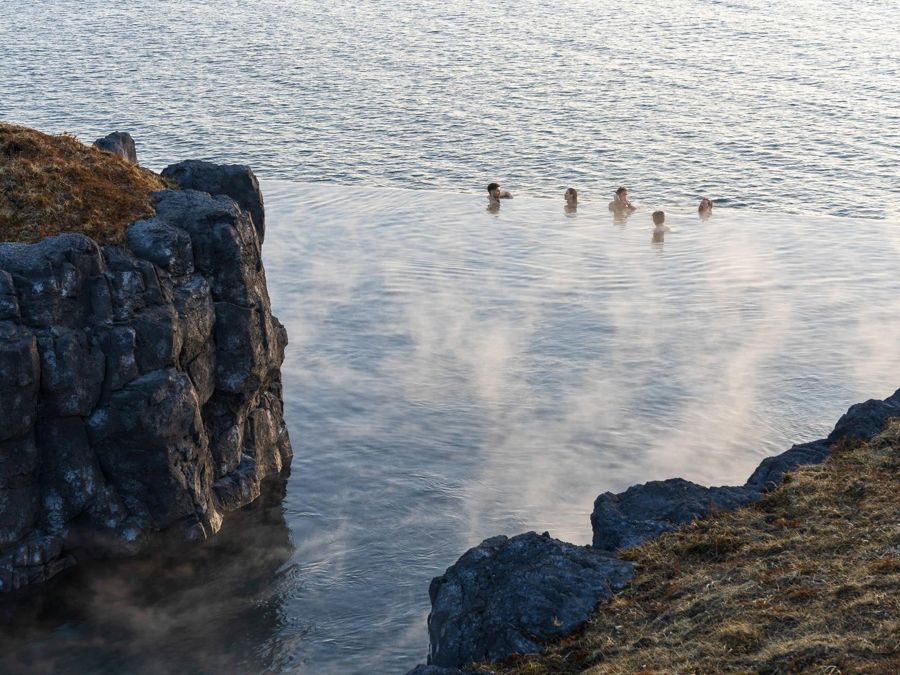
Sky Lagoon Entrance Pass With 7-Step Spa Ritual
4.83/5 (7,388 reviews) · Winding down after disembarking
4.83/5 (7,388 reviews) · Winding down after disembarking
Where a ship actually ties up
A reader picturing one central pier is picturing the wrong city. Reykjavik has two working cruise docks, and which one a ship uses depends on its size and the operator's own arrangement with the port, not on anything a passenger controls in advance. Skarfabakki, east of the old harbour, takes the larger ships; the older harbour berths closer to the city centre handle smaller vessels. A traveller booking a departure or return in the city should confirm the assigned berth through the line rather than assume a walk into downtown, since the distance from each dock into the centre is not the same.
The Reykjavik cruise port sits at the edge of a compact capital, which matters more for a start or end of voyage than for a single call. Someone flying in a day early, or staying on after disembarking, is working from a city centre a few kilometres from either berth, with the airport itself another 45 minutes further south near Keflavik. None of that changes what happens on board, but it changes how a traveller plans the transfer at each end of the trip, since a departure or arrival day carries luggage and a flight connection that a routine port call does not.
Ships sailing cruises out of Reykjavik load and unload passengers in a way a mid-voyage call does not: everyone boards or disembarks at once, rather than the rolling flow of shore excursions and returns that marks a single stop. That means the terminal building, the taxi queue and the transfer options around the dock see heavier use on a departure or arrival day than on any other day of the same voyage, worth building slack into a schedule for.
What the season actually rules out
A traveller booking on the promise of the aurora is booking on a fact that has nothing to do with the ship and everything to do with the calendar. A northern lights cruise Reykjavik departure only has a chance of a display during the dark months: the season for any sighting runs from late August to mid-April, since it is bounded by darkness, not by the aurora itself. Reykjavik has around 21.2 hours of daylight in June and about 4.1 hours in December, so a summer sailing timed for long days and mild weather is, by the same choice, a sailing with no realistic chance of seeing anything in the sky after dark.
That trade runs the other way too. A winter departure trades daylight for darkness and for rougher North Atlantic conditions, which is a fair exchange for someone whose priority is the sky and not the deck. Neither season is more correct than the other; they simply answer different priorities, and a traveller should pick the one that matches what they actually want from the trip rather than assume both are available at once.
The days around a sailing are also where pre and post cruise tours in Reykjavik earn their place. A traveller with a day or two before boarding, or after stepping off, is working with fixed land time in a city built for exactly that kind of half-day or full-day excursion, rather than trying to fit sightseeing around a moving ship's schedule.
The route that circles the island
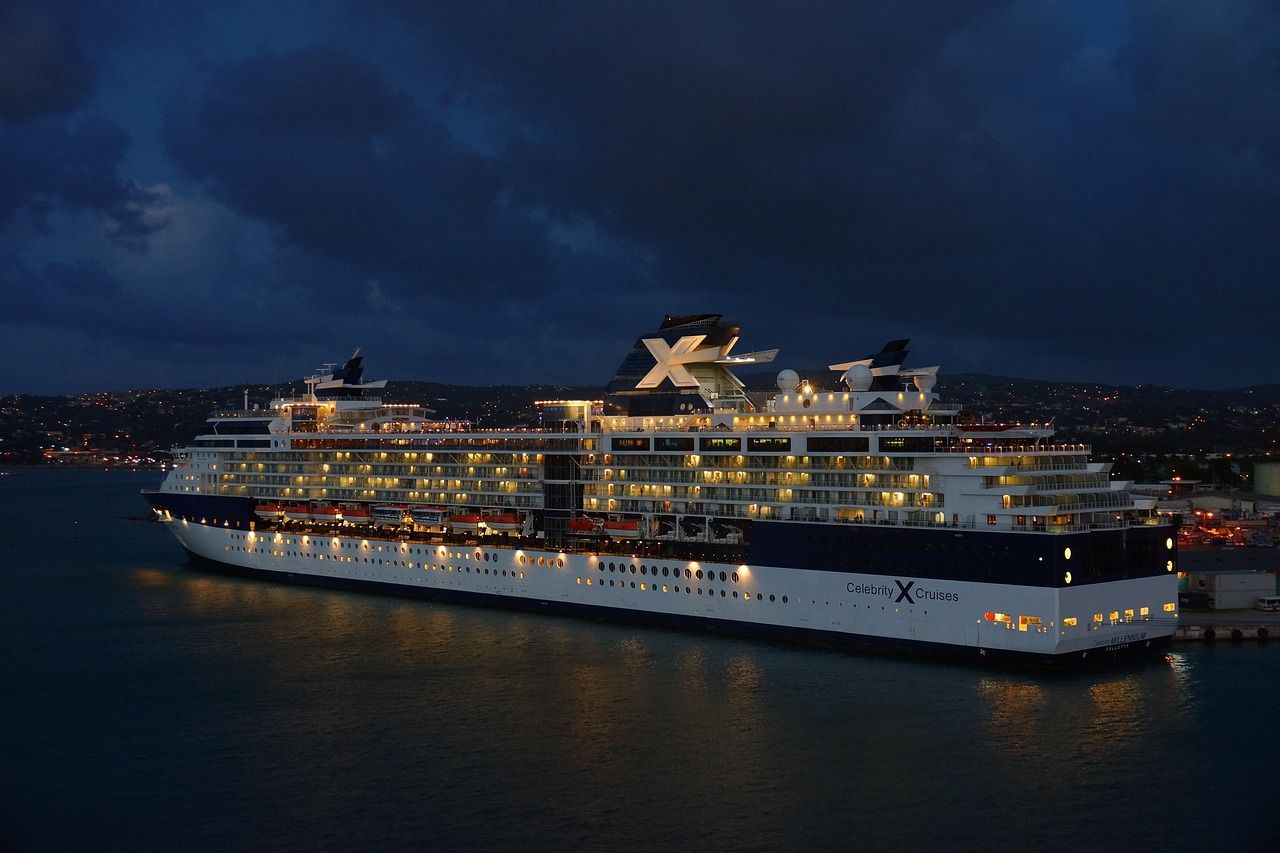
A traveller who assumes every sailing out of the capital heads for open ocean crossings is missing the route that stays close to home. Cruises around Iceland from Reykjavik circle the island's coastline rather than cross an ocean, calling at ports and fjords around the country before returning to the same city. That shape suits a traveller who wants to see more of Iceland's coast without driving it, and who prefers a single departure point over flying between regions.
A circumnavigation is a different commitment from a transatlantic or a one-way repositioning voyage, both in the ground it covers and in how it starts and ends. It begins and ends in the same port, which simplifies the transfer at each end of the trip: one flight in, one flight out, both routed through the same city and, for most travellers, the same airport near Keflavik. That single point of entry and exit is the practical advantage a round-Iceland sailing has over a route that starts in one country and finishes in another.
Choosing what kind of sailing this is
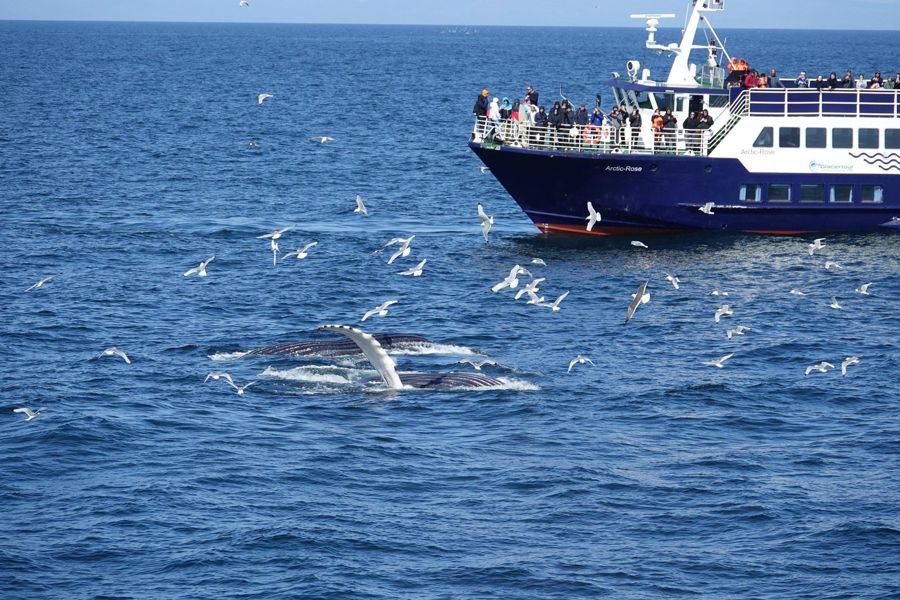
Cruises from Reykjavik split into a small number of shapes, and confusing one for another is the easiest planning mistake to make. Some begin and end in the city and circle Iceland's coast, returning to the same berth. Others cross the North Atlantic, using Reykjavik as one end of a longer transatlantic route between Europe and North America rather than as the whole journey. A few are repositioning voyages, moving a ship between seasonal routes with Iceland as a stop along the way rather than a start or finish point.
The difference matters for what a traveller packs, books and plans around the sailing. A round-Iceland route means one flight home from the same airport a traveller flew into. A transatlantic or one-way route means arranging a flight from a different country than the one flown into, which changes the logistics of the trip well beyond the ship itself. Working out which shape a given sailing takes, before booking anything on land, is the first decision that everything else follows from.
- Aurora season
- Late August to mid-April
- Daylight in June
- About 21.2 hours
- Daylight in December
- About 4.1 hours
- Airport to city centre
- About 45 minutes
The building itself, and what sits around it
A traveller expecting a single large terminal building the way some cities have one will find something smaller. The Reykjavik cruise terminal at Skarfabakki serves the larger ships that dock east of the old harbour, with facilities scaled to a port that handles seasonal cruise traffic rather than year-round container and ferry volume on the same scale as some rival capitals. Ground transport, taxis and pre-booked transfers gather at the terminal on departure and arrival days, and a traveller meeting a private transfer should confirm the pickup point tied to the specific berth in use.
The older harbour, closer to the city centre, handles the smaller vessels and puts passengers within easy reach of downtown streets on foot. Which dock a given sailing uses is set by the ship's size and the port's own allocation, not by anything a passenger arranges, so the practical step is confirming the assigned berth with the cruise line ahead of the sailing date rather than assuming either location by default.
- Skarfabakki
- Larger ships, east of the old harbour
- Old harbour
- Smaller vessels, closer to downtown
The longer routes north
Some of the longest sailings from the city run well beyond a week and beyond Iceland's own coastline. A 7-night northern europe cruise from Reykjavik links Iceland with ports elsewhere in northern Europe, a longer commitment than a round-Iceland route and one that usually means flying home from a different country than the one flown into. A traveller weighing this kind of route against a shorter circumnavigation is really weighing two different trips: one that stays inside Iceland's coastal waters and returns to the same airport, and one that treats the city as a single stop on a wider northern European itinerary.
That longer shape asks more of the planning around the sailing. A traveller flying into Reykjavik to join a route that ends somewhere else needs a one-way flight home rather than a return, and needs to build in enough slack around the embarkation date to allow for a delayed inbound flight, since missing a fixed departure has larger consequences on a longer, multi-country route than on a shorter one that returns to the same port.

The question worth settling before departure day
Where do cruise ships dock in Reykjavik is the practical question behind most of the planning above, and the honest answer is that it depends on the ship. The port operates two working berths, Skarfabakki for larger vessels and the old harbour for smaller ones, and a traveller cannot assume either one without checking the specific sailing. That single fact decides the taxi journey, the walking distance into the centre and the meeting point for any pre-booked transfer.
Confirming the berth is a small step with an outsized effect on a departure or arrival day, since it is the day carrying luggage, a flight connection and, often, a group travelling together. A traveller who checks the assigned dock against the cruise line's own documentation, rather than against a general assumption about the port, avoids the single most common mix-up on this kind of trip: arriving at the wrong harbour on the one day that leaves no room to recover the time.
Common questions
Does every ship use the same dock in Reykjavik?
No. The port has two berths, Skarfabakki for larger ships and the old harbour for smaller ones, and the assignment depends on the vessel and the operator's arrangement with the port.
Is a summer sailing or a winter sailing better for seeing the northern lights?
Winter, since the aurora season runs from late August to mid-April and is bounded by darkness. A June sailing has close to 21 hours of daylight and no realistic chance of a sighting.
Do all sailings from the city return to the same port?
No. A round-Iceland route returns to the same berth it left from, while a transatlantic or repositioning route ends in a different country, which changes the return flight a traveller needs to book.
How far is the airport from the cruise docks?
Keflavik is about 45 minutes from the city centre, where both cruise docks are located.