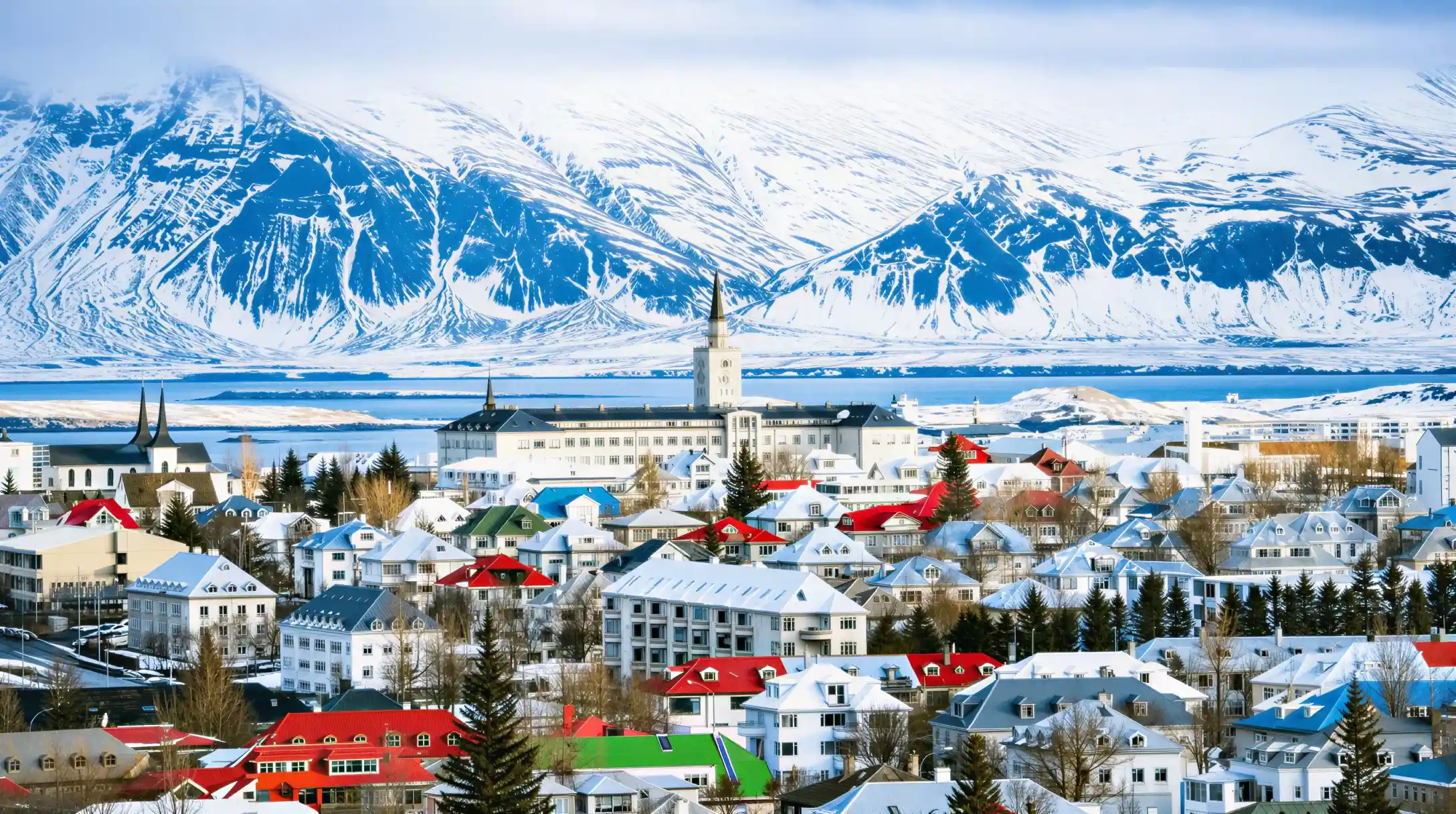
Packing for a trip based on last year's photos of the Blue Lagoon in steam is the wrong plan for June. Reykjavik weather june sits far milder than the rest of the year, but a jacket still belongs in the bag. Average highs reach 13.0°C (55°F) and lows sit around 7.2°C (45°F), a narrow band that a bright afternoon can mask. This page sets out what June actually does with temperature, rain and daylight, and what that means for a highland road, a midnight walk, or a raincoat left at home.
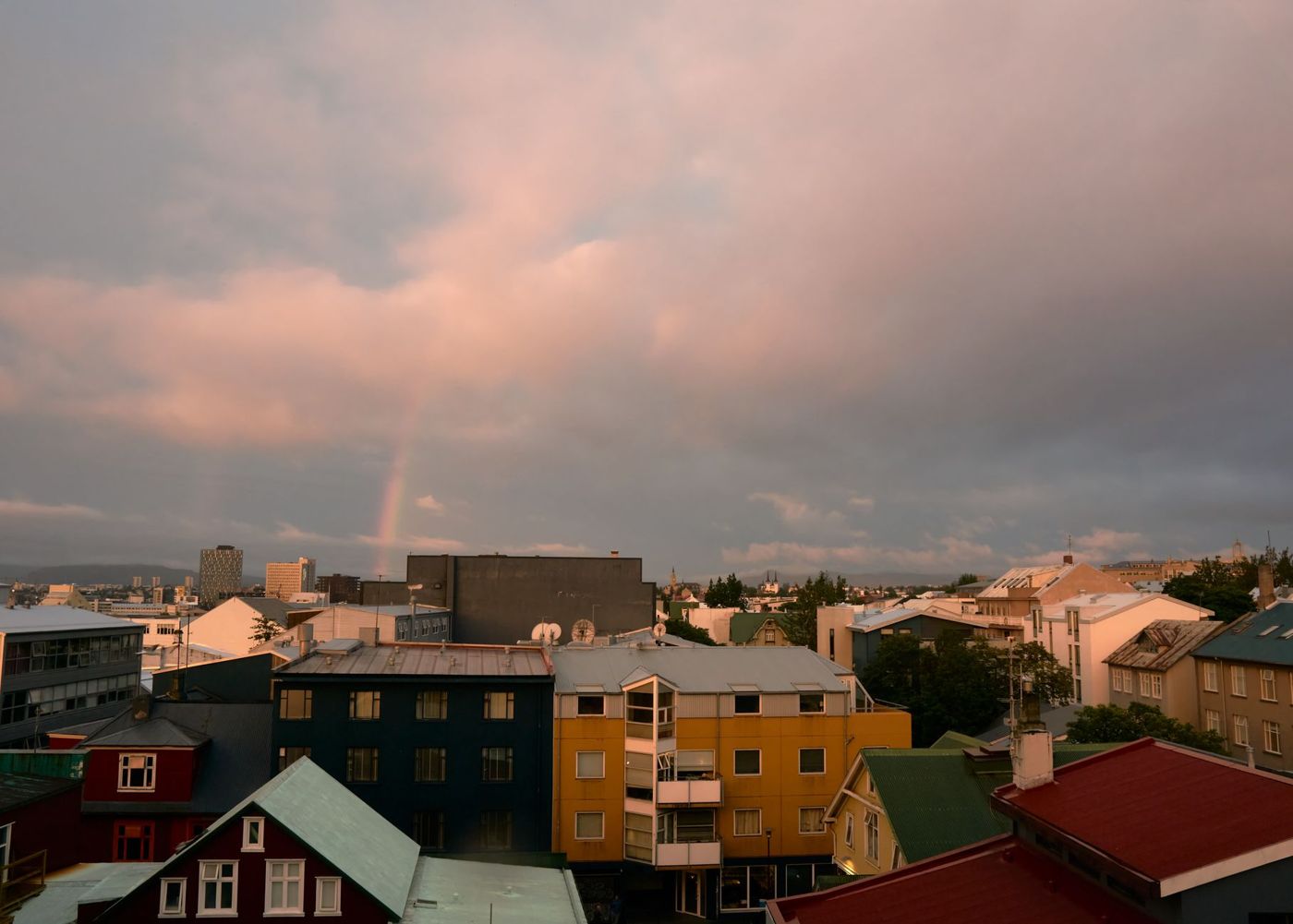
Cloud and a shower can arrive inside an otherwise mild day, and the wind off the bay cuts the felt temperature more than the number on a forecast suggests. Layers do the work that a single heavy coat cannot.
 Our pick
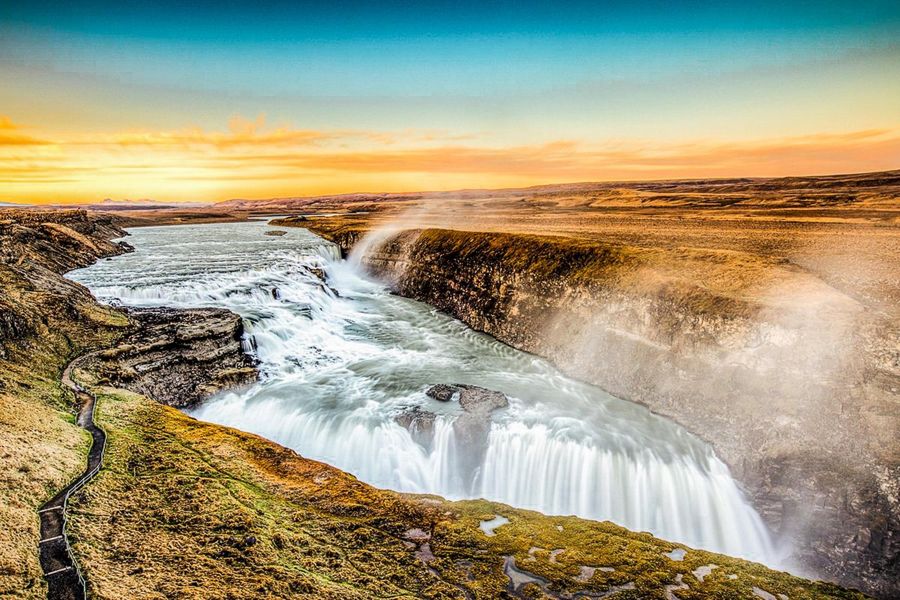
Reykjavik: Golden Circle Full-Day Tour with Kerid Crater
Full-day guided tour of the Golden Circle route with a stop at Kerid Crater
A first day out of the city covering the classic sights in one trip
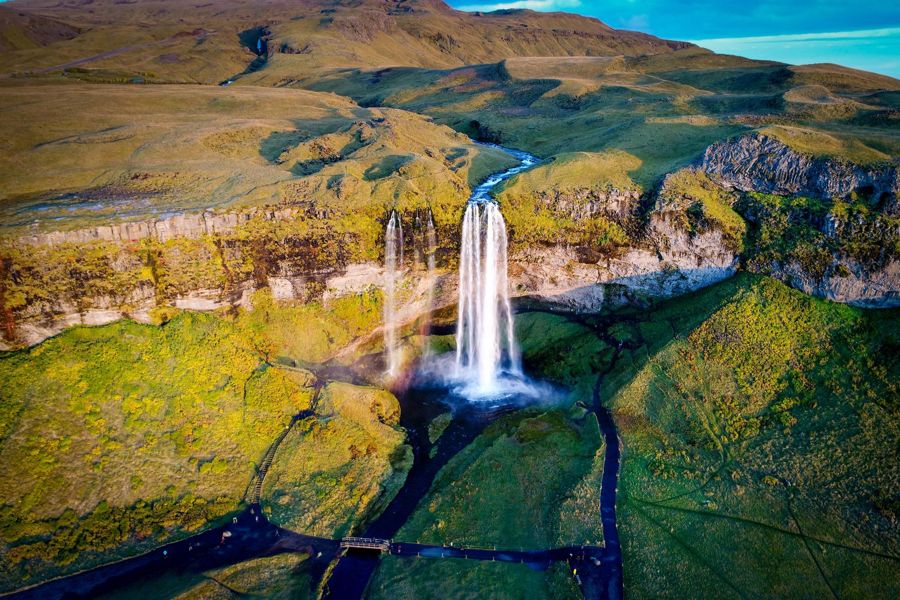
Reykjavik: South Coast Waterfalls, Black Sand & Glacier Tour
Full-day tour of south coast waterfalls, black sand beach and a glacier stop
Travelers who want the south coast covered in a single guided day
Reading a June forecast in Reykjavik
A sunny icon on a weather app does not mean a warm day here. June's average high of 13.0°C (55°F) is the number that matters more than the forecast symbol, and a "sunny" reading can still sit under a cold wind coming off the water. Visitors from a warmer June climate often leave the raincoat at the hotel because the sky looks clear at breakfast, then get caught out by an afternoon shower that passed through and left again within the hour.
The average low of 7.2°C (45°F) is the number to plan evenings around. A walk after dinner in June can still call for a fleece or a windproof layer, even though the sun has not set and will not set in any meaningful sense for weeks either side of the solstice. Pack layers that go on and off easily rather than one coat rated for a single temperature. A base layer, a mid layer and a shell that blocks wind cover the range this month actually delivers, from a mild midday to a cooler late evening.
Rain in June tends to arrive as a passing shower rather than a settled system, which is a different kind of packing problem than steady winter rain. An umbrella fights the wind more than it helps; a hooded waterproof shell handles a June shower better and does not turn inside out on the waterfront. None of this rules out a short-sleeve afternoon. It rules out assuming the whole day will be one.
- Average high
- 13.0°C (55°F)
- Average low
- 7.2°C (45°F)
- Daylight at the June solstice
- 21.2 hours
- Average annual precipitation (Reykjavik station)
- 875.9 mm (34.5 in)
What the daylight changes about a June day
Visitors expect a long summer evening and end up with something stranger: June in Reykjavik does not get dark at all near the solstice. Daylight runs to 21.2 hours around 21 June, with sunrise near 02:55 and sunset near 00:04 the next day, according to the Icelandic Meteorological Office. That is not dusk lasting a long time. It is a bright night with no real darkness in between, and it changes how a day here gets planned rather than just how long it lasts.
Restaurants and shops keep their usual hours regardless of how light it stays outside, so the extra daylight is not extra opening time, it is extra time to be outdoors. Things to do in Reykjavik in june tend to lean into that: a late walk along the harbour at an hour that would be pitch dark at home, a tour departing in what looks like late afternoon light at ten in the evening, or simply a longer window to fit a day trip into before the light fades, because here it barely does. Blackout curtains or an eye mask matter more for sleep than any clothing choice on this page.
The same brightness rules out an activity many summer visitors ask about anyway. No aurora is visible in June however strong the display is, because the sky never gets dark enough to show it. That season sits elsewhere on the calendar and belongs to its own page, not this one.
Roads that are closed all winter start opening in June
A rental car itinerary built from a summer road map can run straight into a route that is not open yet. Iceland's highland F-roads spend the winter and much of spring closed, and June is when that changes, gradually and not all at once. The F208 opens around 2 June on average and the F225 around 16 June, dates set each year by Vegagerðin, the road authority, rather than fixed on a calendar. Ferðafélag Íslands runs its Landmannalaugar service from about 20 June to 15 September, which brackets the whole of the highland hiking season most visitors are picturing when they plan a June trip.
An opening date is an average, not a guarantee for any specific week, so a highland route planned for the first days of June deserves a check against the current status rather than an assumption that last year's date holds. The ring road and the lowland routes to the south coast and the Golden Circle carry none of this uncertainty; they run year round and are not affected by the same spring thaw that keeps the F-roads shut. The distinction matters most for a self-drive itinerary that reaches past the ring road into the interior.
Whales and puffins share June, not every month
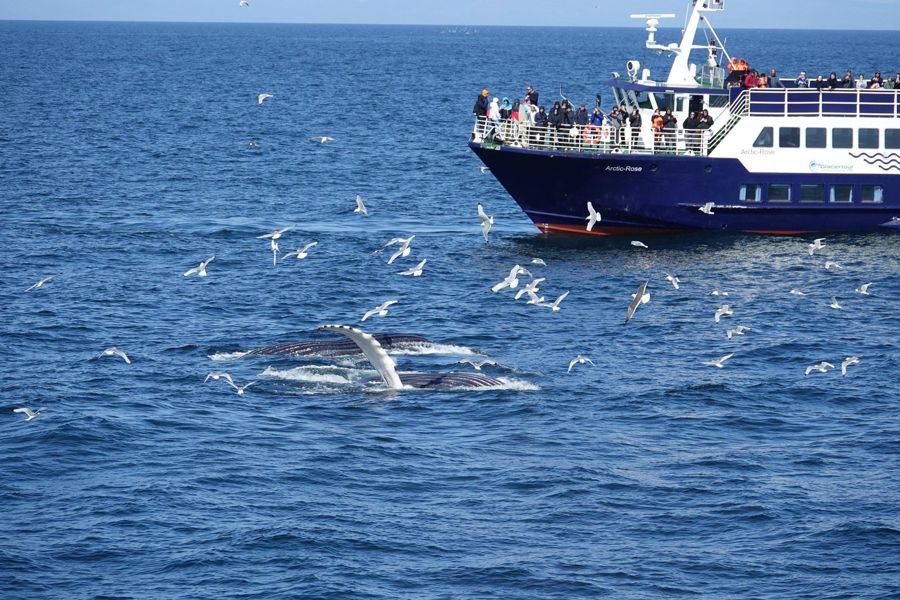
A whale watching brochure photographed in July gets assumed to apply all year, and puffins get the same treatment. Whale sailings run year round with a strong summer skew, so June sits well inside the reliable window. Puffins are a narrower case: they are on the islands off Reykjavik roughly from May to August, which puts June inside their season but closer to its start than its middle.
Neither animal is guaranteed on a single sailing, and a June booking sits in the part of the year when both are actually present rather than the months when an operator's listing photo is the only evidence. A trip planned for late April or September is planning around a different set of odds than one planned for June, even if the tour name on the page reads identically in both months.
What to pack for June and what to leave behind
A single heavy winter coat is the wrong item for June and takes up bag space better spent on layers. The average high of 13.0°C (55°F) and average low of 7.2°C (45°F) call for a base layer, a warm mid layer and a windproof, waterproof shell that can go on over both. That shell earns its space more than an umbrella does, since June's showers tend to pass through quickly on a wind that an umbrella cannot handle on the waterfront or an open viewpoint.
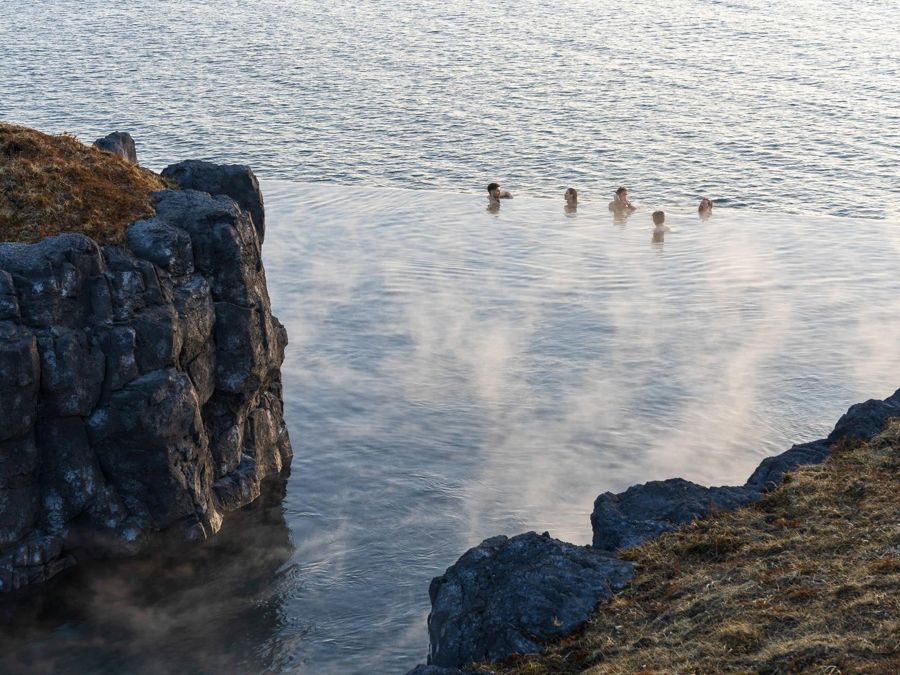
Sturdy, closed shoes matter more than they look like they should for a city trip, since even a short walk to a waterfall or along a coastal path crosses wet or uneven ground. An eye mask or blackout curtains solve the sleep problem the daylight creates, which is a more common complaint from June visitors than the temperature itself. Swimwear belongs in the bag regardless of the forecast: Reykjavik's geothermal pools and lagoons stay warm through cool weather and cold rain alike, and a June evening at one is a comfortable plan even under grey skies.
Common questions
Does it get dark in Reykjavik in June?
No. Around the solstice on 21 June, daylight runs to about 21.2 hours, and the sky stays bright through what would be night in other months rather than turning fully dark.
Is June warm enough to skip a jacket in Reykjavik?
No. Average highs sit near 13.0°C (55°F) and average lows near 7.2°C (45°F), and wind off the water can make a mild afternoon feel cooler than the number suggests.
Can the highland roads be driven in June?
Some can, but not from the start of the month. The F208 opens around 2 June and the F225 around 16 June on average, with the actual date set each year by the road authority.
Will there be an aurora display visible in June?
No. With close to 21.2 hours of daylight around the solstice, the sky does not get dark enough for an aurora to be seen, whatever the activity levels are doing.