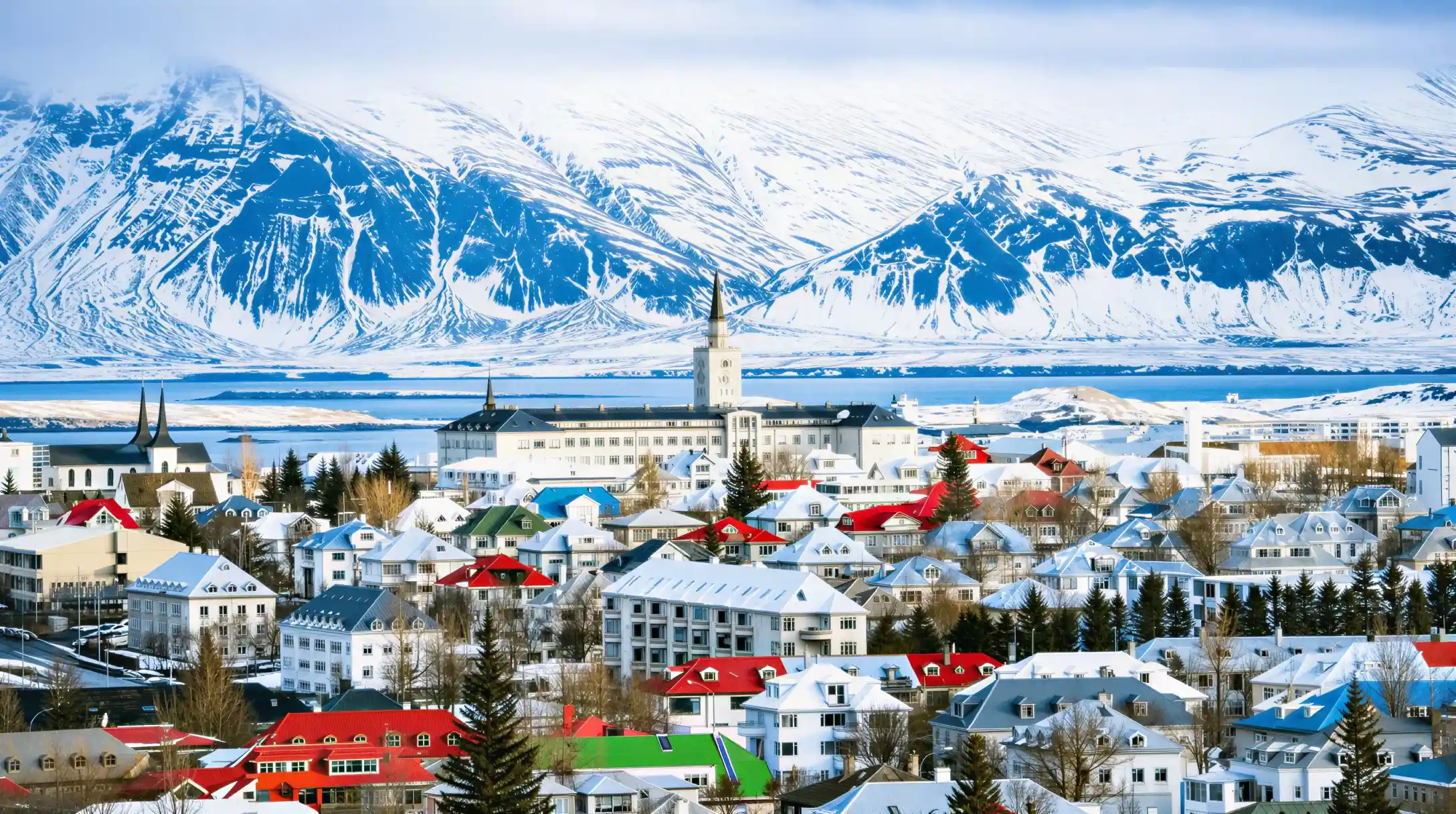
Most people planning a Reykjavik itinerary start with the wrong question. They ask how many sights fit into a weekend, when the better question is how much daylight and weather they are actually working with. Iceland's capital changes shape by the month: in June the sky stays light for 21.2 hours around the solstice, while in December there are only 4.1 hours of daylight to plan around. That single fact decides more of a trip than any list of museums.
This page settles the length question first, then hands off to a dedicated itinerary for each duration, from a single day to a full week. A short stay of one or two days works if the goal is the city itself: the old harbour, the pools, a food market, maybe one day tour. Three or four days is the range that lets a single South Coast or Golden Circle day trip sit alongside real time in the city without a rushed morning. Five to seven days opens the country beyond the capital region, at the cost of driving.
None of this depends on the season matching a postcard. Reykjavik in January and Reykjavik in July are close to two different destinations, and the itinerary below is built to work with whichever one a reader is landing into, not against it.
 Our pick
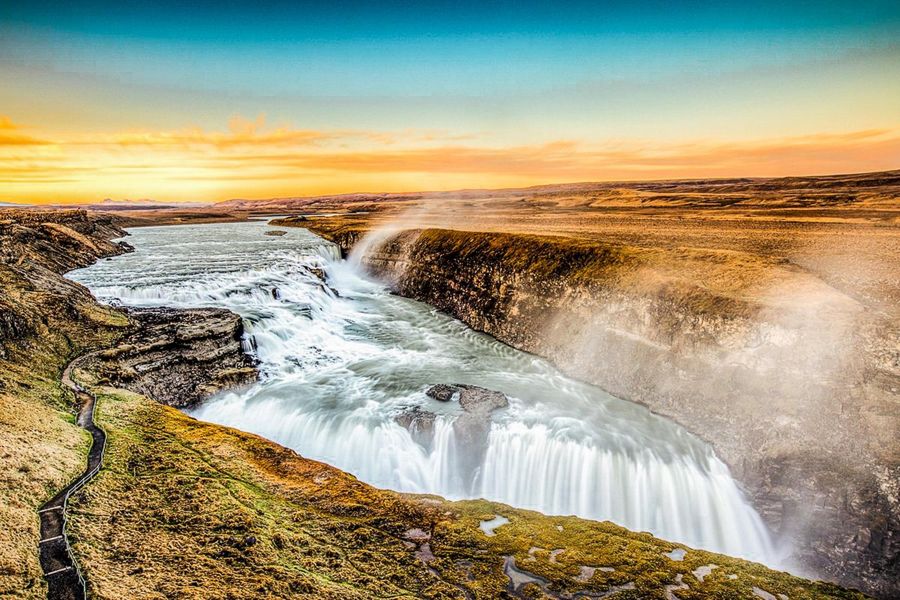
Reykjavik: Golden Circle Full-Day Tour with Kerid Crater
Full-day coach transport · Kerið crater entry · Golden Circle stops
A first full day out of the city with no rental car
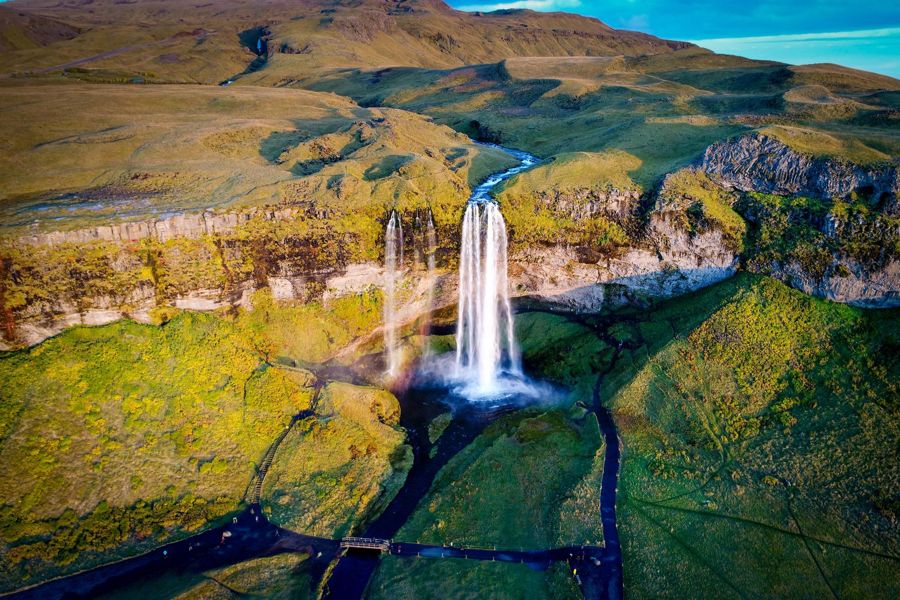
Reykjavik: South Coast Waterfalls, Black Sand & Glacier Tour
Waterfall stops · Black sand beach · Glacier viewpoint
A second full day for travellers staying three days or more
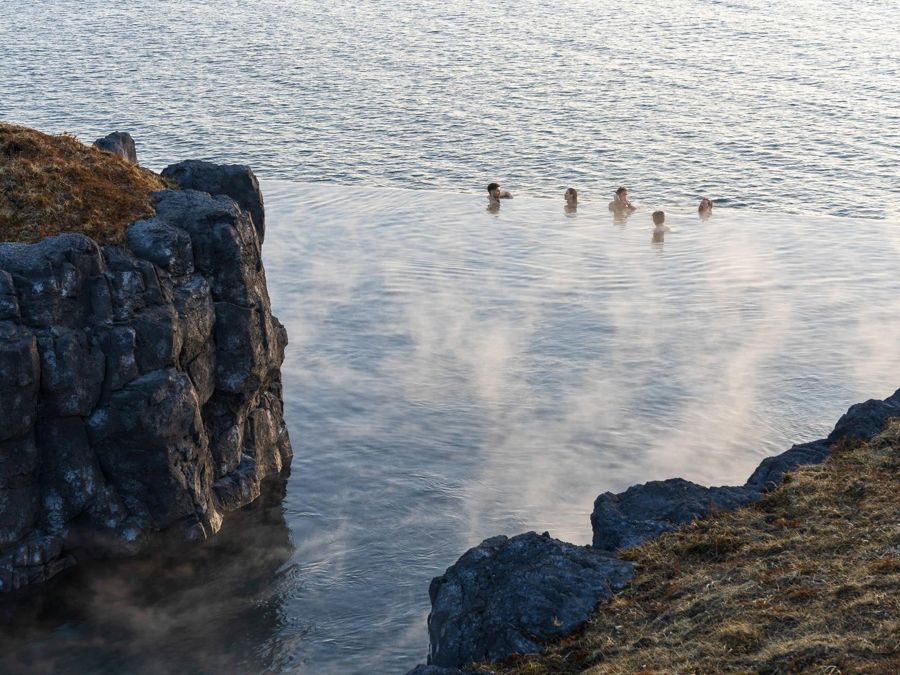
Reykjavik: Sky Lagoon Entrance Pass With 7-Step Spa Ritual
Lagoon entry · 7-step ritual access
An evening slot after a driving day, minors under 12 not admitted
Building the trip around what is actually open
A reader trying to plan a Reykjavik itinerary like a local tends to work backwards from a fixed list of landmarks, then discovers halfway through booking that half of them run on a season. The highland roads are the clearest example: F208 opens around 2 June on average and F225 around 16 June, and Ferðafélag Íslands runs Landmannalaugar only from about 20 June to 15 September, all decided by Vegagerðin each spring rather than fixed on a calendar. An itinerary that puts Landmannalaugar into a March trip is simply wrong, whatever a list article says.
Aurora and ice caves work the same way in reverse. The aurora season runs from late August to mid-April, bounded by darkness rather than by the display itself, which is why a June evening in Reykjavik will not show anything no matter how active the forecast looks according to the Icelandic Meteorological Office. Natural ice caves are a winter product too, open roughly November to March, while the Langjökull ice tunnel is man-made and runs all year. Puffins are the opposite case again: they nest on the islands off Reykjavik roughly May to August, and whale watching sails year-round with a stronger run in summer.
None of this needs to complicate the trip. It just means the order of operations should be season first, then length of stay, then the specific days. A traveller who fixes the dates before the wishlist avoids booking something that will not be running when they land.
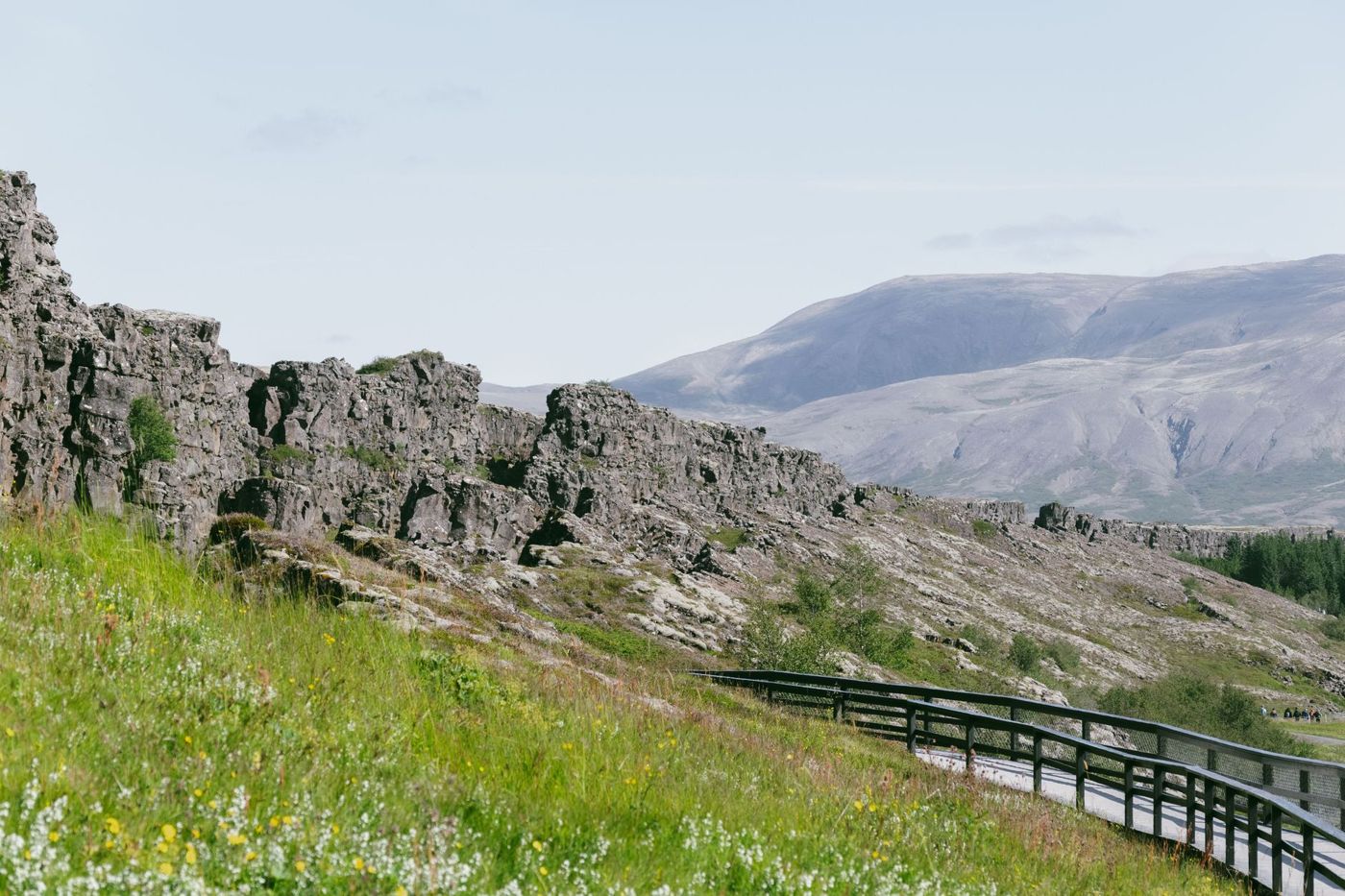
What a single extra day actually buys
The honest answer to how many days in Reykjavik a trip needs depends on whether the goal is the city or the country around it. Two full days covers the compact centre: the harbour, Hallgrímskirkja, the geothermal pools, a market for Icelandic food, and still leaves room for one day tour without a rushed morning or a late return. Reykjavik itself is not large. The city proper holds 139,804 people and the greater capital region 253,230, according to Statistics Iceland, and the walkable core covers a fraction of the city's 244 square kilometres.
Every day added past two buys a day trip rather than more city. A third day is usually the Golden Circle or the South Coast; a fourth adds the other one. Past four days, the return on an extra night in Reykjavik itself drops, because the sights inside the city are largely seen by day two. What a fifth, sixth or seventh day buys instead is distance: a trip to the north, a multi-day loop of the Ring Road, or enough slack to wait out a weather day without losing a booked tour.
The traveller who benefits least from extra nights is the one who only wants the capital. The traveller who benefits most is the one planning to leave it, because Iceland's driving distances make day trips from Reykjavik long, and an extra night nearer a destination often saves more time than it costs.
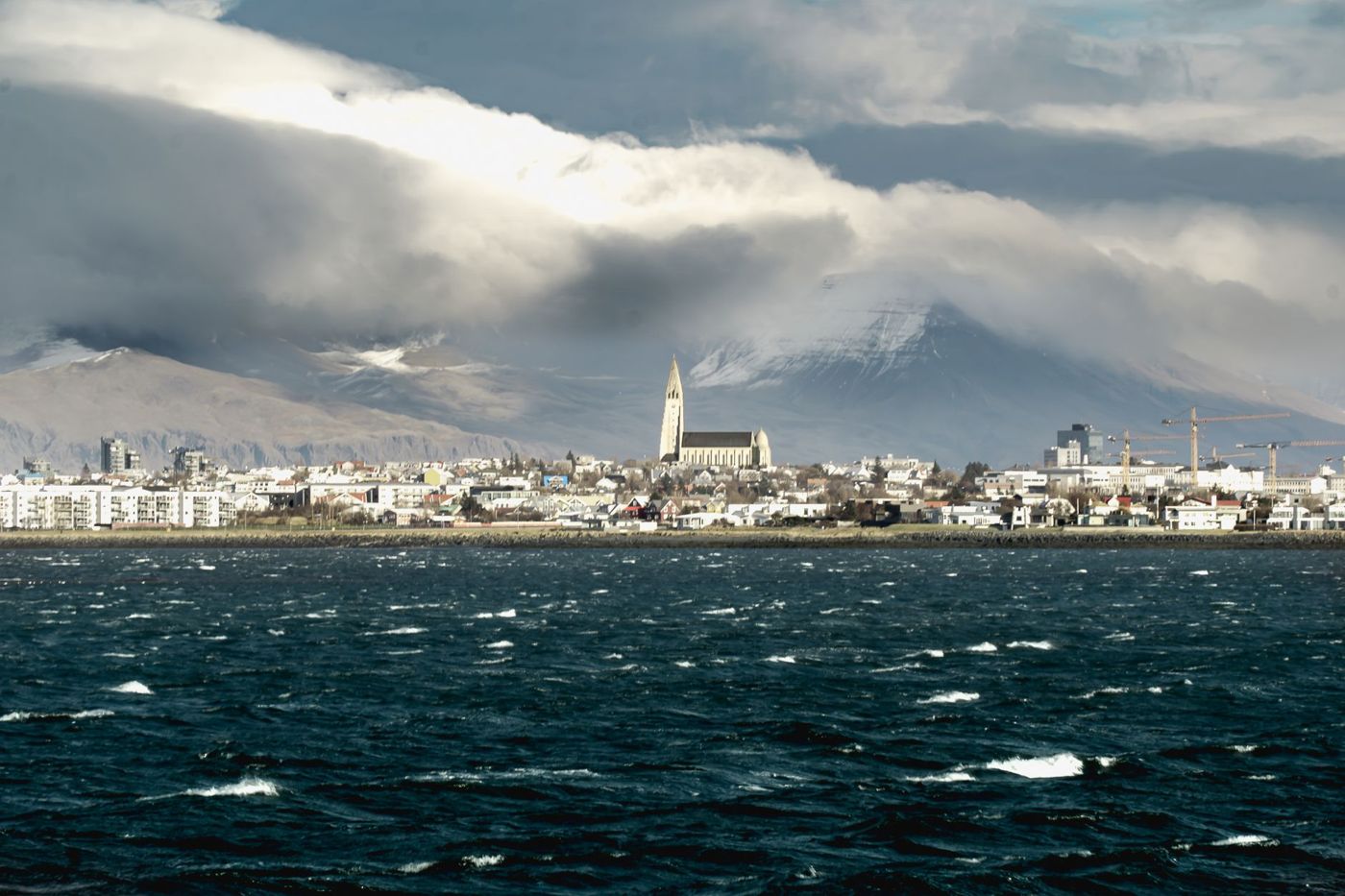
Three days: enough for one big day trip
A reykjavik 3 day itinerary is the shortest length that comfortably fits one full-day tour without cutting the city time to nothing. Day one is arrival and the city centre: the drive time from Keflavík Airport to downtown Reykjavik runs about 45 minutes according to Flybus, which leaves most of the afternoon free after landing. Day two is the single day trip, most often the Golden Circle, which covers Þingvellir, Geysir and Gullfoss in one loop.
Parking at these stops is no longer free everywhere. Þingvellir and Geysir both charge 1,000 ISK to park, a fee introduced at Geysir only in late 2024, while Gullfoss remains free to park at, which is worth knowing before budgeting the day. Day three is the flexible day: a second short excursion, more time in the city's pools, or a slower morning before an evening flight.
Three days is tight if the plan also includes the South Coast, since that is a separate full day and pushes the trip toward four. It works well for a first visit built around one signature tour plus the city itself, and it is the shortest length this site recommends pairing with a full-day tour rather than a half-day one.
{'activity_id': '400146', 'title': 'Keflavik Airport (KEF): Bus Transfer to/from Reykjavik', 'rating': 4.66, 'reviews': 20988, 'includes': ['Airport to city transfer', 'Return option'], 'best_for': 'Arrival day, instead of arranging a taxi or rental car', 'link': '{{AFF_GYG_REYKJAVIK_ITINERARY_4}}'}
Four days: room for two tours and slower mornings
A reykjavik 4 day itinerary adds one more full day beyond the three-day version, which is usually enough to fit both the Golden Circle and the South Coast without stacking them back to back. Day one stays arrival and the city centre. Days two and three each carry one full-day tour, and day four becomes the flexible day that the three-day version does not have room for: a geothermal pool visit, the Sky Lagoon, or a slower walk through the older neighbourhoods.
Four days is also the shortest length where an evening at a spa fits comfortably after a full driving day rather than competing with it. Sky Lagoon's Saman pass runs from 14,990 ISK and the Sér pass from 17,990 ISK, and the lagoon admits nobody under 12. Prices there are shown in the visitor's own currency by default, so a traveller checking the operator's own site should look for a currency setting before assuming the number is in Icelandic krona.
This length suits a traveller who wants both signature day trips but is not trying to also see the north or the highlands. It is the point where an extra day starts buying comfort, spare time for weather, rather than a new destination.
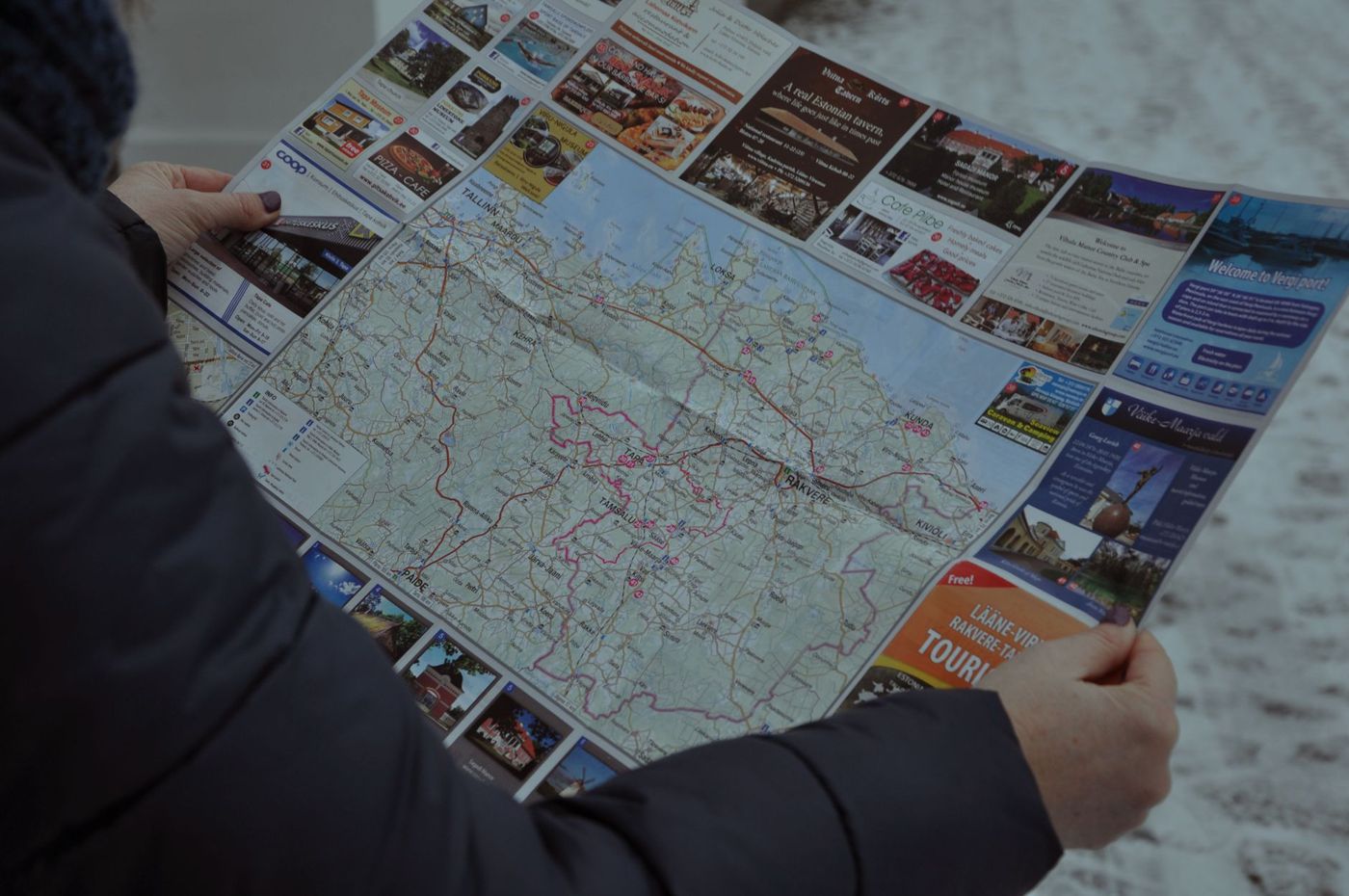
Matching the days to the season, not the other way round
Deciding how many days to spend in Reykjavik works better once the season is fixed, because the same number of days buys different trips depending on the month. A December visitor has 4.1 hours of daylight to plan sightseeing around, which makes a packed multi-stop day trip harder than it sounds on paper, while a June visitor has 21.2 hours of daylight and effectively no darkness to work around at all. The average high in Reykjavik ranges from about 3.2 degrees Celsius (38 degrees Fahrenheit) in January to 14.9 degrees Celsius (59 degrees Fahrenheit) in July, with lows dropping to around minus 1.9 degrees Celsius (28 degrees Fahrenheit) in February.
Winter trips should budget more time per stop, since short daylight limits how many sites a single day can realistically include, and should keep the flexible day near the end of the trip in case a weather day is needed. Summer trips can move faster between stops since darkness is not a constraint, but the tradeoff is that popular sites and Sky Lagoon's evening slots book up further ahead.
Average annual precipitation across the year sits at 875.9 millimetres, spread widely enough that no single month should be assumed dry. A flexible day built into any itinerary of three days or more absorbs a rained-out plan far better than a schedule with no slack in it.
- City population
- 139,804
- Greater capital region population
- 253,230
- City area
- 244 km2
- Airport to downtown drive time
- 45 min
- June solstice daylight
- 21.2 h
- December solstice daylight
- 4.1 h
- Average annual precipitation
- 875.9 mm
The length that fits most first-time trips
Asked plainly how many days do you need in Reykjavik, the answer for most first-time visitors sits between three and four. That range is long enough for one or two full-day tours plus real time in the city, and short enough to plan without committing to highland roads or a Ring Road loop that only opens for part of the year. A traveller who has more time available is usually better served putting it toward a fifth to seventh day, once the core capital itinerary is settled, rather than stretching the city portion itself.
The exception is a traveller connecting through Iceland on the way to somewhere else, for whom even a single day can work if the plan stays inside the city and skips any day trip that depends on Reykjavik's 45-minute distance from the airport being spent twice. At the other end, a traveller building a full week should expect the extra nights to go toward distance rather than more city sights, since the capital's own list of things to do is largely covered within the first three or four days.
Neither extreme is wrong. The point of fixing a number early is that it decides which of the length-specific itineraries below to follow, rather than trying to compress a seven-day plan into a three-day stay.
Getting from the airport into the city
Keflavík is Iceland's main gateway airport and sits well outside the capital, so the first booking decision on any Reykjavik trip is how to cover that gap. The Flybus service runs to the city centre in about 45 minutes and charges a one-way fare from 3,999 ISK. A taxi covers the same route for a fare from 22,500 ISK, useful for late arrivals or larger groups splitting the cost, but a poor match for a solo traveller on a budget. Public transport inside the city itself runs on Strætó, where a single fare costs 690 ISK.
None of these options require a rental car, and for a trip confined to the city and one or two day tours, a car adds cost without adding much. A rental becomes more useful once the itinerary stretches past four days and starts covering ground the bus tours do not reach, since a private schedule matters more the further the plan strays from fixed day-trip routes.
Booking the airport transfer ahead of arrival avoids the queue at the terminal on landing, and the same booking usually covers the return leg at the end of the trip, which is one less thing to arrange in the last, often rushed, morning.
{'activity_id': '67019', 'title': 'From Reykjavik: Northern Lights Bus Tour with Hot Cocoa', 'rating': 4.27, 'reviews': 14847, 'includes': ['Evening bus tour', 'Hot cocoa', 'Guide'], 'best_for': 'Evenings between late August and mid-April, when the aurora season runs', 'link': '{{AFF_GYG_REYKJAVIK_ITINERARY_5}}'}
Reading the volcanic situation before booking
No eruption is active on the Reykjanes peninsula at the time this page was checked. The most recent one ran from 16 July to 4 or 5 August 2025, the ninth eruption at Sundhnúkur since December 2023, and magma is still accumulating under Svartsengi. The Icelandic Meteorological Office's hazard assessment is dated and time-limited, which means it should be checked again close to the travel date rather than assumed to still hold from an earlier visit or an older article.
Grindavík and the Blue Lagoon remain open, sitting behind lava barriers built around Svartsengi and the town itself. Grindavík has crevasses from the recent activity, and visitors are told to stay on marked paths rather than wander off them. The Blue Lagoon has closed twice in the past two years, from 8 to 16 February 2024 and again from 20 November to 6 December 2024, so a booking made well ahead of a trip is not a guarantee the site will be open on the day.
The Blue Lagoon requires pre-booked, timed entry, and a transfer ticket alone does not admit anyone without that separate booking. Summer slots sell out days in advance, so this is one booking worth making before the rest of the itinerary rather than after.
- Single Strætó bus fare
- 690 ISK
- Flybus one-way fare, KEF to Reykjavik
- from 3,999 ISK
- Taxi fare, KEF to Reykjavik
- from 22,500 ISK
- Sky Lagoon Saman pass
- from 14,990 ISK
- Sky Lagoon Sér pass
- from 17,990 ISK
- Þingvellir parking
- 1,000 ISK
- Gullfoss parking
- free
What five to seven days adds beyond the capital
Once a trip runs past four days, the extra time is best spent leaving the capital region rather than adding more nights inside it. A five to seven day trip has room for a loop further along the Ring Road, a second base outside Reykjavik, or a highland excursion once the F-roads are open for the season. That last option only exists between roughly June and September, since Vegagerðin does not open the highland roads outside that window regardless of how the plan is built around them.
This length also gives more room to absorb a weather day without losing a booked tour, which matters more the further the itinerary strays from the capital, since a missed connection on a remote route costs more time to recover from than a missed morning in the city. A trip built around distance benefits from front-loading the city days early, while the traveller is still adjusting to the time change, and saving the longer drives for once they have settled in.
None of this requires abandoning the city entirely. Most week-long itineraries still open and close with a night or two in Reykjavik, using the capital as the fixed point the rest of the trip returns to.
| Length | Best for | One day trip |
|---|---|---|
| 1-2 days | City only, connecting travellers | Optional, half-day |
| 3 days | One signature full-day tour plus the city | Golden Circle or South Coast |
| 4 days | Two full-day tours plus a flexible day | Golden Circle and South Coast |
| 5-7 days | Distance beyond the capital region | Ring Road loop or highlands, June to September |
- Best for
- City only, connecting travellers
- One day trip
- Optional, half-day
- Best for
- One signature full-day tour plus the city
- One day trip
- Golden Circle or South Coast
- Best for
- Two full-day tours plus a flexible day
- One day trip
- Golden Circle and South Coast
- Best for
- Distance beyond the capital region
- One day trip
- Ring Road loop or highlands, June to September
Where the flexible day should sit
Every itinerary on this page longer than two days includes at least one day with no fixed plan, and where that day sits in the schedule matters more than how it is spent. Placed near the start, it absorbs jet lag and gives a buffer if a flight lands late. Placed near the end, it absorbs a weather delay on one of the booked tours, since a full-day tour cancelled for weather is easier to reschedule with a spare day still ahead of it than with none left.
Reykjavik's average annual precipitation of 875.9 millimetres is spread across the year rather than concentrated in one season, so no single month of a trip should be planned assuming dry weather throughout. A flexible day gives a tour operator room to move a cancelled departure to the next available slot instead of losing it outright.
The flexible day does not need to be empty. It works equally well filled with a pool visit, a slower walk through the city centre, or last-minute shopping, as long as nothing on it is booked to a fixed time that a delayed tour could collide with.
{'activity_id': '248622', 'title': 'Reykjavik: Whale Watching and Marine Life Cruise', 'rating': 4.5, 'reviews': 11217, 'includes': ['Harbour departure', 'Guide', 'Marine life sightings'], 'best_for': 'Any month, with a stronger run of sightings in summer', 'link': '{{AFF_GYG_REYKJAVIK_ITINERARY_6}}'}
Booking order, not just day order
The order a traveller books things in matters as much as the order they visit them in. The Blue Lagoon and Sky Lagoon both need timed entry booked ahead, and summer slots at both can sell out days before arrival, so these are worth confirming before the flights are even finalised around them. Highland routes depend on Vegagerðin's seasonal opening dates, so a trip built around Landmannalaugar needs those dates checked before anything else is booked around it.
Full-day tours such as the Golden Circle and the South Coast run daily for most of the year and can be booked closer to the trip, though popular departure times still fill first. The airport transfer is the easiest to leave until last, since Flybus and similar services run frequently enough that availability is rarely the constraint, though booking it ahead still avoids a queue on arrival.
Travellers should also check the current travel advice before finalising plans, since entry rules and safety guidance can change. The current picture is available from the US Department of State and the UK FCDO, and the two occasionally differ on points like driving and insurance, which is worth checking against both rather than one alone.
{'activity_id': '67012', 'title': 'Reykjavik: Golden Circle Full-Day Tour with Kerid Crater', 'rating': 4.76, 'reviews': 26671, 'includes': ['Full-day coach transport', 'Kerið crater entry', 'Golden Circle stops'], 'best_for': 'Travellers without a rental car who want the classic loop in one day', 'link': '{{AFF_GYG_REYKJAVIK_ITINERARY_7}}'}
Putting the plan together
The shape of a Reykjavik trip comes down to three decisions made in order: the season, since it fixes what is open; the length, since it fixes how many day trips fit; and the flexible day's position, since it decides how well the plan survives a change in the weather. Everything else, from which single day trip to book first to how to get from the airport, follows from those three.
A traveller with two days should focus entirely on the city and treat any day trip as optional. A traveller with three or four days can expect to fit one or two signature tours around a solid stretch of city time. A traveller with five to seven days should plan to leave the capital region for at least part of the trip, since that is where the extra nights earn their keep.
None of these lengths require guessing. Every one of them has its own itinerary linked from this page, built around the same season and fee information used here, so the next step is picking the length that matches the actual trip rather than an ideal one.
Common questions
Is three days enough to see Reykjavik and one day trip?
Yes. Three days covers arrival and the city centre, one full-day tour such as the Golden Circle, and a flexible third day for the pools or a second short outing.
Do I need a rental car for a Reykjavik itinerary?
Not for trips of two to four days built around the city and organised day tours. A car becomes more useful past four days, once the plan reaches further than the fixed tour routes.
When is the best time to see the northern lights in Reykjavik?
The season runs from late August to mid-April, since it depends on darkness rather than aurora activity itself. Reykjavik has almost no darkness around the June solstice, so no display is visible then.
Is the Blue Lagoon open right now?
Yes, behind lava barriers built around Svartsengi. It has closed twice in the past two years for short periods, so a booking should be checked again close to the travel date.