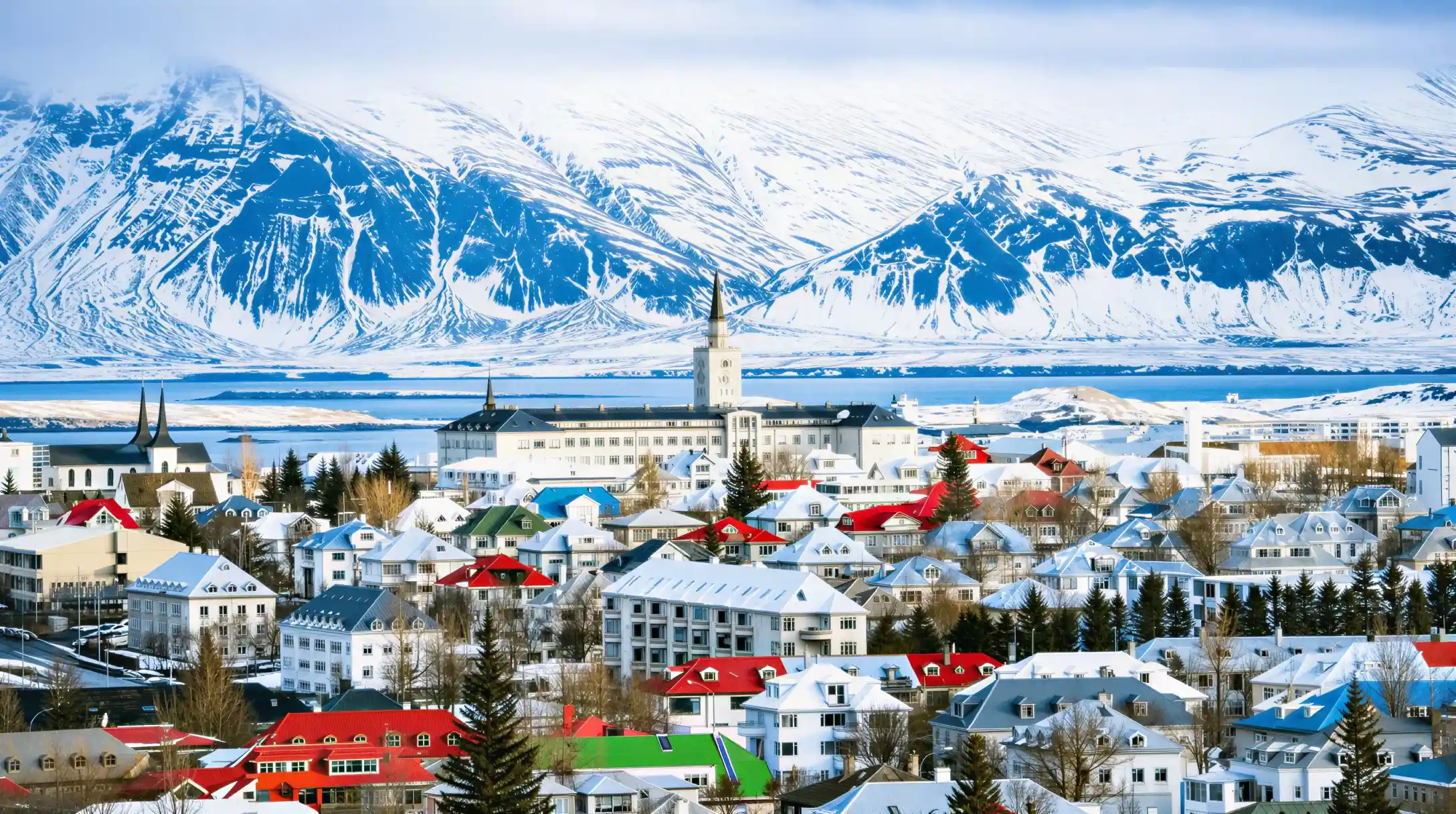
A short trip built on a summer daylight budget falls apart fast in Reykjavik in december. Most of the day runs on artificial light, and the sun does not clear the horizon by much even at its highest. This page sets out what that daylight actually looks like, what the temperature and rain do alongside it, and how to plan a day that fits inside a few usable hours rather than fighting them. The reward side of the trade, longer darkness, is the same thing that makes the season work for the aurora and for the city's own lights.
Cold is rarely the problem travelers overpack for. The average high sits close to freezing and the average low only a little below it, mild by comparison with inland winter climates at similar latitude. Wind and short daylight do far more to shape a day than the thermometer does. A visitor who plans around clock time rather than daylight time books activities that either run in the dark or overlap each other, and December is the month where that mistake costs the most.
 Our pick
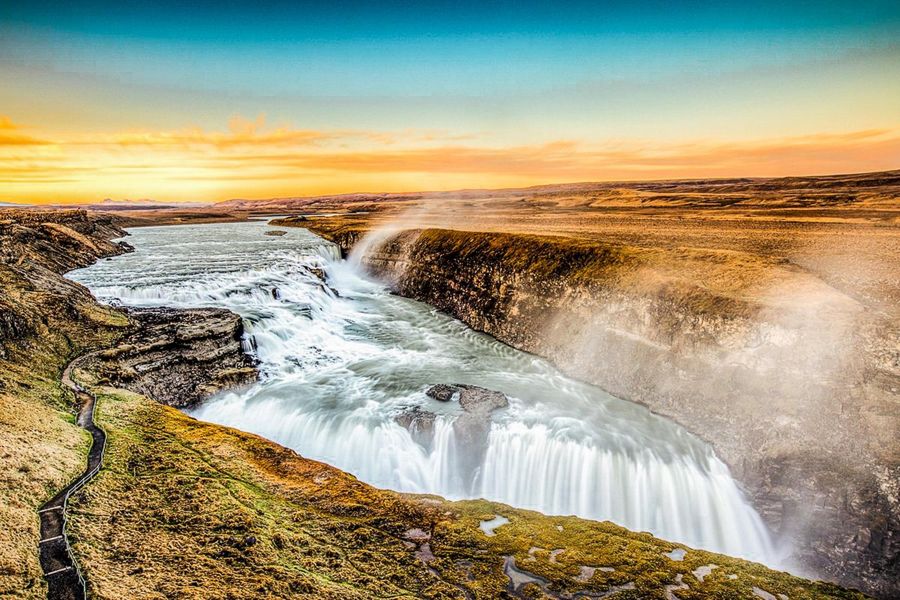
Reykjavik: Golden Circle Full-Day Tour with Kerid Crater
Full-day guided tour of the Golden Circle route with a stop at Kerid crater
Fitting the day's main sights into one short-daylight loop
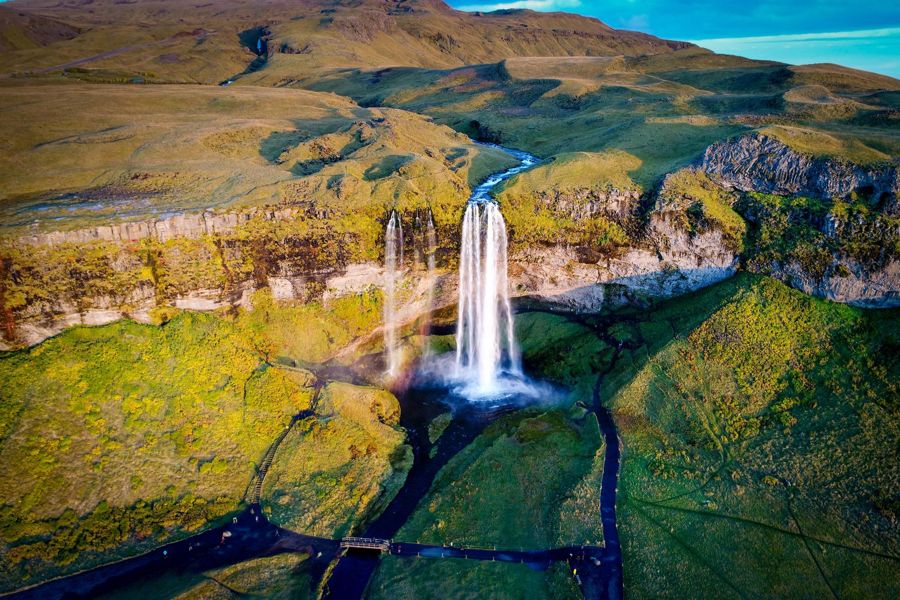
Reykjavik: South Coast Waterfalls, Black Sand & Glacier Tour
South coast waterfalls, black sand beach and a glacier stop, guided
A longer day trip planned around a late sunrise and early sunset
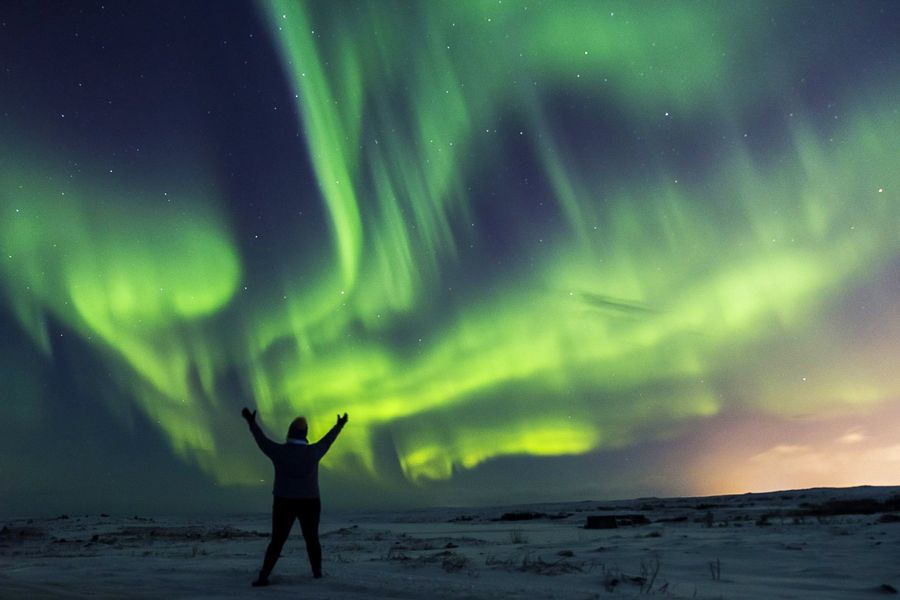
From Reykjavik: Northern Lights Bus Tour with Hot Cocoa
Guided bus tour from Reykjavik with hot cocoa and aurora viewing stops
Using the long evening for an aurora search
What the darkness does to an evening
A visitor picturing one long twilight is picturing the wrong month. By late afternoon the sky is fully dark, and evening plans have to be booked and timed rather than improvised on a walk. That darkness is also the reason the season works for anyone chasing lights over the city, and Reykjavik december northern lights searches spike for a reason grounded in the calendar rather than luck: the aurora season runs from late August to mid April, bounded by darkness rather than by the aurora itself, so a fully dark evening from mid afternoon onward gives a viewing window that summer never offers.
None of this guarantees a display on any single night. Cloud cover and activity both vary, and a tour built around the chance still depends on a clear stretch of sky opening up during those dark hours. What December buys is time, not certainty: hours of genuine darkness stacked one after another rather than a narrow slot after a late sunset. A trip of several nights improves the odds simply by giving more of those windows a chance to clear.
Daytime plans need the same recalibration. A sightseeing day that would run from breakfast to dusk in June has to be compressed into the hours around midday, with anything requiring real daylight, a waterfall photograph, a crater walk, scheduled to fall inside that narrow band rather than at either end of it.
- Average high
- 3.3 °C (38 °F) · 4.7 °C (41 °F) · 13.0 °C (55 °F)
- Average low
- -1.6 °C (29 °F) · -0.1 °C (32 °F) · 7.2 °C (45 °F)
- Daylight at the solstice
- 4.1 h · - · 21.2 h
Reading the numbers before you pack
Checking Reykjavik weather december in isolation misses the point: the temperature is the least demanding part of the month. The average high is 3.3°C (38°F) and the average low is -1.6°C (29°F), figures the Icelandic Meteorological Office sets out for the Reykjavik station, a narrow band that sits close to freezing without the deep cold a similar latitude inland would produce. Layering for wind and for the occasional wet snow or sleet matters more than layering for extreme cold.
The daylight figure is the one that should shape the itinerary. At the December solstice, Reykjavik gets 4.1 hours of daylight, with sunrise around 11:22 and sunset around 15:29, as the Icelandic Meteorological Office records for the city. That is under a fifth of what the city gets at the June solstice, when 21.2 hours of daylight leave almost no true night at all. A day trip timed for a 9am start in summer simply will not have any usable light left to work with in December.
Rain and wind arrive on top of the cold rather than instead of it. Iceland's coastal winter weather brings frequent, often sudden changes, and a forecast checked the night before can be out of date by morning. Building slack into a day, rather than a tight back to back schedule, absorbs a delayed flight or a road closed by wind far better than a plan with no room in it.
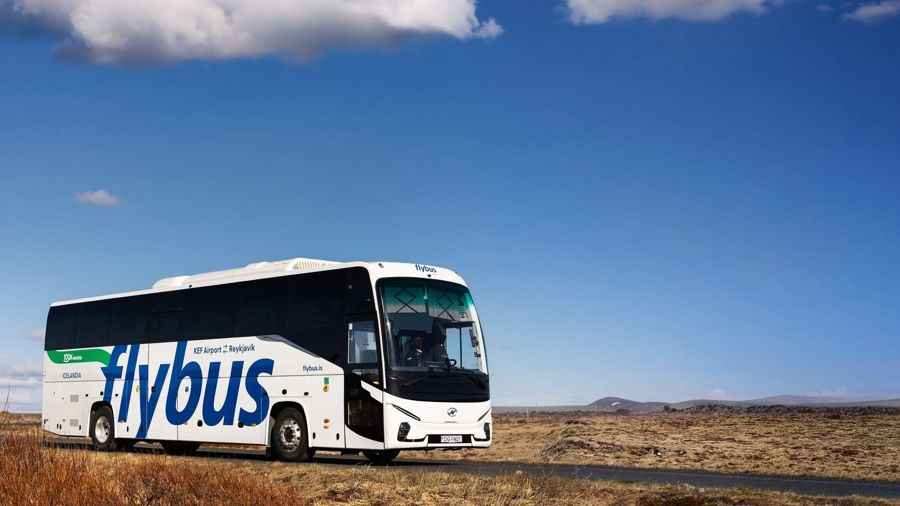
Keflavik Airport (KEF): Bus Transfer to/from Reykjavik (). 4.66/5 from 20,988 reviews. Best for: arriving into short winter daylight with a fixed transfer rather than waiting on a taxi queue. Includes: airport to city transfer.
Fitting a short day around what is open
A common mistake is trying to move through a full summer itinerary in the same order, just compressed. With four hours of real daylight, things to do in Reykjavik in december work best sorted by whether they need light at all. Museums, pools and the Sky Lagoon's spa ritual run entirely indoors or after dark and do not care what the sky is doing, which makes them the natural fill for the hours either side of the short daylight window.
Outdoor sights that depend on seeing something, a waterfall, a crater, a black sand beach, have to be scheduled inside the narrow midday band, roughly between the 11:22 sunrise and 15:29 sunset at the solstice. A single day trip covering the Golden Circle or the south coast uses nearly the entire daylight budget on its own, leaving little room to add a second outdoor stop on the same day without finishing in the dark.
The city's own swimming pools, at 1,500 ISK for an adult, are open through the evening and give a low cost way to fill an otherwise dark stretch of the day. A whale watching cruise runs all year with a strong summer skew, which in December means fewer departures and more dependence on conditions than in the warmer months.
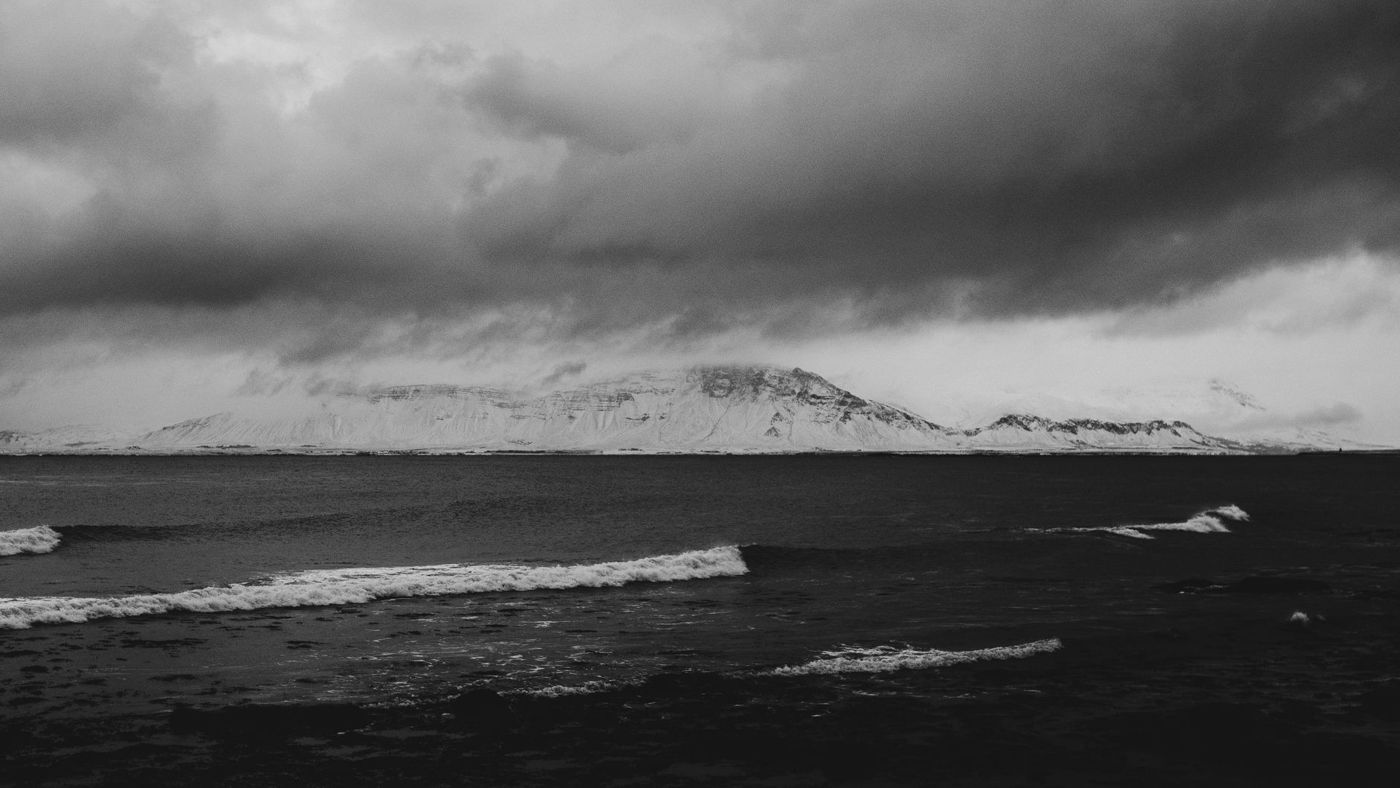
The Christmas city after dark
Because darkness sets in by mid afternoon, the Reykjavik christmas lights december display along the main shopping streets and squares is visible for most of a visitor's waking hours rather than a brief evening window. Shopfronts, trees and outdoor decorations stay lit well into the following morning's late sunrise, so an evening walk downtown does not compete with anything else for the light.
The compressed daylight that limits daytime sightseeing works in this display's favor: there is simply more dark time in which to see it. A walk through the older streets in the early evening, once the outdoor day trips have finished, fits naturally into a schedule already built around a short useful day.
Cold and possible wind or sleet are still worth dressing for on an evening walk, even a short one. The average low of -1.6°C (29°F) is not severe, but wind chill on an open street can make it feel colder than the number alone suggests.
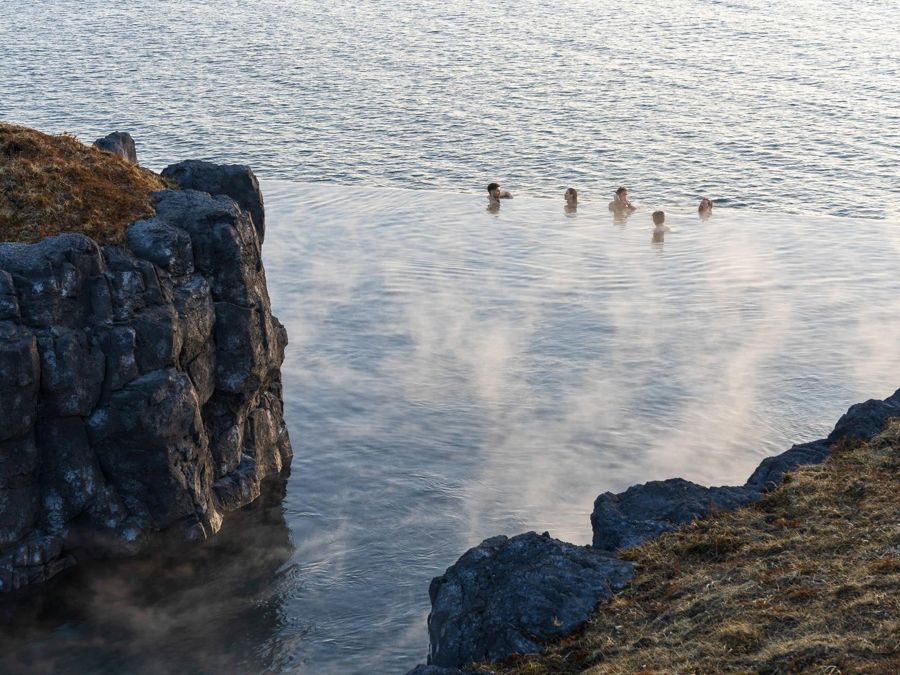
Reykjavik: Sky Lagoon Entrance Pass With 7-Step Spa Ritual (). 4.83/5 from 7,388 reviews. Best for: an indoor-adjacent evening plan that does not depend on daylight. Includes: lagoon entry, 7-step spa ritual.
Building a realistic day
A first draft of a December itinerary usually assumes the sights close in sequence, one after another, the way they would on a longer summer day. In practice, the day itself closes: everything outdoors has to happen inside the same few hours, and the evening that follows is long enough to fill twice over.
Booking one outdoor excursion per day, rather than stacking two, keeps a trip from running into the dark with somewhere still to be. The evening, once genuinely free of daylight pressure, is where an indoor pool, a lagoon booking or a walk through a lit street earns its place on the schedule instead of being squeezed in as an afterthought.
Airports and roads move slower in December than in summer, and a flight or transfer that runs late eats directly into the narrow daylight window rather than into slack at the end of a long day. Leaving room around any fixed booking, an airport transfer, a timed lagoon slot, a tour departure, protects the rest of the day from a single delay.
None of this requires giving anything up. It requires ordering the day around when the light exists rather than around when a tour operator's schedule assumes it does.
Common questions
Is Reykjavik too dark to visit in December?
The city gets 4.1 hours of daylight at the solstice, which limits outdoor sightseeing to a midday window rather than ruling it out. Indoor and evening activities fill the rest of the day.
What is the coldest part of the day likely to feel like?
The average low is -1.6°C (29°F) and the average high is 3.3°C (38°F), a narrow range that wind and any sleet or snow will make feel colder than the number alone suggests.
Is December a good month for the northern lights?
The aurora season runs from late August to mid April and is bounded by darkness, and December's short days give a long dark window each evening. A clear sky is still needed on the night itself.
Do the Christmas lights run for the whole month?
The city's outdoor decorations and shopfront lights are up through December and are visible for most of the day given how little daylight there is to compete with them.