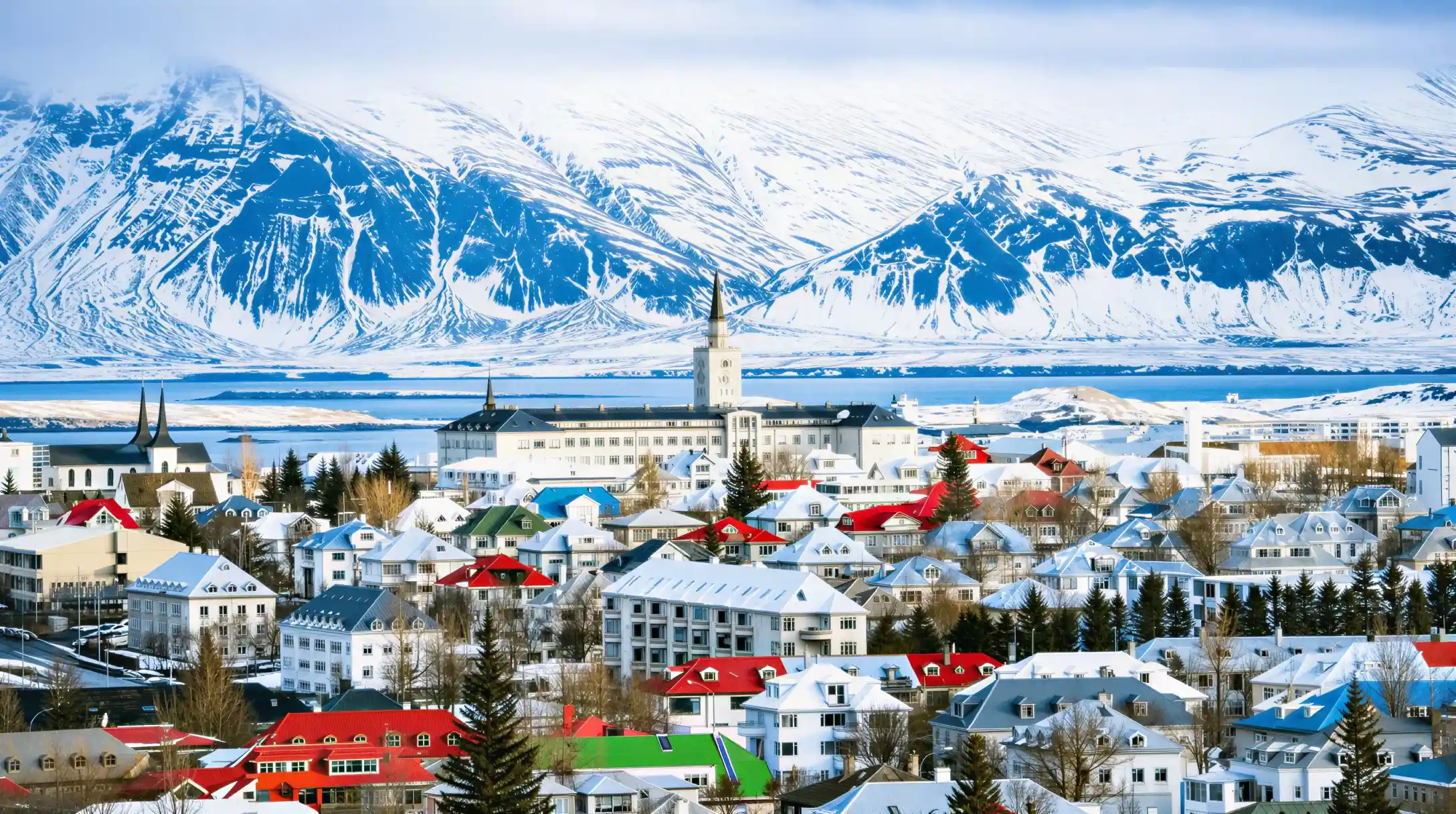
Buying a Reykjavik city card without doing the arithmetic first is how travellers end up with an unused pass in a jacket pocket on the flight home. The card is not a blanket ticket to everything in the city: it covers some attractions free and others only at a discount, and the difference decides whether it pays for itself. This page sets out the price tiers, what free entry actually includes, where the card only knocks a percentage off, and the sum a reader needs to run before buying one.
 Our pick
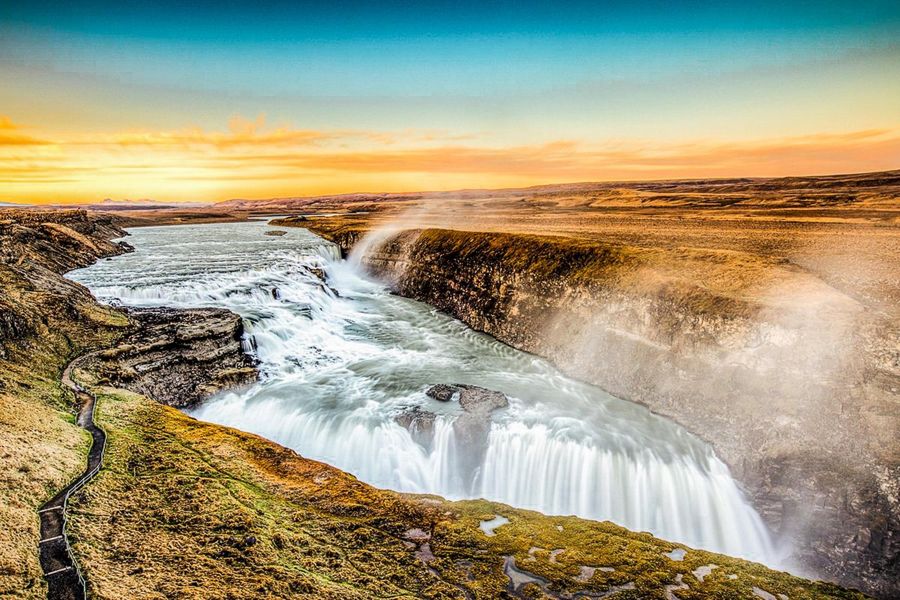
Reykjavik: Golden Circle Full-Day Tour with Kerid Crater
Golden Circle sights including Kerið crater, full day
Travellers combining the card's city coverage with a day outside Reykjavik
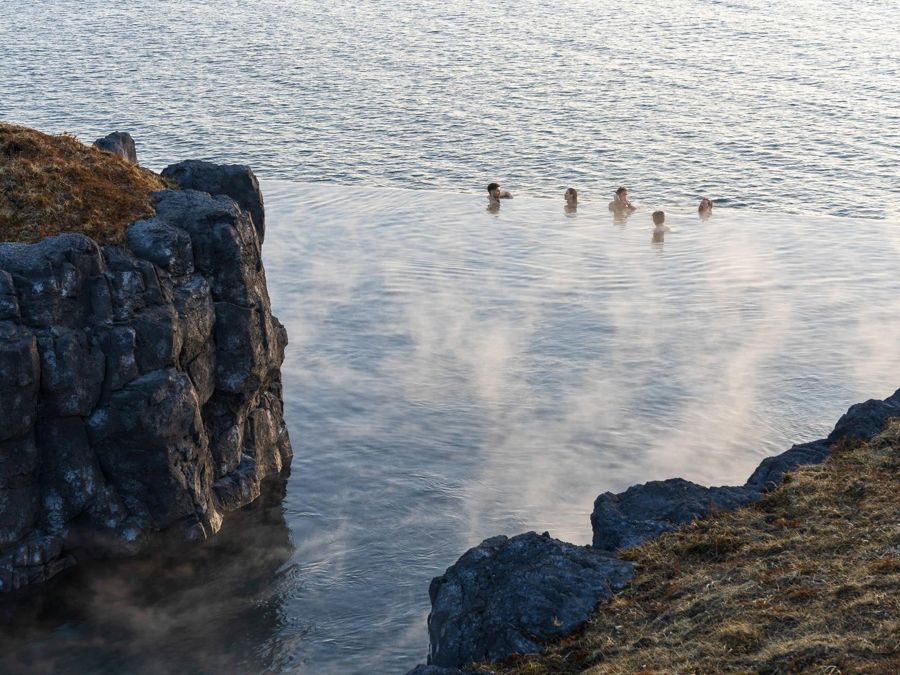
Reykjavik: Sky Lagoon Entrance Pass With 7-Step Spa Ritual
Sky Lagoon entry with the 7-step ritual
Travellers who want a lagoon soak the card does not cover
What the card costs and what breaks even
A reader checking the Reykjavik city card price 2025 finds three durations, not one flat number, and the mistake is picking a length before working out how many paid attractions fit into it.
The Reykjavik City Card runs 6,100 ISK for 24 hours, 8,500 ISK for 48 hours and 10,500 ISK for 72 hours. It covers 17 museums, 8 pools, the city buses and the Viðey ferry. Under-18s enter museums free with any adult card, and there is no separate child card.
Set that against paying per attraction. A city pool costs 1,500 ISK for an adult, a single bus fare is 690 ISK, and museum admissions vary by site. Two museums and two pool visits in a single day is roughly where the 24-hour card breaks even against paying each entry separately, which is the arithmetic worth doing before the day is booked rather than after.
Not every attraction on a Reykjavik itinerary is covered the same way. The Reykjavik City Card includes free entry to its listed museums and pools, but at some other attractions in the city it only reduces the admission rather than waiving it, among them a 20 per cent discount at the Icelandic Phallological Museum rather than free entry. A reader who assumes every stop on a city walk is included ends up paying at the door anyway, just slightly less.
| Duration | Price | Museums | Pools |
|---|---|---|---|
| 24 hours | 6,100 ISK | 17 | 8 |
| 48 hours | 8,500 ISK | 17 | 8 |
| 72 hours | 10,500 ISK | 17 | 8 |
- Price
- 6,100 ISK
- Museums
- 17
- Pools
- 8
- Price
- 8,500 ISK
- Museums
- 17
- Pools
- 8
- Price
- 10,500 ISK
- Museums
- 17
- Pools
- 8
Where the card is sold
Assuming the card is only available at a kiosk near the harbour is a common mistake, and it costs a reader the queue when a phone would have done the job faster.
Anyone searching Reykjavik city card where to buy is looking for a purchase point, and the card is sold through the city's own tourism channel, visitreykjavik.is, alongside physical points of sale in Reykjavik. Buying ahead online means the card is ready to activate the moment the first covered attraction opens its doors, rather than losing part of the first day to finding a sales point.
The card activates from first use, not from the moment of purchase, which matters for anyone buying a day or two before a trip starts. A traveller who buys the 48-hour card the night before flying out should activate it at the first museum or pool of the trip, not before, so the full window sits inside the days actually spent in the city.
Because the card includes the city buses, a reader arriving without a rental car can use it to move between the covered museums and pools without buying separate Strætó fares, which is worth weighing against the 690 ISK single fare price when working out whether transport alone justifies the card.
{'activity_id': '67018', 'title': 'Reykjavik: South Coast Waterfalls, Black Sand & Glacier Tour', 'includes': 'South coast waterfalls, black sand beach and glacier viewpoint, full day', 'best_for': 'Travellers extending beyond the city on a day the card does not cover', 'link': '{{AFF_GYG_REYKJAVIK_CITY_CARD_6}}'}
The card against paying attraction by attraction
Calling this a Reykjavik city pass and assuming it behaves like a transit pass alone undersells what it does and oversells what it is not: it is not a discount card for every attraction in the city, only for the ones it lists as included.
Where the card includes an attraction, entry is free on presentation of the card, with no additional payment at the door. Where it does not, some attractions still extend a discount to cardholders rather than free entry, and the two are easy to conflate when reading a summary rather than the attraction list itself. A 20 per cent discount at the Icelandic Phallological Museum is one such case: cardholders pay a reduced admission there, not nothing.
The distinction changes the arithmetic from section one. A day that includes two free museums, a pool visit and a discounted stop at a paid attraction is not the same value as a day spent entirely inside the free list, and a reader planning a tight itinerary should count discounted stops separately from free ones rather than folding them into the same tally.
For a single busy sightseeing day built mostly around the free museums, the pools and the buses, the 24-hour tier tends to cover its own cost. For a trip spread across a weekend with rest days between museum visits, the per-attraction cost of paying separately can come out lower than the 48 or 72-hour card, depending on how many covered attractions actually get visited.
What the card does not include
Assuming the card covers Iceland's headline paid attractions outside the city is the error that costs the most money, since the card's coverage is a city list, not a national one.
The Sky Lagoon and the Blue Lagoon are not on the free list and both require a separately booked, timed entry regardless of whether a visitor is carrying the card. The Sky Lagoon's Saman pass runs 14,990 ISK and the Sér pass 17,990 ISK, prices that sit well above the card's own cost and are paid on top of it, not instead of it. The Blue Lagoon likewise needs its own pre-booked slot; a card does not substitute for that booking.
Parking fees at sights outside the city, such as Þingvellir or Geysir, are also unrelated to the card, since the card's coverage is the city's museums, pools, buses and the Viðey ferry, not the countryside. A reader planning a day that mixes city museums with a Golden Circle drive should expect to pay those fees separately no matter which tier of card is in hand.
Reading the included list against the discounted list before departure, rather than assuming everything with a ticket price in Reykjavik is covered, is the difference between a card that pays for itself and one that turns into a sunk cost by the second day.
{'activity_id': '248622', 'title': 'Reykjavik: Whale Watching and Marine Life Cruise', 'includes': 'Whale watching cruise from Reykjavik harbour', 'best_for': "Travellers filling a day the card's museum and pool list does not reach", 'link': '{{AFF_GYG_REYKJAVIK_CITY_CARD_10}}'}
Making the card pay off
Treating the card as a default purchase for every Reykjavik trip, rather than checking it against the actual itinerary, is where most of the wasted money sits.
A traveller with two or three museum visits and a pool stop planned inside a single day is close to the point where the 24-hour card matches or beats paying each entry separately. A traveller planning one museum and a lot of walking, with meals and shopping filling the rest of the day, is unlikely to reach that point and would do better paying admissions directly.
The bus and ferry coverage adds value beyond the museums and pools themselves. A visitor without a rental car who plans to reach Viðey island and move between two or three neighbourhoods by bus is stacking value onto the card that a museum-only calculation misses, since a return ferry crossing and several bus rides would otherwise be paid separately.
The Blue Lagoon and Sky Lagoon sit outside this calculation entirely and should be budgeted and booked on their own terms. According to the US Department of State country information for Iceland, travellers should keep proof of onward travel and funds in order regardless of which city passes or attraction tickets are purchased locally, a point worth folding into trip planning alongside the card decision. Working out the covered list against the discounted list, and against attractions the card does not touch at all, before the first day in the city, is what turns the card into a saving rather than a guess.
Common questions
Does the Reykjavik City Card include the Blue Lagoon or Sky Lagoon?
No. Both require a separately booked, timed entry and are paid on top of the card, not covered by it. The Sky Lagoon's Saman pass is 14,990 ISK and the Sér pass 17,990 ISK.
Is the Icelandic Phallological Museum free with the card?
No, cardholders receive a 20 per cent discount there rather than free entry, unlike the 17 museums the card covers in full.
Does the card cover buses to and from Keflavík Airport?
No. It covers the city buses (Strætó) within Reykjavik, not the airport transfer. The one-way Flybus fare from Keflavík to Reykjavik is 3,999 ISK.
Do children need their own card?
There is no separate child card. Under-18s enter museums free when accompanied by an adult who holds a card.