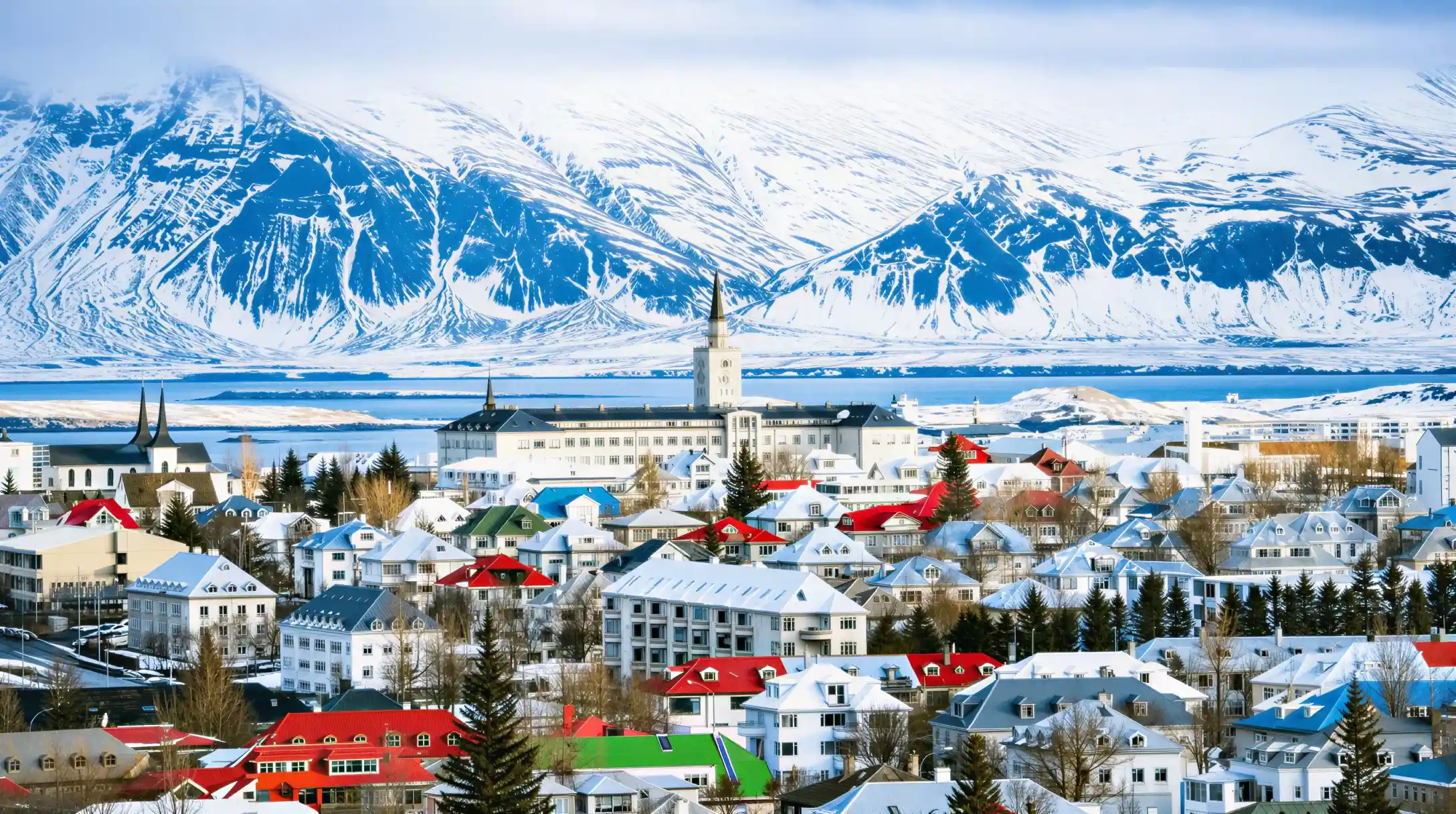
A rental car parked on the wrong street in the old town earns a ticket within the hour, and the assumption that a capital city this size works like a small town is the first thing to drop. Parking in Reykjavik is metered across most of the centre during the day, and the rate a driver actually pays depends on exactly where the car sits and when it arrives. Streets close to Laugavegur and the harbour fill early, and a driver circling for a free space loses the first hour of the day doing it. This page settles what to expect walking up to a meter or a machine and where to find that day's own posted rate, not a fixed number that goes stale the moment it is printed. Reykjavik's parking system is run by the city itself rather than a private operator, which means the rates are published and updated centrally rather than fixed to a single number a guidebook can quote for years. A driver who plans to park more than once a day, or across several days, gets more out of checking the current rate once than out of memorising an old one.
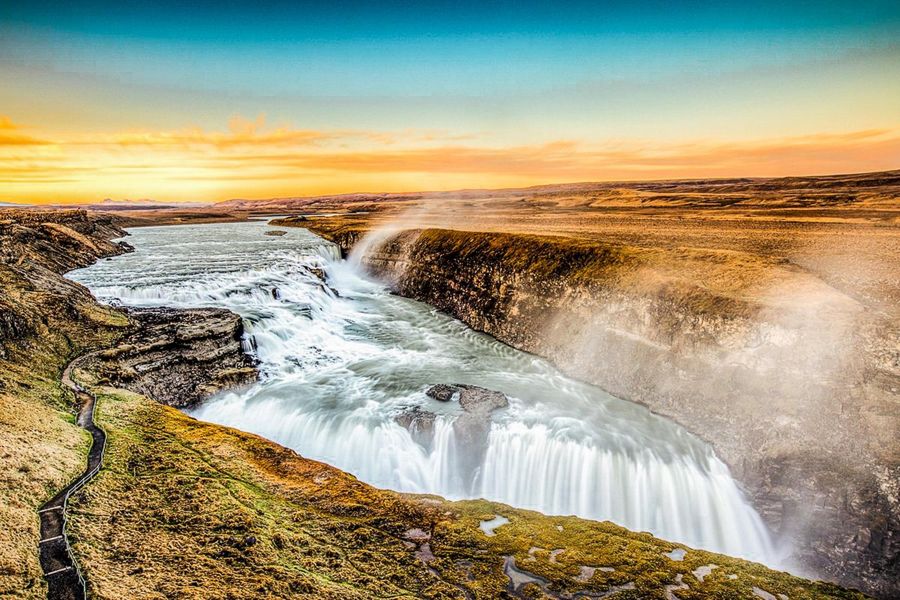 Our pick
Reykjavik: Golden Circle Full-Day Tour with Kerid Crater
Full-day guided coach tour of the Golden Circle route, including Kerið crater
A driver who would rather not deal with parking or winter roads at all for a day
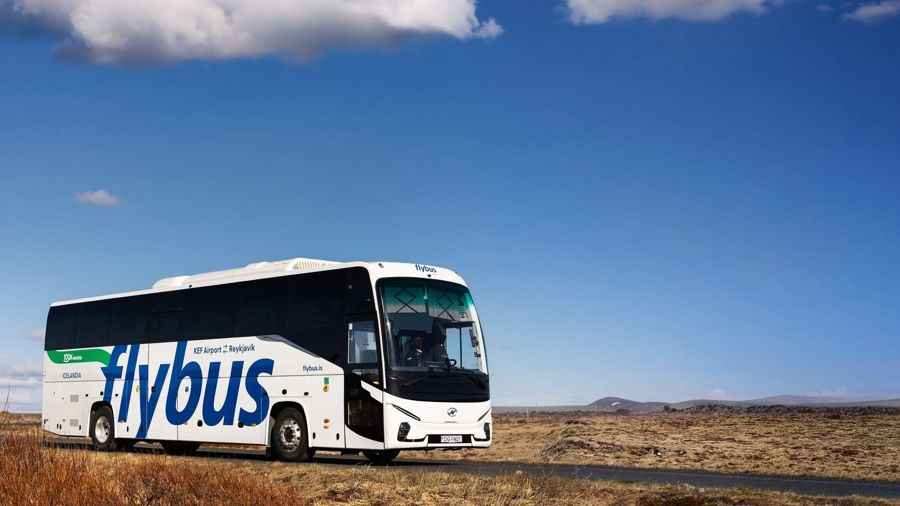
Keflavik Airport (KEF): Bus Transfer to/from Reykjavik
Scheduled coach transfer between Keflavik Airport and Reykjavik
Arrivals who want to skip a rental car and its parking altogether
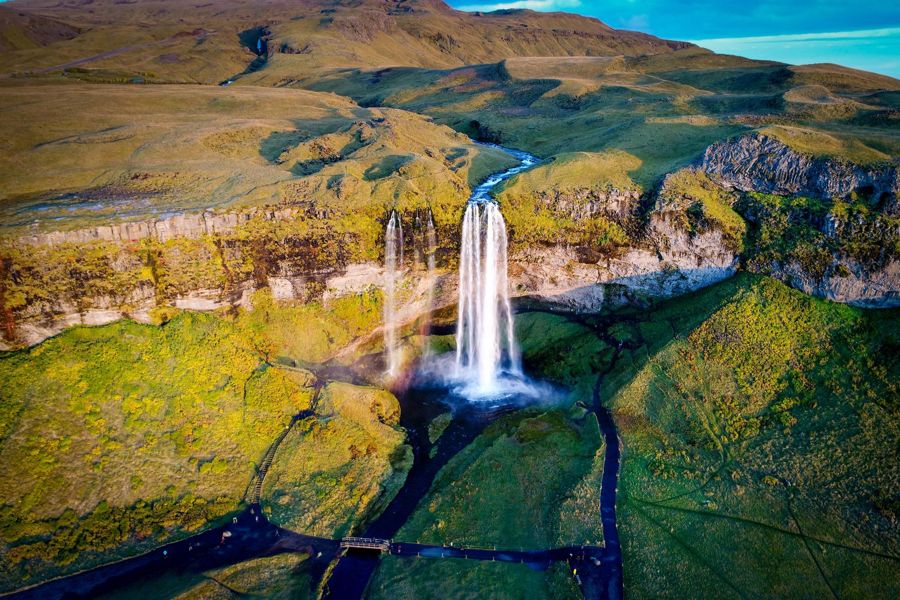
Reykjavik: South Coast Waterfalls, Black Sand & Glacier Tour
Full-day guided coach tour of the south coast, including waterfalls and a black sand beach
A day trip out of the city without adding a car park fee to the itinerary
What a car park near the centre actually involves
A driver who expects one flat rate across the city misjudges the first parking meter they meet. Where to park in Reykjavik depends on the street: some spaces are metered by the hour during the working day, others sit inside a paid car park with its own entrance and machine, and the difference is not always obvious from the kerb. Payment machines stand at intervals along the metered streets, and most take a card as well as coins, so a driver does not need cash in hand to pay for a space.
The mistake that costs the most is treating parking in downtown Reykjavik as free outside strict business hours, when in fact enforcement follows the posted signs on each specific street rather than a single citywide clock. Signs at the start of each block state the hours that charging applies, and a car left past that window without paying is the one that gets a ticket. Reading the sign at the space itself, rather than assuming the rule from a nearby street, is the one habit that avoids most of the tickets visitors report. A car left in a numbered space overnight without checking the sign is gambling on a rule that changes block by block, and the safer approach on a first visit is to read every sign before walking away from the car.
Parking fees outside the city, at a glance
- Þingvellir car park
- 1,000 ISK
- Geysir car park
- 1,000 ISK
- Skógafoss car park
- 1,000 ISK
- Seljalandsfoss car park
- 900 ISK
- Sólheimajökull car park
- 750 ISK
- Gullfoss car park
- free
Where the city publishes its own rates
A printed guide goes out of date the moment a city council revises a fee, which is exactly what happened to the sights outside Reykjavik that used to cost nothing to park at. The city sets and revises its own parking charges directly, and the reliable way to see what a specific street or car park costs on the day of arrival is a Reykjavik parking zones map published on the city's own site rather than a fixed figure repeated from an older page. Checking the current rate before setting off costs a couple of minutes and avoids paying a stale number, or worse, underpaying and returning to a ticket.
The same caution applies to a Reykjavik parking map used for planning a day out on foot from a hotel: it shows where the paid areas sit, but the rate attached to each area is worth confirming on the day rather than assumed from memory. A driver relying on a saved screenshot from a previous trip risks working from numbers the city has already revised, since these figures are reviewed periodically rather than fixed for good. Confirming on the day, directly from the source, removes that risk entirely and takes less time than searching for an old number would.
{'activity_id': '67019', 'title': 'From Reykjavik: Northern Lights Bus Tour with Hot Cocoa', 'rating': 4.27, 'reviews': 14847, 'includes': 'Evening coach tour from Reykjavik in search of the northern lights, with hot cocoa', 'best_for': 'An evening out that needs no car and no parking arrangement at all', 'link': '{{AFF_GYG_PARKING_IN_REYKJAVIK_6}}'}
What the fee actually buys, and what it does not
Assuming a hotel's own parking covers every trip out is the second common mistake. Parking in Reykjavik city centre for a hotel stay is often arranged through the property itself, but a rental agreement typically leaves the driver responsible for any parking fee incurred away from the hotel, including at the sights outside the city that now charge for a car park. Reading the rental contract's parking clause before setting out for the day avoids the surprise of a fee neither side expected the other to cover.
How much is parking in Reykjavik away from the hotel varies by where the day's driving goes: a stop at Þingvellir, Geysir, Skógafoss, Seljalandsfoss or Sólheimajökull now comes with a car park fee of its own, on top of anything paid in the city. Gullfoss remains free to park at, which is worth knowing before assuming every stop on a south coast day costs the same. A driver stacking several of these stops into one day should expect several small fees rather than one, since each car park is run and charged separately rather than as part of a single pass.
Where a car still costs nothing to leave
The assumption that everything outside a paid meter is free parking Reykjavik territory is the mistake that catches drivers who have already read the fee list for the sights south of the city. Gullfoss is the one of those car parks that still charges nothing, and it sits alongside a list of others that now do, which makes it worth naming on its own rather than folding it into a general assumption about the countryside. Streets away from the metered centre and away from a ticketed car park are generally free to leave a car on, but a sign at the kerb is still the only way to confirm it on a specific street.
A driver who parks outside the paid zones in the city itself, on a residential street with no meter and no sign restricting it, is not automatically safe from every rule: some residential areas run permit schemes for residents that a visitor's car does not hold, and a car without the right permit can still be ticketed even where no meter is in sight. Reading the signage at the specific space, every time, remains the only way to know which of these applies before walking away from the car for the day.
{'activity_id': '248622', 'title': 'Reykjavik: Whale Watching and Marine Life Cruise', 'rating': 4.5, 'reviews': 11217, 'includes': 'Guided whale watching cruise departing from Reykjavik harbour', 'best_for': 'A harbour-side outing that avoids competing for downtown parking during the day', 'link': '{{AFF_GYG_PARKING_IN_REYKJAVIK_10}}'}
How the different areas add up across a day
Treating the whole of downtown as one parking zones Reykjavik problem, solved once and forgotten, misses how much the picture changes across a single day trip. A car parked in the centre in the morning, driven out to the south coast at midday and back to a hotel in the evening crosses several different parking arrangements in a few hours: a metered city street, one or more paid car parks at the sights themselves, and possibly a hotel's own arrangement at the end of the day. Each of these is worth a moment's attention rather than assumed to work the same way as the last one.
Winter shortens the margin for that kind of planning. With daylight in December running to about 4.1 hours around the solstice, a day that includes driving out to a paid car park, walking to a waterfall and driving back leaves little spare time before dark, and finding a space, paying for it and getting back on the road all eat into that short window. A driver planning a winter day around several stops gains more from starting early and confirming each car park's fee in advance than from working it out kerb by kerb as the light runs out.
Common questions
Does a hotel in Reykjavik usually include parking?
Many properties in and around the centre offer their own parking arrangement for guests, but it covers the vehicle at the hotel itself, not fees incurred elsewhere during the day.
Is parking free anywhere near the south coast waterfalls?
Gullfoss is free to park at. Þingvellir, Geysir, Skógafoss, Seljalandsfoss and Sólheimajökull all charge a car park fee.
Who is responsible for parking fees on a rental car?
A rental agreement typically leaves parking fees to the driver, separate from the cost of the rental itself, so checking the contract before setting out avoids surprises.
Where can a driver check the current parking rate in the city?
The city publishes its own current parking rates directly, which is the reliable place to check before relying on an older figure.