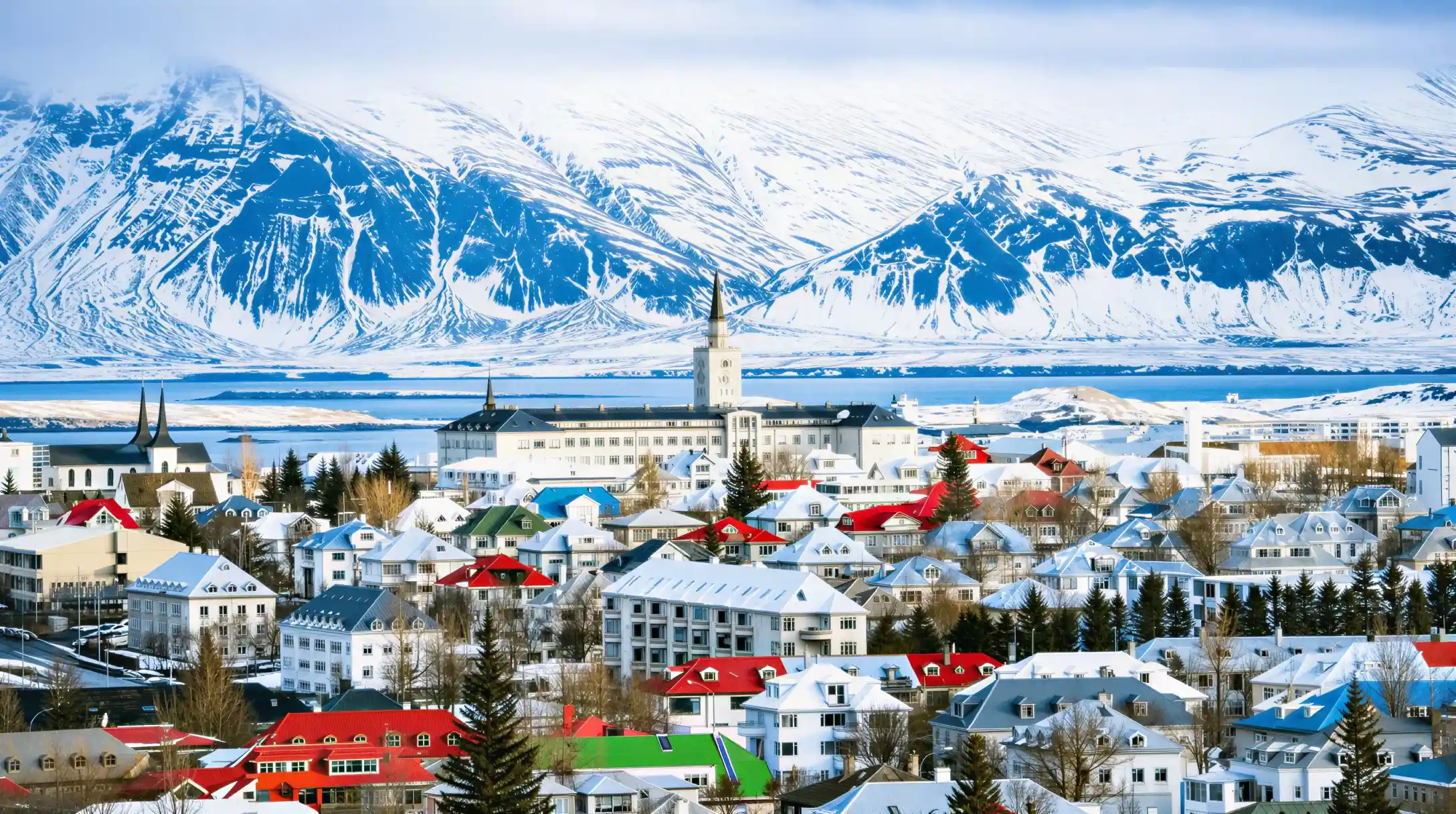
Short days and a long list of things assumed to be open can catch a first-time visitor out. Restaurants, museums and tour operators all run reduced or altered schedules across the season, and a plan built around a normal week in Reykjavik will collide with at least one closure. Christmas in Reykjavik rewards a traveller who checks specifics before booking rather than after arriving. The city stays lit, walkable and cheerful even as the sun barely clears the rooftops, and the shift in rhythm is part of the experience rather than an obstacle to it. What follows sets out the daylight a December visit actually gets, what the city looks and feels like once the lights go up, and which tours keep running when so much else slows down. None of it assumes a market date or a fixed opening hour that has not been confirmed for the year of travel; those details change annually and are worth checking directly with the venue before arrival. The rest of this page focuses on what stays reliably true: the darkness, the light against it, and the operators who keep working through the season regardless of the calendar around them.
 Our pick
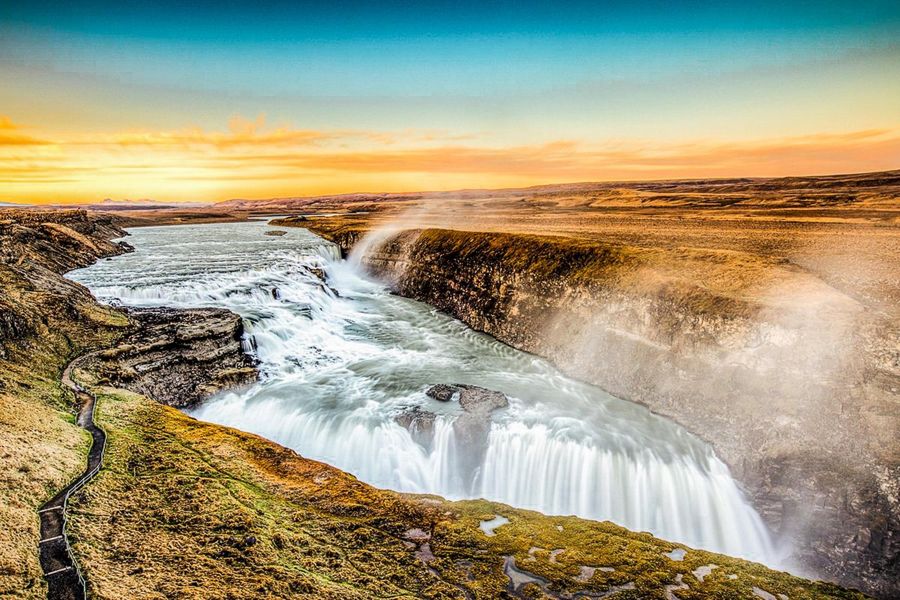
Reykjavik: Golden Circle Full-Day Tour with Kerid Crater
Golden Circle route with a stop at Kerið crater
A full day out of the city with reliable departures
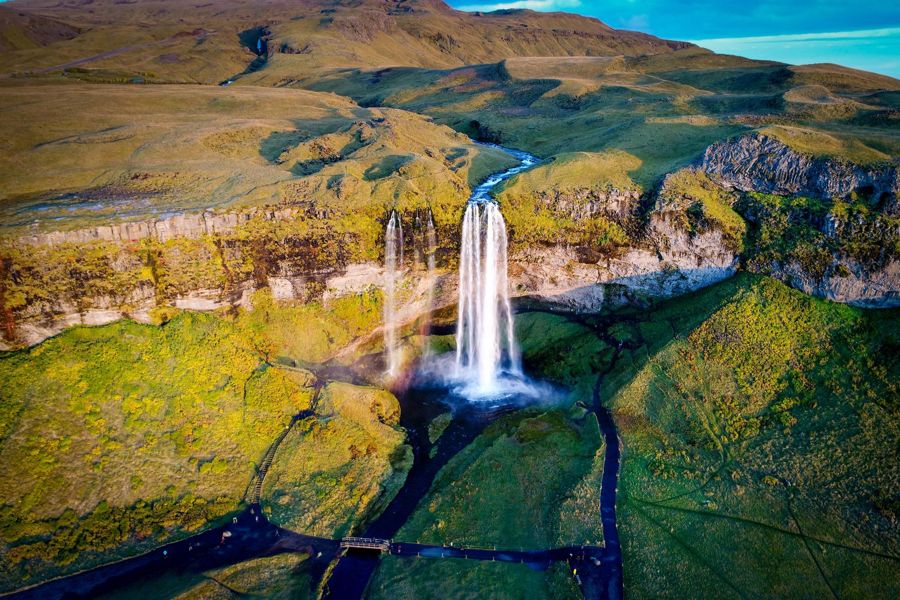
Reykjavik: South Coast Waterfalls, Black Sand & Glacier Tour
South coast waterfalls, black sand beach and glacier viewpoint
Travellers who want scenery beyond the capital in a single day
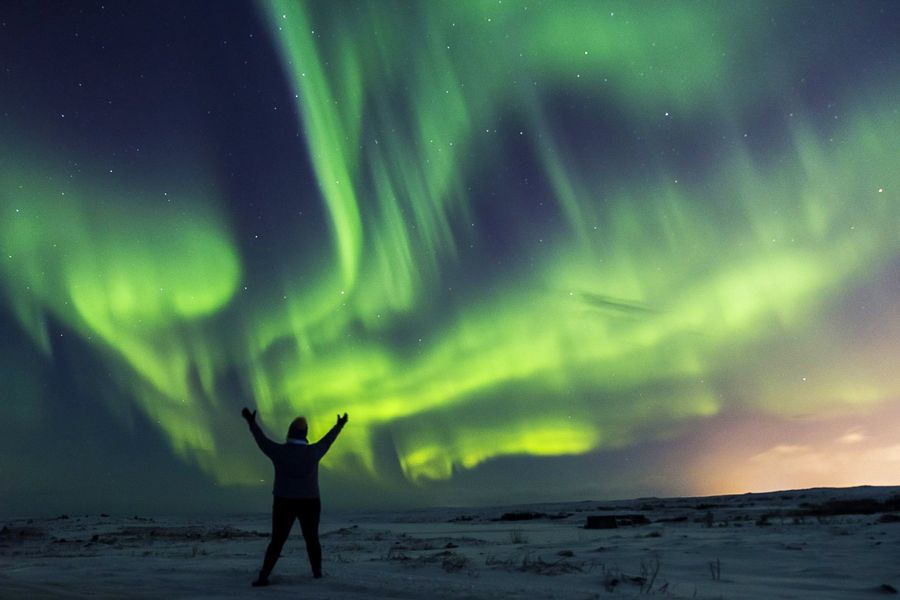
From Reykjavik: Northern Lights Bus Tour with Hot Cocoa
Evening bus tour with a guide watching for aurora activity
Evenings during the long winter darkness
What the season actually looks like
Visitors picture Reykjavik under snow and darkness for weeks on end, but the darkness is the more reliable part of that picture and it is not total. Reykjavik gets around 4.1 hours of daylight in December, against 21.2 hours in June, so the sun rises late, sits low, and sets mid-afternoon rather than disappearing altogether. That short window still gives a workable stretch for a walk through the centre, a museum visit or a harbour photo before the light fails. Snow cover is inconsistent rather than guaranteed, and a visitor who packs only for snow and ice can find bare, wet streets instead. Layers that handle wind and rain do more work than a heavy coat built for snow alone. The practical effect of the short daylight is that outdoor plans want to sit earlier in the day than a summer itinerary would, leaving afternoons and evenings free for the parts of the city that are lit anyway: shopfronts, the harbour, the churches and the main shopping street all carry lighting that makes the dark hours as walkable as the daylight ones. Public transport and taxis run on their normal schedules through the period, and the city itself does not shut down, even where individual businesses adjust their hours. Booking anything that depends on a specific date, whether a restaurant table or a tour departure, benefits from being locked in well ahead rather than left to the days immediately around the holiday, since demand rises sharply across the whole season.
| Month | Daylight hours |
|---|---|
| June | 21.2 |
| December | 4.1 |
- Daylight hours
- 21.2
- Daylight hours
- 4.1
Adjusting expectations for the darkness
The instinct is to schedule a Reykjavik trip the way a summer city break would be scheduled, with sightseeing spread evenly across the day. Reykjavik at Christmas runs on a different clock, and a plan that ignores the short daylight window ends up rushing the outdoor half of the day and wasting the long evening indoors with nothing arranged. Building the day around the hours of usable light, rather than around a fixed start time, makes better use of what the season actually offers. An early start captures the low sun and the brief golden light it produces, both good for photographs and for orientation in an unfamiliar city. The afternoon and evening, once daylight fails, are the right time for museums, restaurants, and anything indoors, since nothing outside is lost by moving those activities later. Layer plans around what needs daylight and what does not, rather than around a conventional morning-to-evening structure, and the shortness of the day stops being a constraint and becomes simply the shape of the schedule. Locals plan around it without treating it as a hardship, and a visitor who does the same gets more out of a short trip than one working against the season.
Where the light comes from once the sun goes
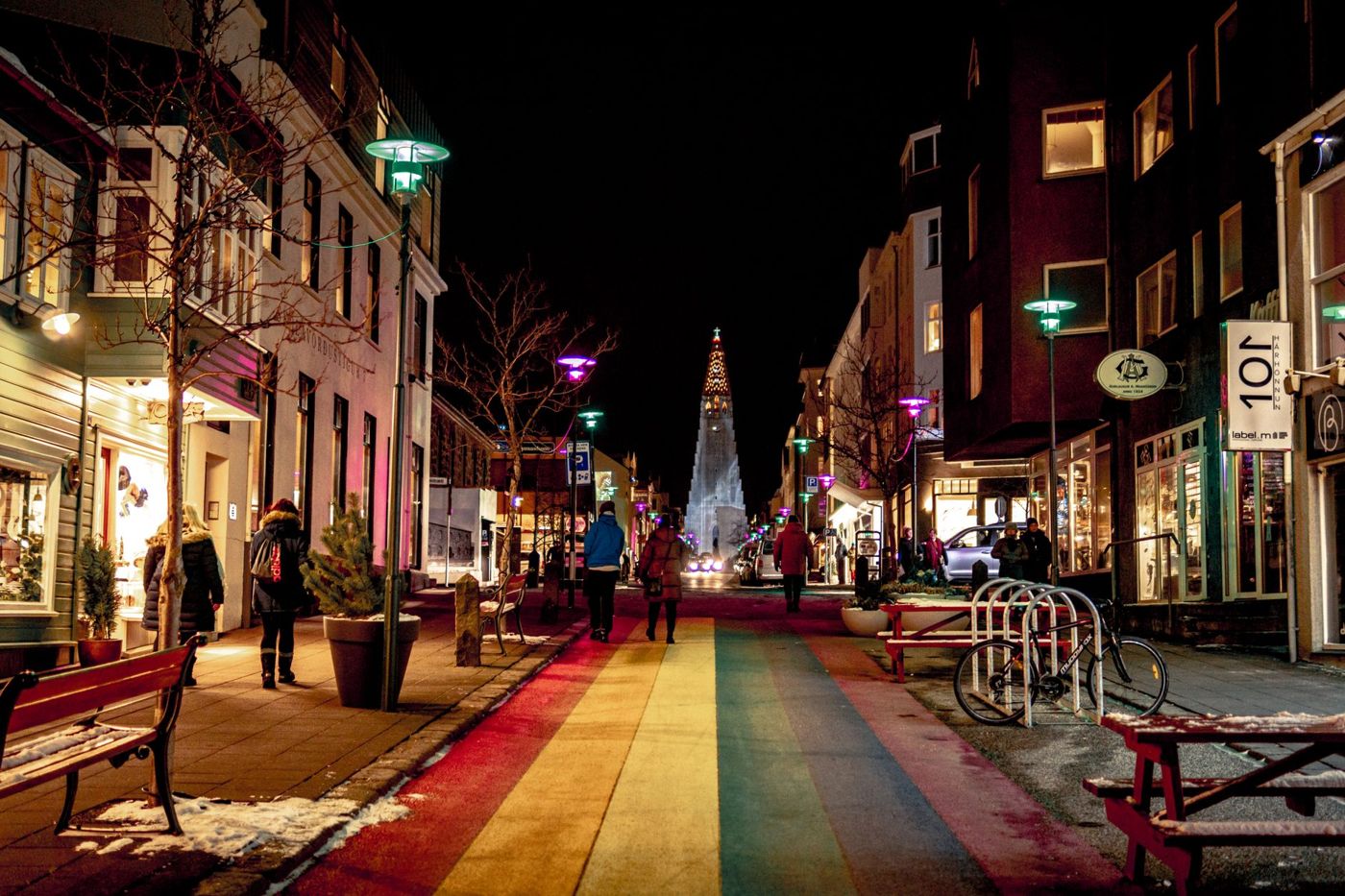
A short day does not mean a dark city. Reykjavik christmas lights cover the main shopping streets, the harbour front and several of the larger buildings downtown, and they stay on well into the evening hours when the sky is already black outside. Laugavegur and the surrounding streets carry strings of lights overhead, shopfronts light their windows well past closing, and the effect is a city centre that reads as bright and busy even at four in the afternoon. Hallgrímskirkja's exterior lighting makes the church a landmark from a distance after dark, and it is free to walk up to and view from outside; only the tower lift inside is ticketed. The harbour area picks up its own lighting too, and a walk along the waterfront after dinner covers a different set of views from the same walk done at midday. None of this lighting depends on snow or on a clear sky, so a wet or overcast evening does not dim the experience the way it might elsewhere. A camera handles the low light reasonably well if braced against a wall or railing, since a tripod is not always practical on a crowded pavement. The lights stay up across the whole season rather than for a single night, so there is no risk of missing the display by arriving a day early or late.
What to expect from the stalls downtown
Visitors sometimes expect a single, large, centrally advertised market on the scale of markets in continental Europe. Reykjavik christmas markets tend to be smaller and more scattered than that, set up in squares and open spaces around the city centre with stalls selling food, crafts and gifts. They sit alongside the shops rather than replacing a day of shopping with one, so a visitor can move between permanent stores and the outdoor stalls in the same walk without any real change of pace. Warm food and drink are a reliable part of what is on offer, useful given how quickly the temperature drops once the light goes. Stalls are typically outdoors, so conditions on any given visit depend on the weather that day, and a visitor dressed for a long stretch outside gets more out of them than one expecting a heated hall. Because scale and exact locations vary by year, checking what is currently running once in the city, rather than planning an entire evening around a market from a previous trip, avoids a wasted walk. The rest of the city centre stays open around them, so a market that turns out smaller than expected is easily folded into a wider evening rather than treated as the whole plan.
The folklore that comes with the season
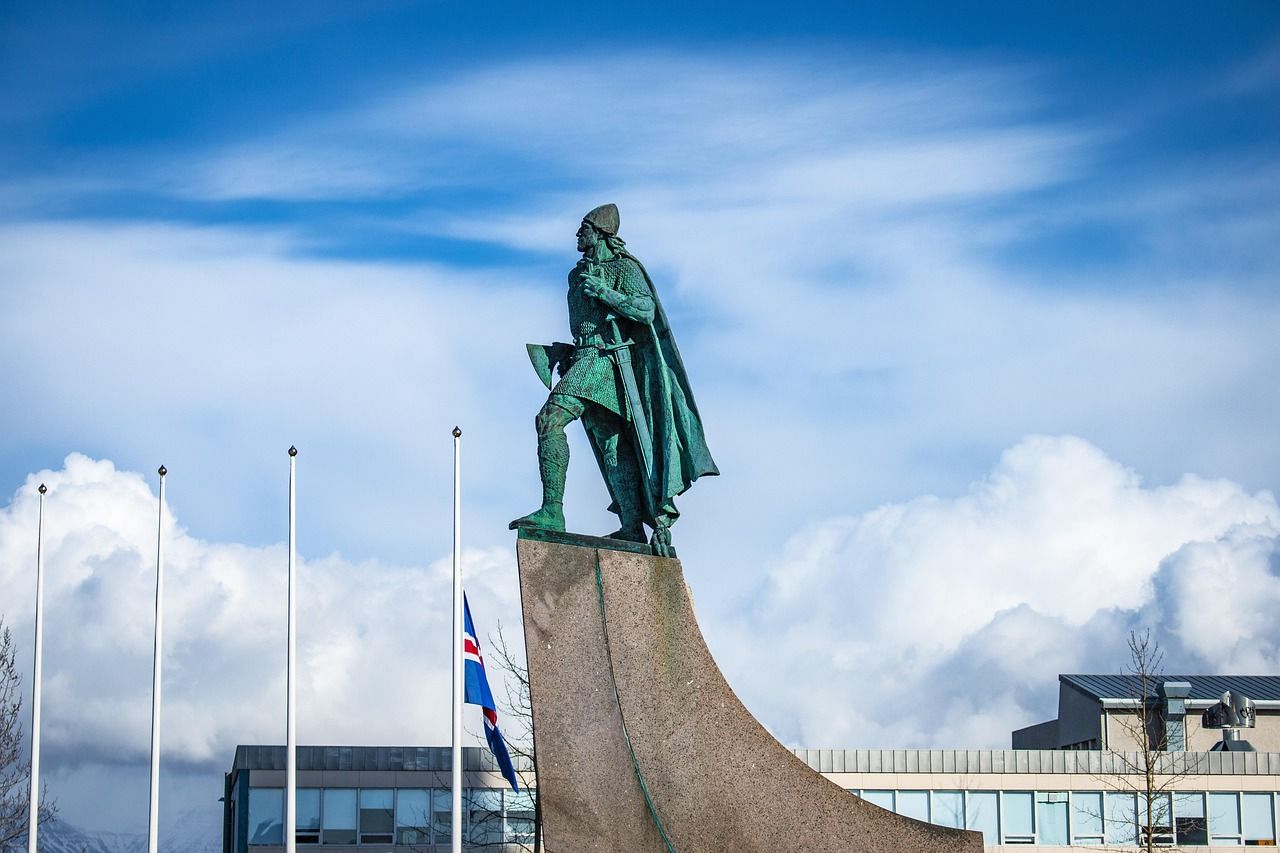
Icelandic Christmas folklore runs deeper than lights and markets, and a visitor unfamiliar with it can be caught off guard by references that locals treat as common knowledge. Thirteen Yule Lads appear in shop windows, decorations and conversation throughout the season, each with a distinct personality and a name tied to some kind of mischief. The christmas cat Reykjavik associates with the season, known locally as the Yule Cat, is a large and menacing figure in the folklore rather than a friendly mascot, tied traditionally to the idea of new clothes as a reward. Both appear on souvenirs, in shop displays and in seasonal artwork around the city, and a visitor who recognises the references gets more out of window displays and conversations with locals than one who does not. Neither figure requires a specific itinerary to encounter, since both show up naturally in the general decoration of the city rather than at a single site or event. Treating them as background context, rather than as something to actively track down, fits how they actually appear during a visit: everywhere in passing, and nowhere as a single attraction.
Staying comfortable through the cold
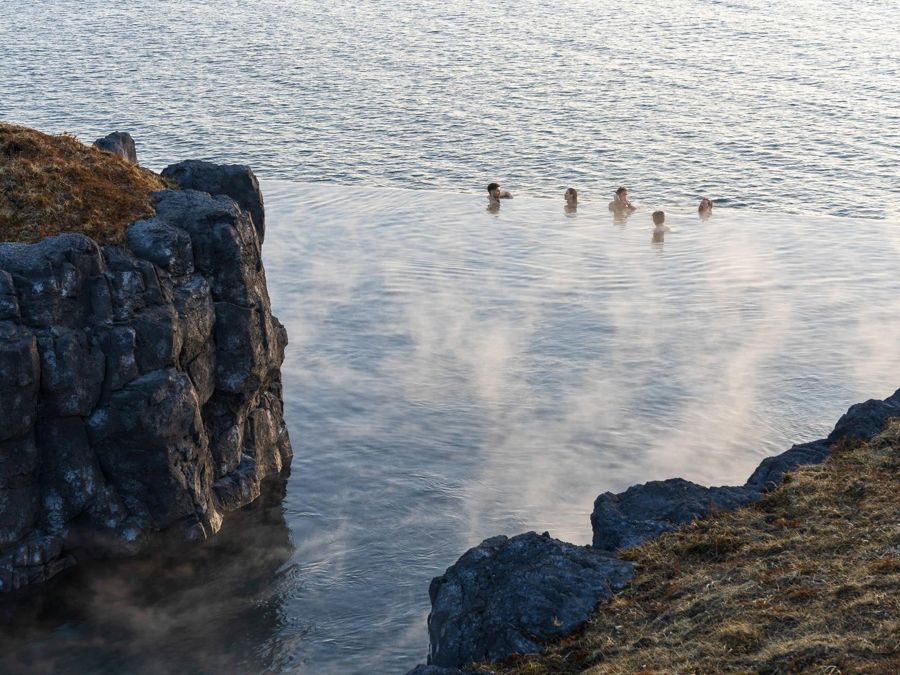
Visitors from milder climates tend to underestimate the wind rather than the cold itself, and it is the wind off the water that makes a Reykjavik winter walk feel harsher than the thermometer suggests. A windproof outer layer does more for comfort than an extra jumper, and gloves and a hat matter more here than in most winter cities given how often the wind picks up along the harbour and open streets. Footwear with real grip matters too, since pavements can turn icy without warning even when there is no snow on the ground. The city's own swimming pools are a practical, low-cost way to warm up mid-trip, with entry at 1,500 ISK for an adult and a much lower child rate, and they sit apart from the pricier tourist lagoons that visitors often default to first. A short indoor stop, whether a pool, a cafe or a museum, breaks up a cold walk without requiring a change of plan, and the short daylight window already builds natural breaks into the day. Public buildings and shops keep interiors warm enough that moving between outdoor and indoor stretches is comfortable rather than jarring, so a day spent partly outside and partly in does not require constant re-layering.
Getting around once you land
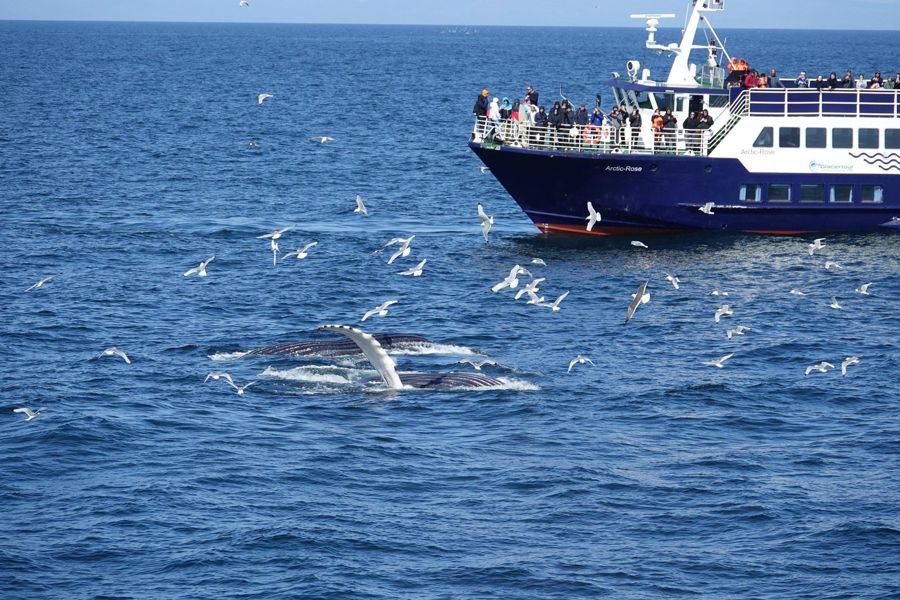
Arriving into a dark, unfamiliar city adds a layer of stress that a summer arrival does not carry, since the low light makes street signs and landmarks harder to pick out on the way from the airport. Booking an airport transfer in advance removes one variable from an already dark, likely cold arrival, rather than relying on finding transport on the spot after a long flight. Keflavik Airport sits a distance from the city centre, and a pre-booked bus transfer covers that stretch reliably regardless of what time the flight lands. Once in the city, distances between the main sights are walkable, and the compact centre means a visitor is rarely more than a short walk from somewhere warm to duck into. For anything outside the centre, whether the Golden Circle, the south coast or an evening aurora search, a guided tour removes the need to drive unfamiliar roads in the dark and in potentially icy conditions, which is a meaningfully different task from driving the same roads in summer. Building in a buffer around any tour departure, particularly one timed for the evening, allows for the shorter daylight and the higher chance of weather-related delay that the season carries.
Common questions
Is Reykjavik cold at Christmas?
Temperatures sit close to freezing on average, and wind off the water makes it feel colder than the number suggests. Layers built for wind and rain matter more than a single heavy coat.
How dark does it get in Reykjavik in December?
Daylight runs to around 4.1 hours in December, compared with 21.2 hours in June. The sun rises late and sets mid-afternoon.
Are tours still running over the holidays?
Many operators keep departures running through the season, though individual schedules vary by date. Confirming a specific departure directly with the operator before booking avoids surprises.
Do I need to book restaurants and tours in advance?
Demand rises across the whole season, more than on the holiday itself, so booking well ahead of travel is safer than waiting until arrival.